

1 week ago
Former Meta Executive Says Growth Outpaced Child Safety At Trial

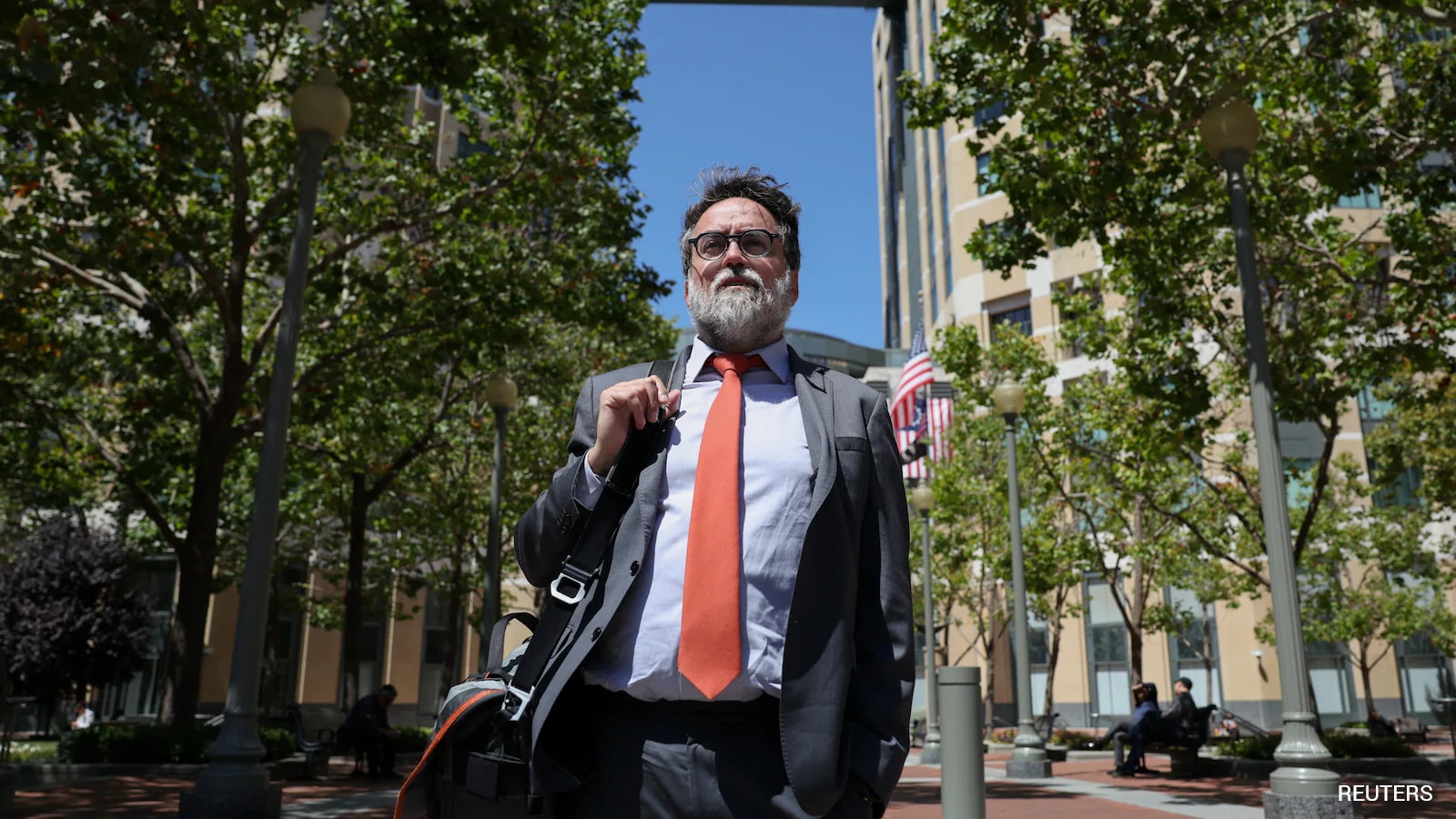
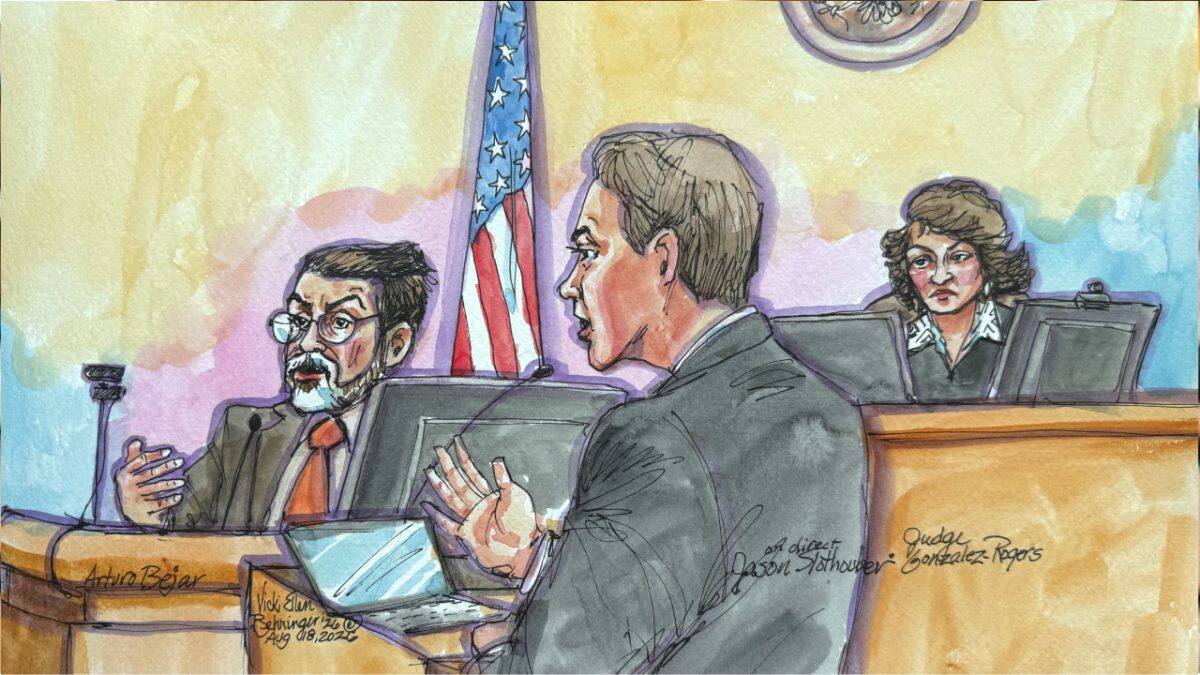
A former Meta employee named Arturo Bejar testified about how Facebook and Instagram treated young users.
He said the company focused heavily on getting people to use its apps more often and for longer.
He said this focus made safety less important.
Bejar also said Meta knew that many children under 13 were using Instagram but did not broadly check their ages.
He described this as a “don’t ask, don’t tell” approach.
He criticized a safety feature called “Take a Break” because users had to turn it on themselves.
Bejar said his teenage daughter also received abusive and sexual comments after joining Instagram.
Meta says it works to protect young people and rejects the states’ accusations.
A federal judge will ultimately decide Meta’s responsibility and any penalties or required changes.

Arturo Bejar testified that Meta prioritized engagement, user growth and profits over child safety.
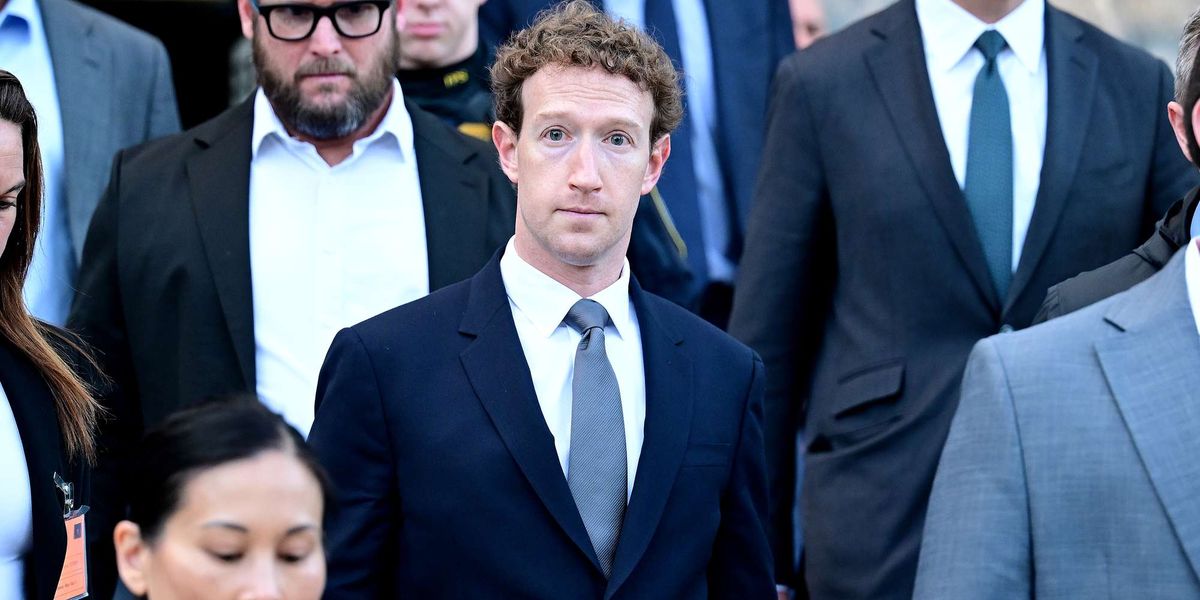
He said Mark Zuckerberg’s top-down leadership meant major product changes occurred when senior executives made them priorities.
Bejar described a “don’t ask, don’t tell” approach to children under 13 despite technology that could flag suspected underage users.
He said Instagram’s 2021 “Take a Break” feature was ineffective because it was not enabled by default and could be dismissed.
Meta denies wrongdoing, while 29 states accuse the company of youth harms and unlawful collection of children’s data.
- Who
- Former Meta engineering director Arturo Bejar, Meta Platforms, Mark Zuckerberg and attorneys general from 29 U.S. states.
- What
- A federal trial is examining allegations that Meta designed Facebook and Instagram to encourage compulsive use, failed to protect children and improperly collected data from users under 13.
- Where
- The U.S. District Court in Oakland, California.
- When
- The trial began Tuesday, and Bejar testified on Tuesday and Wednesday; proceedings are expected to last about six weeks.
- Why
- The states are seeking financial penalties and changes to Facebook and Instagram over alleged youth harms, misleading safety claims and violations of child-privacy law.
States and Bejar’s allegations
Meta’s defense
Growth versus safety
States and Bejar’s allegations
The states and Bejar argue that Meta prioritized engagement, profits and time spent on its platforms over protecting young users from harassment, anxiety, depression and other harms.
Meta’s defense
Meta denies wrongdoing and says it has a responsibility to address youth mental-health and safety issues while working with teens and parents.
Leadership and company culture
States and Bejar’s allegations
Bejar said Zuckerberg was closely involved in major decisions and that Meta’s top-down culture made significant product changes dependent on senior-level priorities.
Meta’s defense
Meta disputes Bejar’s characterization; Bejar acknowledged that Meta employs hundreds of safety-focused workers and that he lacked access to some resources while working as an outside contractor.
Age verification and child data
States and Bejar’s allegations
The states allege Meta knowingly allowed children under 13 to use its platforms and collected their data without proper parental consent. Bejar said Meta did not broadly verify suspected underage users.
Meta’s defense
Meta rejects the privacy allegations and argues that Bejar’s testimony and opinions do not establish the company’s legal liability.
Platform safety tools
States and Bejar’s allegations
Bejar said “Take a Break” was easy to ignore and that Meta could have made Facebook less habit-forming and better supported users trying to break unwanted habits.
Meta’s defense
Meta points to its safety tools and broader efforts as evidence that it takes responsibility for addressing how teens use social media.
Key facts
- Witness
- Arturo Bejar worked at Meta from 2009 to 2015 and later as an independent contractor from 2019 to 2021.
- States involved
- California, Colorado, Kentucky, New Jersey and 25 other states sued Meta in 2023.
- Under-13 users
- Bejar testified that his research found tens of thousands of children under 13 on Instagram and that their presence was common knowledge within Meta.
- Company incentives
- Bejar said employee evaluations and compensation emphasized metrics including user numbers, daily activity and time spent on products.
- Age detection
- Bejar said Meta had technology capable of flagging suspected underage users but lacked goals or metrics to consistently check their ages.
- Safety feature
- Bejar called Instagram’s 2021 “Take a Break” tool “designed to fail” because it was not enabled by default and prompts could be dismissed.
- Potential outcome
- Jurors are expected to issue an advisory verdict, while Judge Yvonne Gonzalez Rogers will decide liability, penalties and possible platform changes.
- Prior case
- A New Mexico case involving Bejar resulted in $942 million in damages and penalties and an order requiring Meta to change its platforms in that state.
Quotes
Arturo Bejar
Former Meta engineering director and critic of the company’s safety record.
“In 2019 to 2021, Meta’s engineering team was involved in ‘…sold metrics such as meaningful social interactions and daily active users to reward employees, prioritizing user engagement and profit over safety.’”
 firstpost.com
“She started getting requests for sex and pictures of private parts from people that she did not know, I found it shocking.”
 NDTV
NDTV
Sources

Zuckerberg Encouraged Growth Over Child Safety, Ex-Meta Executive Testifies At Trial

Mark Zuckerberg encouraged growth over child safety, ex-Meta executive testifies at trial

‘Safety became an afterthought’: Former Meta engineer testifies against Zuckerberg as trial begins
'My Teen Daughter Was Prey On Instagram': Ex-Meta Staff Testifies At Trial
'Safety Was An Afterthought': Ex-Meta Director Accuses Instagram Of Putting Growth Over Child Safety

‘Safety was an afterthought’: Ex-Meta engineer's explosive testimony on Instagram and kids
Mark Zuckerberg encouraged growth over child safety, ex-Meta executive testifies at trial
Related news
Zuckerberg Faces Scrutiny in Meta Child Safety Trial

Meta Faces Trial Over Claims Its Platforms Hook Children

Meta Faces Landmark Trial Over Claims It Hooked Children

Instagram Head Testifies in Meta Child Social Media Trial

Meta Youth Safety Trial Could Reshape Social Media Worldwide
Meta’s California Child Safety Trial Puts Facebook, Instagram Under Scrutiny

Sam Altman Says AI Capabilities and Safeguards Must Advance Together

Sony and Warner Sue Anthropic Over AI Music Training

Mother Bear And Three Cubs Rescued From California Water Tank
Overnight Rescue Saves Climber Trapped On Narrow Ledge

OpenAI Denies Apple's Trade-Secret Claims, Blames Its Procedures
