6 days ago
Meta Smart Glasses Face Scrutiny Over Privacy And Data Risks
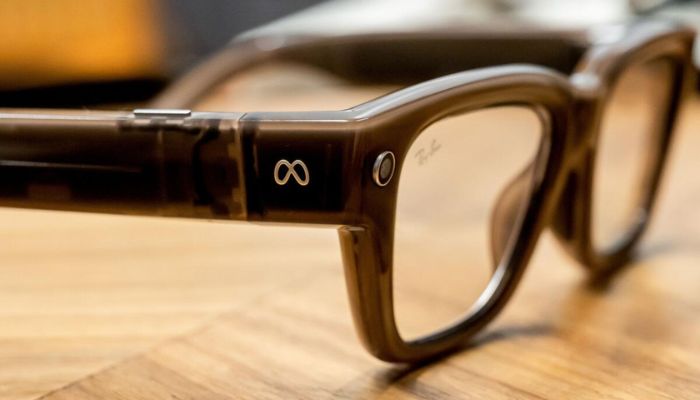
Meta makes glasses that can take pictures, record video and answer questions using artificial intelligence.
They are designed to help people without requiring them to use a phone.
The glasses can sometimes send voices, pictures and videos to Meta’s computers to process them.
Workers helping train the AI in Kenya said they saw private recordings from homes, bedrooms and bathrooms.
Some people in public were also recorded without knowing it.
Their videos were then posted online and viewed by many people.
The glasses have a small light that is supposed to show when recording is happening, but critics say people may not notice it.
Meta says it has safety rules and that users are responsible for using the glasses properly.
The debate is about how to enjoy the useful features while protecting everyone who may appear in front of the camera.

A Kenya investigation found subcontracted AI workers reviewing highly private footage captured by Meta smart glasses.
The glasses can record, answer questions, translate speech and process visual information through Meta’s infrastructure.
Critics say the recording light may not adequately alert nearby people that they are being filmed.
Women in London and elsewhere reported being secretly recorded and having videos posted widely on social media.
Meta says users control their data and must use the glasses responsibly, while privacy experts seek greater transparency.
- Who
- Meta, its subcontractor Sama, Kenyan data annotators, privacy experts and people recorded by smart-glasses users.
- What
- Meta’s AI-powered smart glasses are facing scrutiny over covert recording, human review of captured material and data processing through Meta servers.
- Where
- The concerns involve Kenya, Sweden, London, Norway and other public and private settings.
- When
- The articles describe recent investigations and incidents; one cited CBS report was dated August 21, 2026.
- Why
- The glasses can record people discreetly and transmit voice, images or video for AI functions, potentially without nearby people understanding or consenting.
Privacy Critics And Affected People
Meta And Supporters Of The Technology
Notice And Consent
Privacy Critics And Affected People
Privacy critics and people filmed without their knowledge say ordinary-looking glasses make recording difficult to notice and remove a person’s practical chance to object.
Meta And Supporters Of The Technology
Meta says a recording light, software safeguards and user guidance are intended to signal recording and discourage misuse.
Data Processing
Privacy Critics And Affected People
Privacy experts argue that users may not understand how voice, text, images and video are processed through Meta’s infrastructure or reviewed by humans.
Meta And Supporters Of The Technology
Meta says its terms explain that some interactions may be manually reviewed and that users remain in control of their data.
Responsibility For Misuse
Privacy Critics And Affected People
Critics say responsibility cannot rest only with the wearer because bystanders may be recorded and footage can be distributed without their consent.
Meta And Supporters Of The Technology
Meta says users are ultimately responsible for using the glasses appropriately and says teams work to limit harassment and other misuse.
Key facts
- Manufacturer
- Meta made the glasses in partnership with eyewear company EssilorLuxottica.
- Product design
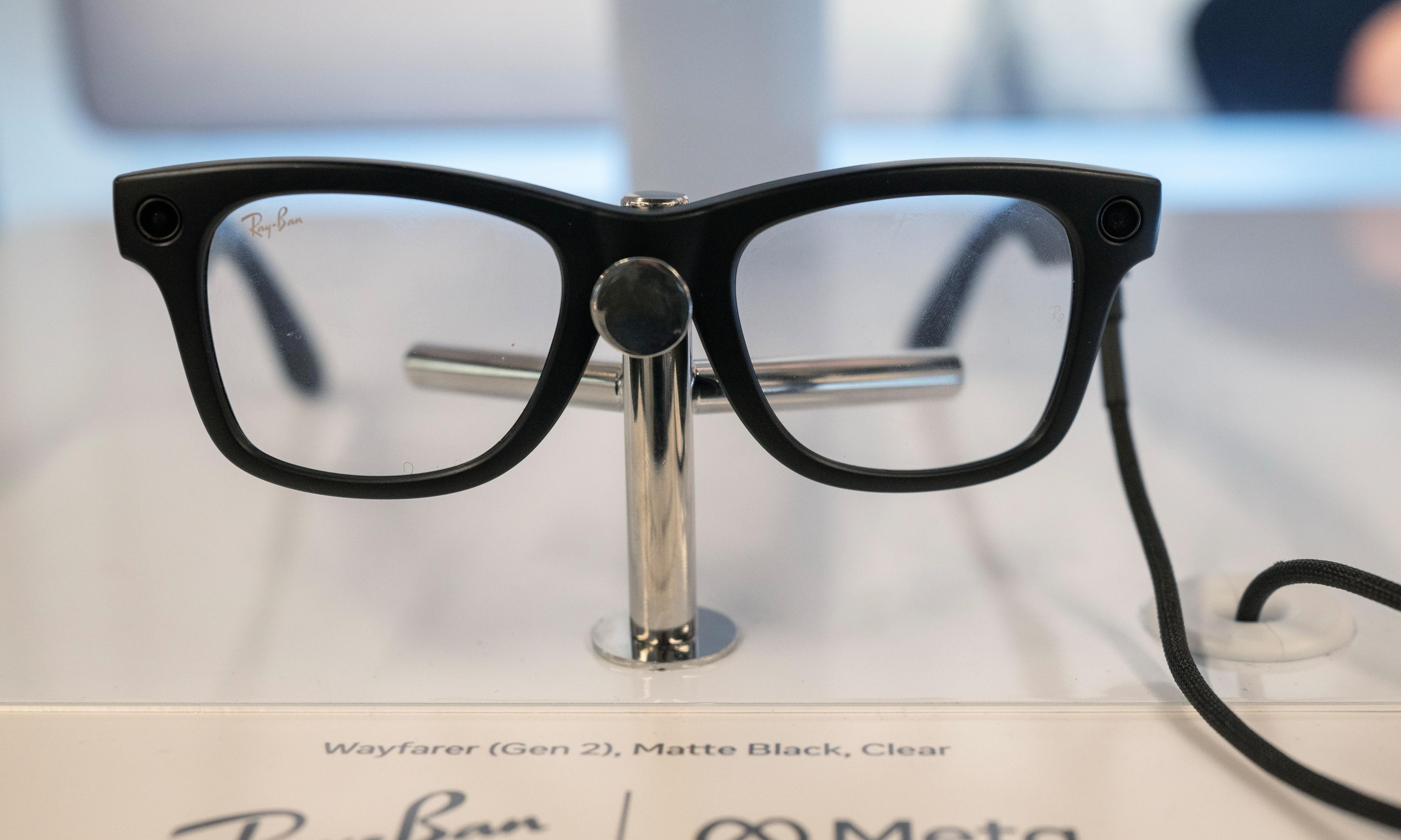
- The glasses use a Ray-Ban design and include a camera, speakers and, in newer versions, display-capable lenses.
- AI functions
- They can answer questions, interpret camera views, take photos and videos, handle calls, play audio and provide live translation.
- Kenya investigation
- Workers in Nairobi said they reviewed footage from private homes, including bedrooms and bathrooms, while training Meta AI systems.
- Reported video reach
- A video involving Alice was viewed about 40,000 times, while a video involving Toluwa Omitowoju received more than 200,000 views.
- Privacy indicator
- A light is intended to show when recording is active, but a CBS News test questioned how the disabling mechanism works if the light is covered after recording begins.
- Market scale
- Meta says seven million pairs have been sold, while estimates cited in the investigation put its share of AI and smart-glasses sales above 80%.
Sources
Related news
Meta Fixes AI Glasses Loophole Amid Privacy Concerns

Delhi Man Challenges Meta Over Alleged Smart-Glasses Recording
UK Venues Ban Meta Smart Glasses Over Privacy Concerns

Courts in England and Wales ban Meta smart glasses
German watchdog files criminal complaint against Meta over AI glasses

UK Venues Ban Meta Smart Glasses Over Privacy Concerns

Tributes Follow Deaths of Kiran and Shilpa Nathwani

Kenyan Editor Found Safe Hours After Armed Abduction

Indian Duo Completes WRC3 Podium Hat-Trick In Paraguay

Kenya Airport Workers' Strike Leaves Hundreds of Passengers Stranded

Ethiopian Runners Win Hyderabad Marathon; Gopi, Nirmaben Lead Indians