2 weeks ago
Meta Faces Landmark Trial Over Claims It Hooked Children
Twenty-nine US states are suing Meta, the company behind Facebook and Instagram.
They say Meta designed its apps to keep children online for a long time.
Prosecutors also say Meta hid safety risks and collected information from children under 13 without parental permission.
The states say these practices may have contributed to serious problems for some young users.
They want Meta to pay a very large penalty and change how its apps work.
Meta says it takes child safety seriously and has created tools to help users.
The company also says research does not prove a clear connection between teenagers’ social-media use and poor wellbeing.
The trial is taking place in federal court in Oakland, California.
A judge will decide Meta’s liability, while jurors are expected to provide an advisory verdict.

A coalition of 29 US states alleges Meta designed Facebook and Instagram to encourage compulsive use among children.
Prosecutors accuse Meta of misleading families about safety risks and collecting data from children under 13 without parental consent.
Meta denies the allegations, citing safety tools and arguing that research does not show a clear link between adolescent social-media use and poor wellbeing.
The states seek roughly $193 billion to $200 billion in penalties, while Meta says its maximum potential exposure could reach $1.4 trillion.
The states also seek platform changes, including screen-time limits, restrictions on under-13 users, and possible removal of likes and infinite scrolling.
- Who
- Meta Platforms Inc. and a bipartisan coalition of 29 US states, led by California, Colorado, Kentucky and New Jersey.
- What
- A federal trial over allegations that Meta designed Facebook and Instagram to encourage compulsive youth use, misled the public about safety, and improperly collected children’s data.
- Where
- The US District Court for the Northern District of California in Oakland, California.
- When
- Opening statements began Tuesday, August 18; the trial is expected to last about five to six weeks, with a verdict expected by October.
- Why
- The states seek penalties and platform changes under state consumer-protection laws and the federal Children’s Online Privacy Protection Act.
States’ allegations
Meta’s defense
Platform design and engagement
States’ allegations
The states say Meta deliberately designed features to hook young users, keep them online longer, collect their data and increase advertising revenue.
Meta’s defense
Meta says its products are not addictive, that it continually improves safety tools, and that it wants users to have services they value.
Youth wellbeing
States’ allegations
Prosecutors allege that Meta’s practices contributed to anxiety, depression and other serious harms among young users, including deaths that families associate with social-media exposure.
Meta’s defense
Meta acknowledges that some users have negative experiences but says research does not establish a clear link between adolescent social-media use and poor wellbeing.
Responsibility for safety
States’ allegations
The states say Meta should be held responsible for its own platform design, privacy practices and statements about safety, rather than for third-party content posted on its services.
Meta’s defense
Meta says it worked with parents, experts and law enforcement on safeguards, takes seriously that children under 13 should not use social media, and argues that mobile app stores also have gatekeeping responsibilities.
Key facts
- Defendant
- Meta Platforms Inc., which operates Facebook and Instagram.
- States involved
- Twenty-nine US states are participating; California, Colorado, Kentucky and New Jersey are leading the case.
- Main allegations
- Prosecutors allege that Meta prolonged young users’ engagement, misled consumers about safety, and collected data from children under 13 without parental consent.
- Potential penalties
- The states have cited approximately $193 billion to $200 billion; Meta says its maximum potential exposure could be $1.4 trillion.
- Requested changes
- The states seek screen-time limits, stronger restrictions keeping children under 13 offline, and changes such as removing likes and infinite scrolling.
- First witness
- Former Meta safety engineer Arturo Bejar testified for the states after the judge rejected Meta’s effort to block his testimony.
- Case
- People of the State of California v. Meta Platforms Inc., 23-cv-05448, US District Court for the Northern District of California.
Quotes
California Deputy Attorney General Megan O’Neill
Deputy Attorney General of California representing a coalition of 29 states
“Meta’s business model can be summed up with four simple parts: hook the users, hold them for as long as they can, harvest their data, and then hide the truth from the public.”
 firstpost.com
 livemint.com
 deccanchronicle.com
 wionews.com
 news18.com
“We are not here to hold Meta responsible for the fact that there are bad people out there that post bad things that may harm kids”
livemint.com
Paul Schmidt
Meta’s lawyer
“"They don't believe they're going to do well if people don't like their service."”
firstpost.com
wionews.com
“Some teens struggle to manage their time on social media”
livemint.com
Arturo Bejar
Former Meta engineering director
“"The goal was to be able to get things into the hands of users as fast as possible, which meant that a lot of the time, safety or security was an afterthought."”
deccanchronicle.com
California Attorney General Rob Bonta
Attorney General of California
“We talked about their motto, their culture, if you will, which was to move fast and break things,”
news18.com
Sources
Meta rejects claims it sought to hook children to Facebook, Instagram as landmark trial begins

Meta Accused of Exploiting Kids as Social Media Trial Gets Underway

Meta Hooked Children and Misled Public: Prosecutors
Did Meta ‘hook’ children to Facebook, Instagram for profit? 29 US states take tech giant to trial

Meta 'Hooked, Exploited' Kids: 29 US States Seek $200 Billion Penalty As Company Faces Its Biggest Trial Yet
Related news

Meta Youth Safety Trial Could Reshape Social Media Worldwide
Meta’s California Child Safety Trial Puts Facebook, Instagram Under Scrutiny
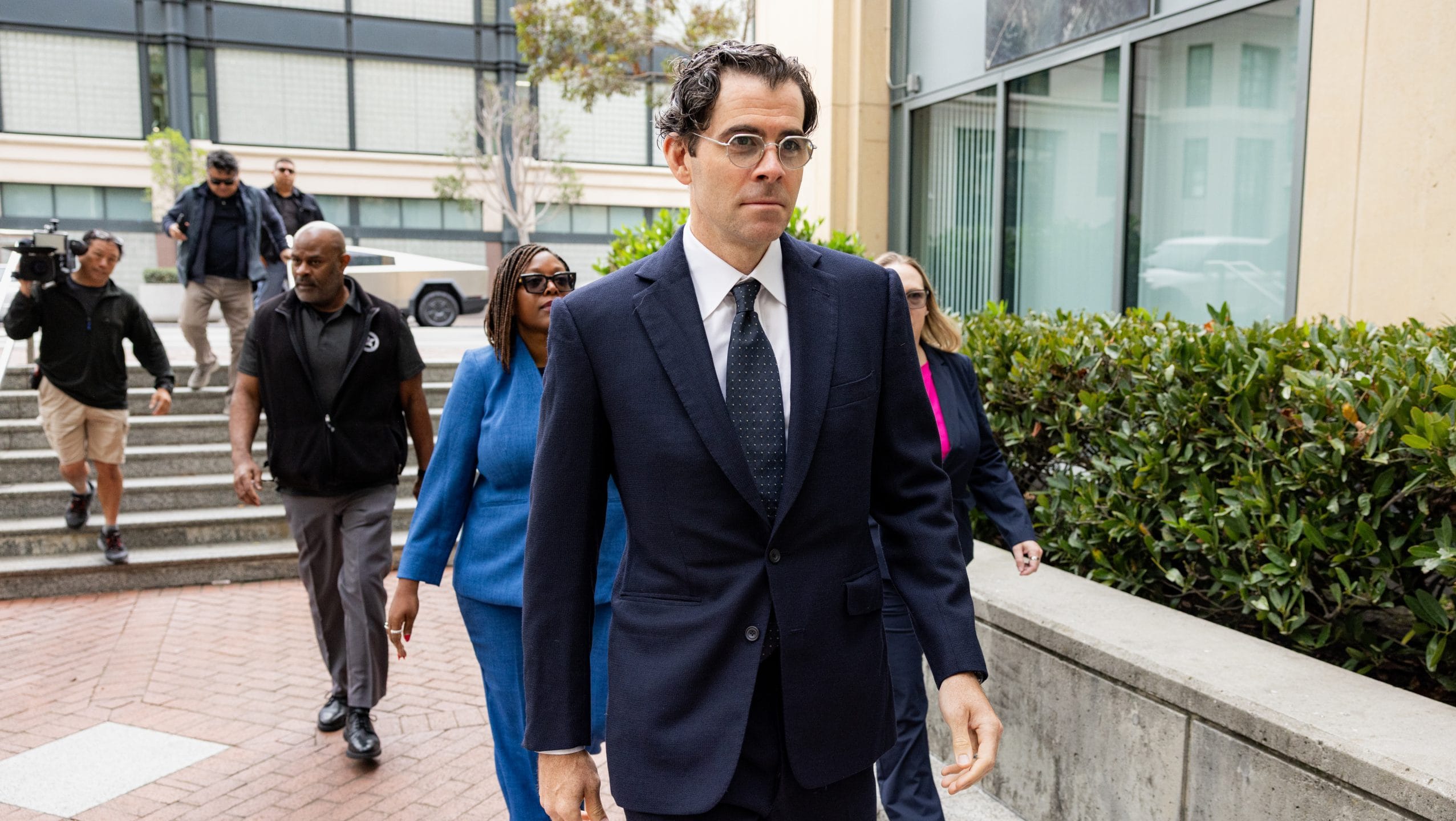
Meta and States Discuss Settlement in Teen Social Media Trial
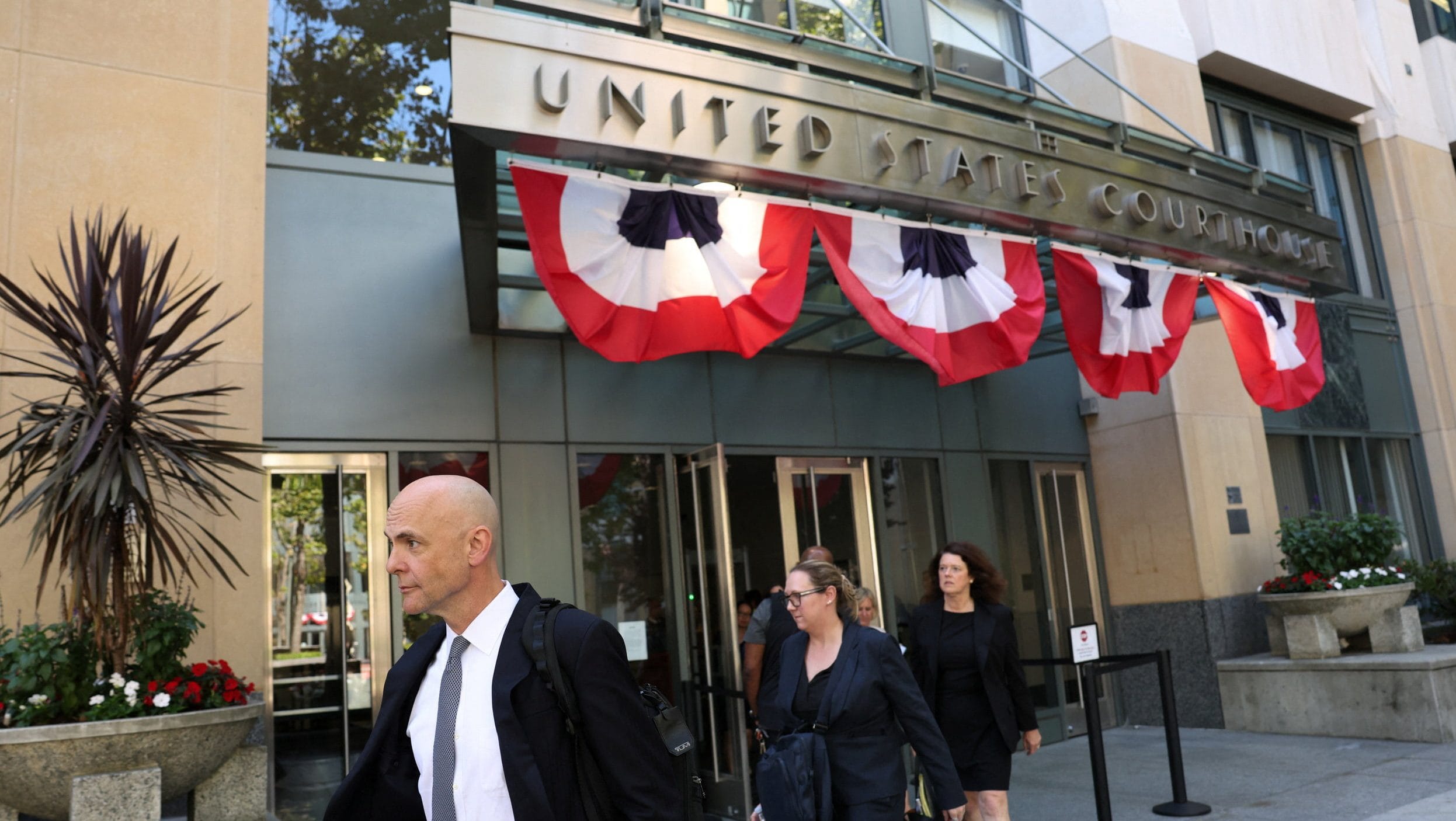
Meta faces 29 states in landmark youth social media trial

Meta calls allegations of misleading users 'unsubstantiated' ahead of trial

Meta Faces Trial Over Claims Its Platforms Hook Children

Meta Fixes AI Glasses Loophole Amid Privacy Concerns
How Meta Reached a $17 Billion Child Safety Settlement

Meta Smart Glasses Face Scrutiny Over Privacy And Data Risks

India Studies Meta’s $17.1 Billion Settlement on Child Safety

Meta, States Discuss Settlement in Landmark Child Privacy Trial