6 days ago
India Studies Meta’s $17.1 Billion Settlement on Child Safety

The United States made a deal with Meta about how children use Facebook and Instagram.
US states said the apps were designed to make young people use them too much.
They also said Meta collected information from children under 13 without the required parental permission.
Meta agreed to limits on use, nighttime blocks and other safety tools, but it did not admit wrongdoing.
India is studying this deal because it is thinking about its own rules for children online.
Indian officials are considering different rules for different age groups instead of treating every child the same.
Some experts say India needs rules that examine how apps and recommendation systems are designed.
Other experts warn that strict age checks could create new privacy problems.
Meta has argued that similar safeguards should apply across major platforms, not only to its services.

Indian regulators are examining Meta’s US settlement over allegations that Facebook and Instagram encouraged compulsive use among children and teenagers.
The agreement includes a default two-hour combined daily limit, overnight access restrictions, stronger age assurance and parental controls for users under 18.
US states also alleged that Meta collected personal information from children under 13 without legally required parental consent under COPPA.
Experts say India’s current safeguards focus more on illegal content and intermediary duties than on addictive design and recommendation systems.
India is considering graded age restrictions and parental-consent rules, while analysts warn against blanket bans and universal surveillance-based age verification.
- Who
- Meta, US state attorneys general, Indian regulators, the Centre and technology-policy experts are central to the issue.
- What
- A US settlement with Meta over alleged child-safety, addictive-design and data-collection practices is influencing India’s discussion of social-media safeguards.
- Where
- The legal settlement concerns the United States, while its possible policy implications are being examined in India.
- When
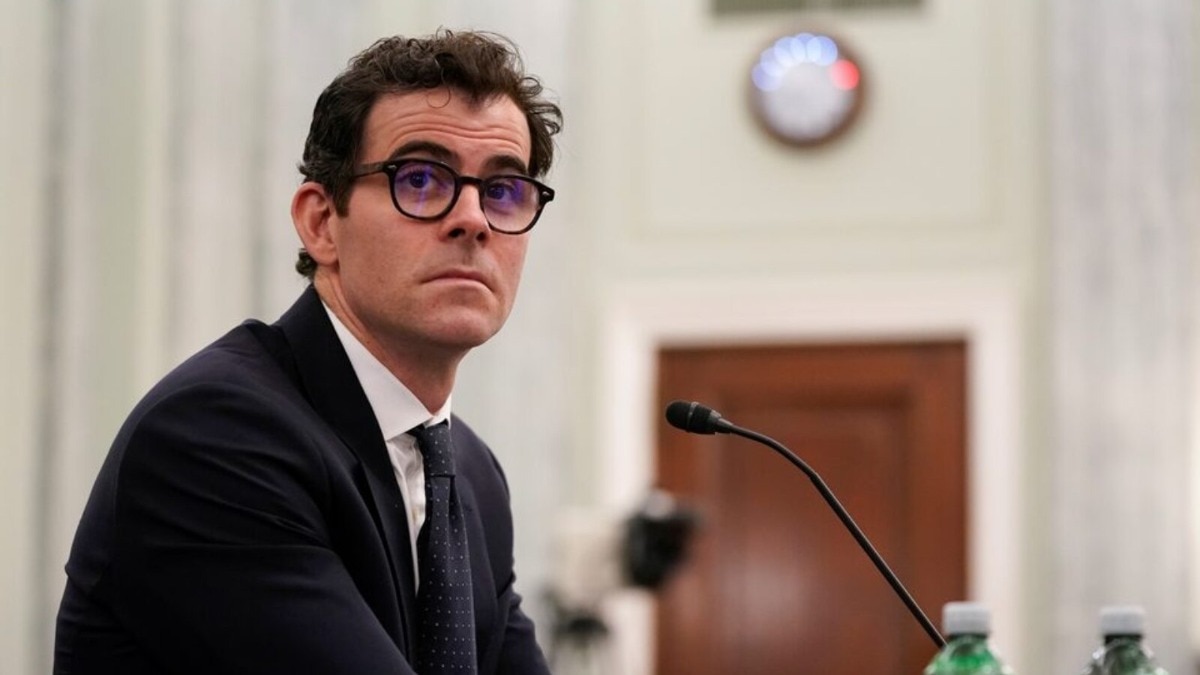
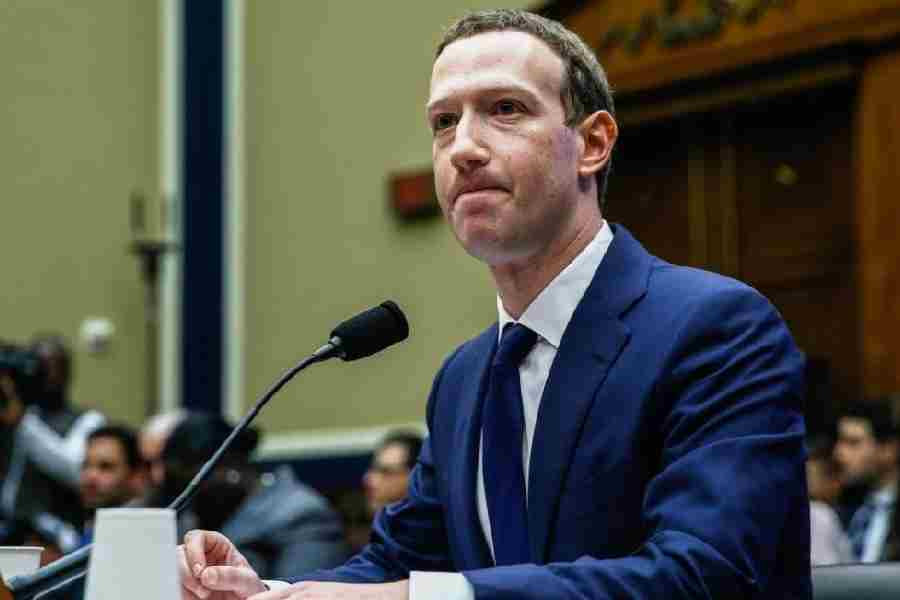
- The settlement followed testimony by Instagram head Adam Mosseri and came before Mark Zuckerberg was expected to testify; the second report was published on August 27, 2026.
- Why
- Indian policymakers are considering stronger protections against potentially harmful or compulsive social-media use among children.
Child-Safety Experts and Analysts
Government and Platform Concerns
Platform responsibility
Child-Safety Experts and Analysts
Experts argue that platforms should be responsible for examining addictive engagement features, recommendation systems and default settings, rather than placing the entire burden on parents and children.
Government and Platform Concerns
Government sources say foreign intermediary companies must follow Indian law and that existing mechanisms are sufficient to protect children; Meta has not admitted wrongdoing.
Type of regulation
Child-Safety Experts and Analysts
Analysts support enforceable product-level measures such as usage limits, nighttime controls, non-personalised feeds, hidden like counts, transparency and independent assessments.
Government and Platform Concerns
Some experts caution that broad age restrictions, universal age verification or surveillance systems could harm children’s privacy, expression, association and access to information.
Industry-wide application
Child-Safety Experts and Analysts
Applying comparable safeguards across platforms could provide consistent protection for children who use multiple services.
Government and Platform Concerns
Meta argues that restrictions limited to Facebook and Instagram could push teenagers toward less regulated platforms, and it has called on TikTok and YouTube to adopt comparable safeguards.
Key facts
- Settlement value
- Up to $17.1 billion.
- Daily limit
- Users below 18 would face a default combined two-hour daily limit across Facebook and Instagram, subject to parental permission.
- Night restriction
- Access would be blocked by default between midnight and 6 a.m.
- Additional measures
- The agreement includes stronger age assurance, parental controls, muted school-hour notifications, restrictions on like counts and cosmetic-procedure filters, and an independent compliance auditor.
- US privacy law
- The states relied in part on the Children’s Online Privacy Protection Act, enacted in 1998.
- India’s data-protection provision
- Section 9 of the Digital Personal Data Protection Act prohibits processing likely to harm a child’s well-being and behavioral monitoring directed at children, but the provision is reported as not coming into force until May 13, 2027.
- Indian policy model
- The Centre is considering separate approaches for children aged 8-12, 12-16 and 16-18, including usage windows, nighttime restrictions and parental consent.
Quotes

Mishi Choudhary
Technology lawyer and founder of the Software Freedom Law Center India
“The very basis of safe harbour is the absence of knowledge of an intermediary and where Meta may be shown to have consciously developed, deployed or misused algorithms such exemptions will not protect them. They will be well advised to shape up.”
 thehindubusinessline.com
“The Meta settlement offers more useful regulatory ideas such as hiding like counts and an option for a non-personalised feed. These interventions will limit the engagement of the product rather than placing the entire burden on parents.”
thehindubusinessline.com
Sources
Related news

Meta's US Teen Rules Put India's Age-Verification Debate

Meta settlement adds teen safeguards, but India awaits protections

Meta Settles Teen Harm Claims as India Faces Regulatory Gap

Meta’s Teen Social Media Curfew Faces Enforcement Questions Worldwide

Meta Faces US Child Safety Trial, Indian Scrutiny Over Moderation
Meta Settlement Limits Features but Avoids Public Trial

Meta Fixes AI Glasses Loophole Amid Privacy Concerns
How Meta Reached a $17 Billion Child Safety Settlement

Meta Smart Glasses Face Scrutiny Over Privacy And Data Risks

Meta, States Discuss Settlement in Landmark Child Privacy Trial