

1 hr ago
Maharashtra Plans Digital Milk Tracking to Curb Adulteration
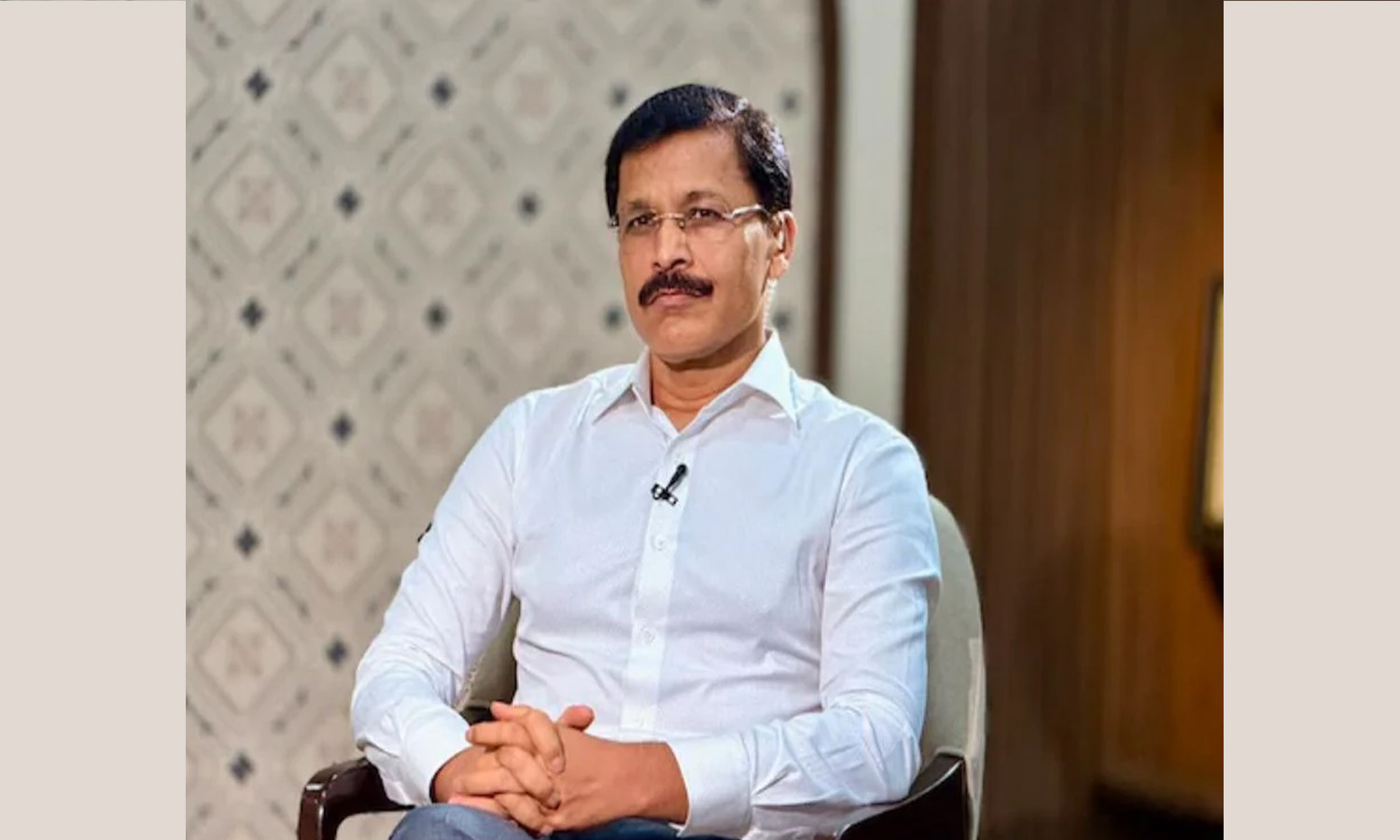
Maharashtra wants to make it easier to find where milk comes from.
The state plans to use a digital system within six months to a year.
Animals have ear tags with information about them.
Officials hope to compare that information with how much milk is produced.
This could help them find milk that may be unsafe or adulterated.
Inspectors have started checking hundreds of milk collection centres.
The FDA is also checking parts of the medicine supply chain and promoting healthy eating in schools.
Mundhe said consumers, businesses and government all need to help keep food safe.

Maharashtra expects to introduce a digital milk-tracking system within six months to a year.
The system would use animal ear-tag details and milk-production data to trace milk to its source.
The Food and Drug Administration has begun inspecting hundreds of milk collection centres across the state.
Commissioner Tukaram Mundhe said inspections and enforcement have prompted some centres and dairies to improve compliance.
Mundhe also described food-safety education initiatives and increased oversight of pharmacies and drug manufacturers.
- Who
- Maharashtra Food and Drug Administration Commissioner Tukaram Mundhe and FDA inspection teams.
- What
- The state plans digital tracking of milk from dairies and collection centres back to animals, alongside inspections for adulteration and safety compliance.
- Where
- Maharashtra, with Mundhe speaking at the India Today Conclave Mumbai 2026 in Mumbai.
- When
- The digital system is expected within six months to a year; inspections of milk collection centres began about 15 days before Mundhe's remarks.
- Why
- To reduce milk adulteration, identify unsafe milk, trace its source and improve food safety.
Public and regulatory case
Implementation considerations
Digital milk traceability
Public and regulatory case
Mundhe said matching tagged-animal details with milk production could help trace adulterated or unsafe milk and reduce adulteration.
Implementation considerations
The system is still proposed, with introduction expected within six months to a year; the articles do not describe objections, but the stated timeline indicates it has not yet been implemented.
Responsibility for food safety
Public and regulatory case
Mundhe said consumers should seek safe food and food businesses should comply with rules, with government agencies also involved.
Implementation considerations
He cautioned that food safety should not depend only on individual officers and called for a broader public effort.
Key facts
- Proposed launch window
- Six months to a year
- Tracking method
- Match animal ear-tag details and milk-production data using information from the Animal Husbandry Department
- Inspection focus
- Milk collection centres, including checks for adulteration, unsafe milk, collection practices, manufacturing and hygiene
- Inspections
- Teams were inspecting hundreds of milk collection centres across Maharashtra
- Education initiative
- The Eat Right School campaign encourages nutritious food and discourages junk food
- Pharmaceutical oversight
- FDA action includes pharmacies, manufacturing units and active pharmaceutical ingredient manufacturers
Quotes

Tukaram Mundhe
Maharashtra Food and Drug Administration Commissioner
“Over the next few months, possibly within six months to a year, we are going to use a digital system to track it down. Every animal is tagged with an ear tag, which contains its details. If we match those details with the milk produced, I think adulteration and unsafe milk will go down.”
 deccanchronicle.com
“About 15 days ago, we listed hundreds of milk collection centres where our teams are conducting inspections. We will trace the milk back to the farmer.”
deccanchronicle.com
Sources
Related news
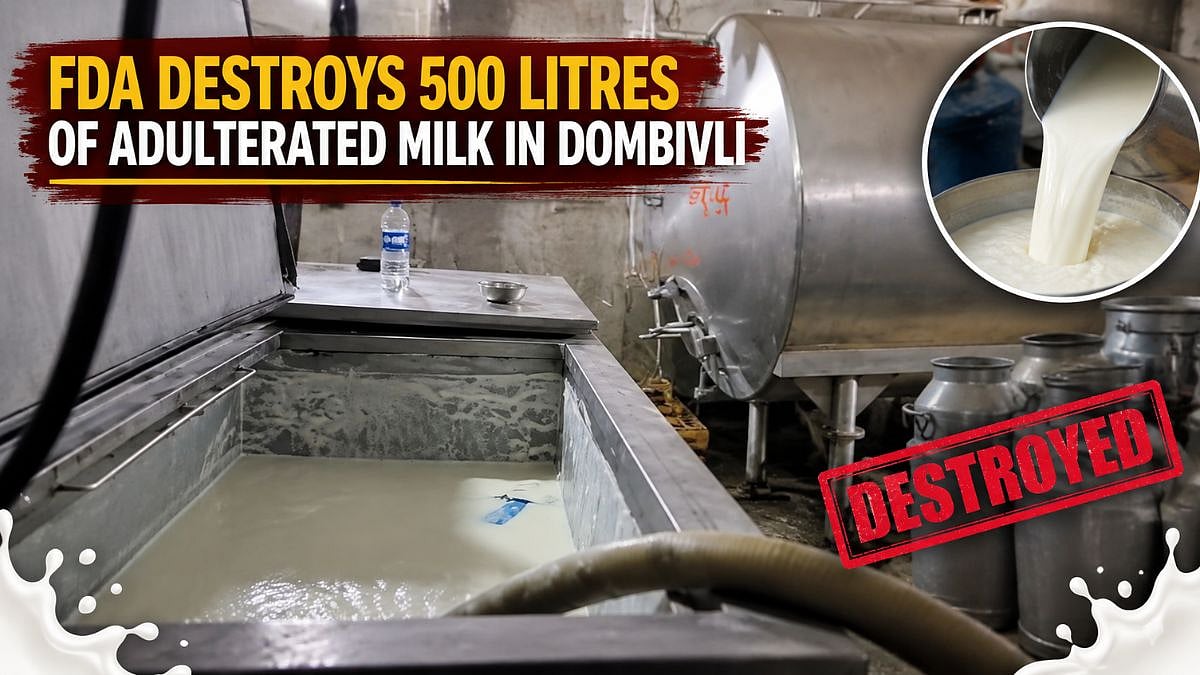
Maharashtra FDA Destroys 500 Litres of Suspected Adulterated Milk

Maharashtra FDA Takes Action Against Suspected Substandard Milk Products

Maharashtra FDA Seizes Adulterated Food Worth Rs 1.36 Crore
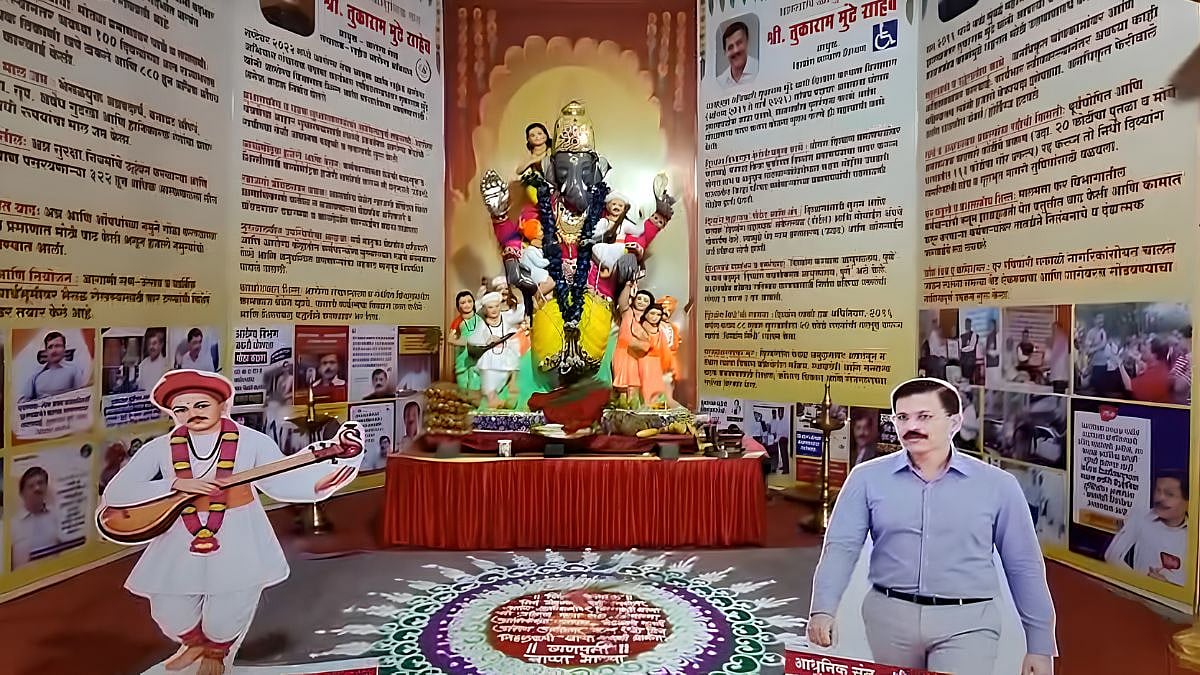
Navi Mumbai Ganpati Pandal Highlights Tukaram Mundhe’s Food Safety Work

India Needs Stronger Food Safety Enforcement in Every City
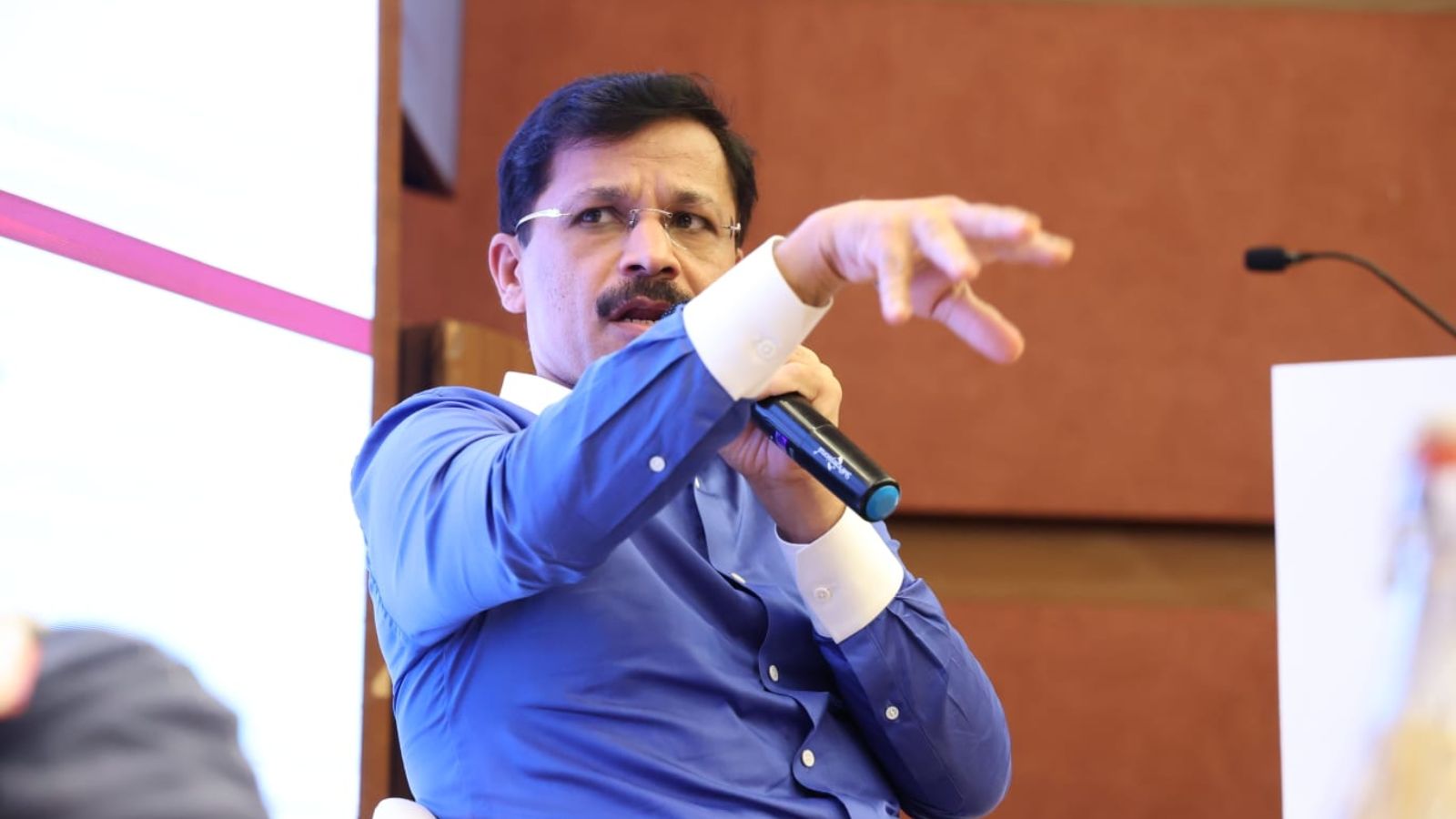
Maharashtra FDA Plans Broad Scrutiny of Dietary Supplements
Ajinkya Shinde Takes Lead in CJP Protest After Detentions

Kabaddi Championship Opens Amid Row Over Civic Funding
CJP Founder Detained as Grandmother Dies in Maharashtra

India’s 25-Minute Commute May Mask Unequal Job Access
