1 hr ago
India Needs Stronger Food Safety Enforcement in Every City

Officials reportedly found rotten meat and other unsafe food at several Bengaluru establishments.
This made the author ask how often less-famous kitchens are inspected.
The article says Maharashtra official Tukaram Mundhe has made restaurants more careful through strong enforcement.
Some businesses have reportedly cleaned kitchens and improved food storage because inspections may happen unexpectedly.
The author says every food seller should be registered and follow basic hygiene rules.
These rules include using safe water, washing hands, controlling pests and keeping raw food separate from cooked food.
The article also suggests giving restaurants public hygiene grades so customers can make informed choices.
It says regulators must be powerful but must also follow evidence, law and fair procedures.

Officials reportedly seized 132 kilograms of unfit food from five Bengaluru establishments, including 45 kilograms of rotten meat.
The article presents Maharashtra FDA Commissioner Tukaram Mundhe’s enforcement drive as a model for deterring food-safety violations.
Restaurants in Maharashtra have reportedly deep-cleaned kitchens, improved storage and reviewed compliance amid unpredictable inspections.
The author calls for universal registration, food-handler certification, hygiene standards and public inspection ratings for food businesses.
The article also stresses that enforcement must be evidence-based, lawful, consistent and subject to due process.
- Who
- Food-safety officials, food establishments, Maharashtra FDA Commissioner Tukaram Mundhe and the author, Mohan Murti.
- What
- Officials reportedly seized unsafe food in Bengaluru, prompting a call for stronger and more systematic food-safety enforcement across India.
- Where
- The reported seizures occurred at five establishments in Bengaluru, while the proposed reforms concern India, including Maharashtra.
- When
- The Bengaluru seizures were reportedly made this week; the article does not provide an exact date.
- Why
- The author argues that routine, unpredictable and transparent inspections are needed to prevent unsafe food from reaching consumers.
Stronger, More Visible Enforcement
Lawful and Accountable Enforcement
How to deter unsafe practices
Stronger, More Visible Enforcement
Routine, risk-based and unpredictable inspections, escalating penalties and licence action can make proprietors take food safety seriously before violations occur.
Lawful and Accountable Enforcement
Enforcement should not rely on administrative fear alone; inspections and penalties must be evidence-based, consistently applied and supported by statutory procedures.
Role of regulatory officials
Stronger, More Visible Enforcement
The article presents Tukaram Mundhe’s assertive enforcement in Maharashtra as an example of the deterrent presence India’s food system needs.
Lawful and Accountable Enforcement
The article argues that powerful regulators must remain constrained by law, with properly tested samples, due process and safeguards against arbitrary or unequal treatment.
Public transparency
Stronger, More Visible Enforcement
Public hygiene grades and inspection records could help consumers choose safer establishments and encourage businesses to improve.
Lawful and Accountable Enforcement
Any rating system should be transparent and based on reliable inspections, documented violations and recorded remedial action.
Key facts
- Reported Bengaluru seizure
- 132 kilograms of food deemed unfit for consumption were seized across five establishments.
- Rotten meat
- Officials reportedly found 45 kilograms of rotten meat at a fashionable Bengaluru pub in UB City.
- Maharashtra enforcement
- The Maharashtra FDA has reportedly revoked licences and seized prohibited food stocks during an enforcement drive.
- Proposed registration
- The article calls for every person commercially preparing food to be identifiable and registered.
- Suggested hygiene standards
- The proposed minimums include potable water, hand-washing, waste disposal, separation of raw and cooked food, pest control and appropriate refrigeration.
- Public ratings proposal
- Restaurants, hotels, caterers, canteens, cloud kitchens and street-food outlets would display inspection grades and related information through a QR code.
- Due-process concern
- The article notes that the Bombay High Court has questioned aspects of Maharashtra FDA enforcement, including alleged inconsistent treatment.
Sources
Related news
Maharashtra Food Safety Raids Expose Gaps Beyond Restaurant Compliance

Tukaram Mundhe’s Mumbai Food Safety Crackdown Draws National Attention

FSSAI Chief Backs Mundhe’s Maharashtra Food Safety Drive

India Expands Food-Safety Crackdown Across Kitchens, Dairies and Warehouses
Maharashtra FDA Explains When Restaurants Can Lose Licences

India Intensifies Food Safety Crackdown as Warning Labels Advance

Maharashtra To Issue Preliminary Drought Notification By Saturday

Sharad Pawar Backs Tata Trusts in Governance Dispute
El Nino Drives Drought-Like Conditions Across Karnataka, Maharashtra
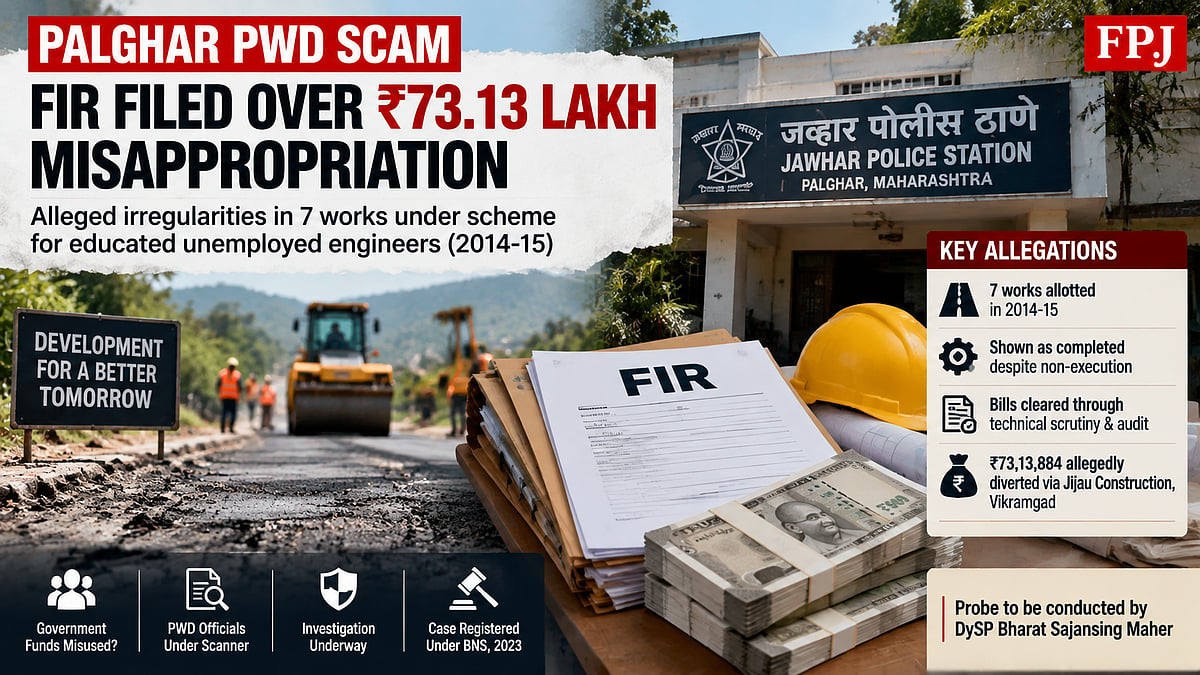
Palghar PWD Fund Misappropriation Case Probes Seven Alleged Works