

3 hrs ago
India’s 25-Minute Commute May Mask Unequal Job Access
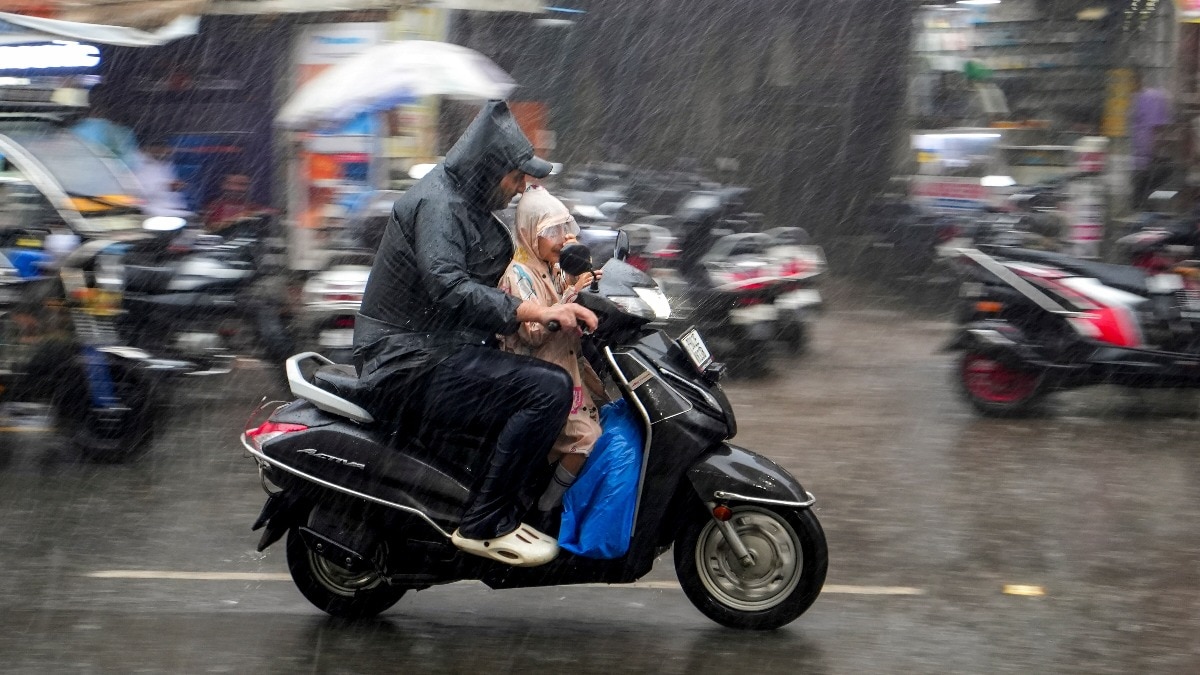
A survey found that many Indian workers get to work in about 25 minutes.
Most people use two-wheelers or walk, while trains and metros are used by a smaller share.
A short trip does not always mean that workers can easily choose any job they want.
Some people may choose nearby work because travelling farther costs too much or is difficult.
The survey also found that fewer working women than men travel more than one kilometre to work.
It does not explain why this difference exists.
More information about wages, job choices and travel costs would help show whether people are missing better opportunities.
The article says transport should help workers reach jobs they want, not only jobs close to home.

A National Statistics Office survey of more than 20 lakh people found that workers with fixed jobs take an average of 25 minutes to reach work.
Some 83.4% of workers reach work in under 30 minutes, but the figures alone do not show whether short commutes reflect good access or financial constraints.
Two-wheelers are the leading commuting mode at 42.6%, followed by walking at 28.3%; rail-based modes account for 2.1% nationally and 5% in cities.
The survey reports that 42% of working women travel more than 1 km to work, compared with 62% of men, without establishing the reasons for the difference.
The article says further evidence on wages, job choices and transport costs is needed to assess whether limited mobility restricts workers’ opportunities.
- Who
- Workers in India, as covered by the National Statistics Office travel survey.
- What
- The survey reports commute times and travel modes, raising questions about job access and transport costs.
- Where
- India, with urban rail commuting discussed nationally and in cities.
- When
- The article cites an October 9, 2026 post and discusses the survey; no survey date is specified.
- Why
- Short commutes may reflect limited affordable access to jobs farther away, but the survey figures alone do not establish that explanation.
What Short Commutes May Indicate
What the Figures Cannot Establish
Job access and spatial entrapment
What Short Commutes May Indicate
High travel costs or difficulty may keep some workers within a limited area and make nearby jobs a financial necessity.
What the Figures Cannot Establish
Commute times alone do not prove that workers accept lower wages or sacrifice career opportunities; evidence on earnings, job choices and transport spending is needed.
Women’s commuting distances
What Short Commutes May Indicate
The survey shows a difference: fewer working women than men travel more than 1 km to work, prompting questions about access and transport.
What the Figures Cannot Establish
The figures do not establish why the gap exists; household responsibilities, safety and transport availability are raised as possible factors for further examination.
Urban rail’s role
What Short Commutes May Indicate
The low reported share of rail commuting raises questions about how widely urban transport investments serve workers.
What the Figures Cannot Establish
Metro and suburban rail may improve connectivity on particular corridors, and their contribution depends on access, affordability and connections to stations.
Key facts
- Survey coverage
- More than 20 lakh people
- Average commute
- 25 minutes for workers with fixed jobs
- Under 30 minutes
- 83.4% of workers
- Leading travel modes
- Two-wheelers: 42.6%; walking: 28.3%; bicycles: 10.7%
- Rail-based commuting
- 2.1% nationally and 5% in cities
- Travel over 1 km to work
- 42% of working women and 62% of working men
Quotes
Markets by Zerodha
The Zerodha account that posted commentary on the travel survey.
“For millions of wage earners, a 25-minute commute isn't necessarily a sign of smooth traffic—it reflects 'spatial entrapment,' where high transit costs force low-income workers to settle for lower-paying jobs closer to home.”
 businesstoday.in
Sources
Related news

Two-Wheelers Lead Indian Commutes, but Time and Costs Vary
Survey Finds Few Indians Use Public Transport to Work

Survey Shows Two-Wheelers Lead Commutes, Buses and Trains Overnight
Mumbai Barber’s Earnings and Optimism Spark Online Debate

Women’s Representation Falls Sharply in India’s Middle Management

Cyberabad Plans Metro Corridor Study to Fix Last-Mile Gaps
India’s Industrial Output Hits 8% in August, Manufacturing Leads

India’s First District Labour Data Reveals Wide Regional Gaps

India Unemployment Falls to 5% as Rural Jobs Improve
