

1 week ago
Trump Orders Smaller U.S.-South Korea Drills, Citing Kim

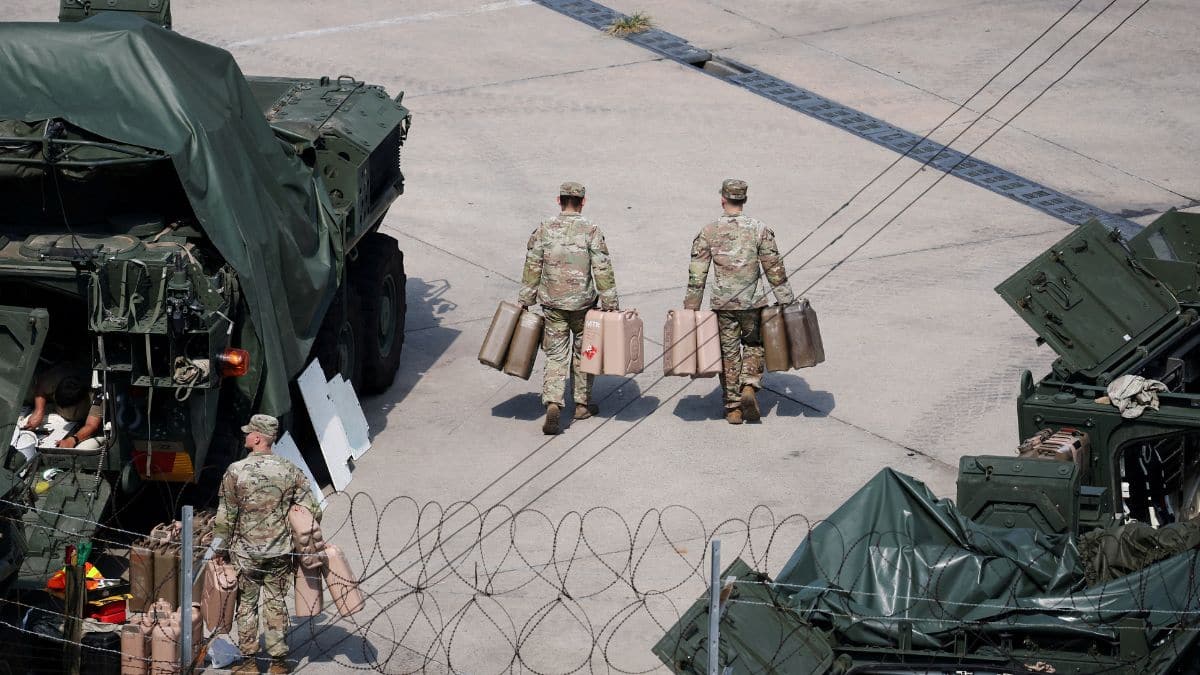
The United States and South Korea regularly hold military exercises to prepare for a possible attack from North Korea.
Donald Trump said he wanted these exercises made much smaller because he has a good relationship with North Korean leader Kim Jong Un.
He also said the drills cost too much and could make North Korea feel threatened.
The latest exercise ended six days earlier than planned.
South Korea also cut the number of field-training exercises in half.
North Korea said the changes did not make the drills acceptable.
It then fired about 10 short-range missiles toward the sea.
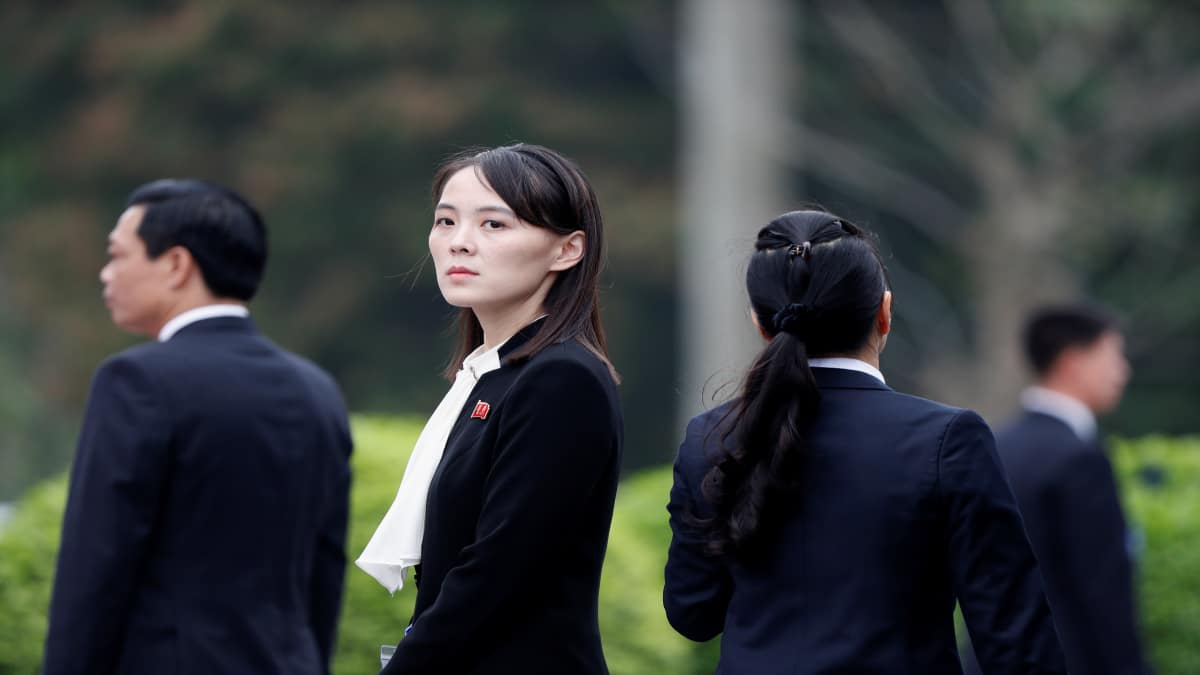
Trump said he hopes to meet Kim again, but Kim's sister said she did not know of any recent response from him.
The disagreement suggests that reducing military exercises may not be enough to restart talks.

Donald Trump ordered Pete Hegseth to substantially reduce joint military exercises with South Korea.
The Ulchi Freedom Shield exercise ended on August 21, six days earlier than scheduled.
South Korea said the 14 planned field-training exercises would be reduced by half.
North Korea called the scaled-back drills provocative and launched about 10 short-range ballistic missiles.
Trump said he expects to meet Kim Jong Un again, but Kim Yo Jong denied recent communication between the leaders.
- Who
- Donald Trump, Pete Hegseth, South Korea, North Korea, Kim Jong Un, and Kim Yo Jong.
- What
- The United States and South Korea shortened and reduced their annual Ulchi Freedom Shield military exercise.
- Where
- The military exercise took place between the United States and South Korea; North Korea launched missiles toward the sea.
- When
- The exercise ended on August 21, six days before its planned August 27 conclusion.
- Why
- Trump cited his relationship with Kim Jong Un, the cost of the drills, and concerns that they send a hostile signal to North Korea.
Supporters of Reduced Drills
Critics and North Korean Opponents
Effect on North Korea
Supporters of Reduced Drills
Trump said smaller exercises would avoid sending a hostile message to a North Korean government he described as respectful and unthreatening during his presidency.
Critics and North Korean Opponents
Kim Yo Jong said reducing the drills did not change their provocative and aggressive nature.
Military readiness
Supporters of Reduced Drills
Trump emphasized that the exercises are costly and that the United States pays a large share of the expenses.
Critics and North Korean Opponents
The reduction raised concerns that the United States and South Korea could weaken their readiness to respond to possible North Korean aggression.
Diplomatic prospects
Supporters of Reduced Drills
Trump presented the scaled-back exercise as a gesture that could help revive direct engagement with Kim Jong Un.
Critics and North Korean Opponents
North Korea rejected the gesture, launched missiles, and gave no indication that it would immediately return to nuclear negotiations.
Key facts
- Exercise
- Ulchi Freedom Shield
- Original schedule
- An 11-day exercise with a second phase planned through August 27
- Revised conclusion
- The exercise ended on August 21
- Field-training exercises
- The 14 planned exercises were reduced by half
- North Korean launches
- About 10 short-range ballistic missiles were fired toward the sea
- Trump's nuclear estimate
- Trump claimed North Korea has 57 nuclear weapons; the United States does not publicly provide an official figure
- Future meeting
- Trump said he expects to meet Kim Jong Un again this year
Quotes

Donald Trump
President of the United States
“Based on my very good relationship with Kim Jong Un, of North Korea, I was not happy with the fact that the United States had, long ago, agreed to participate in Joint Military Exercises with South Korea.”
 livemint.com
“Therefore, and based on the fact that it was too late to cancel, I instructed Secretary of War, Pete Hegseth, to substantially reduce the Joint Military Exercises!”
livemint.com
Sources
Related news

US-South Korea Military Drills Cut Short After Trump Order
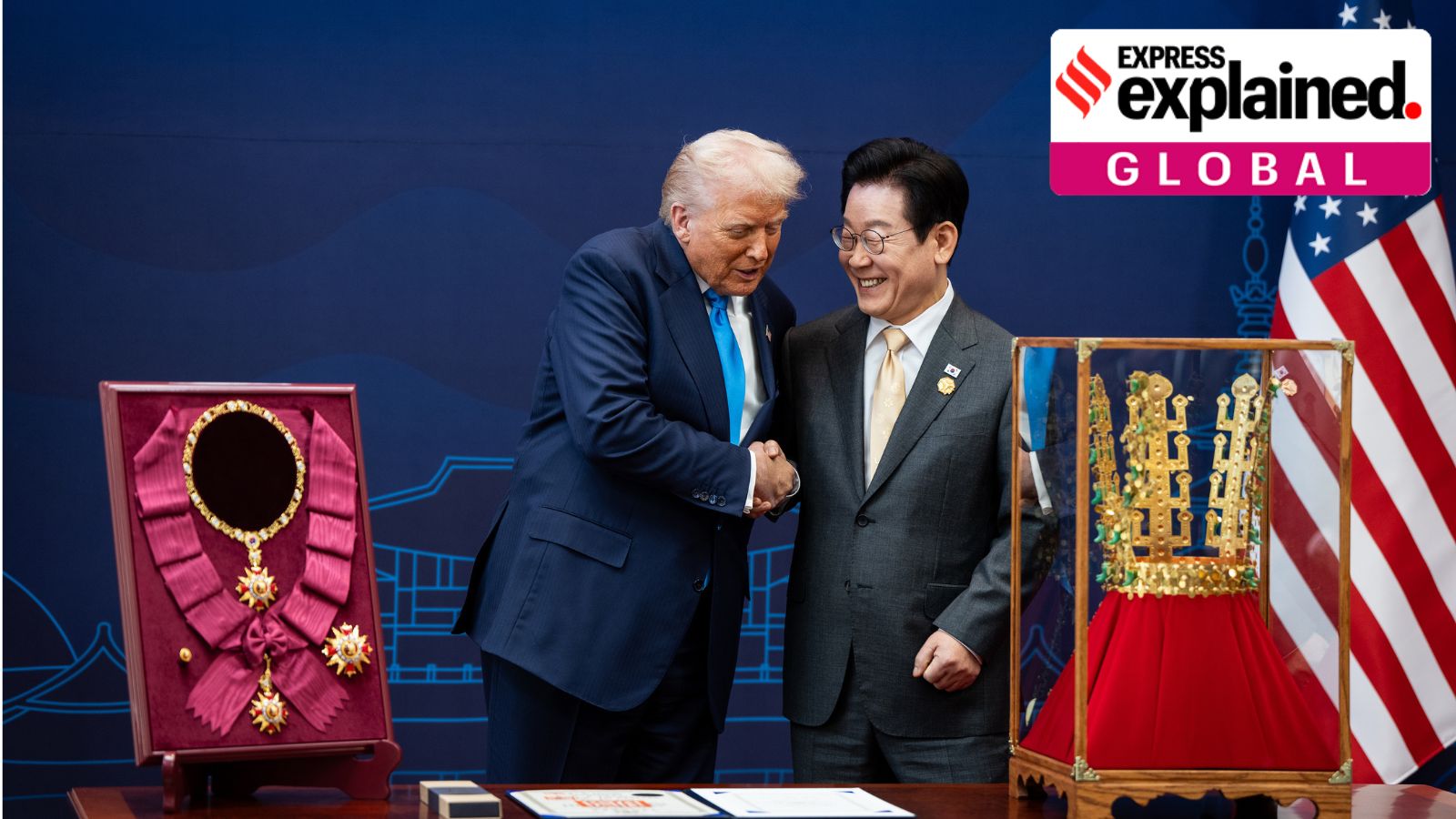
Trump announces cut to US-South Korea military drills
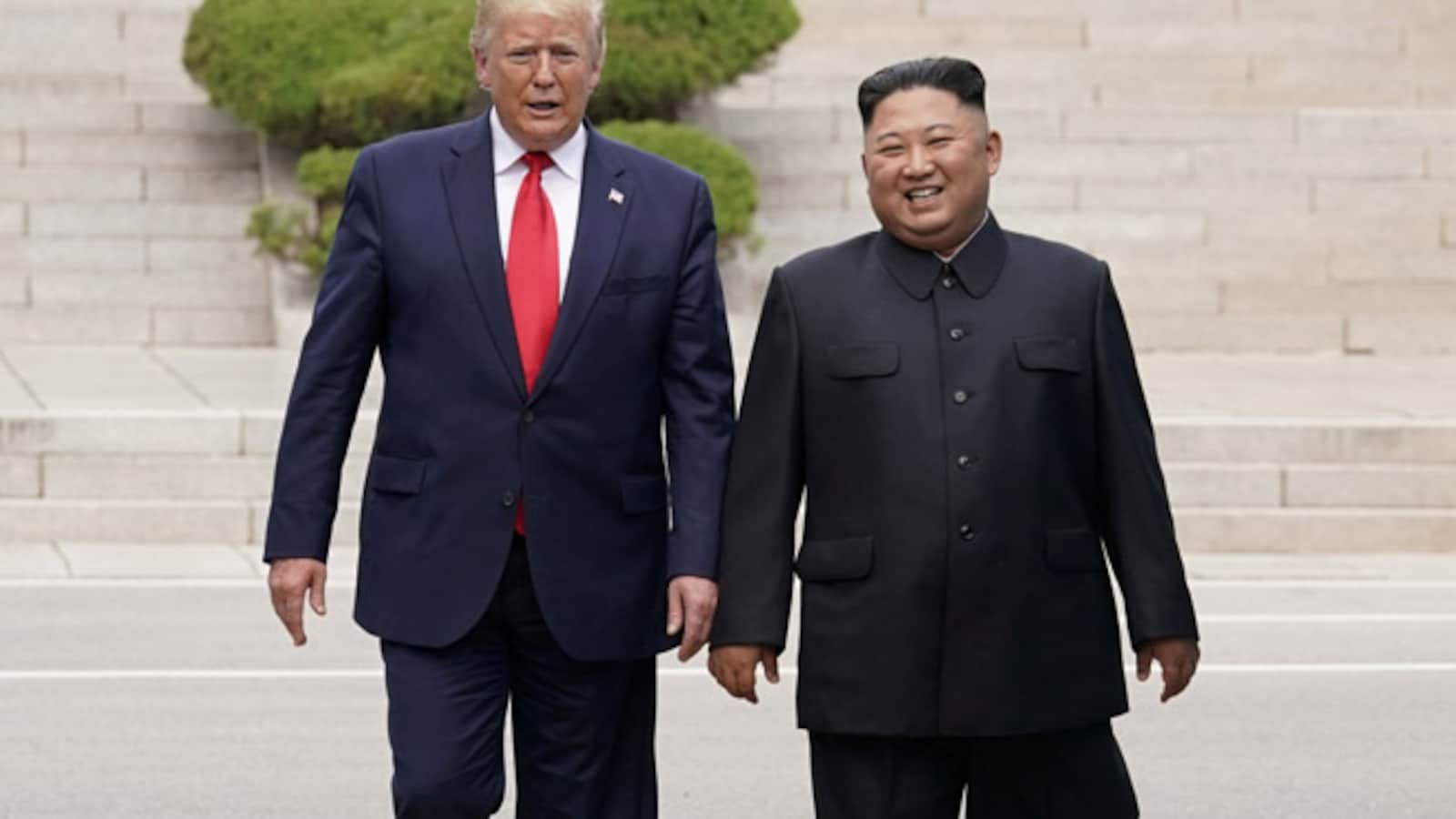
Trump Says Kim Jong Un Responded After Scaling Back Seoul Drills
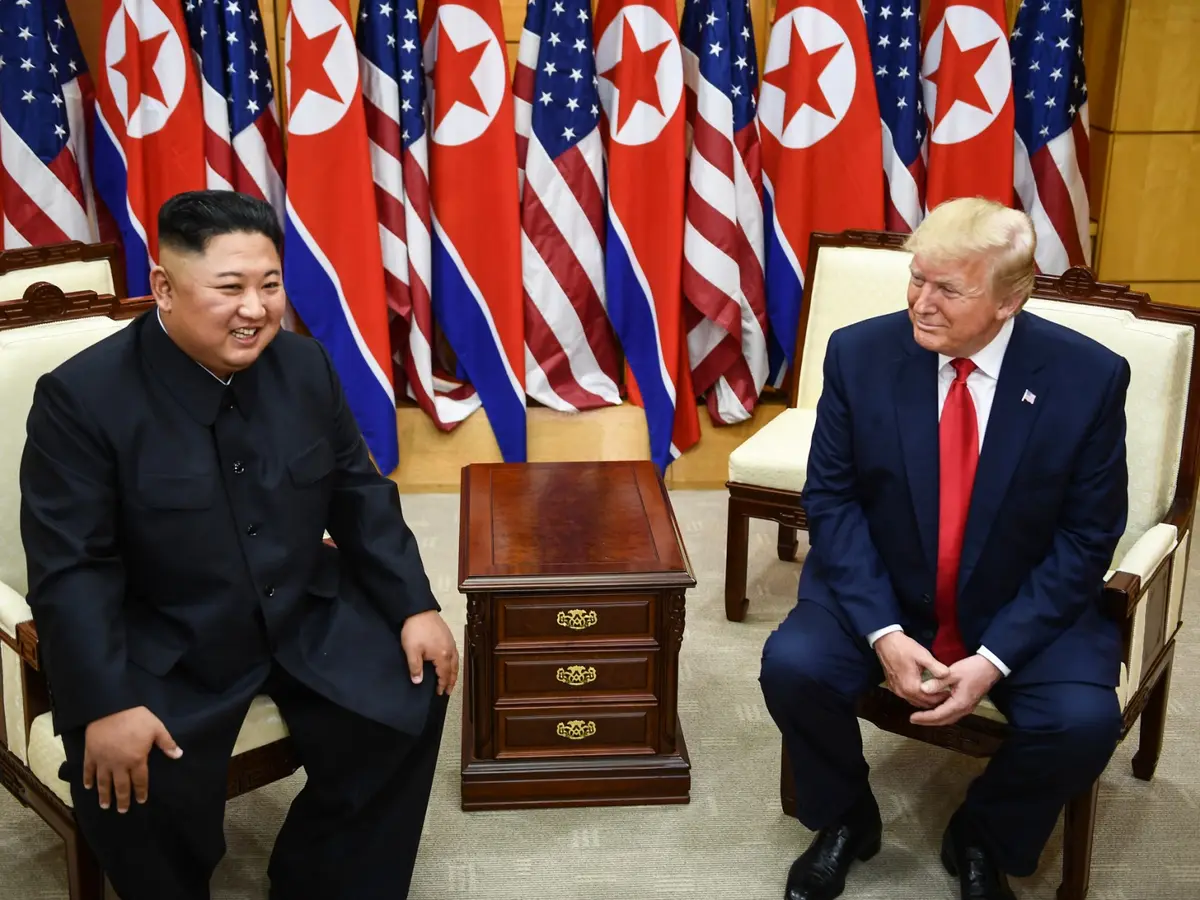
North Korea Condemns US-South Korea Drills Despite Trump Scale-Back
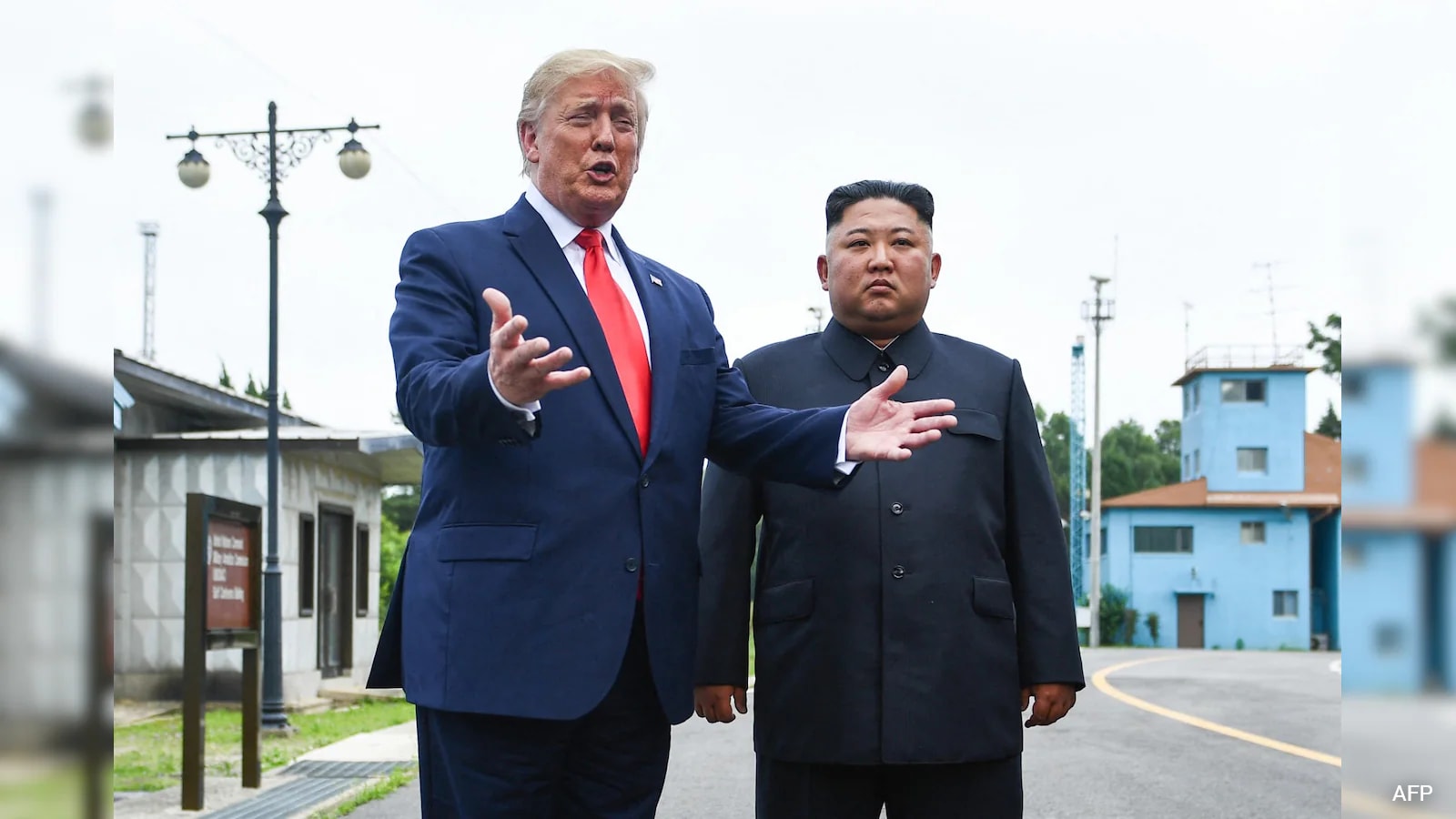
North Korea Fires Missiles, Mocks Seoul After Trump Scales Drills
Kim Yo Jong Dismisses Trump’s Reduced US-South Korea Drills
Seoul Says North Korea Prepares More Russia Troop Deployments
US–South Korea Military Drill Ends Six Days Early

North Korea Missile Barrage Spurs Urgent US, Seoul, Tokyo Talks