2 weeks ago
U.S., South Korea Shorten Drills Amid Trump Pressure
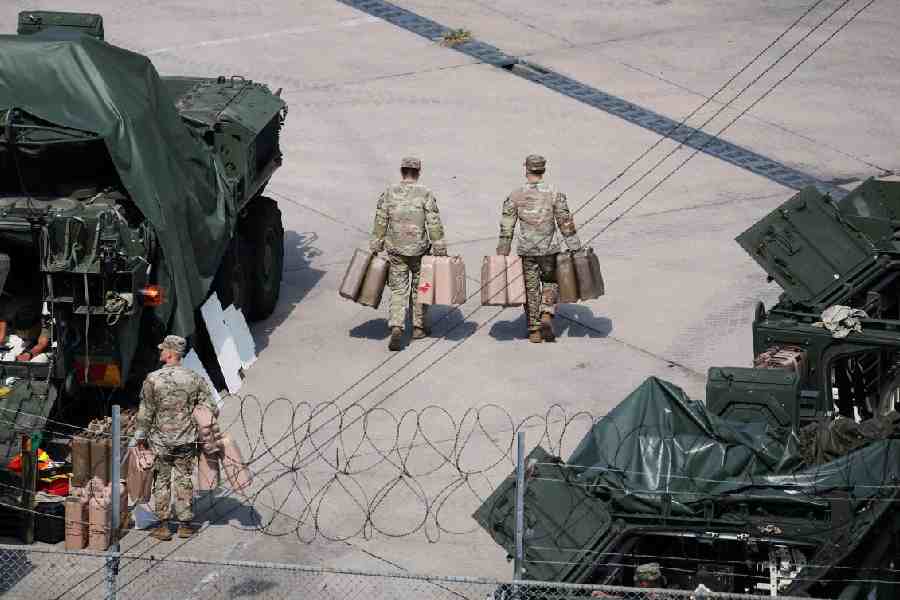
The United States and South Korea usually hold military exercises together.
This year, they shortened the exercises from 11 days to five.
Some outdoor training was reduced, canceled, or replaced with computer simulations.
The countries said they could still practice important skills and stay ready.
Donald Trump had ordered a major reduction in the U.S. role.
South Korea’s foreign minister said the decision might also be connected to disagreements about Iran and South Korean investment in the United States.
North Korea criticized the exercises and called them threatening.
The United States and South Korea say the exercises are defensive, while North Korea says they prepare for an invasion.
Reports also said Trump’s team may be trying to arrange another meeting with Kim Jong Un.

The United States and South Korea shortened Ulchi Freedom Shield from 11 days to five, ending it August 21 instead of August 27.
The allies scaled back field maneuvers, while some live-training events were canceled or replaced with simulations.
South Korea’s foreign minister said Donald Trump’s order may pressure Seoul over Iran and a proposed $350 billion U.S. investment.
North Korea condemned the exercises as threats but did not mention the reduction or issue a military response.
Washington and Seoul called the drills defensive and necessary for readiness, while Pyongyang described them as invasion rehearsals.
- Who
- The United States, South Korea, Donald Trump, North Korea, and Kim Jong Un are central to the report.
- What
- The allies reduced and shortened the Ulchi Freedom Shield military exercise, amid broader disputes involving Iran and South Korean investment in the United States.
- Where
- The exercises took place on the Korean Peninsula; related investment discussions concern the United States.
- When
- The exercise was shortened from August 17–27 to August 17–21; the announcement came on Wednesday.
- Why
- The United States proposed changes after Donald Trump ordered a substantial reduction in U.S. participation; South Korea’s foreign minister said the move may also pressure Seoul over Iran and investment.
U.S. and South Korean Position
North Korean Position and South Korean Concerns
Purpose of the exercises
U.S. and South Korean Position
Washington and Seoul say the drills are defensive and necessary to maintain readiness against North Korean military threats.
North Korean Position and South Korean Concerns
Pyongyang calls the exercises rehearsals for an invasion and says they increase tensions on the Korean Peninsula.
Reason for reducing the drills
U.S. and South Korean Position
A U.S. Department of Defense official said the changes preserve essential readiness and do not degrade U.S. training objectives.
North Korean Position and South Korean Concerns
South Korean Foreign Minister Cho Hyun said Trump’s order appeared partly intended to pressure Seoul over the Iran war, the investment plan, and other unresolved issues.
Effect on diplomacy
U.S. and South Korean Position
Trump has sought renewed contact with Kim Jong Un, and reports said aides were trying to arrange an in-person meeting.
North Korean Position and South Korean Concerns
North Korea condemned the drills but issued a commentary rather than a senior-official statement or military show of force; a researcher said this may leave room for diplomacy.
Key facts
- Exercise
- Ulchi Freedom Shield
- Revised duration
- August 17–21, reduced from 11 days to five
- Training changes
- Some field maneuvers and live-training events were reduced, canceled, or shifted to simulations
- Investment issue
- South Korea has pledged $350 billion in investment in the United States under a trade deal
- South Korean position
- President Lee Jae Myung said the exercises are defensive and not intended to attack North Korea
- North Korean response
- North Korea called the United States and South Korea “warmongers” and said it would continue exercising its right to self-defense
- Possible diplomacy
- The Wall Street Journal reported that Trump had pushed aides to arrange an in-person meeting with Kim Jong Un
Quotes
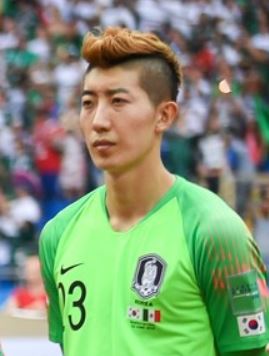
Cho Hyun
South Korean Foreign Minister
“"I think President Trump's message includes pressure over several pending issues concerning the South Korean government, as well as a message to North Korea and an intention by the United States to break a stalemate in the Iran war."”
 telegraphindia.com
Sources
Related news

US-South Korea Military Drills Cut Short After Trump Order
Trump announces cut to US-South Korea military drills

Trump Orders Smaller U.S.-South Korea Drills, Citing Kim
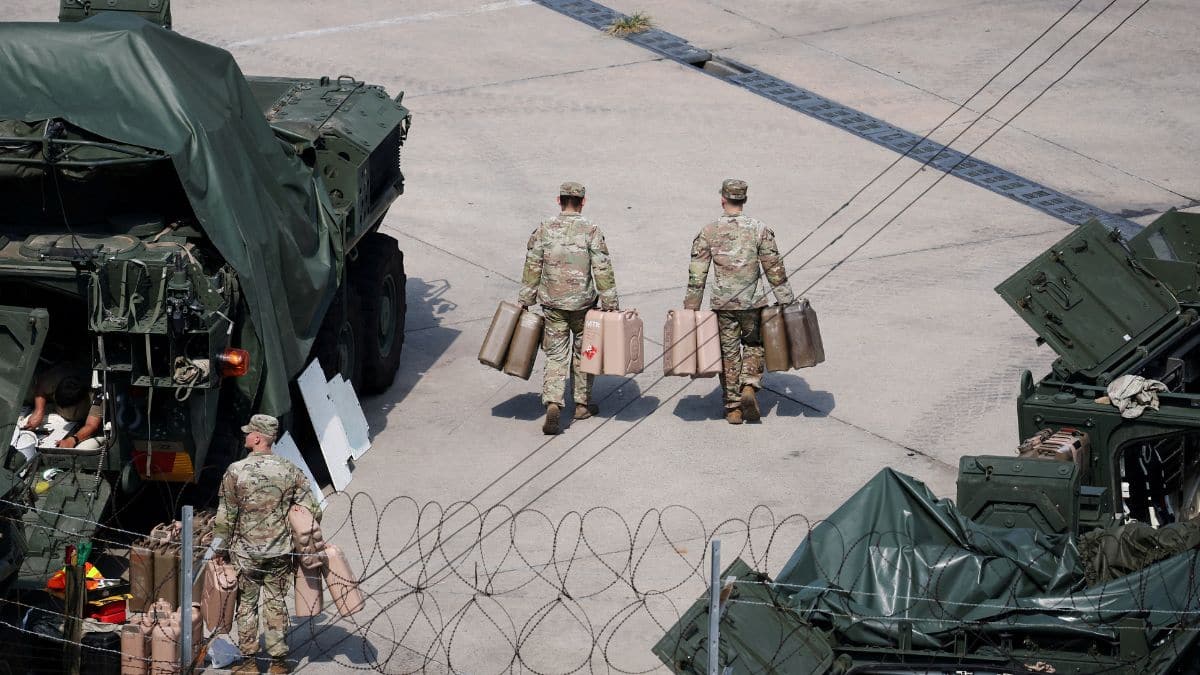
US–South Korea Military Drill Ends Six Days Early
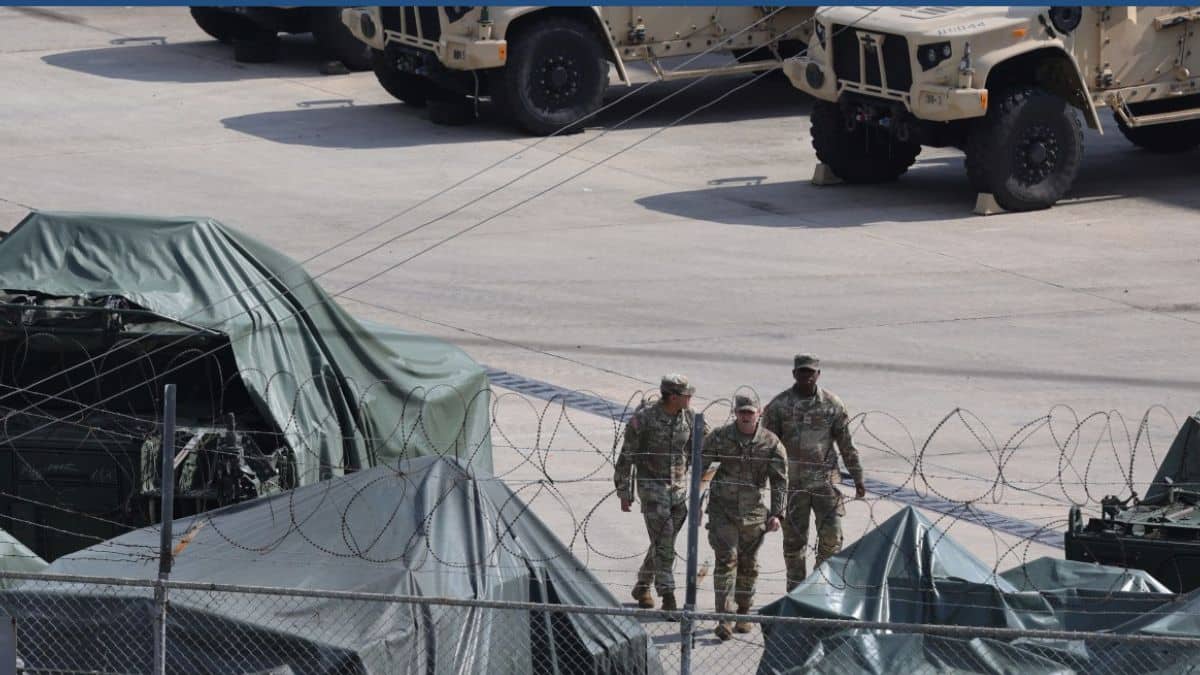
US Cancels South Korea Marine Drill Amid Iran War
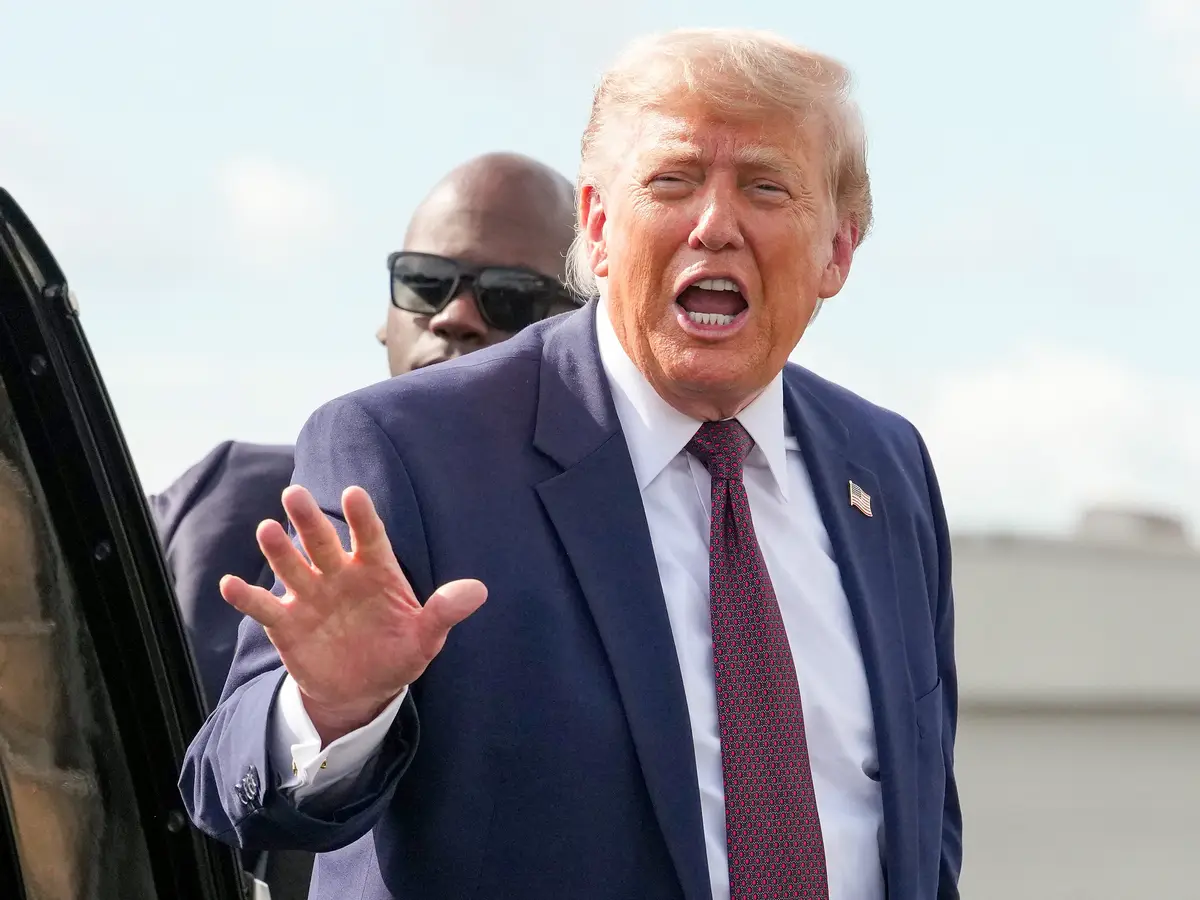
Reed Slams Trump's Downsizing of US-South Korea Military Drills
Jaishankar Holds Bilateral Meetings With SCO Foreign Ministers

Modi, Xi Handshake Signals Cautious India-China Diplomatic Thaw

India-China Talks Show Signs of Border Ties Stabilizing
Nepal Floods Spur Global Aid as Death Toll Nears 800
Xi Jinping Arrives in Kyrgyzstan for SCO Summit