1 week ago
India Tightens Scrutiny of Food Labels and Health Claims

India’s food regulator is checking whether companies make food products sound healthier or purer than they really are.
It objected to claims such as “100% pure,” “100% natural” and “Heart Pro” because they may be difficult to prove or easy to misunderstand.
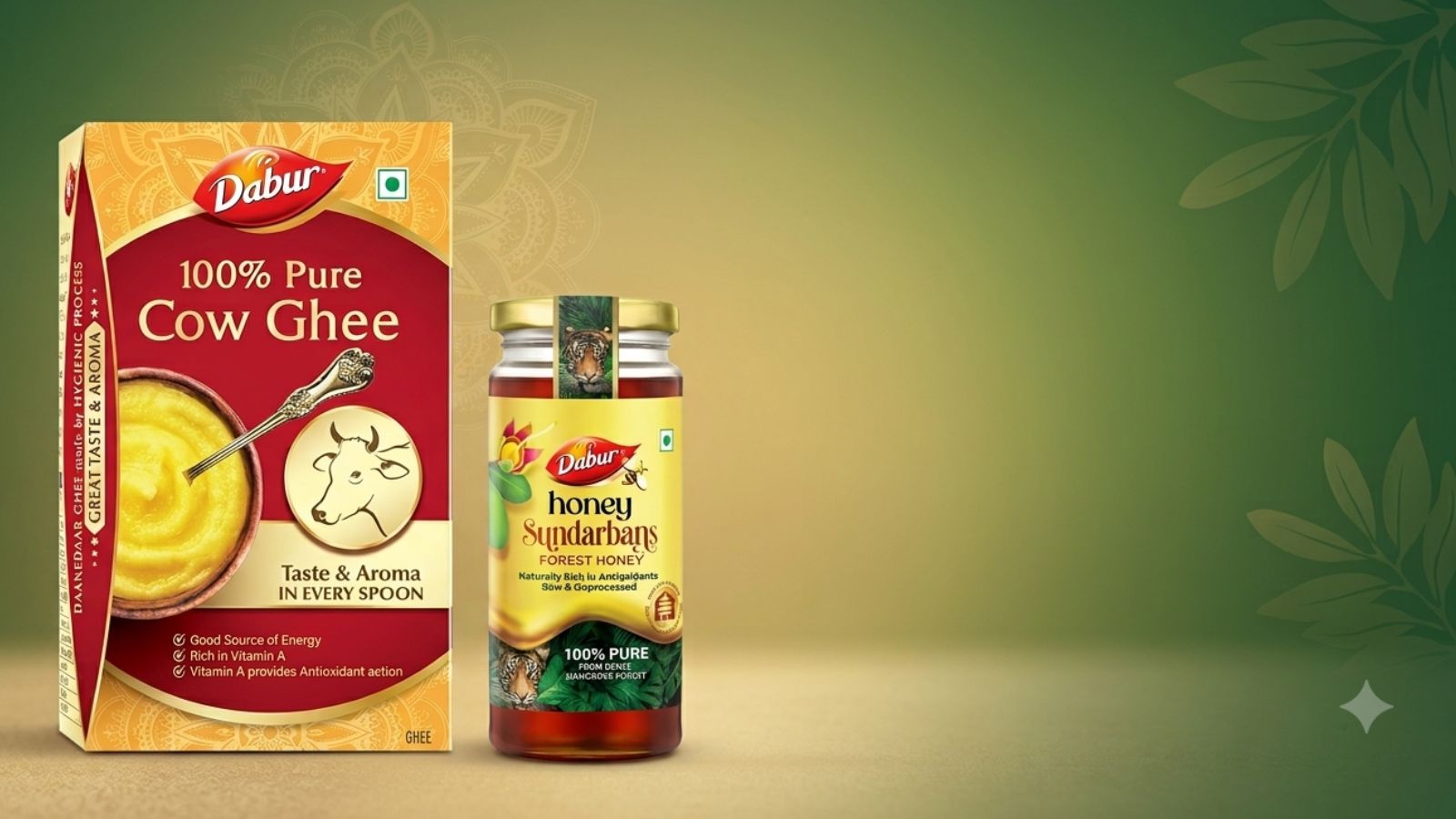
Dabur challenged the regulator’s order and received a temporary stay from the Delhi High Court.
Other companies have also been asked to change labels or provide better evidence for their claims.
Some businesses have already withdrawn claims, changed trademarks or removed products.
Experts say a food can be safe without being especially healthy.
They also explain that “organic” mainly describes how food is produced, not whether it is low in sugar or fat.
Consumers are advised to read the ingredients and nutrition information on the back of packages.
The Supreme Court has separately pressed FSSAI to decide on warning labels for foods high in sugar, fat and sodium.

FSSAI ordered Dabur to stop using several “100%” claims on food products, saying they could mislead consumers.
The Delhi High Court granted Dabur an interim stay, while FSSAI continued a broader enforcement campaign against misleading labels.
FSSAI also issued Marico a show-cause notice over the “Heart Pro” claim on Saffola Total Heart Pro-Multi Source Cooking Oil.
Several companies changed, withdrew or delisted claims and labels after receiving notices from FSSAI.
Experts urged consumers to rely on ingredient lists, nutrition panels, certifications and serving sizes rather than front-of-pack marketing.
- Who
- The Food Safety and Standards Authority of India, food companies including Dabur and Marico, courts, and nutrition experts.
- What
- FSSAI is increasing scrutiny of food marketing claims, product labels and proposed front-of-pack warning labels.
- Where
- India, including proceedings before the Delhi High Court, Bombay High Court and Supreme Court.
- When
- The actions described occurred during the past year, including notices in June, a May advisory, an August 19 update and recent court proceedings.
- Why
- FSSAI says claims such as “100% pure,” “natural” and “Heart Pro” may be ambiguous, inadequately substantiated or misleading to consumers.
Regulatory and Consumer Protection View
Industry and Legal Challenge View
Use of “100%” Claims
Regulatory and Consumer Protection View
FSSAI and nutrition experts say “100% pure” and “100% natural” are undefined or difficult to verify under Indian regulations and may create a misleading health halo.
Industry and Legal Challenge View
Dabur challenged the regulator’s order in court and obtained an interim stay, indicating that the company is contesting the immediate enforcement action.
Health-Related Marketing
Regulatory and Consumer Protection View
FSSAI says claims such as “Heart Pro” may imply that consuming a product automatically provides heart-health benefits without sufficient scientific support displayed to consumers.
Industry and Legal Challenge View
The article does not report Marico’s response to the show-cause notice, but the notice gives the company an opportunity to address the regulator’s concerns.
Front-of-Pack Warning Labels
Regulatory and Consumer Protection View
The Supreme Court has pressed FSSAI to act on warning labels that would identify high sugar, fat and sodium content in packaged foods.
Industry and Legal Challenge View
FSSAI has reportedly expressed concern that such warnings could apply broadly to traditional foods and products made by small, micro and medium enterprises.
Key facts
- Regulator
- Food Safety and Standards Authority of India (FSSAI)
- Dabur products cited
- Honey, apple cider vinegar, virgin coconut oil, sesame oil, cow ghee, coconut water and coconut milk, among others
- Dabur court development
- The Delhi High Court granted Dabur an interim stay on FSSAI’s order
- Marico claim under scrutiny
- “Heart Pro” on Saffola Total Heart Pro-Multi Source Cooking Oil
- Claims study
- LabelBlind analysed 5,058 claims across 586 packaged food products
- Study findings
- 21.3% of claims were classified as non-compliant and 12.3% required further substantiation or brand verification
- Front-of-pack labels
- The Supreme Court gave FSSAI two weeks to place a decision on warning labels for high sugar, fat and sodium
Quotes
Vaishali Verma
Chief dietician, diabetes educator and metabolic nutrition expert at Park Hospital, Gurugram.
“Earlier, compliance was largely about licensing, hygiene, manufacturing practices, and testing finished products. But today the conversation also includes labels, nutrition claims, advertisements, contaminants, and consumer communications. A food label is no longer just packaging. It’s becoming a scientific and legal document.”
 financialexpress.com
“Food labels should be treated as information, not advertising.”
financialexpress.com
Sources
Related news
Dabur told to drop '100% natural' claims after FSSAI order

Delhi High Court Stays FSSAI Ban on Dabur '100%' Claims

Delhi High Court stays FSSAI ban on Dabur's '100%' claims

Six Food Companies Withdraw “100%” Claims After FSSAI Action
FSSAI Cracks Down as Bournvita Withdraws Health Claims

PUCL Urges CJI Action Over Rajasthan High Court Allegations

Supreme Court Questions IPS Deputation for CAPF Leadership Positions

Supreme Court Quashes 20-Year Conviction, Reaffirms Juvenile Legal Protections

Two Years After RG Kar Doctor's Rape-Murder, Case Remains Unresolved

ED widens Chhattisgarh probes with two arrests and searches