3 weeks ago
Dabur told to drop '100% natural' claims after FSSAI order
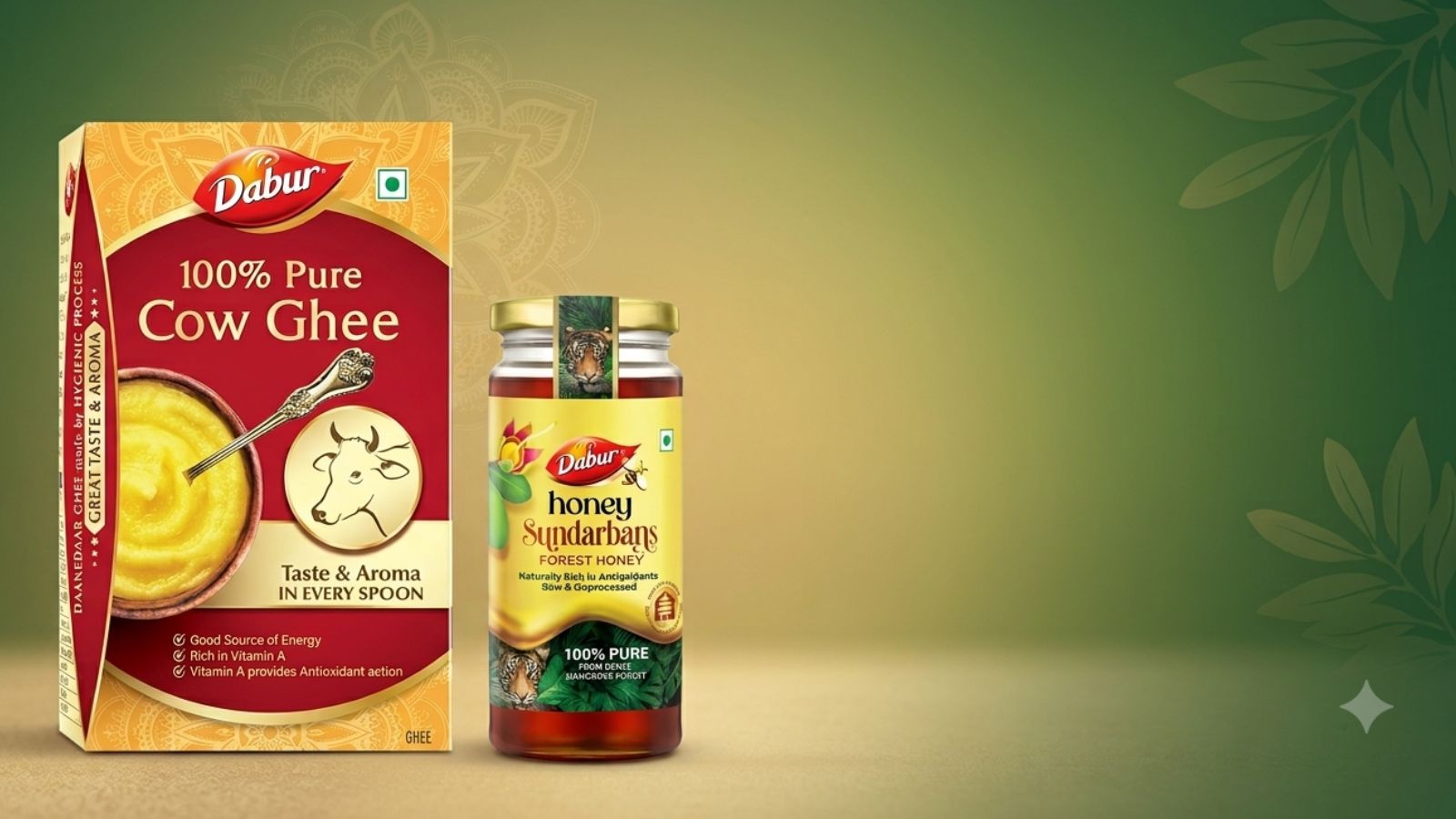
A food safety group in India, called FSSAI, told a company named Dabur to stop writing things like "100% pure" and "100% natural" on some of its food packages, including honey, coconut milk and ghee.
The group is not saying that these foods are bad, unsafe or fake.
It just thinks these big promises can trick people into believing the food is better than it really is.
There is no scientific rule that says what "100% natural" even means, because almost every packaged food is changed during processing to keep it safe and fresh.
Even honey is cleaned, filtered and heated before it reaches the shop.
"Natural" does not always mean healthy — honey is mostly sugar, and ghee and coconut milk are full of a type of fat called saturated fat.
Natural things are not always safe either, because even natural foods can be harmful if you eat too much.
The best way to know what you are eating is to read the ingredient list and nutrition facts on the packet.
Science, not fancy marketing words, should help us choose our food.

FSSAI directed Dabur to discontinue "100 per cent" claims on products including honey, coconut milk and cow ghee.
FSSAI has not declared these products unsafe, adulterated or of poor quality.
In May 2025, FSSAI issued an industry-wide advisory asking food businesses to avoid "100 per cent" claims because the term is not defined under Indian food regulations.
There is no universally accepted scientific definition of "100% natural" for packaged foods, as processing modifies most products before they reach shelves.
"Natural" does not automatically mean healthy — honey is predominantly sugar, while ghee and coconut milk are rich in saturated fat.
- Who
- FSSAI (Food Safety and Standards Authority of India) directed India's Dabur company; the analysis is authored by Dr Bhattacharya, senior consultant in endocrinology at Apollo Hospital, Delhi.
- What
- FSSAI ordered Dabur to discontinue "100 per cent" claims on honey, coconut milk and cow ghee because such absolute claims are not defined under regulations and may mislead consumers.
- Where
- India.
- When
- The directive recently drew attention; in May 2025 FSSAI had already issued an industry-wide advisory against "100 per cent" claims.
- Why
- Absolute claims like "100% pure" or "100% natural" imply complete purity or nutritional superiority that current regulations and science do not uniformly support.
Key facts
- Regulator
- FSSAI (Food Safety and Standards Authority of India)
- Company directed
- Dabur
- Products affected
- Honey, coconut milk, cow ghee
- Claims discouraged
- "100% natural", "100% pure", "100% purity guaranteed", "100% organic"
- Prior advisory
- Industry-wide advisory issued in May 2025
- Article author
- Dr Bhattacharya, senior consultant, endocrinology, Apollo Hospital, Delhi
- Other flagged terms
- "Chemical-free", "toxin-free", "immune boosting", "superfood"
Sources
Related news
India Tightens Scrutiny of Food Labels and Health Claims
Delhi High Court Stays FSSAI Ban on Dabur '100%' Claims

Delhi High Court stays FSSAI ban on Dabur's '100%' claims

Six Food Companies Withdraw “100%” Claims After FSSAI Action
FSSAI Cracks Down as Bournvita Withdraws Health Claims
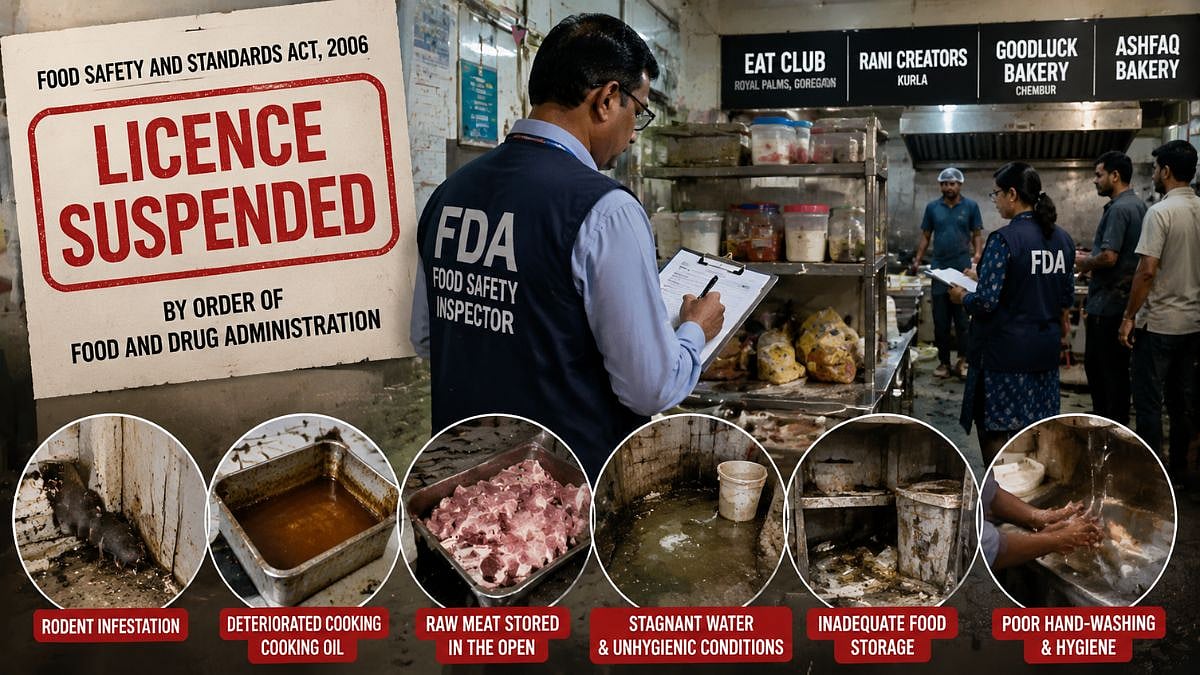
Mumbai FDA Suspends Two Food Licences, Flags Two More
India’s Proposed Food Warning Labels Face Health, Industry Backlash

FSSAI Chief Backs Mundhe’s Maharashtra Food Safety Drive

Egg prices surge 10-50% in six months, consumers concerned about adulteration

Cockroach Allegedly Spotted On Dessert Plate At Virar Restaurant