4 days ago
India Weighs Russian Arctic LNG as Sanctions Constrain Expansion
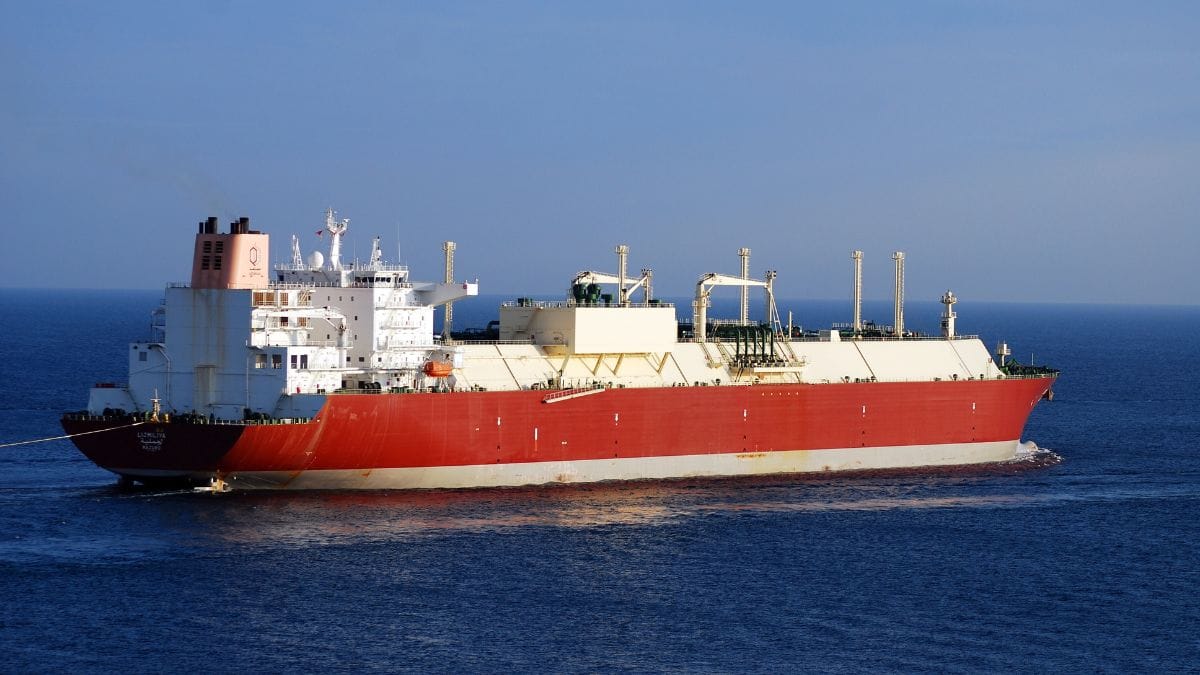
India uses a lot of imported gas and expects to need much more in the future.
It wants gas to become a larger part of its energy supply by 2030.
Russia has large gas projects in the Arctic that could provide some of this fuel.
One major project, Yamal LNG, is not covered by blocking sanctions.
Other Russian projects, including Arctic LNG 2, are sanctioned by the United States.
India recently refused a shipment that was identified as coming from a sanctioned Russian project.
India says it is not ready to buy sanctioned LNG, although it is still discussing fuel from projects without those restrictions.
Sanctions, shipping, insurance and India’s relationship with the United States are making a larger deal difficult.

India wants to increase natural gas’s share of its energy mix from roughly 6% to 15% by 2030.
The country imports about 27–30 million tonnes of LNG annually through seven regasification terminals.
Russia’s Yamal LNG is not under blocking sanctions, while Arctic LNG 2 and Gazprom LNG Portovaya face restrictions.
Indian authorities rejected a tanker carrying LNG identified as coming from sanctioned Gazprom LNG Portovaya.
India continues discussing non-sanctioned Russian LNG, but political and logistical risks have delayed long-term contracts.
- Who
- India, Russia, Russian LNG producers and Indian energy officials are involved.
- What
- India is considering greater purchases of Russian Arctic LNG while avoiding sanctioned supplies.
- Where
- The LNG projects are in Russia’s Arctic, while the rejected cargo was bound for Dahej, Gujarat, and was held near Singapore.
- When
- The issue returned to the bilateral agenda in summer 2026; a disputed shipment was identified in spring 2026.
- Why
- India expects LNG demand to grow, but sanctions and related payment, insurance and shipping concerns complicate purchases.
Sanctions Caution
Arctic Energy Expansion
Buying sanctioned LNG
Sanctions Caution
India says it is not prepared to purchase sanctioned Russian LNG and rejected a cargo identified as originating from a sanctioned project.
Arctic Energy Expansion
The article says Asian countries have worked with additional sanctioned projects when payment, insurance, tanker arrangements and economics were workable.
Long-term Russian contracts
Sanctions Caution
India’s strategic relationship with the United States and the risks surrounding sanctions make long-term contracts politically sensitive.
Arctic Energy Expansion
India’s rising gas demand and Russia’s large Arctic resource base create grounds for closer energy ties and additional supply routes.
Available Russian supply
Sanctions Caution
Sanctions have delayed Arctic LNG 2 shipping and construction, while Yamal LNG’s output was largely bought by European purchasers in the first half of 2026.
Arctic Energy Expansion
Yamal LNG is not under blocking sanctions, and India already has a long-term contract connected to Gazprom Group, leaving room to expand non-sanctioned purchases.
Key facts
- India’s gas target
- Raise gas’s share of the energy mix from roughly 6% to 15% by 2030.
- Projected LNG demand
- The International Energy Agency projects Indian LNG demand could reach 40–50 million tonnes annually.
- Current imports
- India imports roughly 27–30 million tonnes of LNG per year.
- Import infrastructure
- Seven regasification terminals have combined capacity of about 48 million tonnes annually.
- Yamal LNG capacity
- The project has designed capacity of 17.4 million tonnes per year.
- Arctic LNG 2 capacity
- The project has combined capacity of around 20 million tonnes per year.
- Existing Indian contract
- GAIL has a long-term contract for roughly 2.9 million tonnes annually with a Gazprom Group trading arm.
Sources
Related news
Russia Says It Will Supply India Oil Despite Sanctions

India’s LNG Import Bill Jumps Amid Higher Prices, Freight Costs
India Turns to United States as Hormuz Crisis Hits Supplies
Russian Envoy Vows Oil Supplies Amid Western Sanctions

India Turns to US Energy Supplies as Gulf Shipments Disrupt
India Reports LPG, CNG, PNG Rates Amid Supply Shift

Ukraine Strikes Two Russian Arctic Gas Processing Plants
Putin's Kuril visit deepens Russia-Japan rift as India watches

BPCL secures global LNG and crude deals
Helicopter Crash Kills Russian Transport Tycoon