1 week ago
India Turns to US Energy Supplies as Gulf Shipments Disrupt

India usually buys much of its cooking gas and natural gas from nearby Gulf countries.
A war involving Iran and the United States disrupted shipping through the Strait of Hormuz.
Because Gulf supplies became harder to obtain, India bought more LPG and LNG from the United States.
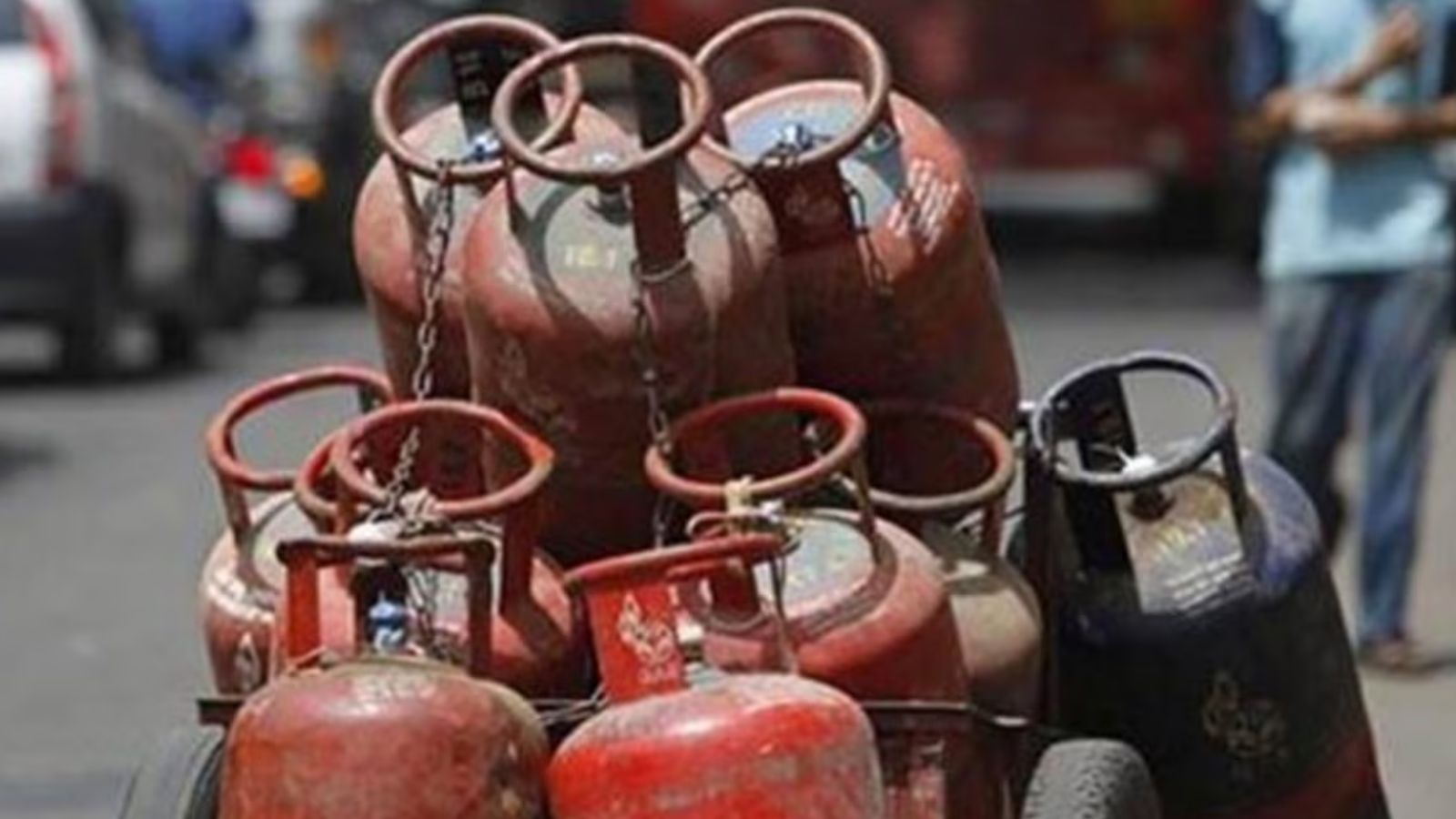
US LPG imports reached about 0.89 million tonnes in July and 0.62 million tonnes in August.
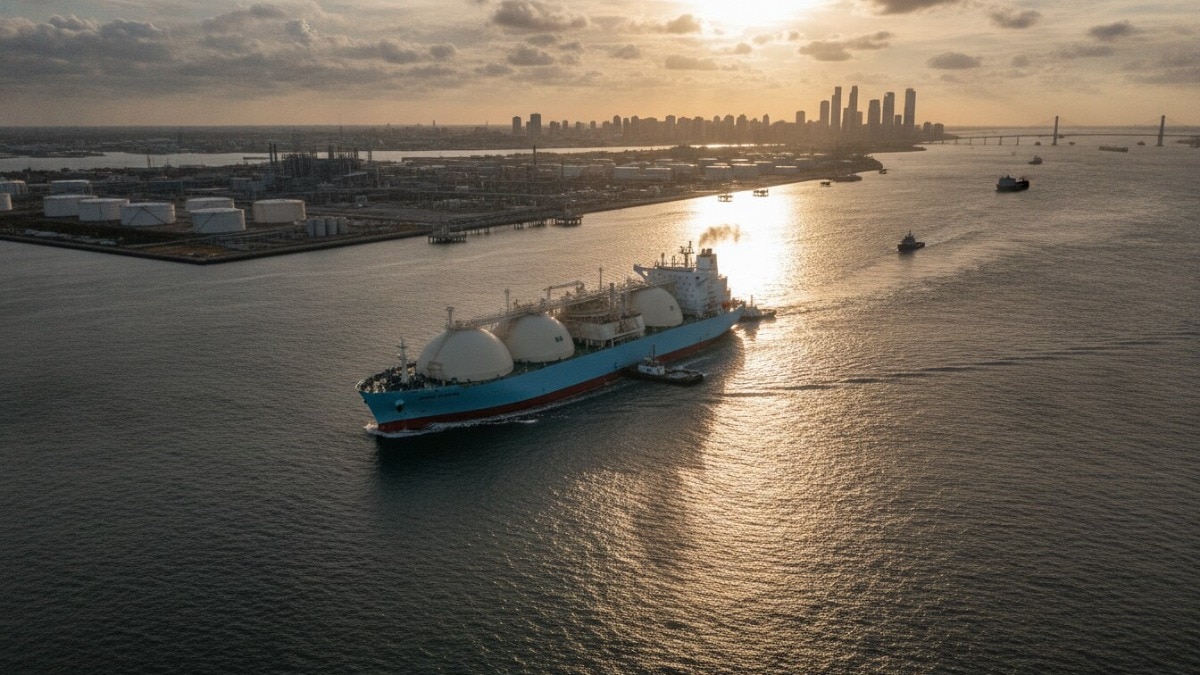
US LNG imports also rose in August.
An energy analyst said this was mainly a response to limited Gulf supplies, not simply a planned switch to America.
Buying from farther away costs more because ships travel longer distances and insurance and fuel prices are higher.
India is also diversifying its crude oil sources, but Russia remains its biggest crude supplier.

India imported about 0.89 million tonnes of US LPG in July and 0.62 million tonnes in August.
Gulf LPG supplies fell sharply, with UAE shipments at about 140,000 tonnes and Qatar’s at 60,000 tonnes in August.
US LNG imports rose to about 0.75 million tonnes in August, while Qatar’s supplies fell to zero in April.
Longer voyages, higher freight, insurance and commodity costs are increasing India’s energy import expenses.
Russia remained India’s largest crude supplier, while Venezuelan and UAE supplies supported broader diversification.
- Who
- India, its energy importers, the United States, Gulf suppliers, Russia and Venezuela.
- What
- India increased US LPG and LNG purchases as Gulf energy shipments were disrupted, while diversifying crude supplies.
- Where
- Energy cargoes were affected around the Strait of Hormuz, with supplies arriving in India from the United States and other regions.
- When
- The reported changes mainly concern July and August, with Qatar’s LNG imports falling to zero in April.
- Why
- The conflict involving Iran and the United States constrained traditional Gulf supplies and forced India to seek replacement cargoes and greater supply security.
Supply Security and Diversification
Cost and Strategic Caution
Why India increased US purchases
Supply Security and Diversification
US LPG and LNG cargoes help replace constrained Gulf supplies and broaden India’s energy sources.
Cost and Strategic Caution
The shift should not be viewed purely as a deliberate replacement of Middle Eastern supplies; it was largely driven by limited availability and the need to secure cargoes.
Impact on import costs
Supply Security and Diversification
Paying more for distant cargoes can help India maintain energy supplies during geopolitical disruption.
Cost and Strategic Caution
Longer routes, freight, insurance and tighter commodity markets create a premium and increase India’s import bill.
Crude-supply strategy
Supply Security and Diversification
Venezuelan and UAE crude provide alternatives while India continues to diversify its supply basket.
Cost and Strategic Caution
Replacing Russian crude completely would be economically and politically difficult, and Venezuelan crude is heavy and unsuitable for continuous use at every refinery.
Key facts
- US LPG imports
- About 0.89 million tonnes in July and 0.62 million tonnes in August.
- August Gulf LPG imports
- The UAE supplied about 140,000 tonnes and Qatar about 60,000 tonnes; Saudi Arabia supplied none in July or August.
- US LNG imports
- About 0.72 million tonnes in July, rising to about 0.75 million tonnes in August.
- Qatar LNG supplies
- Imports fell to zero in April; Qatar has historically supplied as much as 1.2 million tonnes monthly.
- Russia crude imports
- India bought almost 2 million barrels per day from Russia in August, according to the report.
- Venezuela crude imports
- India imported 383,000 barrels per day from Venezuela in August.
- Import-cost impact
- Longer voyages, higher freight, insurance costs and tighter global availability are raising costs.
Quotes
Sumit Ritolia
Senior manager for modelling cited by the article
“The broader trend across crude, LNG, and LPG is that India is being forced to cast a much wider net for energy supplies.”
 theprint.in
“In the current environment, India is effectively paying a premium for supply security and diversification.”
theprint.in
Sources
Related news
India Turns to United States as Hormuz Crisis Hits Supplies

India’s LNG Import Bill Jumps Amid Higher Prices, Freight Costs
US Becomes India's Largest LPG Supplier After Hormuz Crisis
India boosts LNG imports as Hormuz crisis hits
India Reports Fuel Prices as Energy Suppliers Shift
India Reports LPG, CNG, PNG Rates Amid Supply Shift

Trump Floats Renaming Strait of Hormuz as ‘Trump Strait’

Chevron Plans $7 Billion Venezuela Expansion Amid U.S. Oil Push
Saudi Arabia Says Iranian Tanker Attack Killed Two Sailors
U.S.-Iran Exchange Escalates Across Middle East, Markets Slide
Trump Aides Seek Quiet Iran War Before Midterm Elections