

2 weeks ago
Putin's Kuril visit deepens Russia-Japan rift as India watches
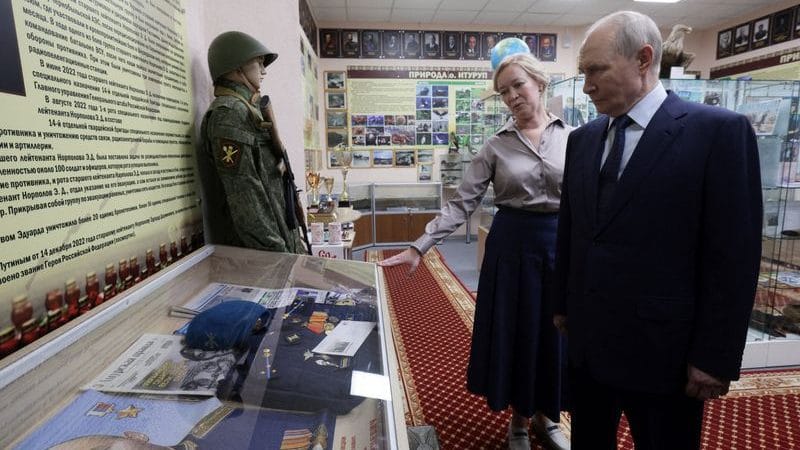
Imagine two big countries, Russia and Japan, that argue over a group of small islands in the sea called the Kuril Islands.
Russia says the islands belong to Russia, but Japan says four of them are Japan's islands that were taken away unfairly long ago.
The leader of Russia, President Vladimir Putin, just visited one of these islands for the first time since he became Russia's leader.
The leader of Japan, Prime Minister Sanae Takaichi, said this was not acceptable and that it hurt the feelings of Japanese people.
The argument began after World War II, a very big war that ended many years ago.
The islands are important because they sit near routes used by ships and submarines and in waters rich in fish and oil.
Japan still buys gas and oil from Russia because it needs the energy, even though the two countries are not friends.
India also owns a small share of an oil project near these islands, so India is paying close attention.
Many countries are watching because this old argument affects safety and energy across the whole region.

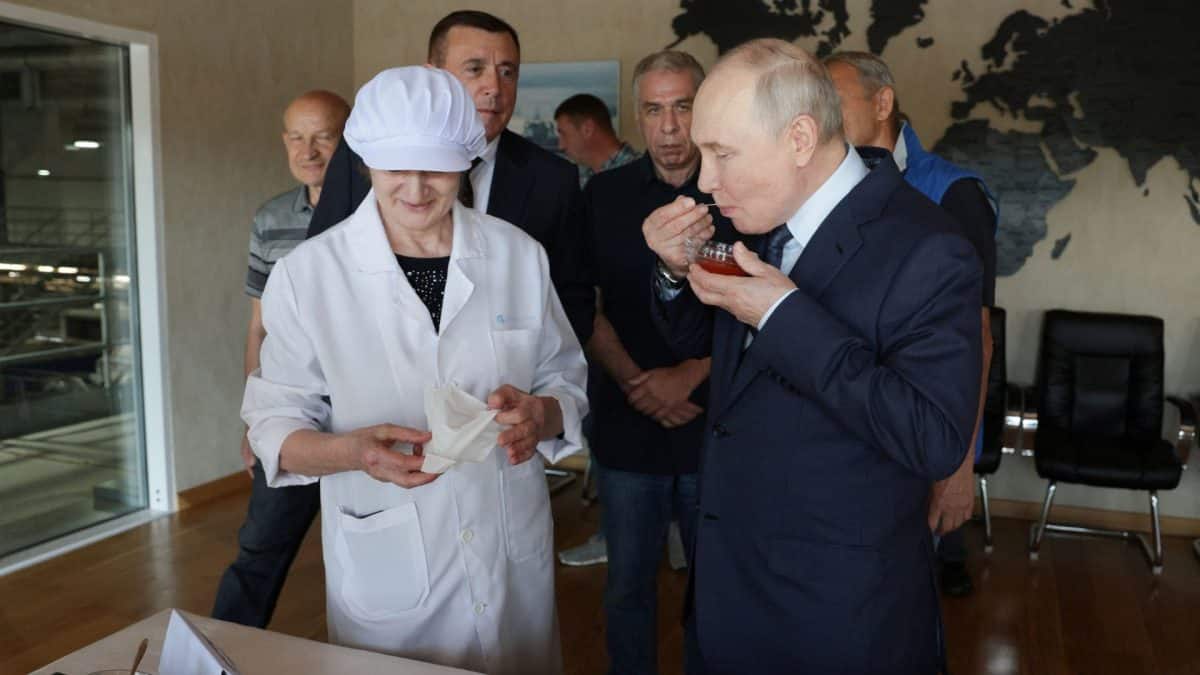
Russian President Vladimir Putin made his first visit in his 25-year presidency to the disputed Kuril Islands, landing on Iturup (called Etorofu by Japan) and touring a school, hospital and fish-processing plant.
Japanese Prime Minister Sanae Takaichi called the visit 'absolutely unacceptable' and said it hurt the feelings of the Japanese people.
The visit came a day after a North Korean ballistic missile launch and two days before Japan marks 81 years since its World War II surrender, with Russian and Chinese ambassadors in Tokyo jointly warning Japan against revising WWII results.
Russia suspended peace-treaty negotiations with Japan after Tokyo sanctioned Moscow over the 2022 invasion of Ukraine, effectively burying former PM Shinzo Abe's effort to resolve the decades-old territorial dispute.
India's ONGC Videsh formally secured its 20% stake in the Sakhalin-1 project in December 2025 after completing an abandonment fund payment, with the investment valued at Rs 15,814 crore.
- Who
- Russian President Vladimir Putin, Japanese Prime Minister Sanae Takaichi, and India's ONGC Videsh.
- What
- Putin made his first Kuril Islands visit as president, landing on Iturup (Etorofu), sharpening the unresolved Russia-Japan territorial dispute and underscoring the region's military and energy stakes for Japan and India.
- Where
- Iturup island (called Etorofu by Japan), part of the disputed Kuril Islands chain administered by Russia's Sakhalin region, between the Sea of Okhotsk and the Pacific Ocean.
- When
- Thursday, August 2026, two days before Japan's 81st World War II surrender anniversary on 15 August, and a day after a North Korean ballistic missile launch.
- Why
- Putin is projecting Russia's territorial claims and Pacific strategy, two days before Japan's WWII surrender anniversary and as he braces for elections at home; Japan says the four islands it claims were illegally occupied since 1945 and called the visit unacceptable.
Japan's position
Russia's position
Sovereignty over the Kuril Islands
Japan's position
Japan considers the four southern islands — Etorofu, Kunashiri, Shikotan and Habomai — part of Hokkaido prefecture, calls them 'illegally occupied' by Russia, and PM Takaichi called Putin's visit 'absolutely unacceptable'.
Russia's position
Russia says its sovereignty over the islands is a legitimate outcome of World War II, administers most of the 56-island chain as part of the Sakhalin region, and suspended peace-treaty talks after Japan sanctioned Moscow over Ukraine.
Post-war order and Japan's military role
Japan's position
Japan, led by Takaichi, favours constitutional revision, stronger counter-strike capabilities, a more explicit military role and a record ~¥9 trillion defence budget with a target of 2% of GDP.
Russia's position
Russia and China jointly warned in Tokyo against attempts to revise the results of World War II and against Japanese 're-militarisation'.
Energy ties versus sanctions
Japan's position
Japan joined G7 sanctions against Russia over the Ukraine invasion but retains its Sakhalin-1 and Sakhalin-2 interests because the projects supply about 9-10% of its LNG and Gulf supplies are threatened by the Hormuz crisis.
Russia's position
Moscow uses Sakhalin as an economic lever: sanctions-related dividends owed to Indian companies are hard to repatriate, and Russia's conditions for foreign participation include funding obligations and steps towards lifting sanctions.
Key facts
- Visitor
- Vladimir Putin — his first Kuril Islands visit in 25 years in power
- Island visited
- Iturup (Etorofu), administered by Russia as part of the Sakhalin region
- Islands Japan claims
- Four — Etorofu, Kunashiri, Shikotan and Habomai (the 'Northern Territories')
- Japan's reaction
- PM Takaichi: visit 'absolutely unacceptable', hurt Japanese feelings
- India's Sakhalin-1 stake
- ONGC Videsh 20%; valued at Rs 15,814 crore in December 2025
- Sakhalin-2 stakeholders
- Gazprom 77.5%, Mitsui 12.5%, Mitsubishi 10%
- Sakhalin-2 and Japan's LNG
- Supplies roughly 9-10% of Japan's LNG
- Japan's defence budget
- Record ~¥9 trillion, aiming for 2% of GDP
Quotes
PM Sanae Takaichi
Japanese Prime Minister
““Fine by me! It’s not like I’d go even if they invited me.””
 theprint.in
““absolutely unacceptable.””
theprint.in
Sources
Related news

Putin visits disputed Kuril Islands, samples fish roe, Japan protests
Putin's Kuril Islands Visit Triggers Sharp Japanese Protest
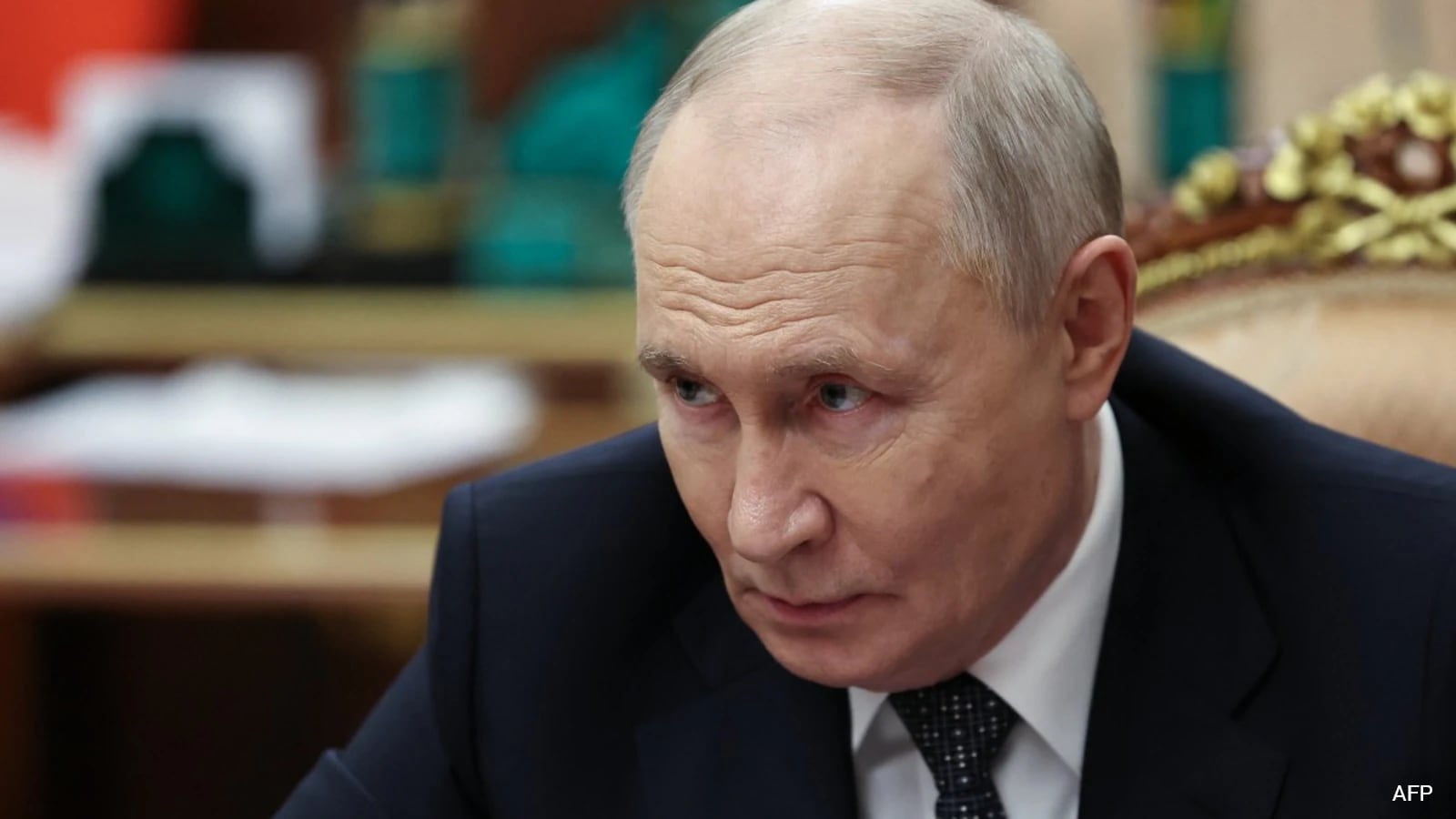
Japan Protests Putin's First Visit to Disputed Islands

Russia protests to Japan's envoy over Takaichi's anti-Russian remarks

US backs Japan sovereignty as Putin visits disputed Northern Territories
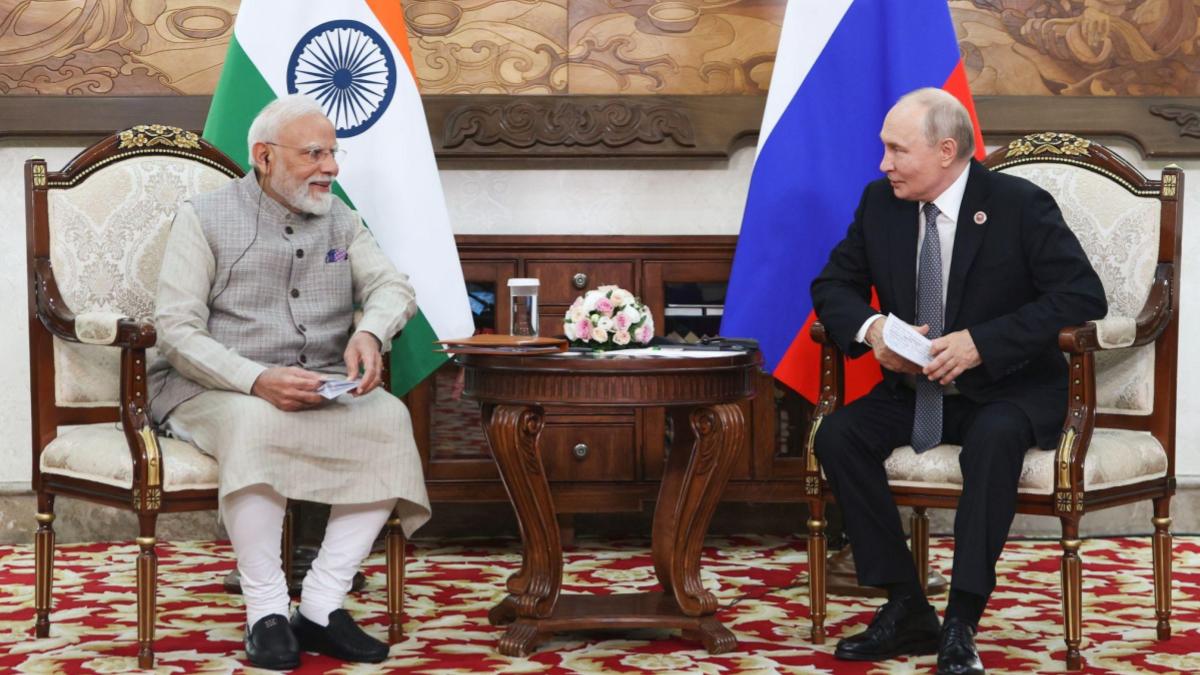
Modi Urges Putin to End Ukraine War at SCO Summit
India Supplies Petrol to Russia as Refinery Attacks Disrupt Fuel
Russia Turns to India for Gasoline as Ukraine Hits Refineries
US Treasury removes 84 from sanctions list
Dream Vision Exhibition in Mumbai Attracts 100,000 Visitors
