1 week ago
India’s LNG Import Bill Jumps Amid Higher Prices, Freight Costs

India buys LNG and LPG from other countries for energy.
Its LNG import bill became much larger during April to July.
The bill rose because energy prices and shipping costs increased.
The West Asia crisis disrupted some supplies from Gulf countries.
The Strait of Hormuz was one route affected by these disruptions.
India responded by buying more fuel from the United States and other markets.
It increased the number of LNG supplier countries from six to 15.
The United States supplied most of India’s LPG imports in July and August.
Supplies from the United Arab Emirates and other Gulf countries fell during this period.

India’s LNG import bill rose 24% to $5.6 billion during April-July, from $4.5 billion a year earlier.
July LNG imports increased 9.1% to $1.2 billion, while volumes rose 1.5% to 2,915 mmscm.
India expanded its LNG supplier network from six countries to 15 amid disruptions around the Strait of Hormuz.
Higher energy prices and longer shipping routes increased the cost of importing LNG from alternative suppliers.
The United States supplied about 0.89 million tonnes of LPG in July and 0.62 million tonnes in August, exceeding 73% of India’s LPG imports.
- Who
- India, the United States, Gulf suppliers, and other international energy suppliers.
- What
- India’s LNG import bill rose as the country increased purchases from alternative suppliers and expanded its energy sourcing network.
- Where
- India sourced energy from the United States, Gulf countries, and other international markets; disruptions affected routes around the Strait of Hormuz.
- When
- During April-July of the current financial year; July and August LPG figures were also reported.
- Why
- The West Asia crisis disrupted traditional Gulf supplies, while higher energy prices and longer shipping routes raised import costs.
Supply Resilience
Cost Pressure
Diversifying energy suppliers
Supply Resilience
India’s official said expanding LNG and crude oil sourcing across more countries and routes reduced dependence on individual suppliers and improved the country’s ability to manage disruptions and market volatility.
Cost Pressure
The shift toward alternative suppliers required cargoes to travel longer distances, increasing shipping costs and contributing to the higher LNG import bill.
Increasing United States purchases
Supply Resilience
Higher purchases from the United States helped India obtain LPG and other energy supplies while traditional Gulf routes faced disruptions.
Cost Pressure
The change in sourcing occurred alongside higher energy prices and freight costs, making imported energy more expensive.
Key facts
- LNG bill, April-July
- $5.6 billion, compared with $4.5 billion in the same period of the previous financial year
- Year-on-year increase
- 24% during April-July
- July LNG imports
- $1.2 billion, up from $1.1 billion in July 2025
- July LNG volume
- 2,915 mmscm, compared with 2,872 mmscm a year earlier
- LNG sourcing network
- Expanded from six countries to 15
- Crude oil sourcing network
- Expanded from 27 countries to 41
- United States LPG shipments
- About 0.89 million tonnes in July and 0.62 million tonnes in August, accounting for more than 73% of India’s LPG imports
- Gulf LPG shipments
- United Arab Emirates supplies fell to about 140,000 tonnes in August, Qatar supplied around 60,000 tonnes, and Saudi Arabia supplied none in July or August
Quotes
A senior government official
Government official discussing India’s expanded energy sourcing network
“This diversification has reduced dependence on any particular country, region or transit route and enhanced India's ability to manage supply disruptions and market volatility”
 thehansindia.com
thehansindia.com
thehansindia.com
Sources


Related news
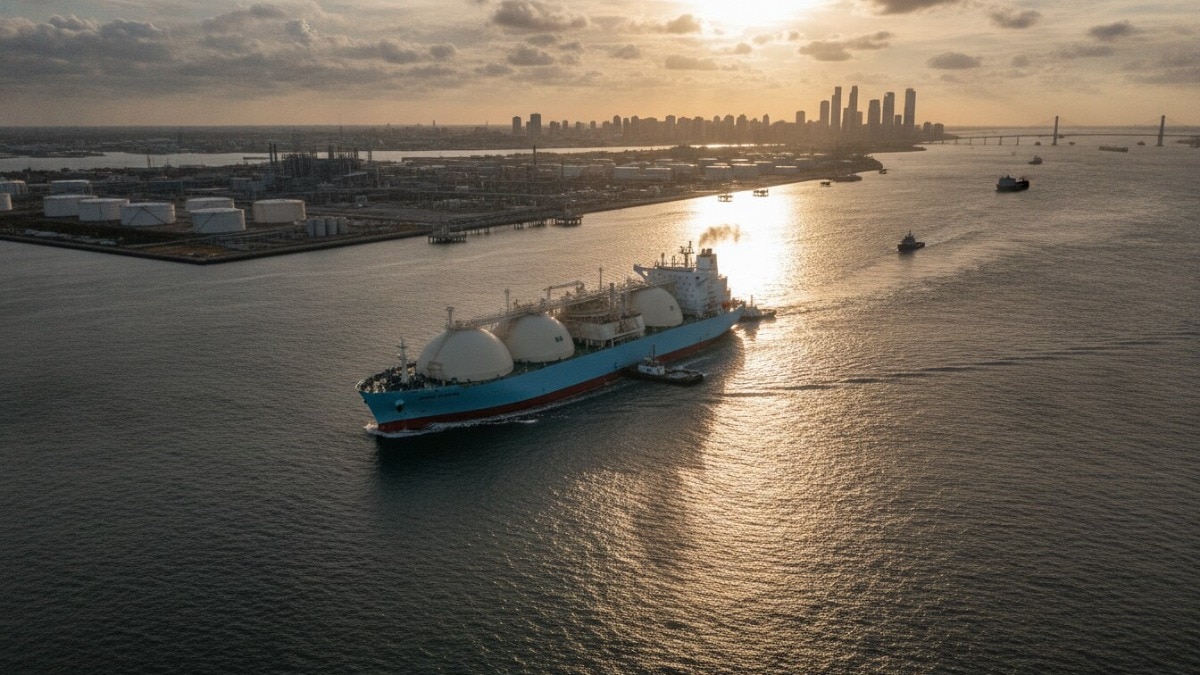
India boosts LNG imports as Hormuz crisis hits

India Turns to US Energy Supplies as Gulf Shipments Disrupt
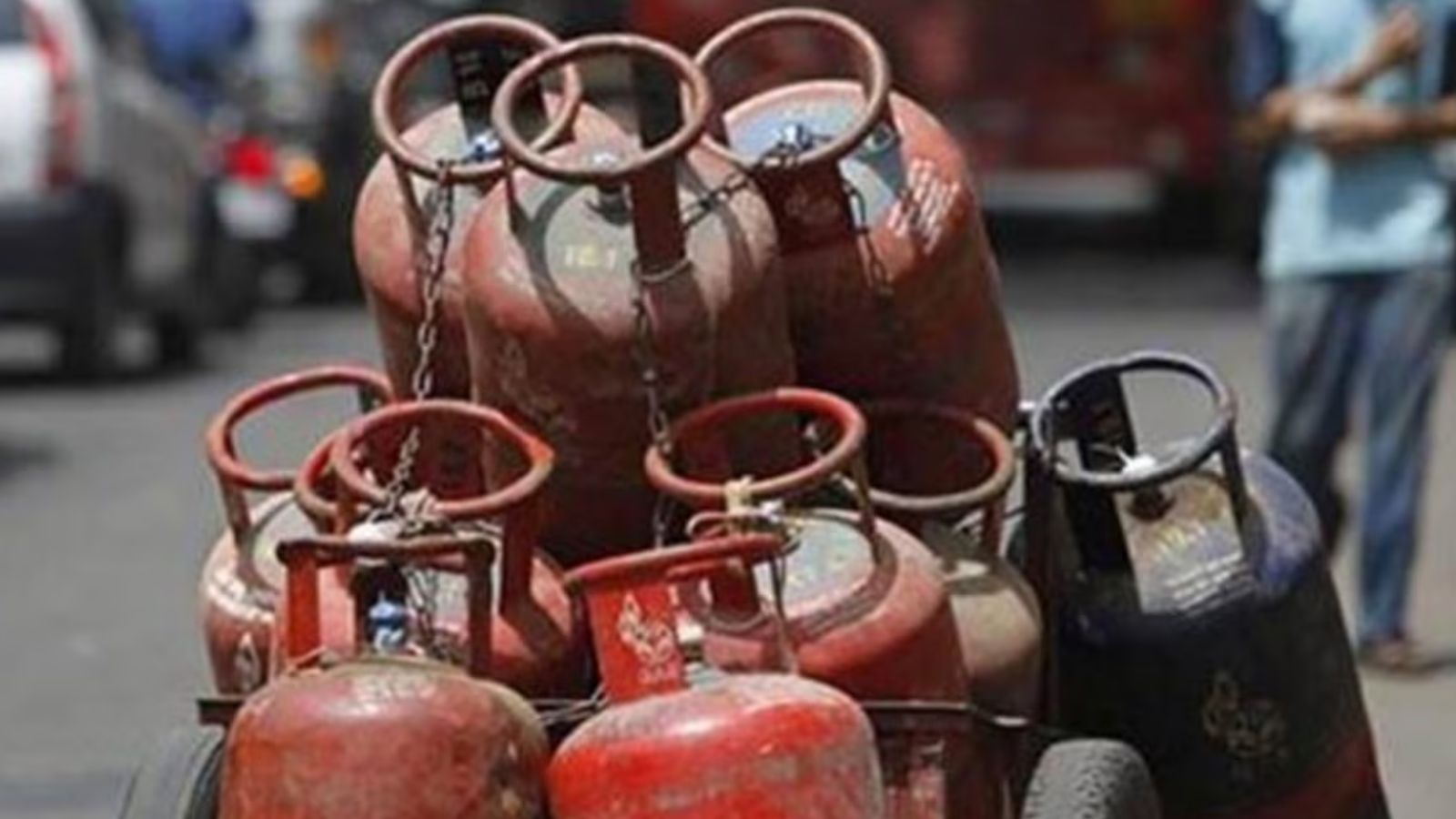
India Turns to United States as Hormuz Crisis Hits Supplies
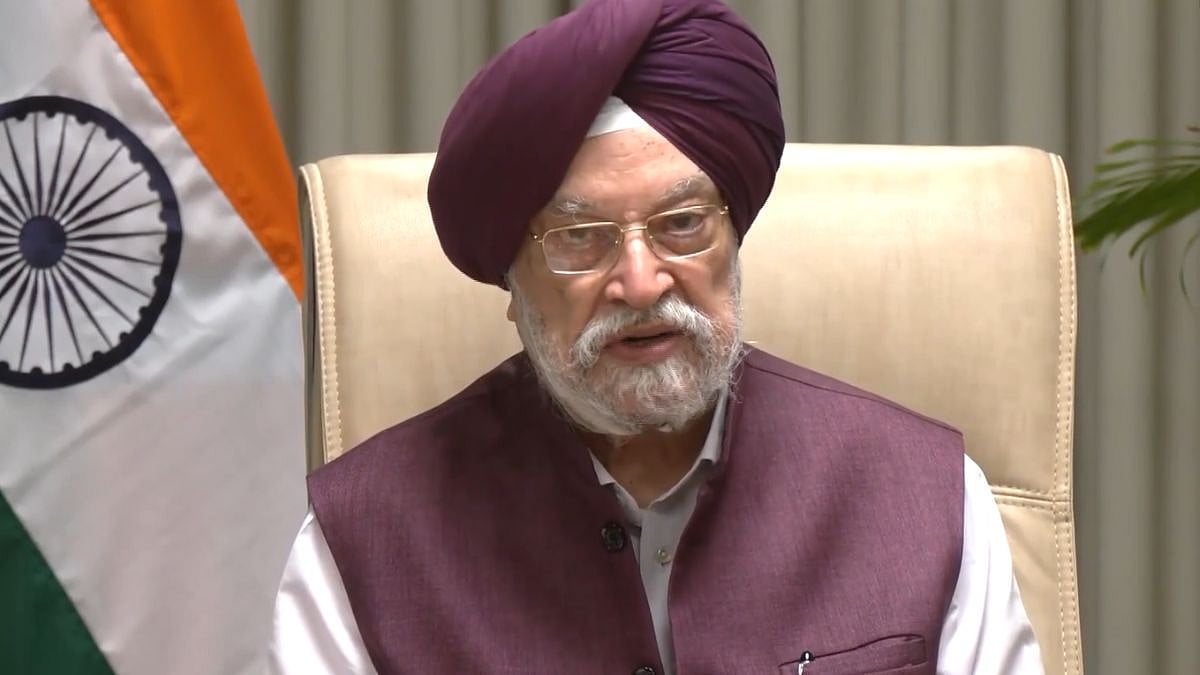
US Becomes India's Largest LPG Supplier After Hormuz Crisis

India doubles LNG sourcing to 15 nations amid supply risks

India Taps 15 Countries for LNG, 41 for Crude Oil

Trump Floats Renaming Strait of Hormuz as ‘Trump Strait’

Chevron Plans $7 Billion Venezuela Expansion Amid U.S. Oil Push
Saudi Arabia Says Iranian Tanker Attack Killed Two Sailors
U.S.-Iran Exchange Escalates Across Middle East, Markets Slide
Trump Aides Seek Quiet Iran War Before Midterm Elections