1 hr ago
Why Nepal’s Deep Trade and Cultural Ties With India Matter

Nepal and India are close neighbors with many connections.
Nepal sends and receives about two-thirds of its trade through India.
Because Nepal has no coastline, it uses Indian ports and roads to reach other countries.
The Raxaul-Birgunj corridor is one important trade route.
People on both sides of the border share languages, religions, family ties and cultural traditions.
The two countries also have a 1,751-kilometer open border.
Their citizens can generally cross this border without passports or visas under a 1950 treaty.
Nepal and India also have long-standing military connections involving Gorkha soldiers.
Nepal’s foreign minister said the relationship is currently in one of its strongest phases.

Nepal’s Foreign Minister Shisir Khanal described ties with India as excellent, multidimensional and currently in a strong phase.
About two-thirds of Nepal’s external merchandise trade involves India, its largest trading partner.
Nepal relies on India for port access and transit routes, including the Raxaul-Birgunj corridor, because it is landlocked.
The relationship also includes an open border, family and cultural connections, religious travel, and military links.
Renewed high-level engagement followed Balendra “Balen” Shah’s assumption of office as Nepal’s prime minister.
- Who
- Nepal and India, with comments from Nepalese Foreign Minister Shisir Khanal and other senior officials.
- What
- Nepal and India are strengthening a relationship based on trade, transit access, cultural ties, open-border movement and military links.
- Where
- The relationship concerns Nepal and India, including the Kathmandu-New Delhi connection, the Raxaul-Birgunj corridor and their shared border.
- When
- Khanal made the comments at an Asia Society event in New York; the article also refers to high-level meetings in June 2026 and renewed engagement after Balendra Shah took office.
- Why
- India is Nepal’s largest trading partner and provides essential access to ports and international markets for landlocked Nepal, while longstanding social, cultural and religious ties deepen the relationship.
Key facts
- Trade share
- About two-thirds of Nepal’s external merchandise trade involves India.
- Nepalese exports to India
- India received 81.1% of Nepal’s total exports in fiscal year 2024-25.
- Transit access
- Nepal relies heavily on Indian routes and ports for bilateral and third-country trade.
- Key corridor
- The Raxaul-Birgunj corridor is a major route for Nepal’s trade.
- Open border
- The 1950 Treaty of Peace and Friendship supports passport- and visa-free movement across the 1,751-kilometer border.
- Cultural ties
- The relationship includes shared languages, religious sites, family connections and cross-border travel.
- Current assessment
- Shisir Khanal said Nepal-India relations are currently in one of their excellent phases.
Quotes
Shisir Khanal
Nepal’s foreign minister
“Given the multi-dimensional nature of our relationship, two-thirds of our trade happens with India, our access to ports, everything pretty much because of the northern border, it happens through India. The cultural social relationships are very strong between the two countries as well”
 livemint.com
“vibrant people-to-people ties, cross-border connect and shared cultural and religious traditions”
livemint.com
Sources
Related news

Nepal Says India Ties Excellent, Focusing on Pragmatic Opportunities

India and Nepal Review Trade, Customs and Transit Bottlenecks
Modi and Xi push business links as India-China ties revive

India and Nepal Explore Strategic Ties Amid Relief Efforts
Rajnath Singh Pledges India’s Support After Nepal Floods

Xi Jinping’s India Visit Highlights Fragile Ties and Trade Leverage
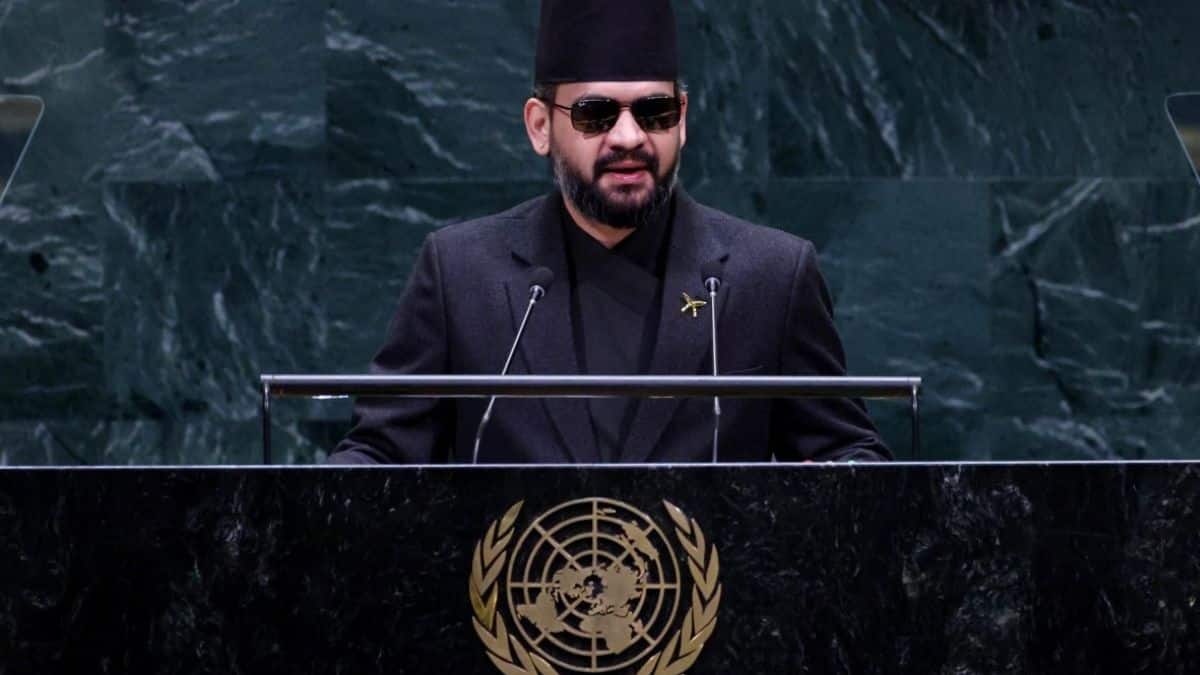
Nepal Seeks Himalayan Resilience Pact After Deadly Floods
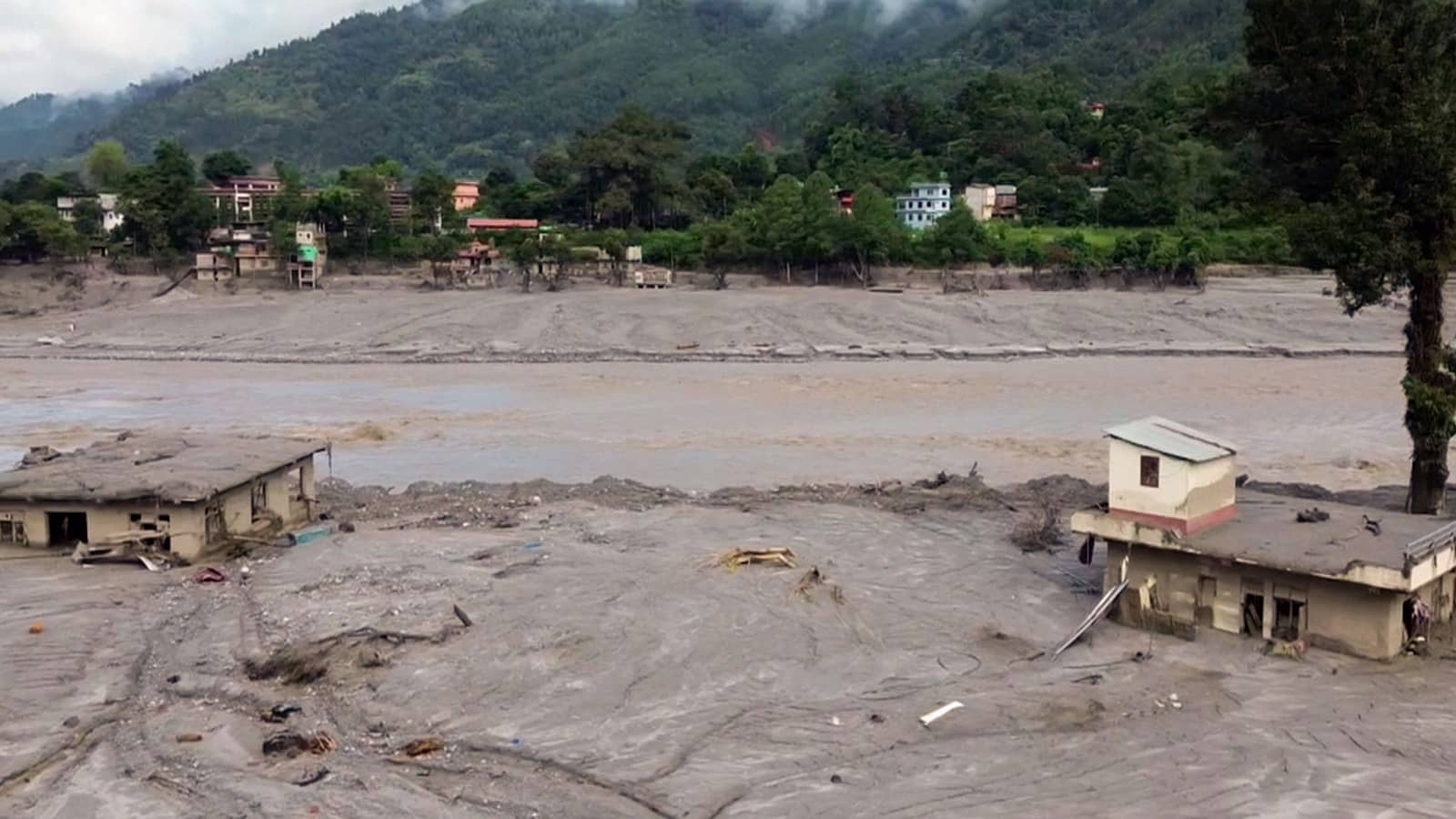
United States Announces $31 Million for Nepal Flood Recovery
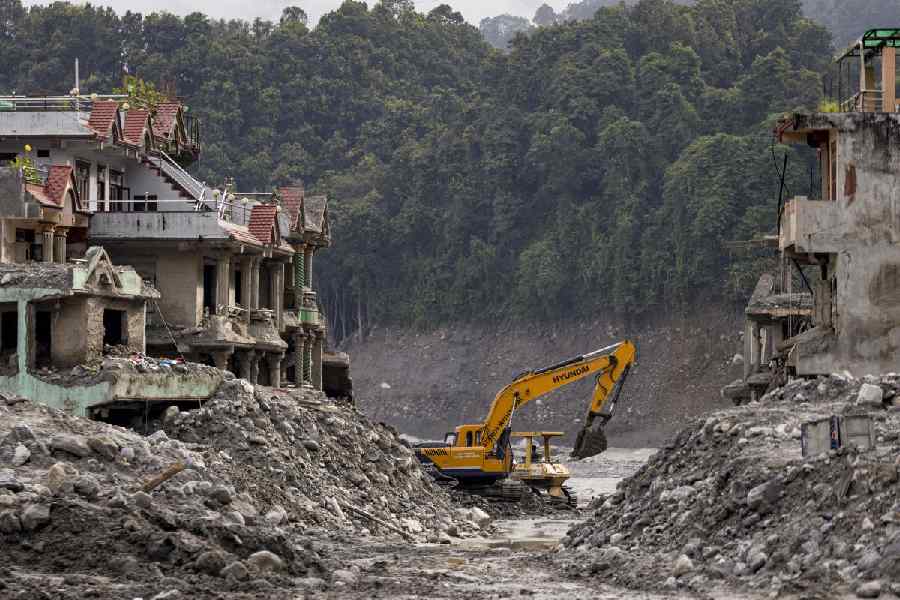
UN Loss and Damage Fund Promises Nepal Urgent Flood Support