3 hrs ago
Xi Jinping’s India Visit Highlights Fragile Ties and Trade Leverage

China’s President Xi Jinping visited India after seven years.
The two countries trade a lot, but they often disagree about their border.
India says China has acted aggressively near Arunachal Pradesh and has made a border deal with Pakistan that India rejects.
India also says it may connect trade benefits to improvements at the border.
India needs some Chinese materials for industries such as electronics, solar power, automobiles and medicines.
China also wants to sell more goods in India because its own economy has too much production and weaker demand.
India buys much more from China than it sells to China.
The article says India should build more of its own manufacturing strength.
It also says India may need to cooperate with both the United States and China on some international issues.

Chinese President Xi Jinping’s visit to India after seven years has focused attention on strained bilateral relations.
India-China tensions remain linked to border disputes involving Arunachal Pradesh and Pakistan-administered Kashmir.
India has indicated it will withhold trade and investment concessions unless China stops aggression along the border.
India depends on Chinese intermediates and critical minerals, while China seeks access to India’s large market.
The bilateral trade deficit reached $131 billion in FY26, although India’s exports to China rose 40% during April-August FY27.
- Who
- Chinese President Xi Jinping, the governments of India and China, and indirectly Pakistan and the United States.
- What
- Xi Jinping’s visit has highlighted tense but economically important India-China relations.
- Where
- India, with disputes also involving Arunachal Pradesh and the Pakistan-occupied Kashmir region.
- When
- The article was published on September 24, 2026; it describes Xi’s visit as occurring after seven years.
- Why
- The visit has drawn attention because border tensions, trade dependence, investment rules and a large trade deficit are shaping bilateral ties.
Link Trade to Border Security
Separate Economic and Security Ties
India’s negotiating strategy
Link Trade to Border Security
India’s position, as presented in the editorial, is that trade and investment concessions should depend on China ending aggression along the border.
Separate Economic and Security Ties
Separating economic ties from border disputes could allow continued commercial engagement, but the editorial argues this would give China greater room to pressure India.
Economic dependence
Link Trade to Border Security
India should develop domestic capabilities across supply chains to reduce reliance on Chinese intermediates and critical minerals.
Separate Economic and Security Ties
Maintaining access to Chinese supplies and investment could benefit Indian industries, while China also has an interest in India’s large consumer market.
Relations with major powers
Link Trade to Border Security
India’s multi-alignment could help it manage pressure from both China and the United States.
Separate Economic and Security Ties
China presents itself as a countervailing force and a voice for the Global South, creating potential areas for cooperation with India on multilateral issues.
Key facts
- Visit interval
- Xi Jinping visited India after seven years.
- Border conflict
- The article links current tensions to the 2020 Galwan clash and disputes involving Arunachal Pradesh.
- Patrolling arrangement
- India and China agreed on a joint patrolling arrangement along the Line of Actual Control in October 2024.
- Investment rule
- India relaxed Press Note 3 restrictions in March 2026, allowing minority Chinese investment of up to 10%.
- Trade deficit
- India’s bilateral trade deficit with China was $131 billion in FY26, about 16% higher than in FY25.
- Indian exports
- India’s exports to China rose 40% during April-August FY27.
Sources
Related news
Modi-Xi Talks To Cover Border, Trade, Visas And Investment

India May Tie Further Chinese Investment Relief to Border Progress
Xi India Visit May Ease Tensions, But Business Ties Struggle
Modi and Xi Stress Border Peace, Trade and Long-Term Ties
Xi Jinping’s India Visit Puts Border, Trade Ties Under Spotlight
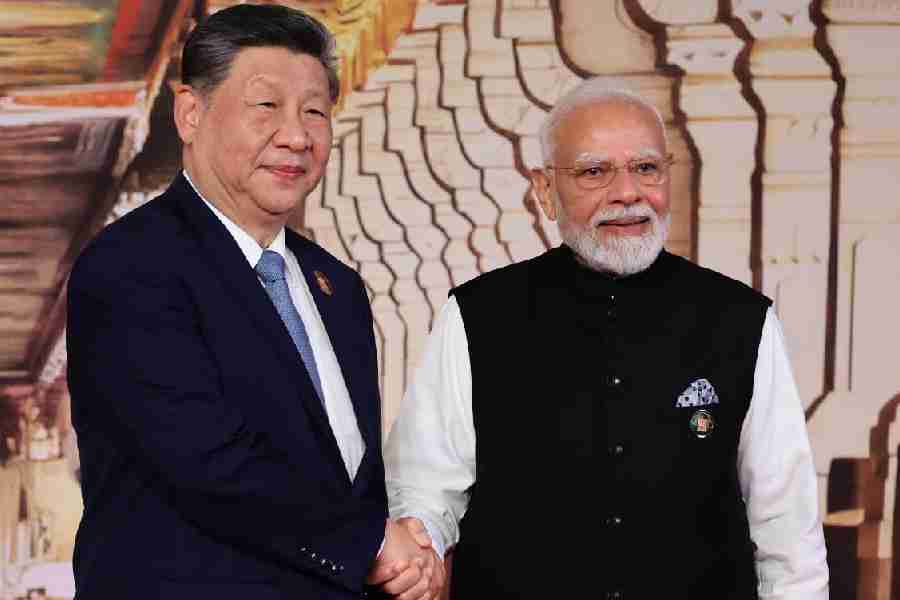
Modi and Xi Push Trade Investment as India-China Ties Reset
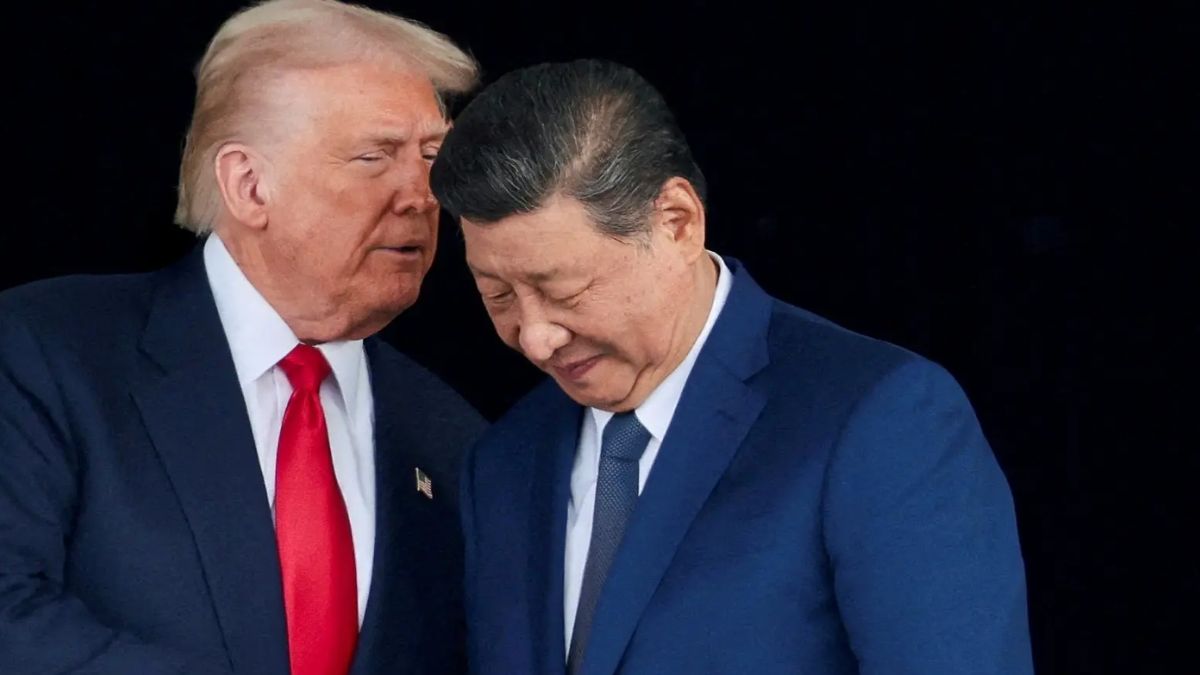
Trump-Xi Summit Tests Taiwan Arms Deal and US-China Stability
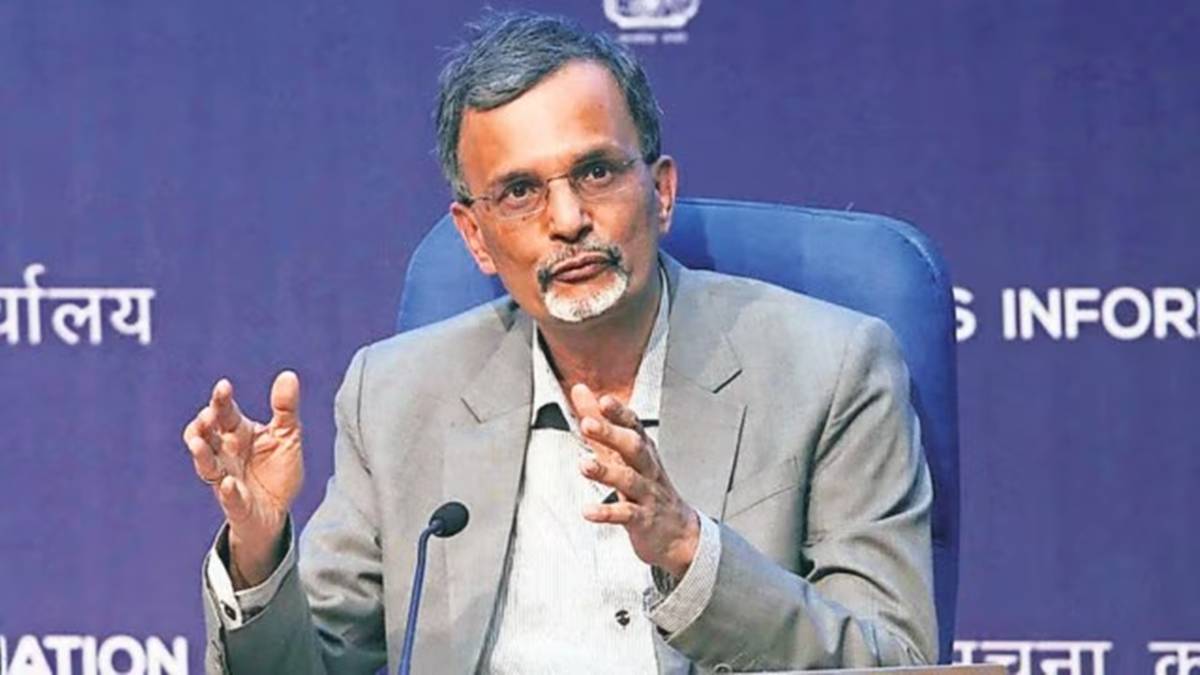
India Urged to Build Buffers Beyond Protectionism
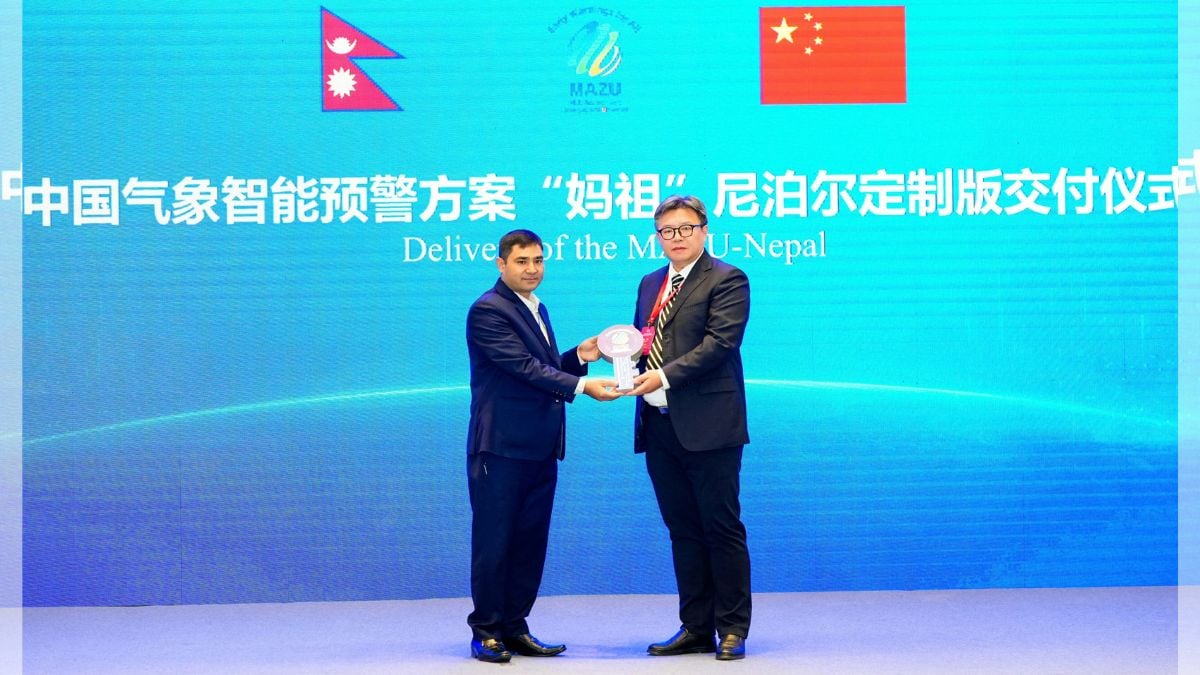
China Hands Nepal MAZU Early-Warning System After Border Floods

Trump Says AI Will Dominate Talks With Xi Jinping

Meta AI Glasses Boom Despite Privacy Backlash and Restrictions