0 months ago
1,000-Year-Old Sealed Skeleton's DNA May Reveal Its Past
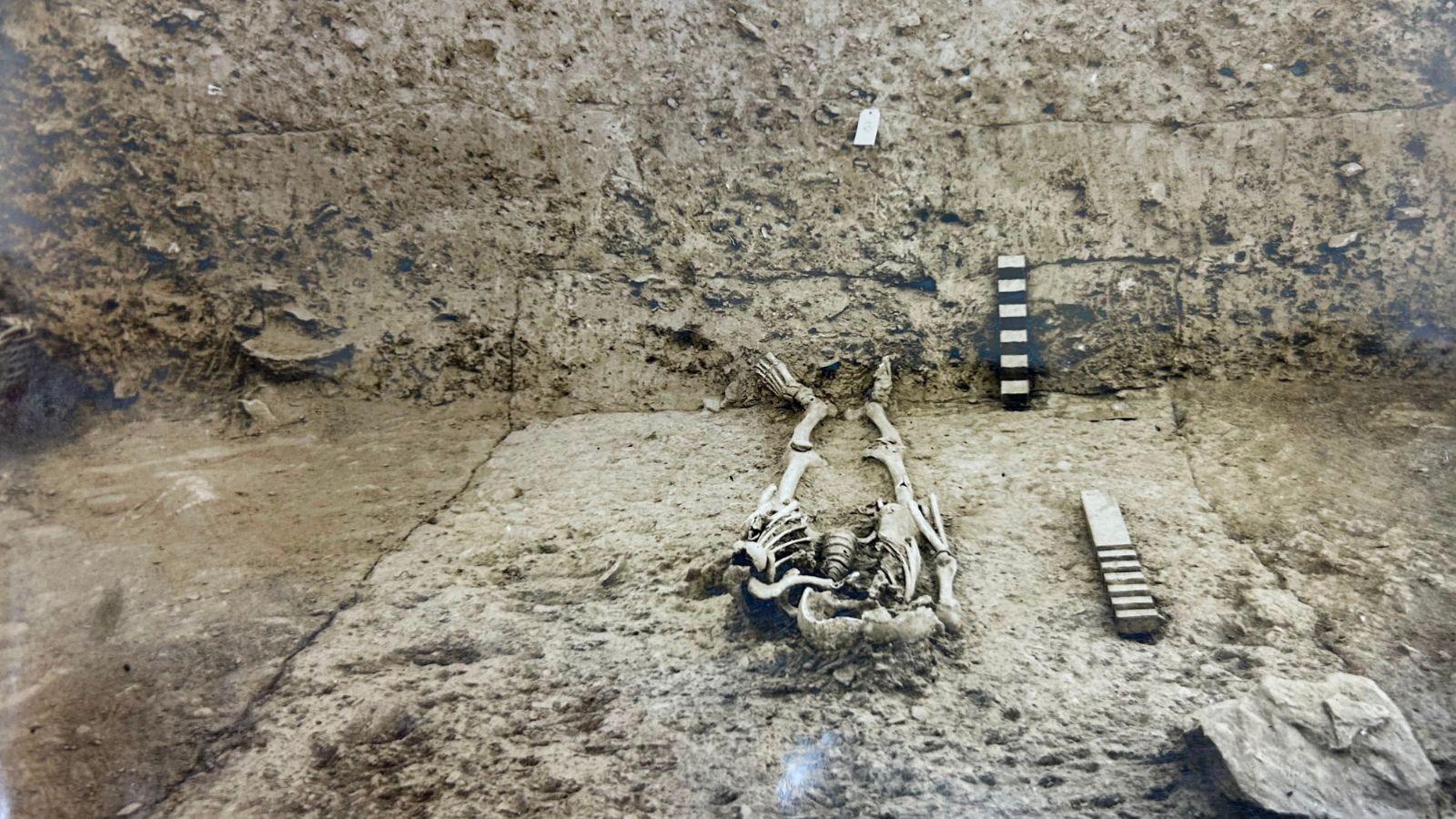
A very old skeleton was found a long time ago.
It was inside a special wooden box for about 70 years.
This skeleton is about 1,000 years old.
It was found in a place called Rajghat in India.
Rajghat is an old archaeological site in the middle Ganga Valley.
The skeleton was kept safe at Banaras Hindu University.
Recently, scientists opened the box.
They carefully took small samples from the bones.
They will study the DNA in these samples.
This can help us learn about the people who lived in Varanasi very long ago.

A 1,000-year-old human skeleton lay sealed inside a wooden box at Banaras Hindu University (BHU) for nearly 70 years.
The skeleton was recovered in 1957 during excavations at Rajghat, an archaeological site in the middle Ganga Valley.
On Tuesday, a team of ancient DNA experts collected samples from the skeleton for genetic and bio-archaeological analysis.
Department head Professor M P Ahirwar took the lead to reopen the box and examine the skeletal remains.
Researchers hope the bones will reveal more about who lived in Varanasi nearly 1,000 years ago.
- Who
- Researchers at Banaras Hindu University (BHU), led by department head Professor M P Ahirwar, with Professor Gyaneshwar Chaubey of BHU's Department of Zoology.
- What
- A 1,000-year-old skeleton sealed in a wooden box for nearly 70 years was reopened, and ancient DNA experts collected bone samples for genetic and bio-archaeological analysis.
- Where
- Rajghat, an archaeological site in the middle Ganga Valley; the skeleton was held at Banaras Hindu University in Varanasi.
- When
- The skeleton was recovered in 1957; samples were collected on Tuesday.
- Why
- To learn more about who lived in Varanasi nearly 1,000 years ago.
Key facts
- Subject
- 1,000-year-old human skeleton
- Place of discovery
- Rajghat, middle Ganga Valley
- Year of excavation
- 1957
- Custodian
- BHU Department of Ancient Indian History, Culture and Archaeology
- Storage
- Sealed in a wooden box for nearly 70 years
- Lead researcher
- Professor M P Ahirwar, department head
- Collaborator
- Professor Gyaneshwar Chaubey, BHU Department of Zoology
- Planned analysis
- Genetic and bio-archaeological analysis of ancient DNA
Sources
Related news
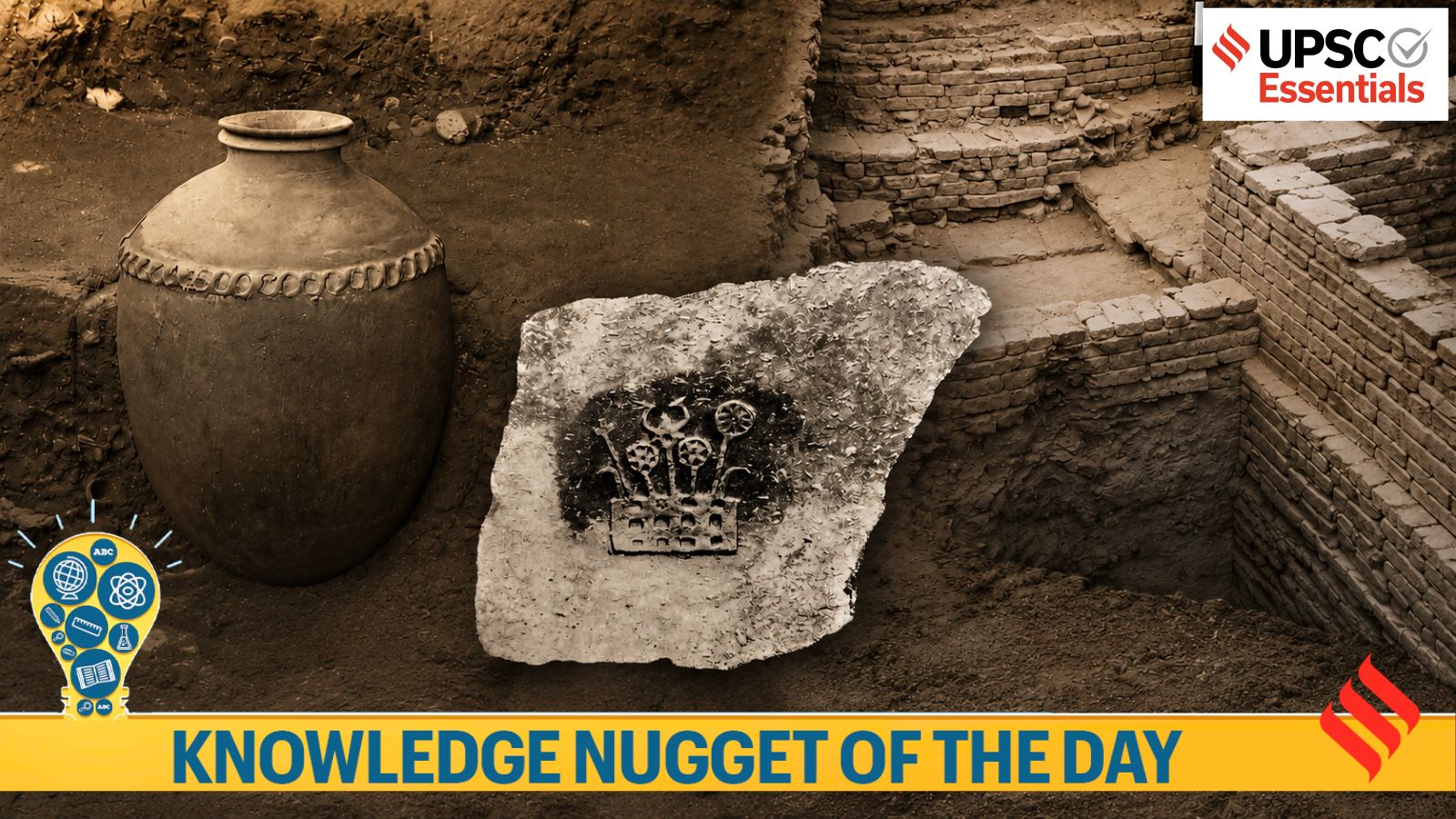
Rajghat Excavation Reveals 3,000 Years of Middle Ganga History
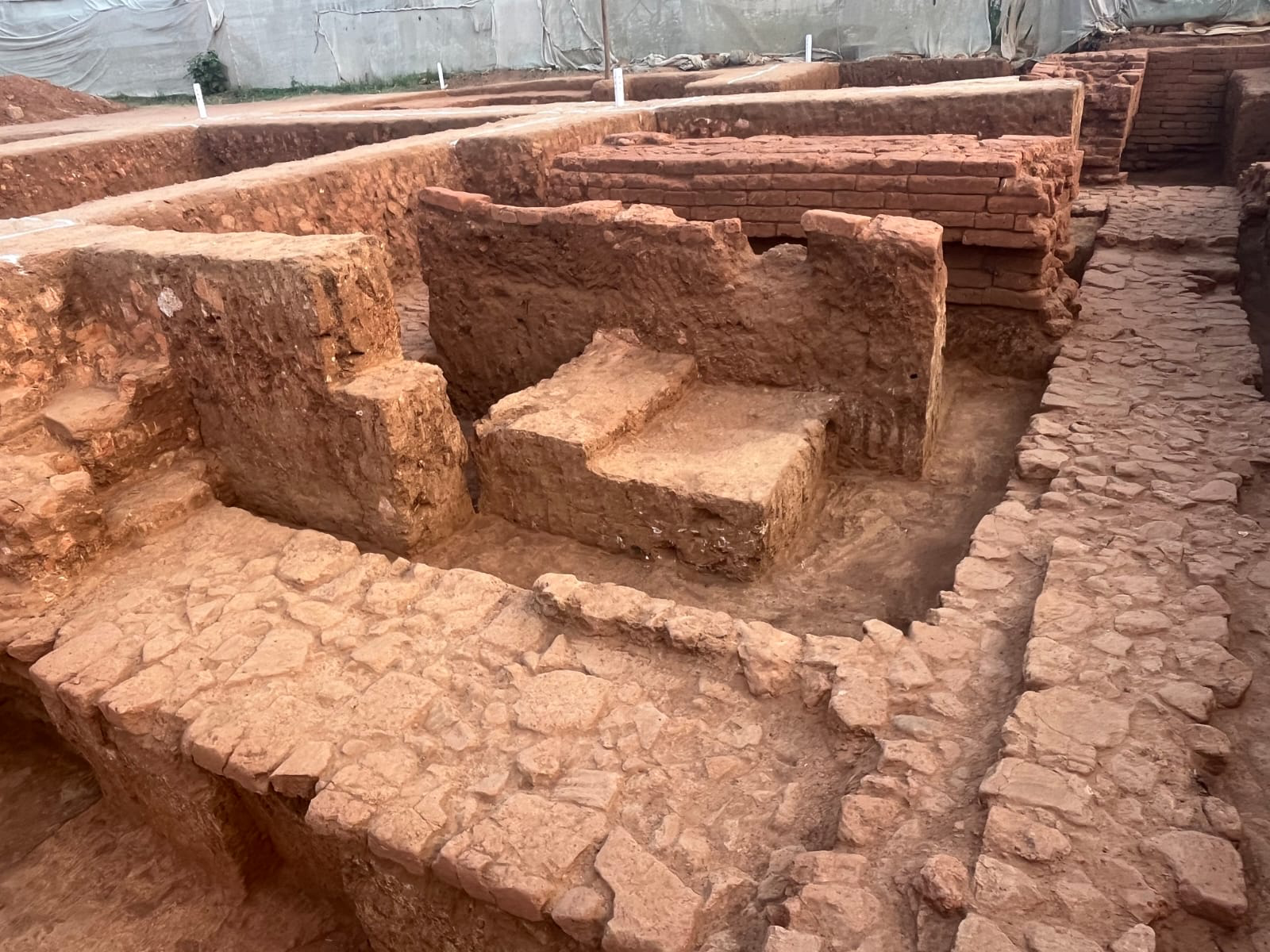
Buddhist Excavation Near Bengaluru Faces Land Acquisition Hurdle

Varanasi's Rajghat Heritage Faces Challenges From Rapid Development
Centre Delists 18 Monuments From Protected Sites Since 2021
Archaeologists Resume Excavations at Kashmir’s Ancient Buddhist Ruins
10,000-Year-Old Rock Art and Caves Found at Indrapalanagaram

Northern Railway Revises Timings for 13 Train Services

PM Modi Gifts Indian Heritage To Uzbekistan, Kyrgyzstan Leaders
Floods Kill Two, Leave Two Missing Across Uttar Pradesh
NEET MDS Round 1 Provisional Allotment Lists 1,521 Candidates

India Plans 100 New Airports Under UDAN Expansion