2 hrs ago
New NCERT Textbook Links Governance Mottos to Ancient Traditions

A new school textbook teaches students how India thinks about good government.
It explains that “Satyameva Jayate” means truth alone wins.
It says the Supreme Court’s motto means victory belongs where there is righteous duty.
The book connects these ideas to old Indian texts such as the Upanishads, the Mahabharata and the Ramayana.
It also discusses the Sengol in the new Parliament building as a symbol of good rule.
Mahatma Gandhi’s idea of Ram Rajya is described as a government that cares for people and acts honestly.
The textbook shows how modern policies, including the National Education Policy, are created through consultation and coordination.
It also gives examples of government welfare and sports policies.

The new NCERT Class 9 social science textbook traces “Satyameva Jayate” to the Mundaka Upanishad and the Supreme Court motto to the Mahabharata.
It presents the Sengol in Parliament as a symbol of rulership and good governance linked to the Chola period.
The book describes Gandhi’s idea of “Ram Rajya” as governance based on probity, transparency, compassion, welfare and public participation.
It uses Rajdharma and ancient texts to explain governance as a responsibility toward society, justice and public well-being.
The textbook explains policymaking through examples including NEP 2020, Khelo Bharat Niti 2025 and Ayushman Bharat.
- Who
- The National Council of Educational Research and Training (NCERT), in a new Class 9 social science textbook, discusses India’s national motto, the Supreme Court motto, the Sengol and governance traditions.
- What
- The textbook links modern institutional values and public policies to ancient Indian texts, traditions and ideas of righteous governance.
- Where
- The textbook is part of India’s Class 9 curriculum and discusses the Sengol’s installation in the new Parliament building.
- When
- The book was released on Tuesday, six months after the new academic session began; the first part was released in June.
- Why
- It aims to explain governance, public policy and institutional responsibilities as part of the revision of school learning material under the National Curriculum Framework for School Education 2023 and NEP 2020.
Key facts
- Textbook
- Understanding Society: India and Beyond — Part 2
- Subject and level
- Class 9 social science
- National motto
- “Satyameva Jayate,” traced to the Mundaka Upanishad
- Supreme Court motto
- “Yato Dharmastato Jayah,” traced to the Mahabharata
- Governance concept
- Rajdharma, or duties associated with righteous governance
- Policy example
- NEP 2020, described as developed through expert advice, consultation and public participation
- Consultation figures
- The NEP process included consultations involving 2.5 lakh gram panchayats, 6,600 blocks, 6,000 urban local bodies and 676 districts, producing about two lakh suggestions
Quotes
NCERT Class 9 social science textbook
The Class 9 textbook’s governance and public policy chapter
“Mahatma Gandhi visualised 'Ram Rajya' as an ideal model of governance, rooted in probity, transparency, compassion, welfare and people-centric orientation in governance and public policy. Gandhi's views on Ram Rajya reflect the collective imagination of Indians from their distant past to the present day.”
 deccanchronicle.com
“Good governance was measured not only by the ruler's authority but by the peace, prosperity, justice and well-being in society.”
deccanchronicle.com
Sources
Related news
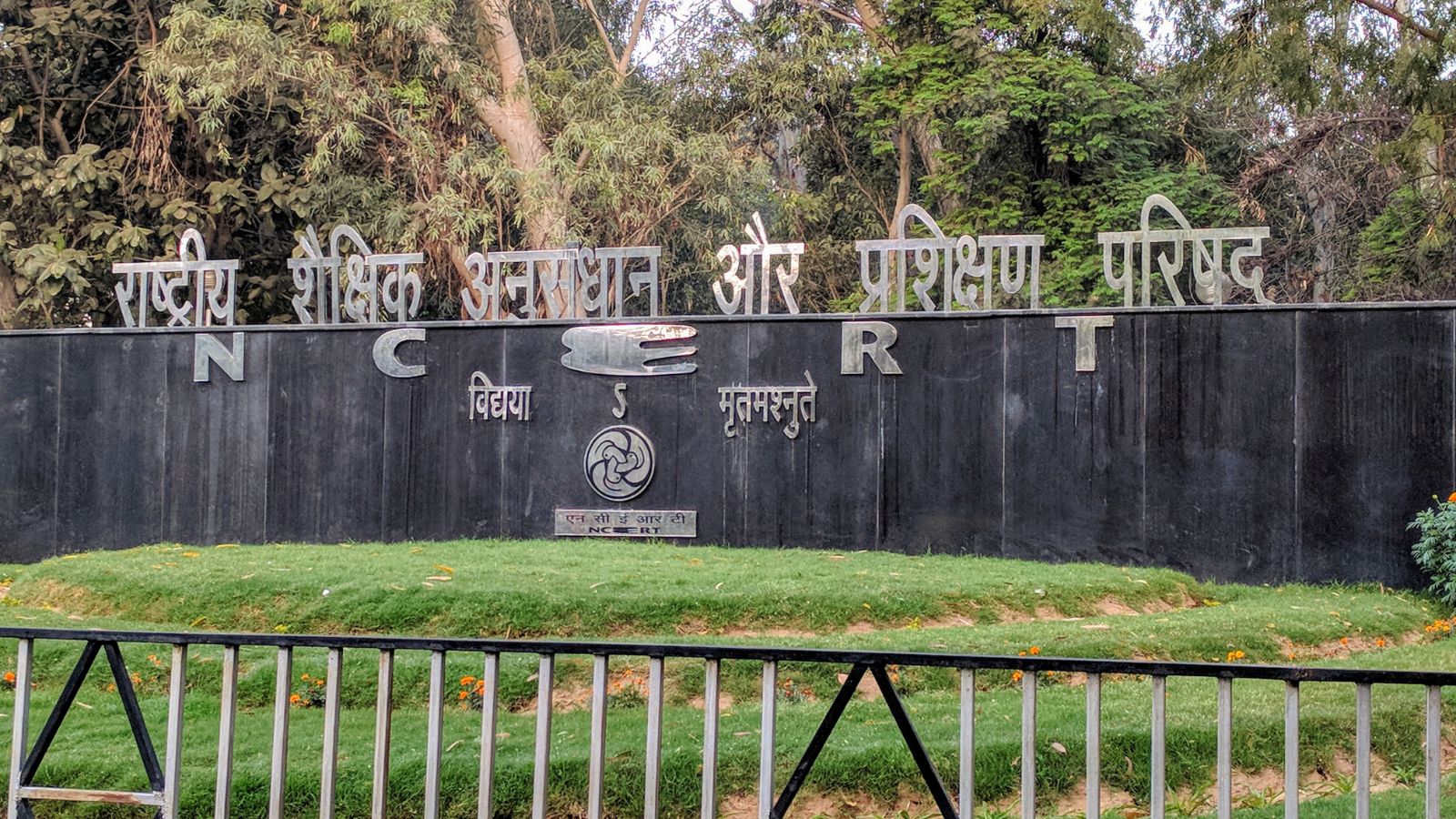
NCERT Releases New Grade 9 Social Science Textbook Part 2

Angmo Urges Government to Treat Education Protests as Wake-Up Call
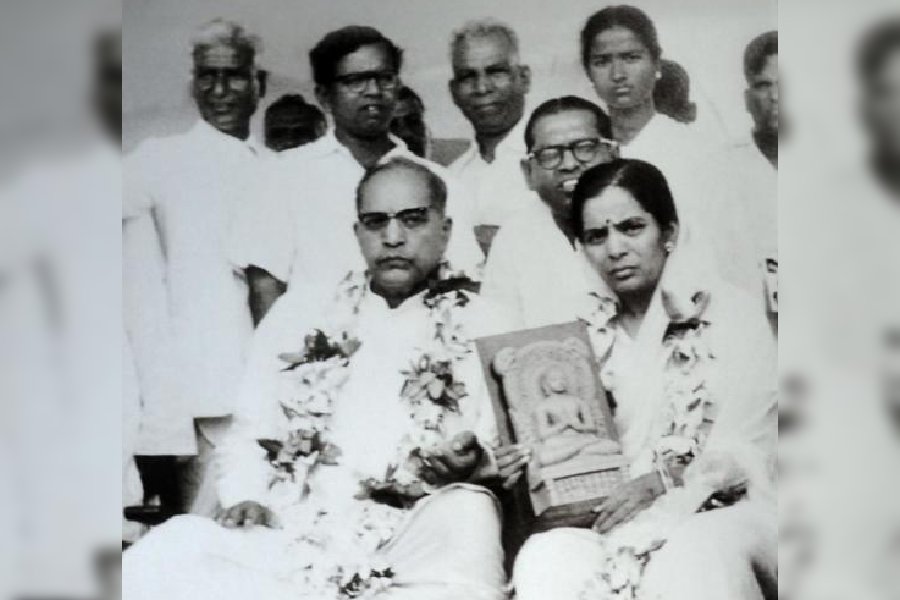
How Buddha, Ambedkar, and Nehru Shaped India's Constitutional Morality

NCERT’s 2026 Textbooks Aim to Decolonise Indian Education
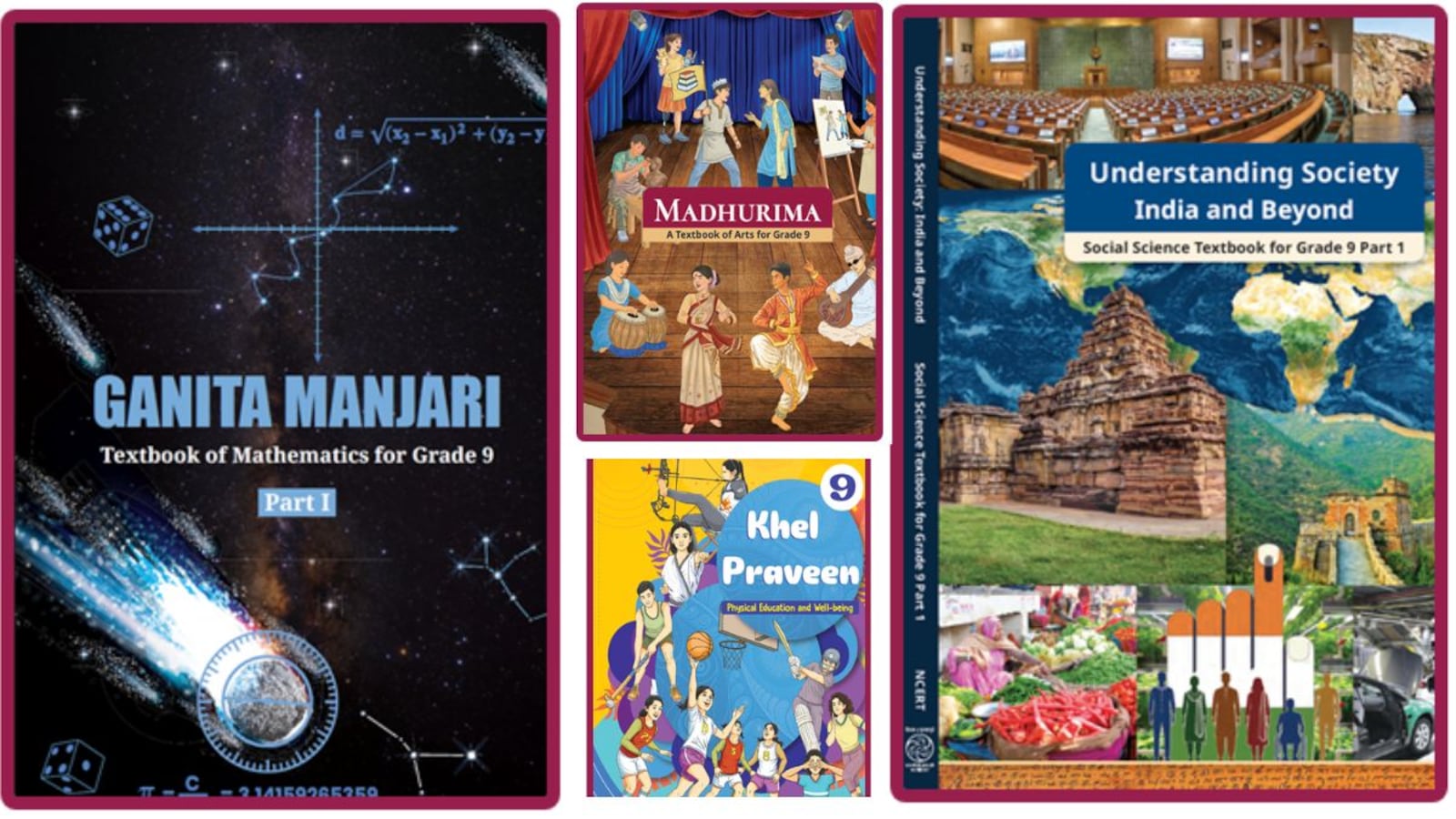
NCERT Announces Two New Class 9 Textbooks for 2026-27
Modi’s 25 Years in Public Service Framed as Seva

Questions Raised Over Parliamentary Process Behind India’s NEP-2020

NEP 2020 Builds Credit Infrastructure, But Student Mobility Lags

West Bengal Plans Jewellery Training Degrees Through Industry Partnerships