2 hrs ago
Supreme Court Extends Third-Language Exam Exemption to Class 6

The CBSE has changed its rules so students must learn three languages.
At least two of those languages must be Indian languages.
The Supreme Court said current Class 6 students should receive the same special arrangement already given to some older students.
They can keep studying the third language, but they will not have to take a CBSE Board exam in it in Class 10.
Their promotion or certificate should not be stopped because of that exam.
The government disagreed and said most schools are ready to use the new rule now.
Some schools and parents worry that students may have to change languages they have studied for years.
The court also asked CBSE to help schools that still lack teachers, books or other materials.

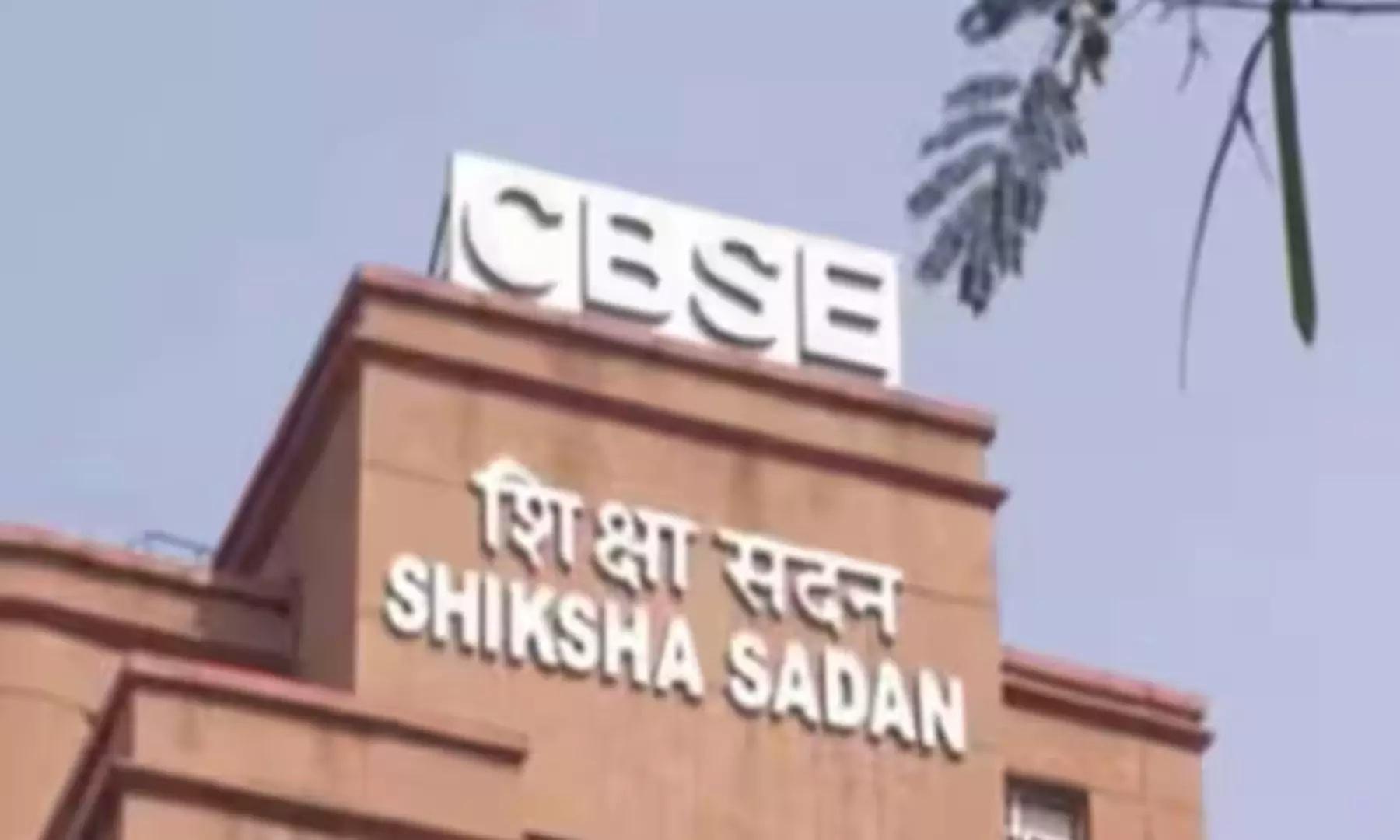
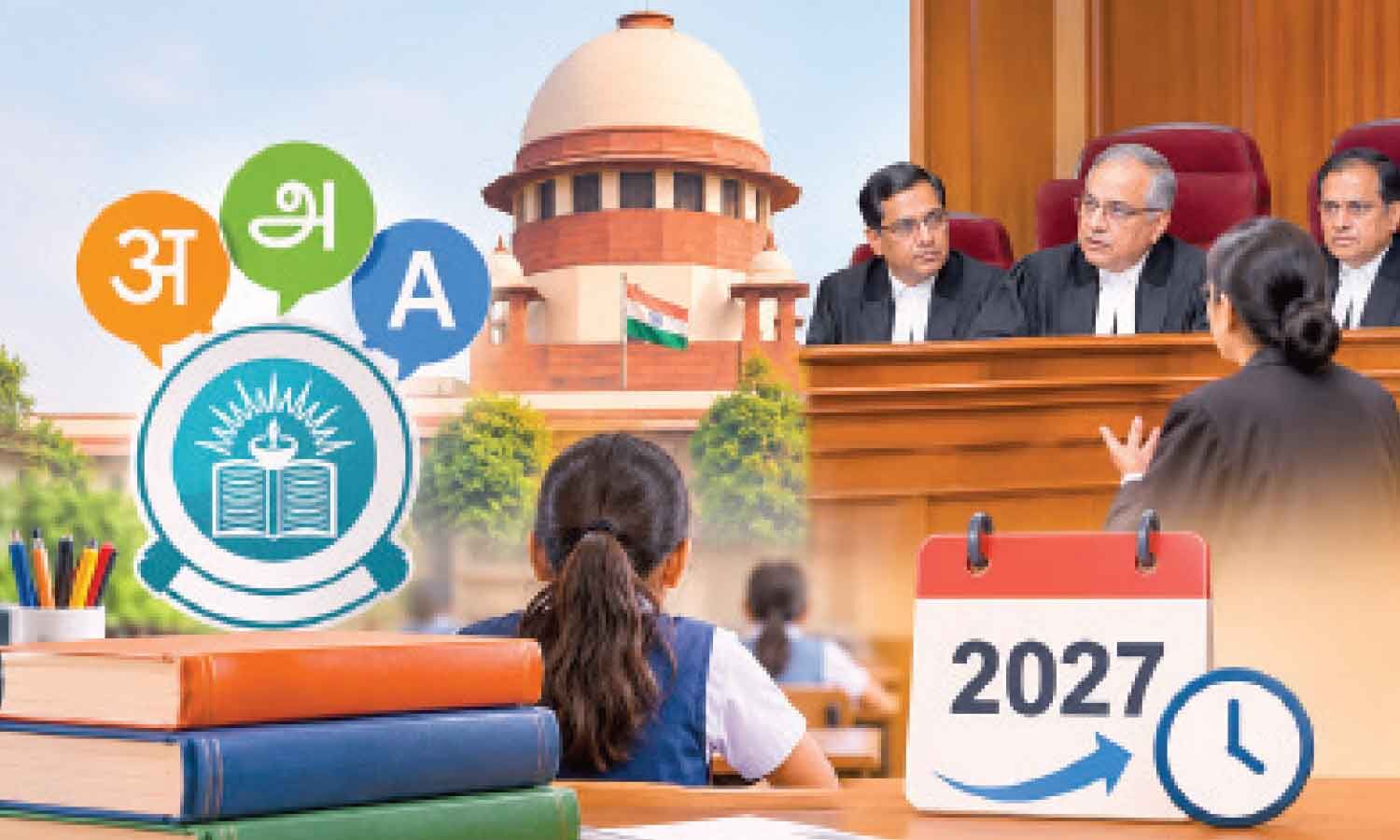
The Supreme Court directed or asked CBSE to extend Class 7’s third-language examination exemption to current Class 6 students, with reports differing on the order’s timing and wording.
Class 6 students will continue studying a third language but will not face a mandatory CBSE Board examination in it when they reach Class 10.
The Centre opposed the extension, saying nearly 99% of about 28,819 CBSE schools were prepared to implement the revised policy during the current academic year.
The revised framework requires three languages, including at least two Indian or “Bhartiya Bhashas,” prompting concerns over teachers, materials and reduced language choices.
Petitioners cited students being shifted from languages such as Spanish to Sanskrit, while the court sought implementation support for schools still facing difficulties.
- Who
- The Supreme Court, the Centre, CBSE, and petitioners challenging aspects of the revised language policy.
- What
- The court directed or asked CBSE to extend to current Class 6 students the third-language Board-examination exemption already given to students in Classes 7, 8 and 9.
- Where
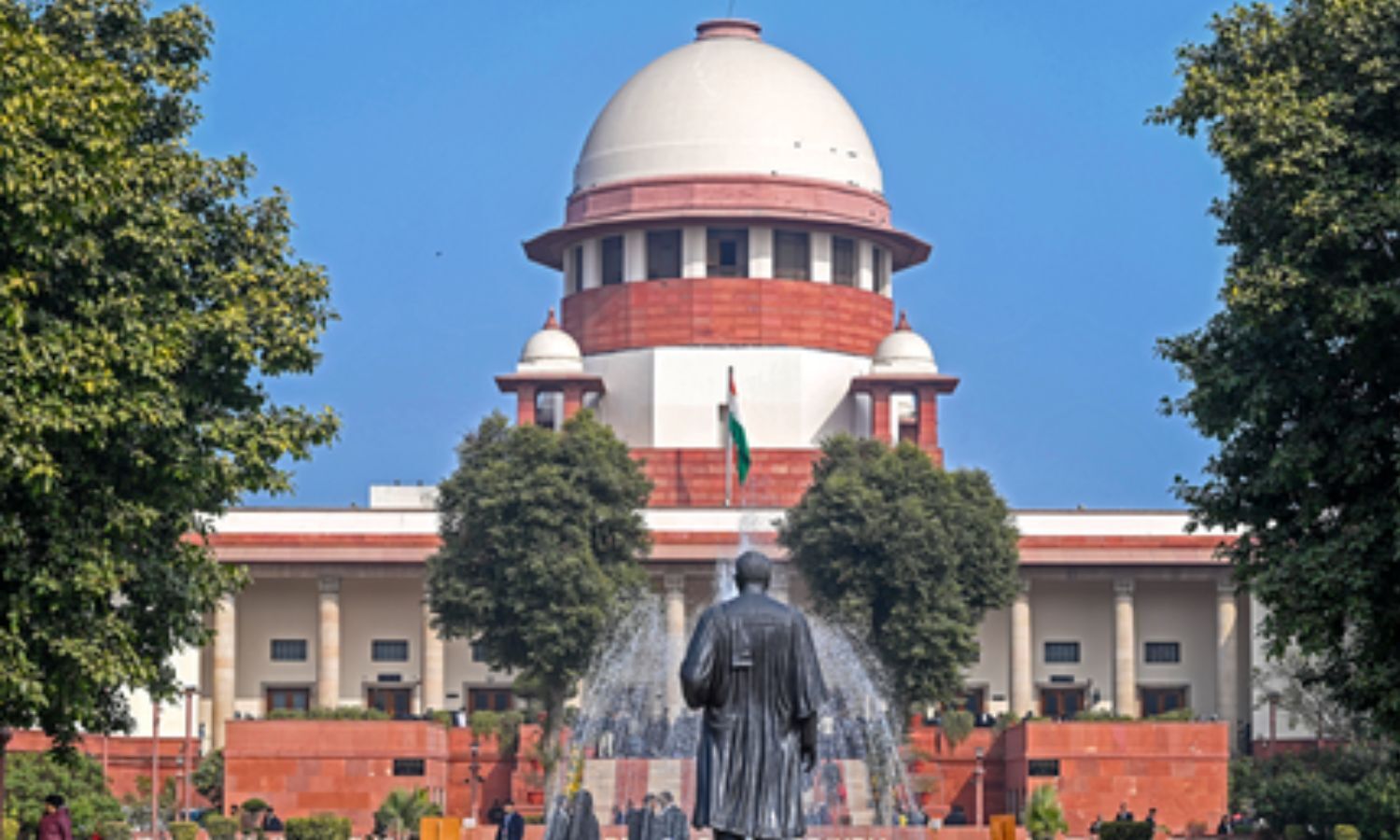
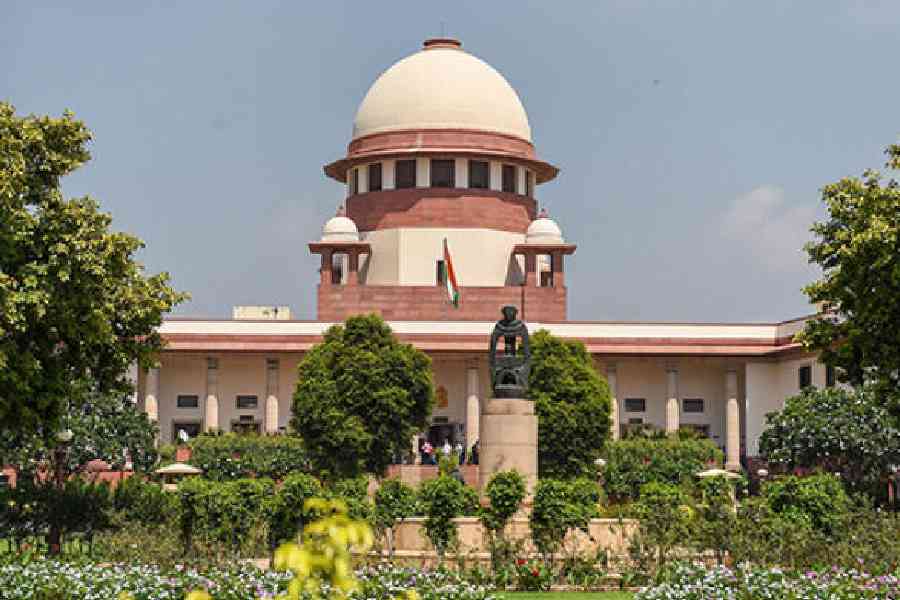
- The matter was heard by the Supreme Court of India in New Delhi.
- When
- The reports describe the direction as issued on Monday or Wednesday; the court scheduled further consideration after six weeks and sought CBSE’s reply within four weeks.
- Why
- The court considered implementation difficulties, including the availability of teachers, textbooks and learning materials, as well as concerns about changing students’ established language choices.
Exemption and Delayed Implementation
Immediate Policy Implementation
Treatment of Class 6 students
Exemption and Delayed Implementation
The Supreme Court and petitioners supported giving current Class 6 students the same transitional exemption as Classes 7, 8 and 9, so they would not face a mandatory third-language Board examination.
Immediate Policy Implementation
The Centre opposed extending the exemption and said the current Class 6 batch should follow the revised framework during the current academic year.
School preparedness
Exemption and Delayed Implementation
Petitioners and the court cited difficulties involving qualified teachers, textbooks, teaching materials and implementation after the academic session had begun.
Immediate Policy Implementation
The Centre said nearly 99% of schools were compliant and that books and other learning materials were available.
Effect on language choices
Exemption and Delayed Implementation
Petitioners argued that the policy could force students to change languages they had studied for several years, citing a Delhi Public School example involving a shift from Spanish to Sanskrit.
Immediate Policy Implementation
The Centre maintained that the revised three-language scheme could be implemented under the existing arrangements.
Key facts
- Exemption
- Current Class 6 students will not face a mandatory CBSE Board examination in the third language when they reach Class 10.
- Continued study
- Students will continue studying the third language, with assessment handled internally by schools under the transitional arrangement.
- Language requirement
- The revised framework requires three languages, including at least two Indian or “Bhartiya Bhashas.”
- School coverage
- The Centre said nearly 99% of approximately 28,819 CBSE-affiliated schools had the required facilities; about 1.2% had not.
- Government position
- The Centre opposed extending the relaxation to Class 6 and supported implementing the policy during the current academic year.
- Court follow-up
- CBSE was asked to file a reply within four weeks, with any rejoinder due within two weeks afterward; the pleas were listed after six weeks.
- Policy basis
- The dispute concerns CBSE’s alignment with the National Education Policy, 2020 and the National Curriculum Framework for School Education, 2023.
Quotes
Chief Justice Surya Kant
Chief Justice of India who suggested a committee to address implementation difficulties
“The Solicitor General has submitted that about 99 per cent of schools have adopted the third-language policy and have been provided the necessary facilities, and only about 1.2 per cent of the schools have not. In light of this, we direct that students of Class 6, like the students of Class 7, may be granted the same exemption as has been granted to students of Class 7.”
 deccanchronicle.com
 freepressjournal.in
“Why don't you do one thing? Appoint a committee of very responsible senior officers”
deccanchronicle.com
freepressjournal.in
Sources
Related news
Government Reconsiders CBSE Three-Language Rule for Class VI Students
Supreme Court Urges CBSE to Defer Class 6 Language Policy
Supreme Court Seeks Class VI Exemption From CBSE Language Policy
Centre Develops CBSE Three-Language Policy Implementation Plan

Teacher Raises Pressure Concerns Over Delayed NCERT Books

CBSE Announces Upcoming 2027 Board Exam Candidate Submissions

Delhi Government Forms Panel After Satya Niketan Collapse
Supreme Court Questions Bengaluru Infrastructure Amid Premium FAR Case

Supreme Court Seeks Former High Court Chief Justice Panel

Justice Datta Challenges Executive Control Over Judicial Appointments