

1 hr ago
US Blockade Chokes Trade and Livelihoods in Iran's Bandar Abbas
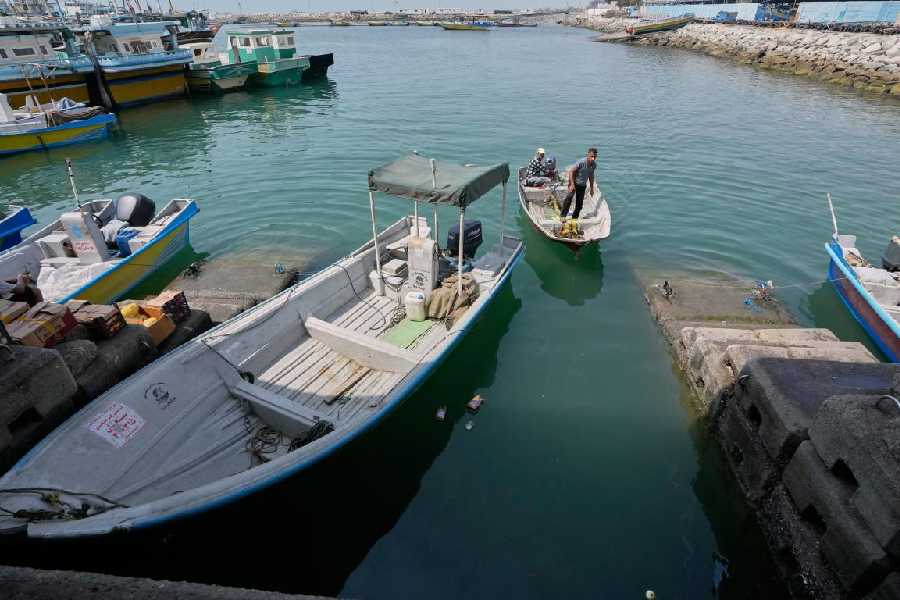
Bandar Abbas is an Iranian port city beside the Strait of Hormuz.
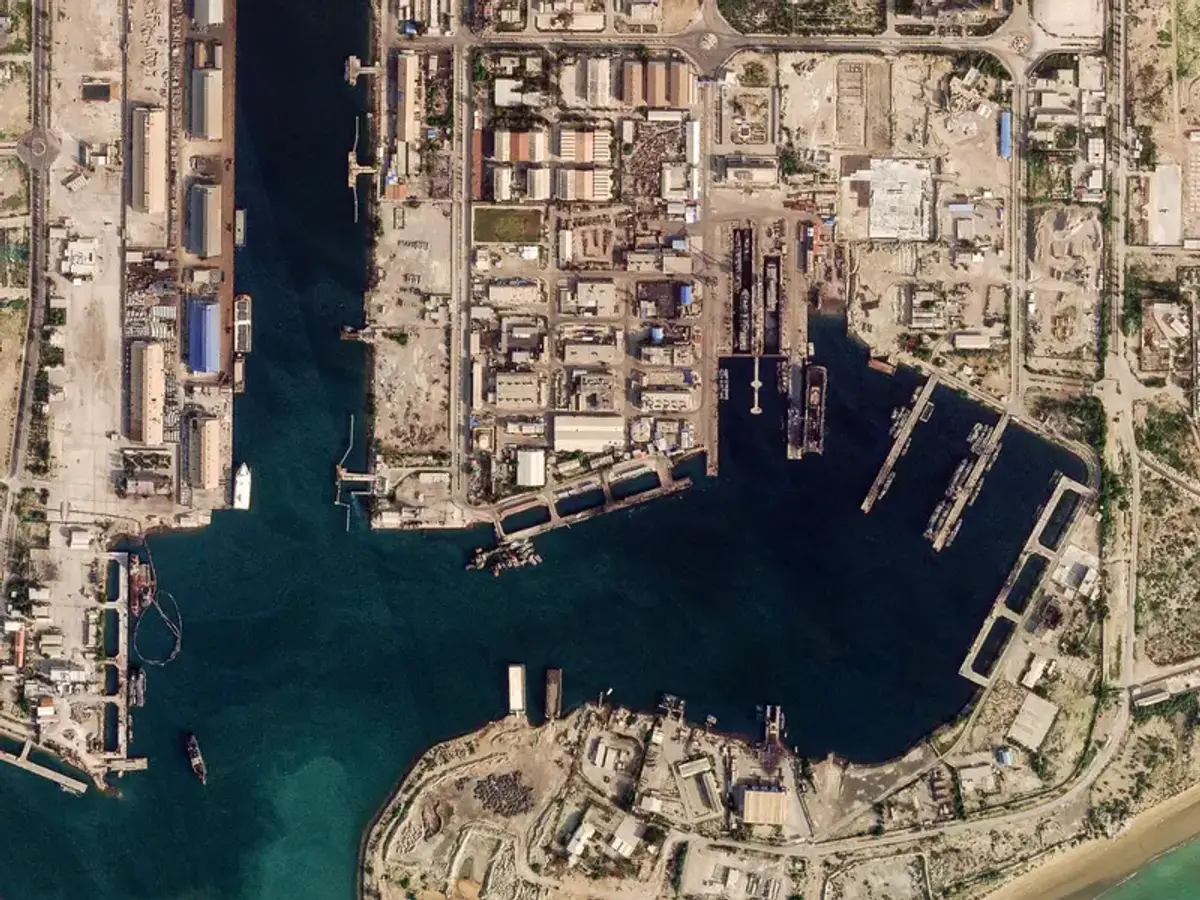
A war and a United States blockade have made it harder for ships and trucks to move goods.
Many dock workers and customs workers have lost much of their work.
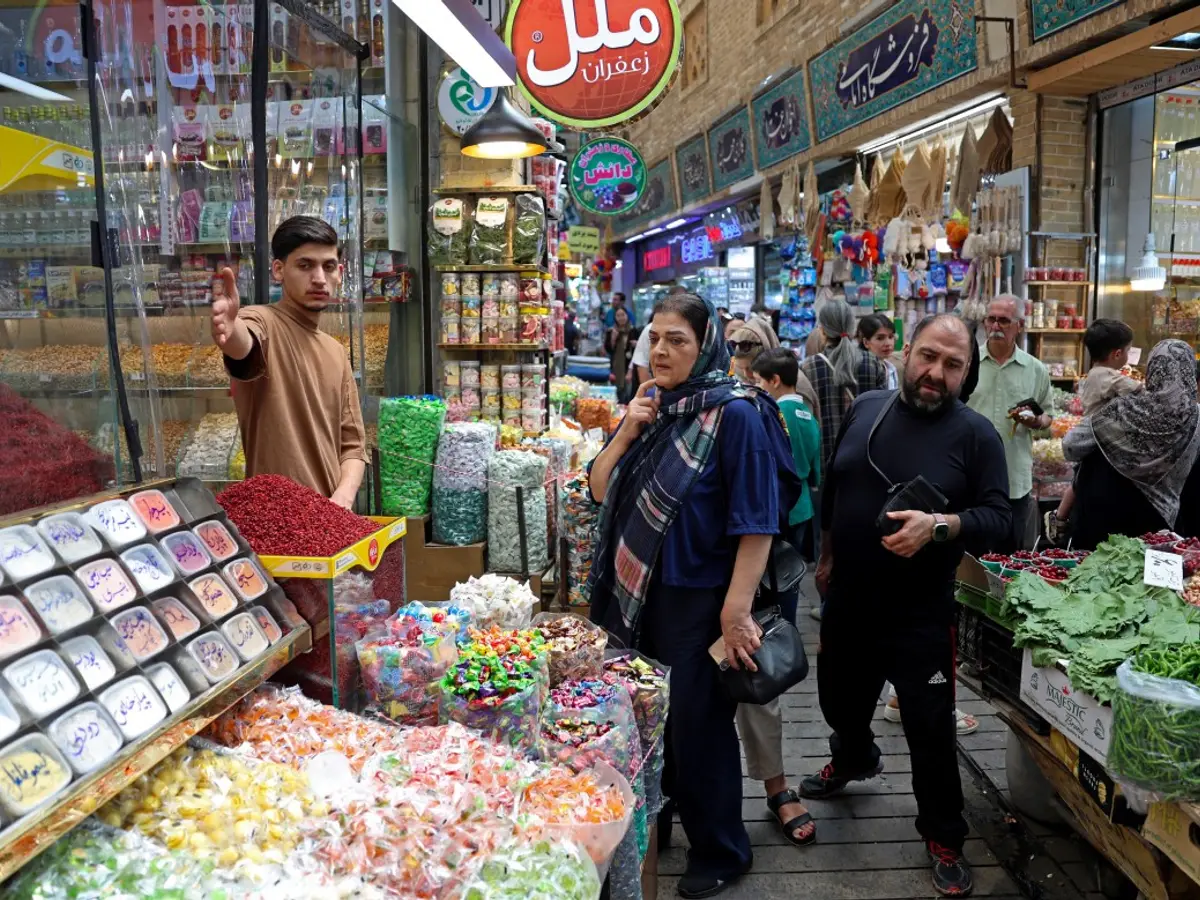
Shopkeepers also say fewer people can afford to buy things.
The problem began near Nowruz, an important Iranian shopping holiday.
Families are also spending less before schools reopen.
Boat drivers say the sea feels unsafe and they cannot travel as far as before.
Iranian officials oppose the blockade, while the United States says it is increasing pressure on Iran.

Bandar Abbas residents report worsening economic hardship as a US blockade continues.
A dock worker said daily food and meat truck deliveries have fallen sharply.
A customs company estimated its workload dropped by 80% to 90%.
Shopkeepers said sales declined as Iran’s currency weakened and customers disappeared.
Boat operators say security concerns limit travel, while fuel has become difficult to obtain.
- Who
- Residents, dock workers, merchants, boat operators and customs workers in Bandar Abbas, along with the United States and Iranian officials.
- What
- A US blockade and continuing war-related disruption are choking trade and reducing livelihoods in the Iranian port city.
- Where
- Bandar Abbas, Iran, on the Strait of Hormuz, including the Shahid Rajaee commercial port.
- When
- The disruption has lasted about six months; the blockade was imposed in April, and new US airstrikes occurred in the past week.
- Why
- The United States says it is intensifying economic pressure to prevent Iran from exporting oil after negotiations on ending the war collapsed; residents say the measures are damaging jobs and daily life.
Iranian Officials and Residents
United States Policy
Purpose of the blockade
Iranian Officials and Residents
Iranian officials sharply criticize the blockade, while residents describe lost jobs, weaker purchasing power and reduced trade.
United States Policy
The United States is using the blockade and additional economic pressure to keep Iran from exporting oil and to influence the course of the war.
Response to escalation
Iranian Officials and Residents
Iranian Parliament Speaker Mohammad Bagher Qalibaf warned that a stronger blockade would receive a military response.
United States Policy
Washington has vowed to increase economic pressure after negotiations with Tehran on ending the war fell apart.
Security and movement
Iranian Officials and Residents
Boat operators say the sea is unsafe, limiting travel and reducing passengers and income.
United States Policy
The article reports that US airstrikes targeted coastal areas in the past week, but does not provide a separate US explanation for those strikes.
Key facts
- Population
- Bandar Abbas has more than 700,000 residents.
- Port capacity
- Shahid Rajaee can handle 100 million metric tons of cargo annually, according to an Iranian state news agency report.
- Customs workload
- A customs-clearing company estimated that 80% to 90% of its workload had disappeared.
- Retail sales
- A children's clothing merchant said sales were down about half from the same period last year.
- Boat travel
- A motorboat driver said his work range fell from as far as 30 miles to about 7 or 8 miles.
- Trade disruption
- A dock worker said around 500 people had previously earned a living around the dock but that there was now little work.
- Shopping periods
- The war began shortly before Nowruz and disrupted preparations for the school reopening period in September.
Quotes
Mohammad Torabian
A dock worker who provides services to passengers in Bandar Abbas
“Before the war, business was good. Now I can't go beyond seven or eight miles. The sea is not safe.”
 telegraphindia.com
“There are simply no customers. The market has become very quiet.”
telegraphindia.com
Sources
Related news
Bandar Abbas Struggles as US-Iran Tensions Disrupt Strait Trade
Iran Faces Fresh US Sanctions as Tehran Vows Resistance

Hormuz traffic nears standstill as US vows indefinite Iran blockade
Iran Economy Strained as US Sanctions Intensify During War
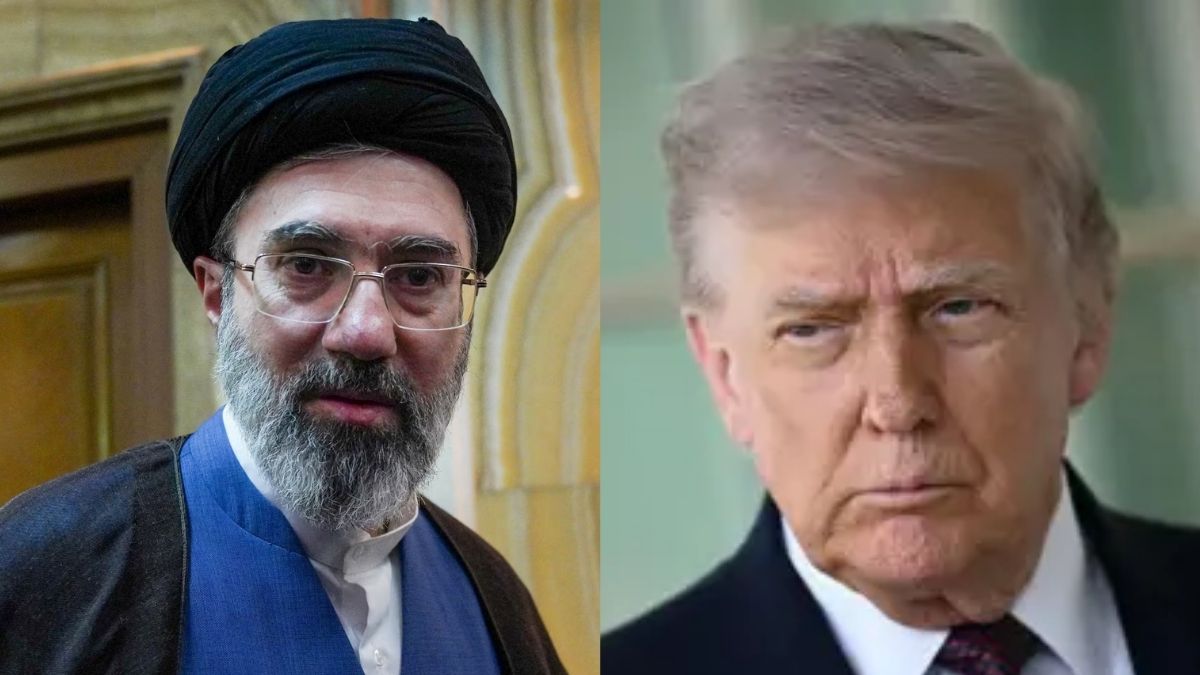
Iran War Enters Sixth Month as Sanctions Reshape Economy
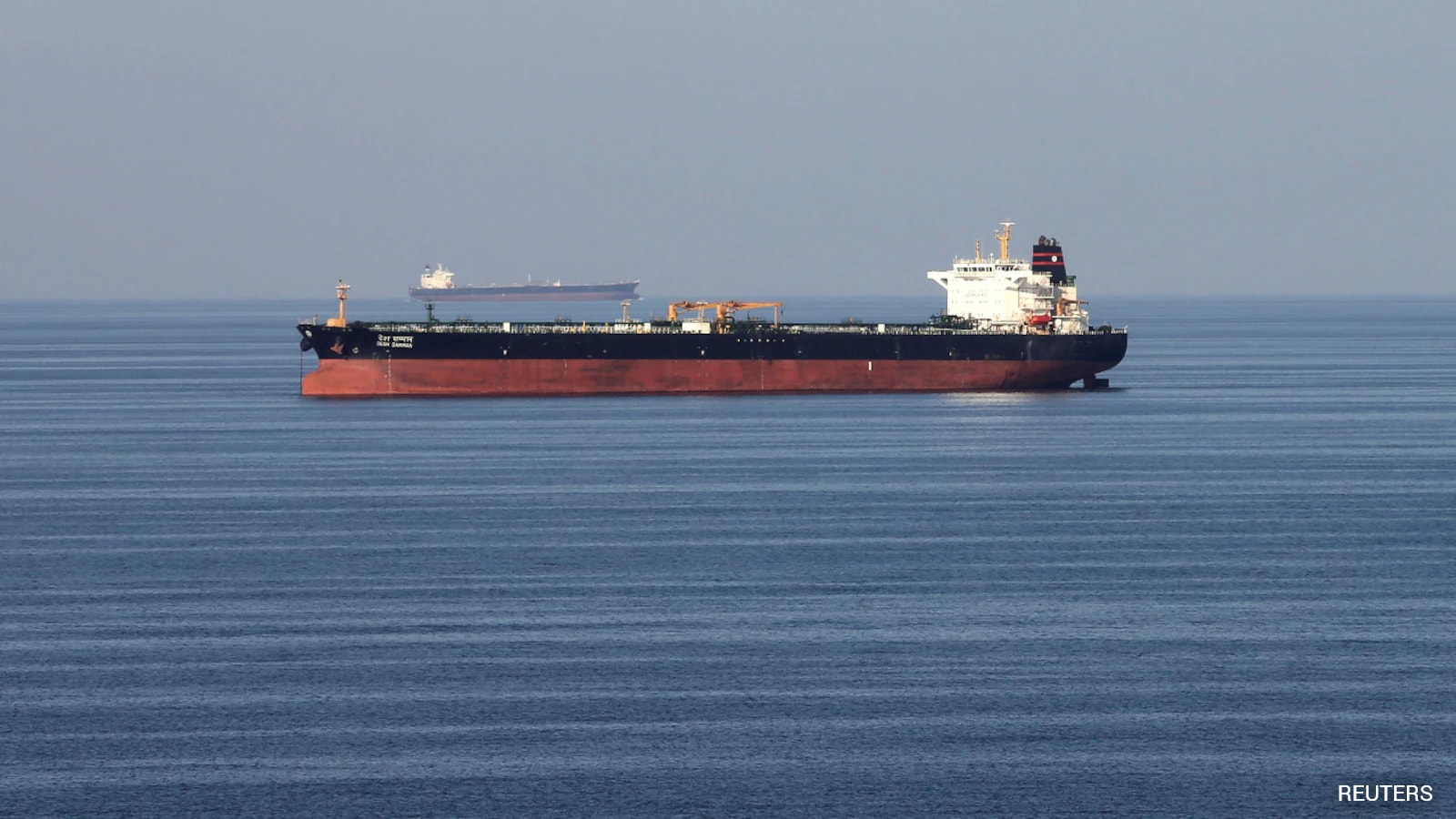
US threatens indefinite blockade of Iran as Hormuz talks stall

Why Indian Stock Markets Fell as Oil and Tensions Rose
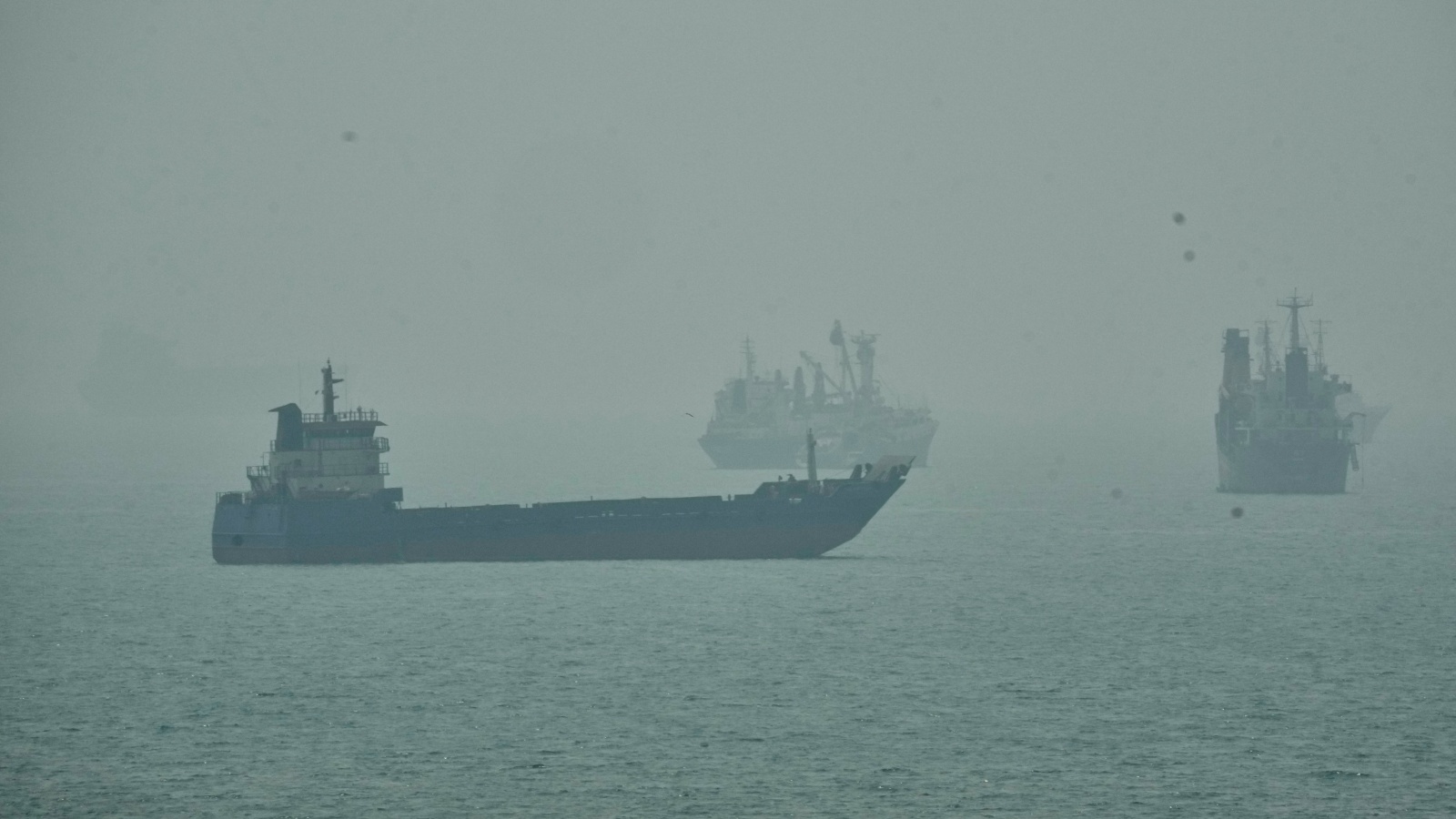
UAE Expands East Coast Ports Amid Strait of Hormuz Blockade

Indian Rupee Slips as Crude Nears $97 Amid Tensions

Indian Stocks Fall Below 23,800 as Oil Shock Deepens
