2 days ago
Gold Surpasses US Treasuries, But Dollar Dominance Persists
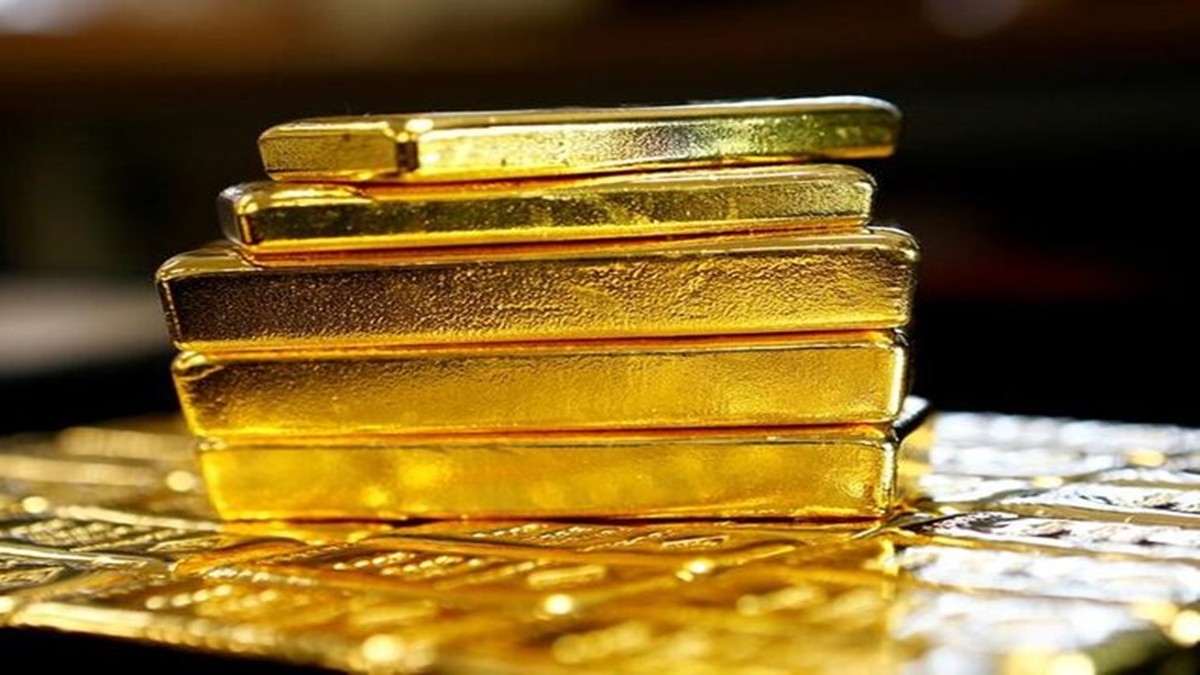
Central banks keep reserves, which are savings used by countries during difficult times.
Gold now makes up a larger share of these reserves than US government bonds or euros.
This does not necessarily mean countries are abandoning the US dollar.
Gold became much more expensive, so its share grew even if central banks did not buy much more of it.
The IMF says the dollar’s share of reserves actually increased in the first quarter of 2026.
Central banks are still buying gold because they see it as useful during crises and as a way to spread risk.
A World Gold Council survey found that many central banks expect gold to become even more important.
However, ECB President Christine Lagarde said gold can be difficult to use because it does not pay interest and costs money to store.

Gold made up 27% of official reserves at the end of 2025, exceeding US Treasuries at 22% and the euro at 15%.
The IMF reported that the US dollar’s reserve share rose from 56.42% in 2025Q4 to 57.13% in 2026Q1.
The IMF attributed gold’s rise over Treasuries mainly to a 65% increase in gold prices during 2025.
Central banks bought an average of about 1,000 tonnes of gold annually over the past four years, roughly twice the prior decade’s average.
ECB President Christine Lagarde cited gold’s volatility, storage costs, lack of yield, and limited supply flexibility as reserve-asset limitations.
- Who
- Central banks worldwide, the International Monetary Fund, the World Gold Council, and European Central Bank President Christine Lagarde.
- What
- Gold overtook US Treasuries as the largest component of global official reserves by share, while the US dollar’s reserve share remained stable or increased.
- Where
- In official foreign-exchange reserves held by central banks around the world.
- When
- Gold’s reserve share reached 27% at the end of 2025; the IMF’s cited dollar data covered 2026Q1, published July 1, 2026.
- Why
- Gold prices surged and central banks continued buying gold for crisis performance, value preservation, and portfolio diversification.
Gold’s Strategic Role
Gold’s Structural Limitations
Interpretation of gold’s rise
Gold’s Strategic Role
The World Gold Council’s survey indicates that central banks increasingly value gold for its performance during crises, its role as a store of value, and portfolio diversification.
Gold’s Structural Limitations
The IMF’s data suggests that gold’s larger reserve share does not demonstrate de-dollarization, because the dollar’s share of foreign-exchange reserves increased in 2026Q1.
Reasons for continued buying
Gold’s Strategic Role
Central banks have increased purchases, averaging about 1,000 tonnes annually over the past four years, and 89% of surveyed central banks expect official gold reserves to keep rising.
Gold’s Structural Limitations
The increase in gold’s reserve share was driven largely by its price surge, meaning the share can rise even without substantial additional purchases.
Gold as a reserve asset
Gold’s Strategic Role
Surveyed central banks broadly expect gold to become more important, with 84% anticipating a moderately or significantly higher share of gold in reserves within five years.
Gold’s Structural Limitations
Christine Lagarde said gold is volatile, produces no income, costs money to store physically, and has a supply that cannot adjust easily to changes in liquidity demand.
Key facts
- Gold reserve share
- 27% of official reserves at the end of 2025.
- US Treasury share
- 22% of official reserves at the end of 2025.
- Euro share
- 15% of official reserves at the end of 2025.
- US dollar share
- 57.13% in 2026Q1, up from 56.42% in 2025Q4, according to the IMF.
- Gold price performance
- Gold prices rose about 65% in 2025 and 25% in 2024.
- Central-bank purchases
- Central banks bought an average of about 1,000 tonnes annually over the past four years.
- Central-bank survey
- The World Gold Council found that 84% of respondents expect gold to hold a higher share of reserves in five years.
Quotes

Christine Lagarde
President of the European Central Bank
“Going forward, gold faces limitations as an official reserve asset compared with the major fiat currencies: its price is volatile, it is not remunerated, and, when held in physical form, it is costly to store. More importantly, the supply of gold is not fully elastic and does not adjust seamlessly to shifts in international demand for liquidity.”
 financialexpress.com
Sources
Related news

Gold Tops $4,600 as Central Banks Fuel Further Rally

Gold Surges 15% as ETFs and Central Banks Buy

Goldman Sachs Sees Gold Reaching $4,900 by End-2026
Central Banks Double Down as Indian Gold Buyers Turn Selective

Gold Climbs Above $4,600 as Dollar Debasement Fears Grow
India’s 880-Tonne Gold Stockpile Compared With Major Economies

Putin Faces Western Isolation While Russia Builds Non-Western Ties

India’s Global Power Ambitions Face Economic and Democratic Setbacks
India’s 7.8% Growth Broad-Based, but Jobs Remain Challenge

India Pursues Global Mineral Pacts to Secure Supply Chains

Nepal Plans New Landslide Warning System Along China Border