4 hrs ago
South Coast Railway Intensifies Water Quality Checks Across Facilities
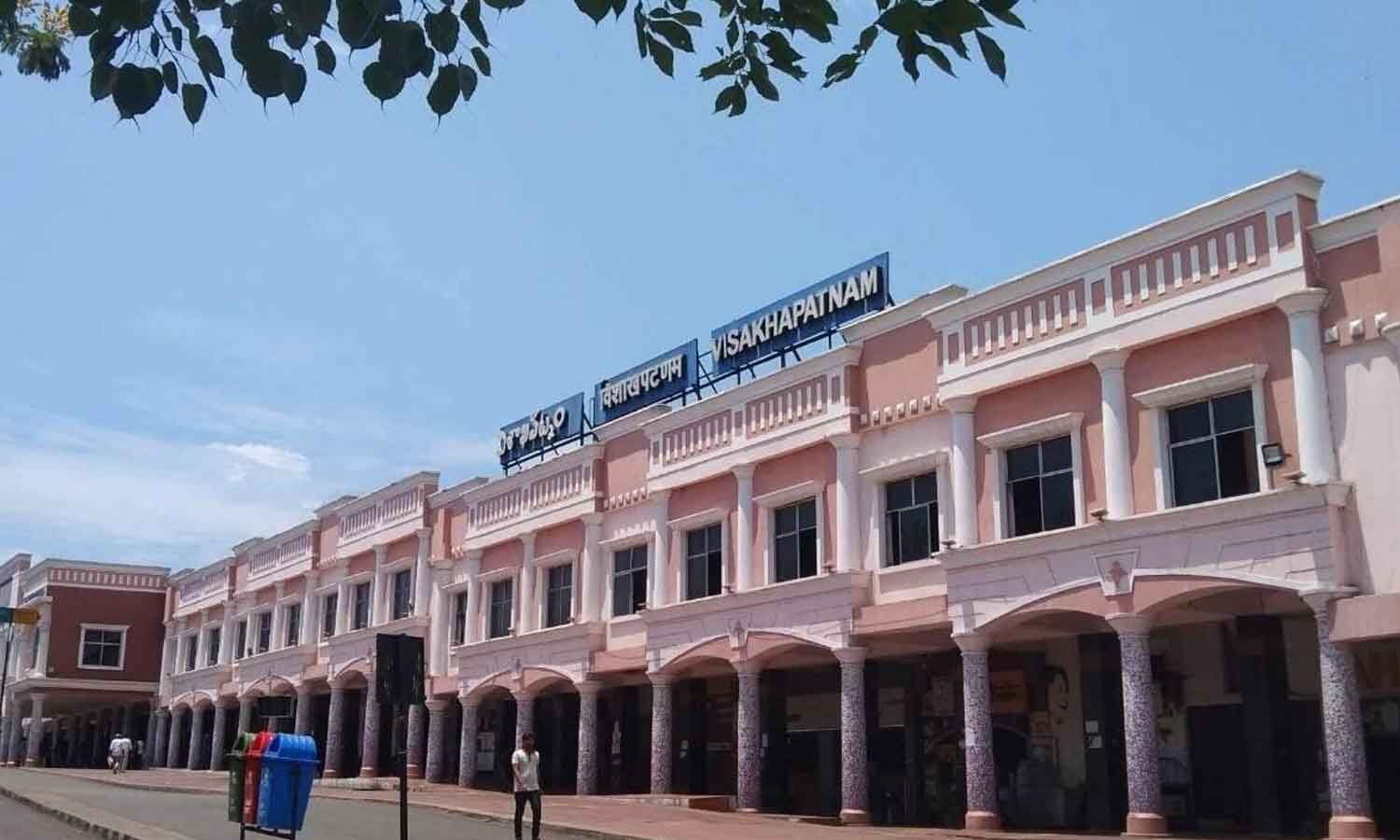
South Coast Railway checked whether drinking water was safe.
The checks covered stations, homes for railway workers, and railway hospitals.
Workers tested water in four railway divisions.
They checked chlorine, germs, and chemicals.
All the samples tested during the drive passed.
Officers were told to keep inspecting water supplies carefully.
If a sample fails, reservoirs, pipes, and coolers will be cleaned.
Testing will continue at different times during the year.

South Coast Railway launched a water-quality assurance drive across stations, colonies and railway hospitals.
The week-long drive tested 3,441 locations for residual chlorine, 211 samples bacteriologically and 28 chemically.
All tested samples passed the required safety checks across the railway’s four divisions.
General Manager Sandeep Mathur ordered frequent surprise inspections and strict vigilance by officers and supervisors.
Unfit samples would trigger deep cleaning, sanitary surveys and repeat testing before approval.
- Who
- South Coast Railway, supervised by senior officers and General Manager Sandeep Mathur.
- What
- A comprehensive drive to monitor and assure the safety of railway drinking water.
- Where
- Across railway stations, residential colonies and railway hospitals in South Coast Railway’s four divisions.
- When
- During a week-long drive; routine checks continue daily, monthly, bi-monthly and every six months depending on the test.
- Why
- To ensure safe, potable water for passengers, residents and other rail users.
Key facts
- Testing locations
- 3,441 locations were tested for residual chlorine.
- Bacteriological samples
- 211 samples were tested for bacteriological safety.
- Chemical samples
- 28 samples were tested against chemical standards.
- Test results
- All samples passed the tests.
- Residual chlorine checks
- Checks are conducted daily at source and supply points.
- Bacteriological testing
- Testing occurs monthly at major facilities and every two months at minor locations.
- Chemical testing
- Existing sources are tested every six months, while new sources undergo mandatory testing.
Sources
Related news
South Eastern Railway Expands Station Drinking Water Quality Measures
Indian Railways Launches Drive to Improve Station Drinking-Water Safety

Railways Launch 10-Day Water Cooler Inspection Drive After CAG Findings
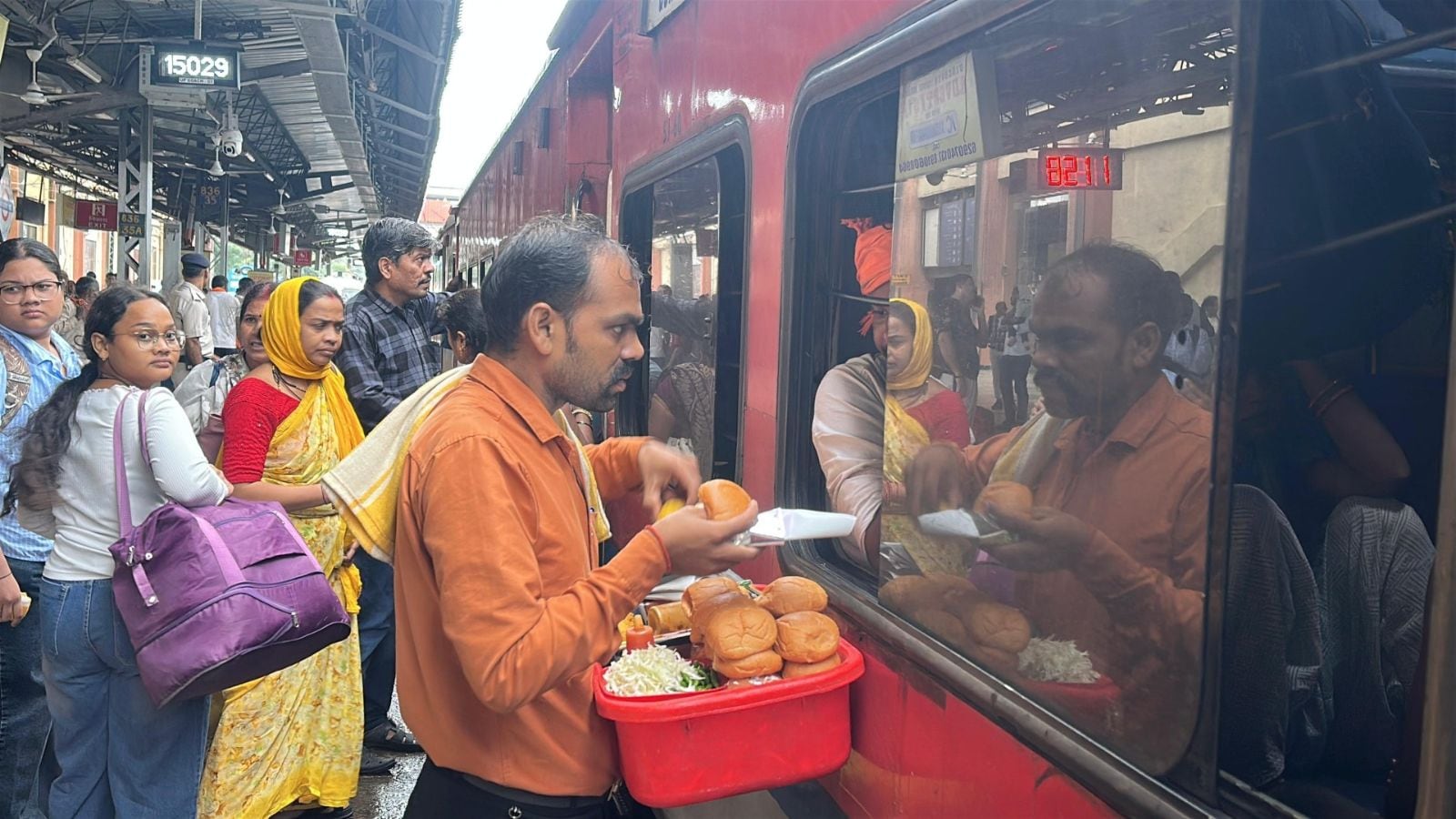
Railway Water and Food Quality Face Scrutiny in Bhopal
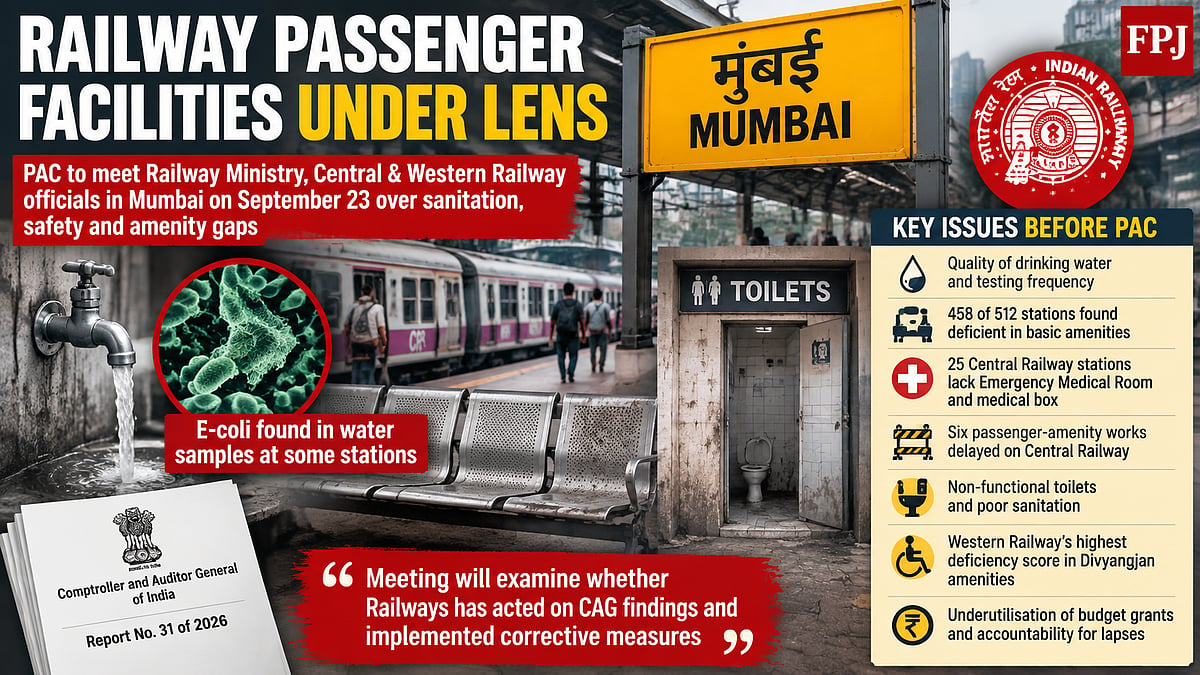
PAC To Probe Mumbai Railways' Water And Sanitation Gaps
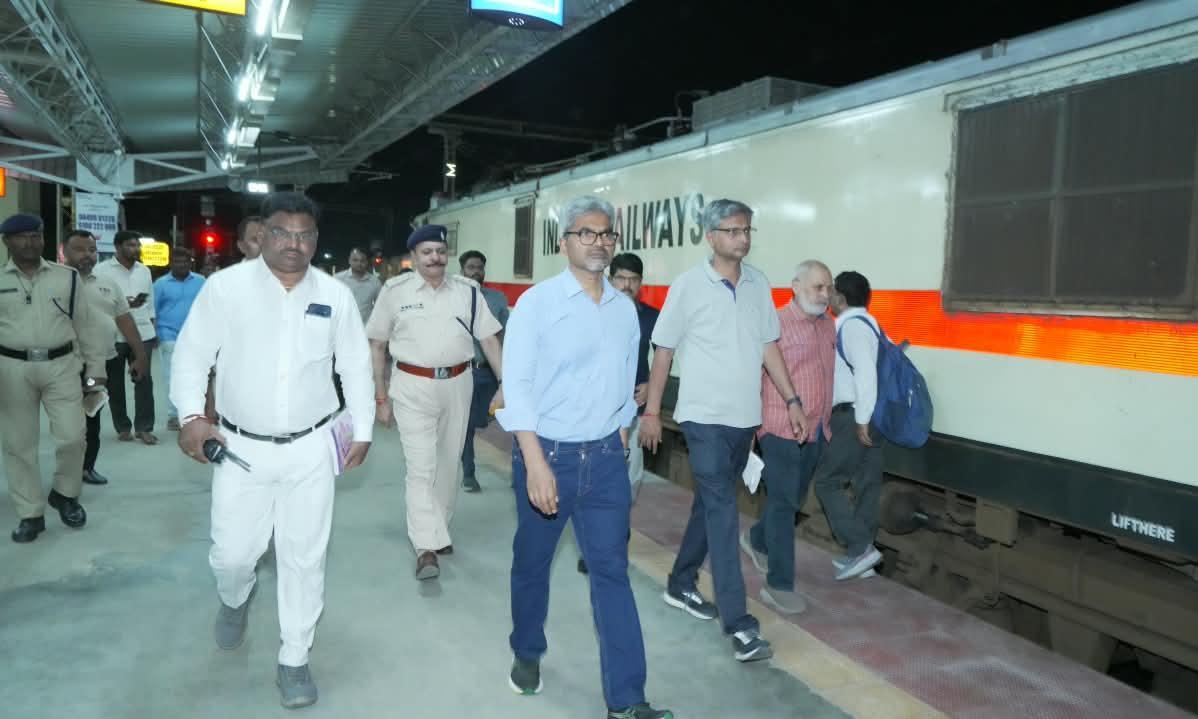
Railway GM Inspects Night Train Safety, Warangal Station Redevelopment
DRUA urges urgent repairs for unsafe Duvvada railway overbridge
South Coast Railway shifts wood pulp traffic to rail

Indian Railways Approves Projects to Boost Safety and Efficiency

First Kakinada Wood Pulp Rake Marks Shift From Road Rail