

1 hr ago
South Eastern Railway Expands Station Drinking Water Quality Measures
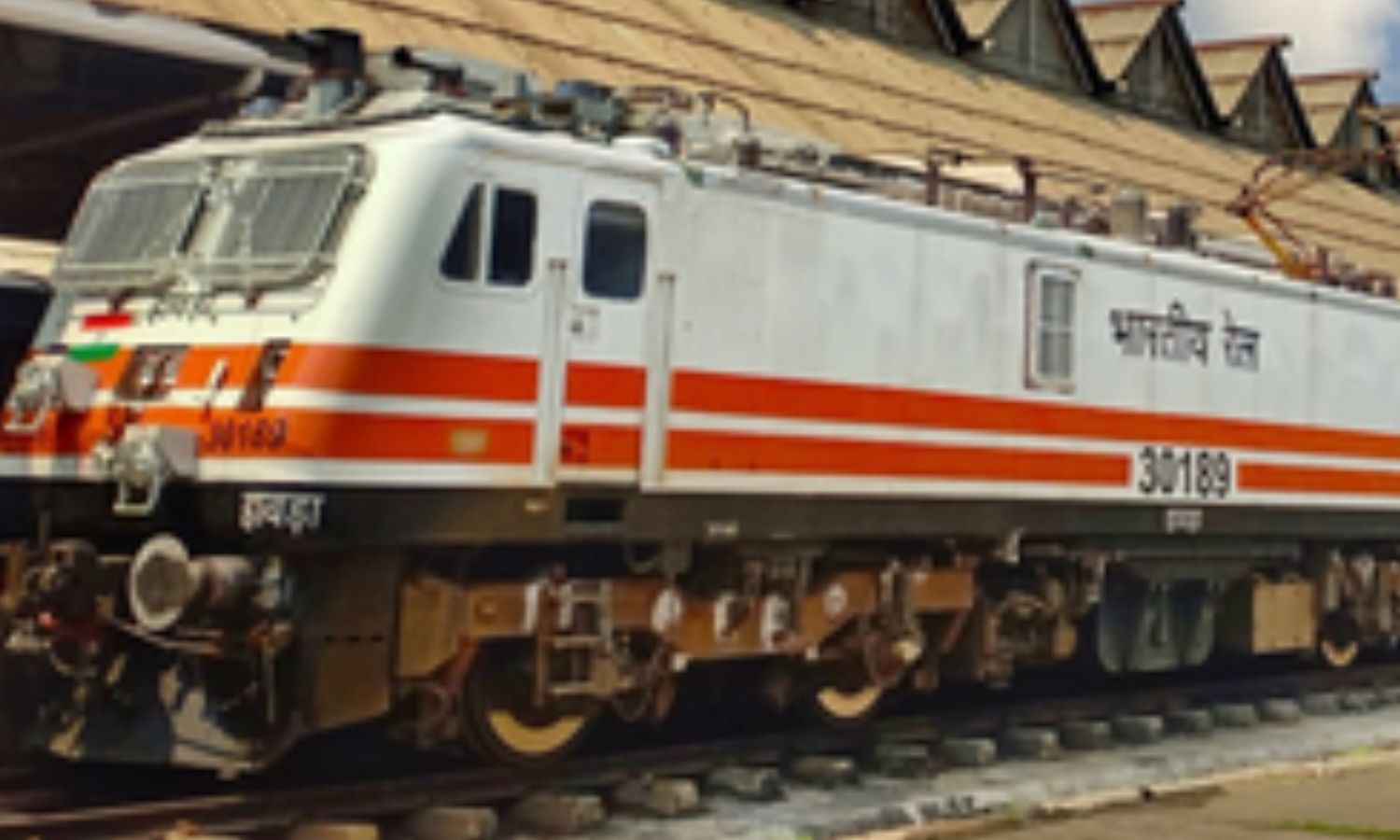
South Eastern Railway is working to make drinking water at its stations cleaner and safer.
Workers are checking tanks, pipes, taps, filters, and water booths.
They have cleaned more than half of the railway zone’s 24,033 water tanks.
They are also repairing damaged tanks and pipelines at many locations.
All 63 chlorination plants have been inspected.
Chlorination helps treat water before people drink it.
Railway teams have collected water samples to test for chlorine, bacteria, and chemicals.
These actions followed concerns raised by the Comptroller and Auditor General, after which the railway minister ordered corrective steps.

South Eastern Railway says it is inspecting, cleaning, repairing, and testing drinking-water systems across its stations.
Of 24,033 water tanks, 14,248, or 59.23%, have been cleaned, according to an official.
Repairs or replacements have been identified at 167 locations, including tanks, pipelines, filters, and related infrastructure.
All 63 chlorination plants have been attended to, while 52 of 55 pressure or gravity filters have been cleaned.
Railway officials say water quality testing includes 1,561 residual-chlorine, 283 bacteriological, and 21 chemical samples.
- Who
- South Eastern Railway, its maintenance and health or medical staff, Railway Minister Ashwini Vaishnaw, and the Comptroller and Auditor General of India are involved.
- What
- South Eastern Railway is undertaking inspections, cleaning, repairs, chlorination, maintenance, and testing to improve drinking-water availability and quality at stations.
- Where
- Across South Eastern Railway stations and sections, with the report issued from Kolkata.
- When
- The measures are ongoing; tanks are being cleaned monthly, and inspections and testing are conducted regularly.
- Why
- The measures were taken after the Comptroller and Auditor General flagged the quality of water supplied at stations and Ashwini Vaishnaw directed railway zones to respond.
Railway Response
Audit Concern
Water safety and infrastructure
Railway Response
South Eastern Railway says inspections, cleaning, repairs, chlorination, maintenance, and laboratory testing are being carried out to provide safe drinking water to passengers.
Audit Concern
The Comptroller and Auditor General flagged the quality of water supplied at stations, prompting Railway Minister Ashwini Vaishnaw to direct all zones to take corrective measures.
Progress of corrective work
Railway Response
Railway officials report that thousands of tanks have been cleaned, all chlorination plants have been attended to, and deficiencies are being addressed on a priority basis.
Audit Concern
The audit concern indicates that water-quality problems required wider corrective action, although the article does not provide the CAG’s specific findings or assess whether all problems have been resolved.
Key facts
- Railway zone
- South Eastern Railway
- Water tanks
- 14,248 of 24,033 tanks cleaned, equal to 59.23%
- Locations requiring attention
- 167 locations identified for infrastructure work
- Filter systems
- 52 of 55 pressure or gravity filters attended to and cleaned
- Chlorination plants
- All 63 plants attended to
- Water samples
- 1,561 residual-chlorine, 283 bacteriological, and 21 chemical samples collected
- Maintenance arrangement
- An Annual Maintenance Contract covers water coolers and purification units
Quotes
SER official
Official providing details of South Eastern Railway’s water-supply measures
“To address deficiencies in water-supply infrastructure, 167 locations have been identified for necessary attention. Damaged water tanks, pipelines, and filters at 39 locations are being replaced on a priority basis, while work at 33 locations is currently in progress. Further, pipelines at 81 locations have already been attended to for repair or replacement.”
 thehansindia.com
“Water quality monitoring is being carried out in coordination with the health/medical department. A total of 1,561 water samples for Residual Chlorine Level (RCL), 283 samples for bacteriological testing, and 21 samples for chemical testing have been collected as per the laid-down guidelines/protocol.”
thehansindia.com
Sources
Related news
Indian Railways Launches Drive to Improve Station Drinking-Water Safety

Railways Launch 10-Day Water Cooler Inspection Drive After CAG Findings
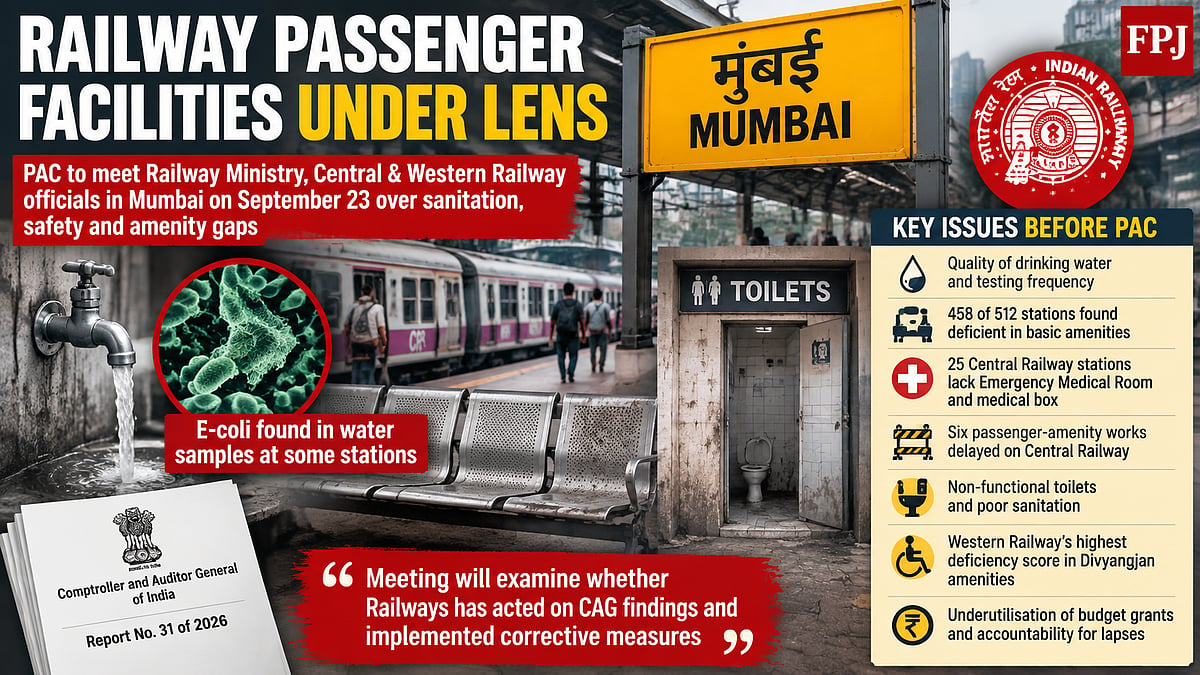
PAC To Probe Mumbai Railways' Water And Sanitation Gaps
Railway Water and Food Quality Face Scrutiny in Bhopal

Seawoods-Darave Station Draws Anger Over Maintenance Problems
Parliamentary Panel Seeks Railways’ Answers on Passenger Amenities
September 21 Assembly Headlines Span India, World, Sports
Vaishnaw Warns of Cyberattacks as India Expands Semiconductor Capabilities

India Bets on Youth to Build Global Semiconductor Giants

SEMICON India 2026 Highlights Industry Hurdles, Government Promises Action
