

1 day ago
US Launches Fresh Iran Strikes Near Strait of Hormuz
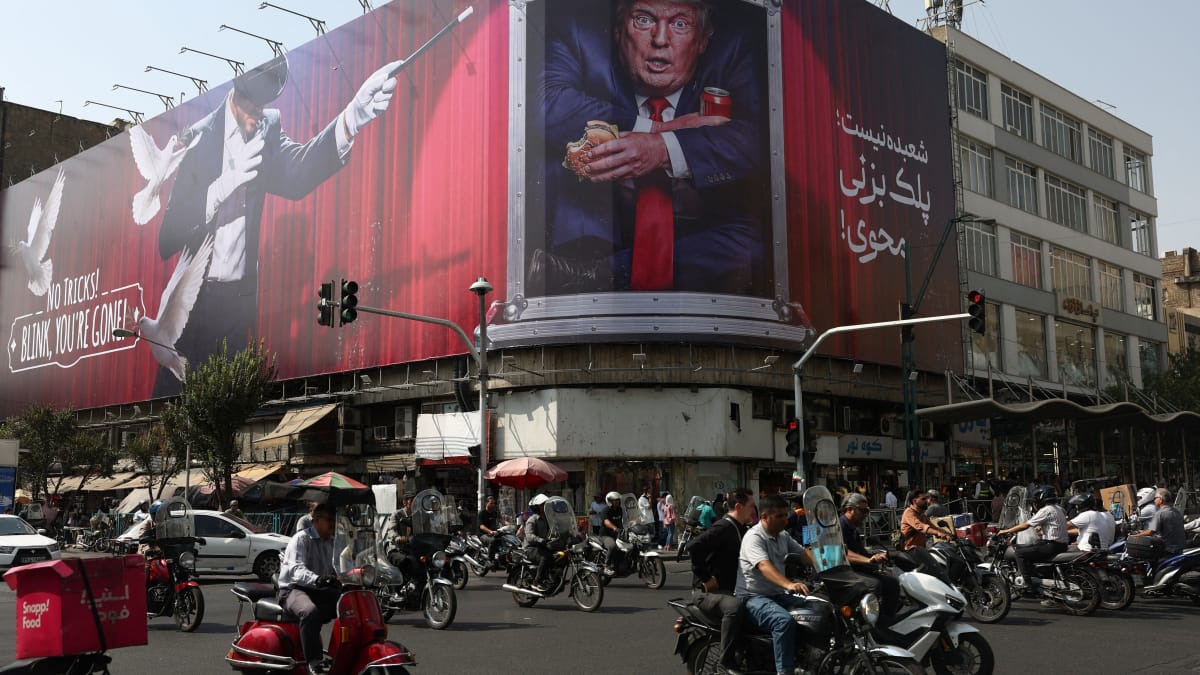
The United States attacked targets linked to Iran’s Revolutionary Guard.
America said this was a response to attacks involving ships and American troops.
Iran said explosions were reported in several places near the Strait of Hormuz.
Iran’s Revolutionary Guard warned that the United States would regret the attacks.
President Donald Trump said Iran would face an even bigger attack if it responded.
Iran has also threatened to stop oil exports from the Persian Gulf if pressure increases.
The two countries had recently reduced fighting under an agreement, but important disagreements remained.
The new attacks could make the conflict grow again.

The United States launched fresh air strikes on Islamic Revolutionary Guard Corps targets in Iran on Tuesday.
US Central Command said the strikes followed attempted attacks on commercial shipping and American service members.
Iran reported explosions on Qeshm Island, in Bandar Abbas and in Chabahar, though the scale of damage was unclear.
President Donald Trump warned Iran of a stronger attack if it retaliated, while Iran’s IRGC said Washington would regret the strikes.
The renewed fighting threatens to disrupt oil exports through the Strait of Hormuz and further undermine June’s Memorandum of Understanding.
- Who
- The United States, Iran, the Islamic Revolutionary Guard Corps and their leaders, including Donald Trump and Masoud Pezeshkian.
- What
- The United States launched fresh air strikes on Iranian targets, prompting Iranian threats of retaliation.
- Where
- Targets in Iran and areas around the Strait of Hormuz, including reports of explosions on Qeshm Island, in Bandar Abbas and in Chabahar.
- When
- Tuesday, September 1, following attacks exchanged over the preceding weekend.
- Why
- The United States said the strikes responded to attempted attacks on commercial shipping and American service members; Iran said it was responding to US pressure and attacks.
United States position
Iran position
Reason for the strikes
United States position
The United States said its strikes targeted the Islamic Revolutionary Guard Corps after attempted attacks on commercial shipping in the Strait of Hormuz and American service members.
Iran position
Iran condemned the attacks as aggression and said the United States would regret launching them.
Retaliation and escalation
United States position
Donald Trump warned that Iran would face a much stronger attack if it retaliated, adding that an even larger assault was prepared.
Iran position
Iranian officials said severe punishment awaited the attackers and that Tehran would respond militarily if Washington intensified its pressure.
Shipping and oil exports
United States position
The United States linked its action to threats against commercial shipping in the Strait of Hormuz.
Iran position
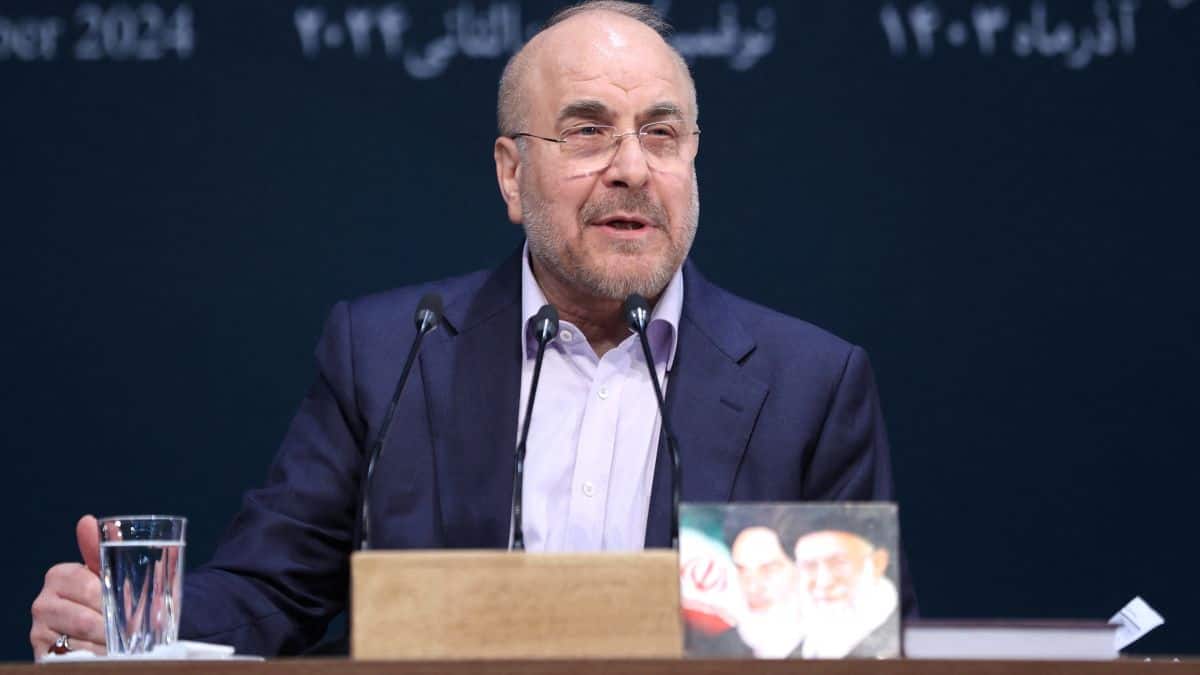
Iranian Parliament Speaker Mohammad Baqer Qalibaf said that if Iran were prevented from exporting oil from the Persian Gulf, no one would be able to export it.
Negotiations
United States position
The US and Iran had a June agreement intended to halt fighting and allow broader negotiations, but the negotiation period ended without a further agreement.
Iran position
Iranian President Masoud Pezeshkian said Tehran would immediately reciprocate if Washington returned to its commitments, while Foreign Ministry spokesman Esmaeil Baghaei accused Washington of making excessive demands.
Key facts
- US operation
- US Central Command said forces began striking Islamic Revolutionary Guard Corps targets at 12 p.m. ET, or 1600 GMT, on Tuesday.
- Reported Iranian locations
- Explosions were reported on Qeshm Island and in the port cities of Bandar Abbas and Chabahar.
- Earlier exchange
- US forces attacked Larak Island on Sunday, and Iran launched missiles at two US air bases in Jordan.
- Trump’s warning
- Donald Trump threatened a stronger US attack if Iran retaliated.
- Iranian warning
- Iranian officials threatened military retaliation and said oil exports from the Persian Gulf could be halted.
- Diplomatic framework
- A June Memorandum of Understanding created a 60-day negotiation period, which ended without a further agreement.
- Conflict toll
- The conflict has killed thousands in Iran and Lebanon since US and Israeli strikes began on February 28.
Quotes

U.S. Central Command
U.S. military command responsible for operations in the region
“If the failed Nation of Iran retaliates for this very justified attack, they will be hit again at a much harder and higher level, but it will not be the biggest attack of them all, that is waiting in the wings and, when it is over, there will be very little left of the Islamic Republic of Iran!”
 firstpost.com
“Today at 12 p.m. ET (1600 GMT), U.S. forces began striking Islamic Revolutionary Guard Corps (IRGC) targets in Iran. The strikes follow recent attempted attacks by the IRGC against commercial shipping in the Strait of Hormuz and against American service members deployed to the region.”
 theprint.in

Esmaeil Baghaei
Iranian Foreign Ministry spokesman
“Severe punishment awaits the aggressors; the United States will regret its new attacks.”
firstpost.com
“addicted to making excessive demands and has mistaken negotiations for dictating terms”
theprint.in
Sources
Related news

US Strikes Iran Near Hormuz as Tehran Threatens Retaliation
US-Iran Conflict Escalates After Iranian Missile and Drone Retaliation
US Launches Strikes on Iran After Attacks on Bases
U.S. Strikes Iran as Regional Hostilities Flare Again

US and Iran Exchange New Strikes as Gulf Conflict Widens
Iran Seizes Fuel-Smuggling Vessel in Gulf, Arrests 11 Crew
Trump Floats Renaming Strait of Hormuz as “Trump Strait”

Chevron Plans $7 Billion Venezuela Expansion Amid U.S. Oil Push
Saudi Tanker Hit in Hormuz, Killing Two Filipino Sailors

Indian Stocks Extend Three-Day Losing Streak as Oil Rises