

2 hrs ago
Trump’s Iran War Expands as US Troop Deployments Reach 2027
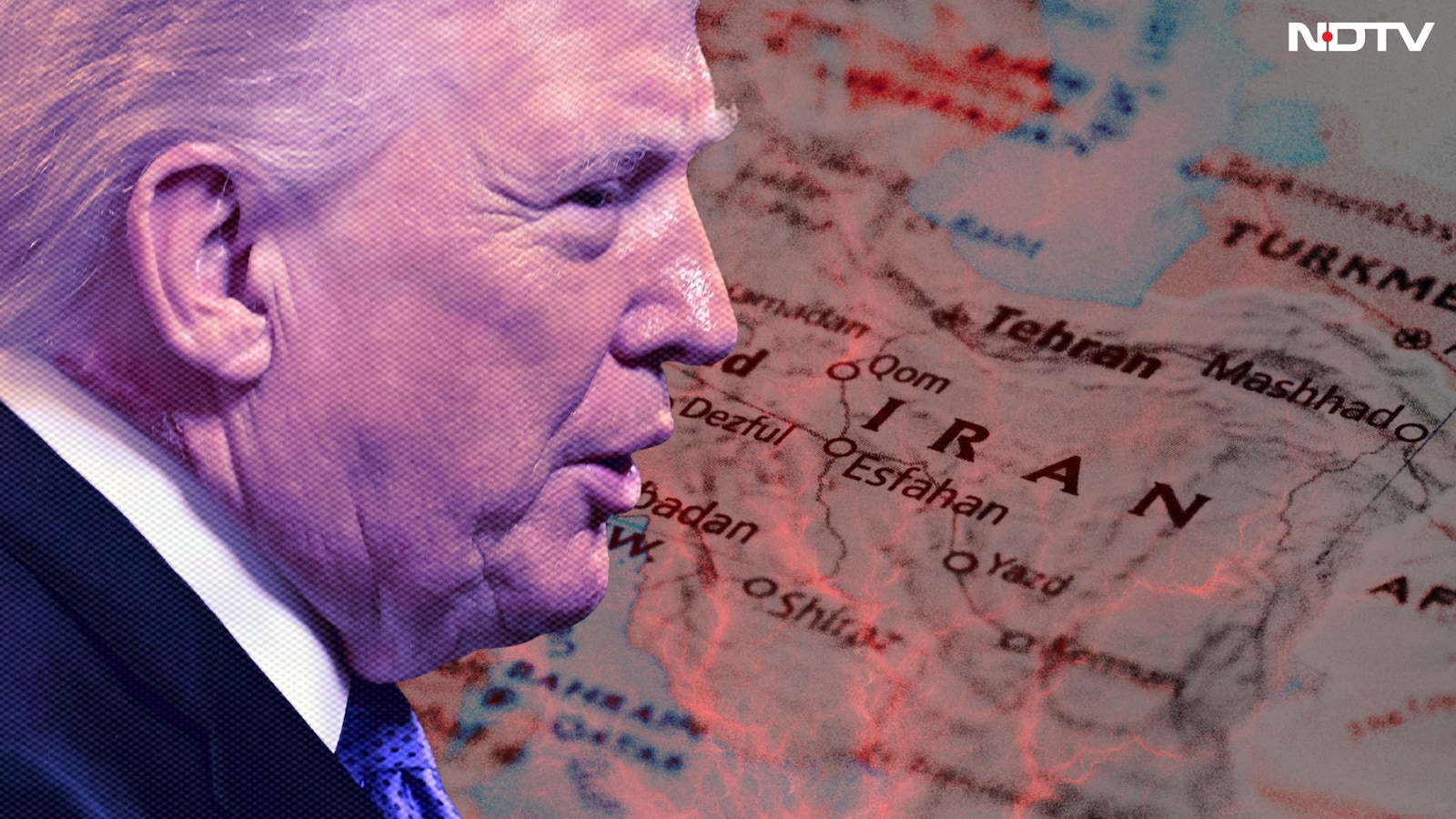
The United States has many soldiers and ships in the Middle East because of its conflict with Iran.
Some troops who expected to leave sooner may now stay until 2027.
The military has about 50,000 troops and 19 warships in the region.
Longer deployments are tiring soldiers, their families and military equipment.
Two Navy destroyers have spent several months at sea enforcing a blockade.
President Donald Trump says the United States can launch more attacks whenever it wants.
At the same time, his administration is trying to weaken Iran’s economy with pressure and possible sanctions.
Trump’s aides are concerned that a larger war could affect Republican candidates in the midterm elections.

The United States is extending some Middle East troop deployments into 2027, according to The Wall Street Journal.
About 50,000 US troops, 19 warships, fighter squadrons, air defenses and paratroopers are in the region.
Some air-defense deployments have grown from nine to 12 months, while other units have served for more than a year.
The extended deployments are straining service members, their families and military equipment, including Navy crews at sea.
Donald Trump is weighing continued strikes and economic pressure, while aides worry that escalation could hurt Republicans in the November midterm elections.
- Who
- The United States, President Donald Trump, Defense Secretary Pete Hegseth and Iran are central to the report.
- What
- Some US military deployments in the Middle East are being extended into 2027 as Washington considers further strikes and economic pressure on Iran.
- Where
- The deployments are in the Middle East, including the Strait of Hormuz.
- When
- The reported extensions reach into 2027; the article also references decisions and statements made on Wednesday and the November midterm elections.
- Why
- The administration wants military and economic leverage over Iran, including pressure intended to bring its leadership back to negotiations and potentially dismantle its nuclear program.
Military escalation and continued strikes
Economic pressure and limiting escalation
Next phase of the conflict
Military escalation and continued strikes
Donald Trump says the United States remains prepared to launch more strikes on Iran whenever it wants, while the administration is maintaining military options.
Economic pressure and limiting escalation
The administration is pivoting toward severe economic pressure, and Trump is privately discussing whether to declare the war over if pressure produces results.
Political consequences
Military escalation and continued strikes
Trump says he is not considering electoral outcomes when making decisions about the war.
Economic pressure and limiting escalation
Trump’s aides are concerned that expanding the conflict could negatively affect Republican candidates in the November midterm elections.
Impact on the military
Military escalation and continued strikes
The expanded deployment gives the United States more options and keeps forces positioned in the region.
Economic pressure and limiting escalation
Longer deployments are straining service members, their families and military equipment, with some ships remaining at sea for months instead of taking breaks.
Key facts
- US troops in region
- About 50,000
- US warships in Middle East
- 19, including two aircraft carriers and 13 guided-missile destroyers
- Deployment extension
- Some US troop deployments are being extended into 2027
- Air-defense deployments
- Extended from nine months to 12 months
- Named destroyers
- USS Delbert D. Black and USS Spruance
- Military mission
- The destroyers are helping enforce a blockade
- Economic measures
- Washington has threatened sanctions on Iran’s trade partners
Quotes

Donald Trump
President of the United States commenting on the military and economic pressure on Iran
“I like our position now much better, with almost total control of the Hormuz Strait, and their economy totally collapsing. They are just playing out the inevitable. When are the Iranian people going to rise up and fight?”
 NDTV
NDTV
“We saw that they were building it. We see everything that they're doing. They can't move. They can't go to the bathroom without us seeing it. So we saw that. We took it out. We took out some other things...”
NDTV
Sources
Related news

Longer Middle East Deployments Strain U.S. Forces in Iran Conflict
Trump’s Iran War Reaches Six Months as Strategy Shifts

Hegseth: US can sustain Iran naval blockade indefinitely amid standoff
Trump says US 'low-keying' standoff with Iran, like chess
Trump Aides Seek to Keep Iran War Quiet Before Midterms

Trump Shifts Iran Strategy Amid Strait Of Hormuz Deadlock
Xi Jinping Signals Regional Security Shift During Egypt Visit
Trump Questions Future United States Support for UK in Falklands

India’s 7.8% Growth Sparks Debate Over GDP Credibility
Netanyahu Says Iran Regime Overthrow Is Within Reach
Trump’s Hormuz Strategy Seeks Alternative Energy Routes
