

8 hrs ago
El Niño Rainfall Deficit Threatens Sugar, Farms and Rural Demand
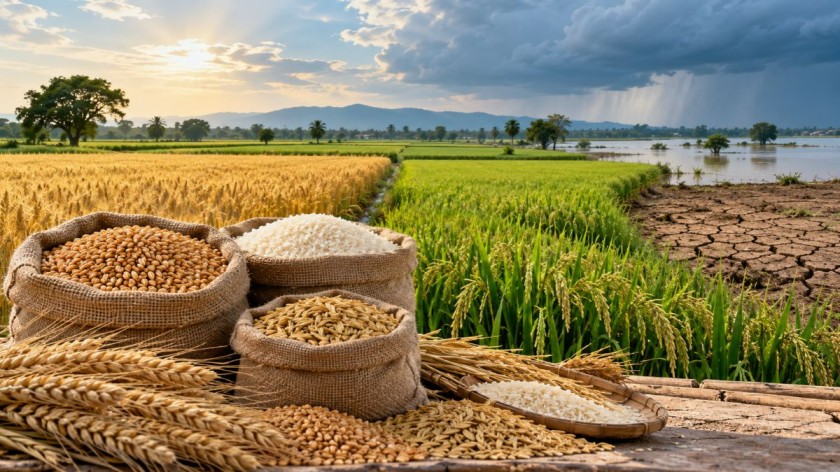
India has received less rain than usual, and the article says El Niño may keep affecting the weather.
Less rain can make it harder to grow crops and keep enough water for farms.
Sugar production is expected to be lower than earlier forecast.
Food prices may rise, making groceries more expensive.
If farmers earn less, they may spend less on tractors, motorbikes, and other goods.
That could also affect businesses and lenders that serve rural areas.
One economist says other farm-related activities may soften the effect on agricultural growth.
The effects could continue over the next two quarters.

The article reports a 12% monsoon rainfall deficit, with more than 40% of India’s area receiving deficient rain.
USDA cut its 2026–27 sugar production forecast for India to 29.5 million tonnes from 33.6 million tonnes.
Nomura expects food and beverage inflation to reach 8.5%–9% year-on-year in October and November.
Economists warn that weaker crop prospects could slow agricultural growth and reduce rural sales of tractors and two-wheelers.
Rural-focused lenders may face slower credit growth and asset-quality risks, though overall NBFC asset quality is expected to remain stable.
- Who
- Indian farmers, rural businesses, consumers and lenders; economists and agencies cited include the USDA, Nomura, IDFC First Bank and Kotak.
- What
- A reported monsoon rainfall deficit and El Niño-related risks are expected to affect sugar output, food inflation, farm growth, rural demand and lenders.
- Where
- India, including drought-affected parts of Maharashtra and Karnataka and areas with deficient rainfall.
- When
- The article discusses the 2026 monsoon, the 2026–27 sugar season, and possible effects over the next two quarters.
- Why
- Rainfall shortages, water deficits and below-normal reservoir levels threaten crops and irrigation, with possible knock-on effects for prices and rural spending.
Risks and slowdown concerns
Factors that may cushion the impact
Agricultural growth
Risks and slowdown concerns
IDFC First Bank’s Gaura Sengupta expects agricultural GVA growth to slow because of a weaker crop outlook and irrigation risks to Rabi crops.
Factors that may cushion the impact
Sengupta said the slowdown may be less pronounced than last year because allied activities now account for nearly 50% of agricultural GVA.
Lender asset quality
Risks and slowdown concerns
Kotak’s Shrikant Chouhan warned that public-sector banks and rural-focused NBFCs could see slower credit growth and deterioration in asset quality.
Factors that may cushion the impact
Kotak Institutional Equities expects overall NBFC asset quality to remain stable, while anticipating more cautious management guidance.
Key facts
- Reported rainfall deficit
- 12%
- Area receiving deficient rainfall
- More than 40% of the country, according to the article
- USDA sugar forecast, 2026–27
- 29.5 million metric tonnes, reduced from 33.6 million tonnes
- Projected sugarcane production
- 434 million tonnes, compared with 455 million tonnes in the previous season
- Nomura food and beverage inflation forecast
- 8.5%–9.0% year-on-year in October and November
- El Niño outlook
- Expected to persist until March–May 2027
- Potential impact period
- Economic effects of lower agricultural output may continue for more than two quarters
Quotes
Shrikant Chouhan
Head of Equity Research at Kotak Neo.
“PSU Banks and rural-heavy NBFCs can experience slow down in credit growth and asset-quality deterioration (NPAs)”
 financialexpress.com
“Agricultural GVA growth is expected to slow due to lower crop outlook.”
financialexpress.com

USDA
The US Department of Agriculture, cited in its sugar production outlook.
“A severe rainfall deficit in 2026 is expected to reduce sucrose content in the cane, lowering effective harvesting area and overall cane production.”
financialexpress.com
Sources
Related news

India Faces Driest Monsoon Since 2009, Raising Food-Price Fears
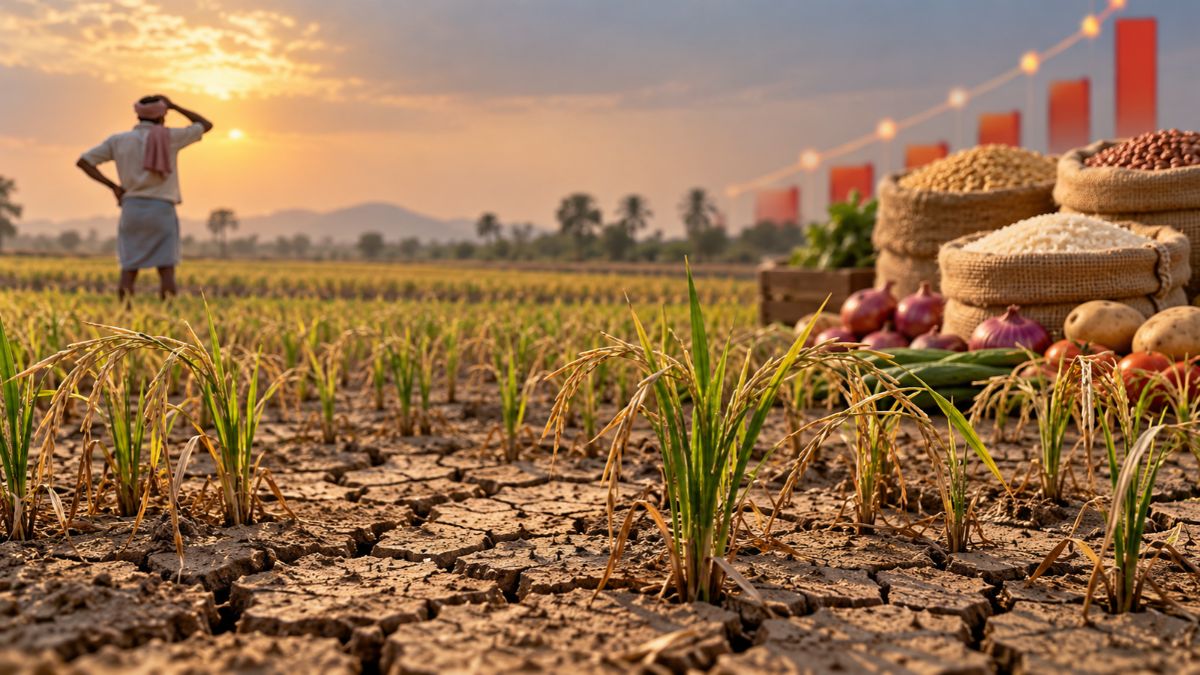
India’s 13% Monsoon Deficit Raises Crop and Inflation Fears
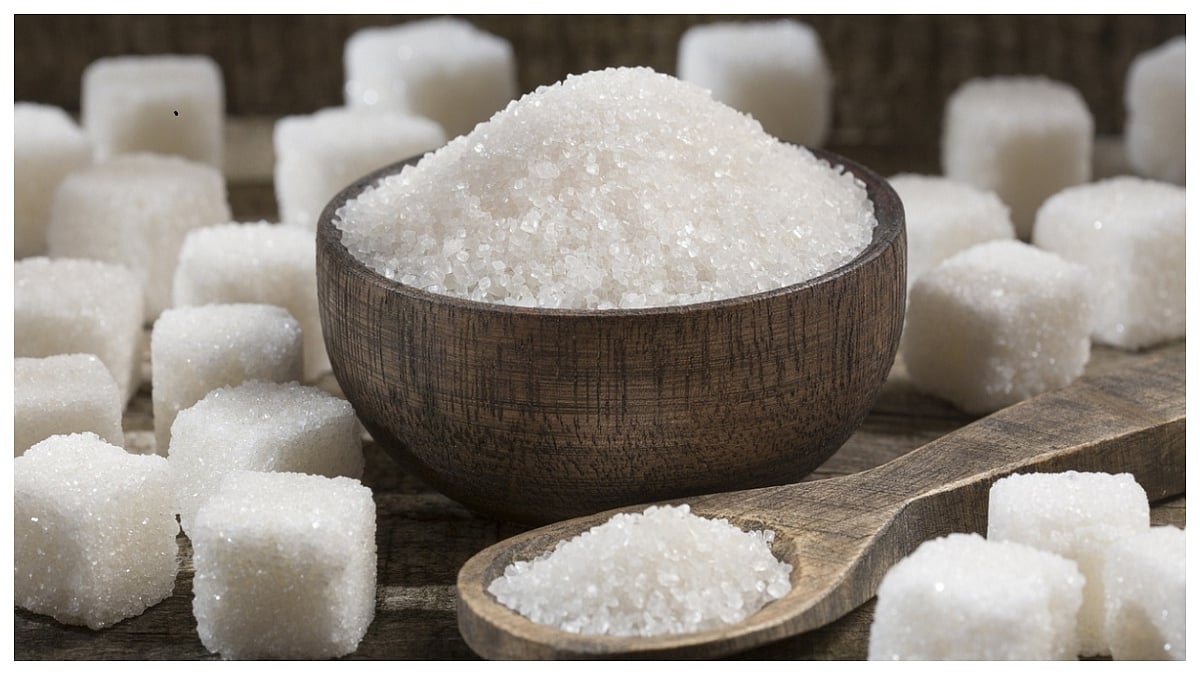
India Sugar Output May Fall as El Niño Threatens Harvest
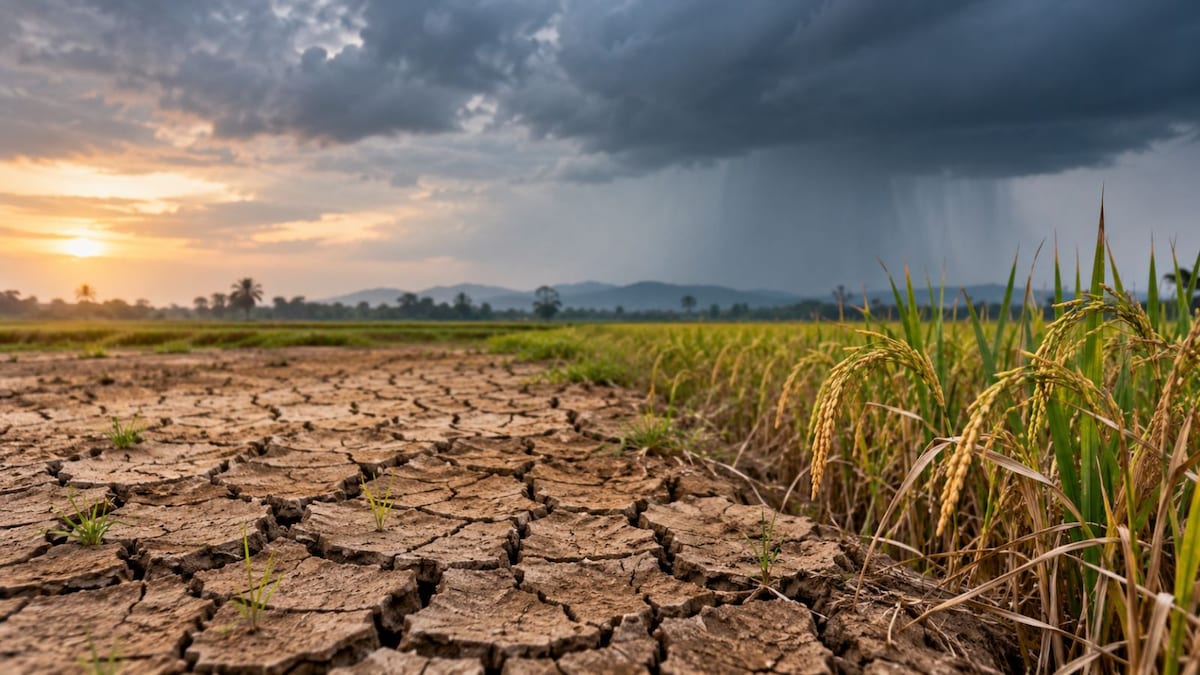
India's Weakest Monsoon Threatens Crops, Prices and Rural Demand
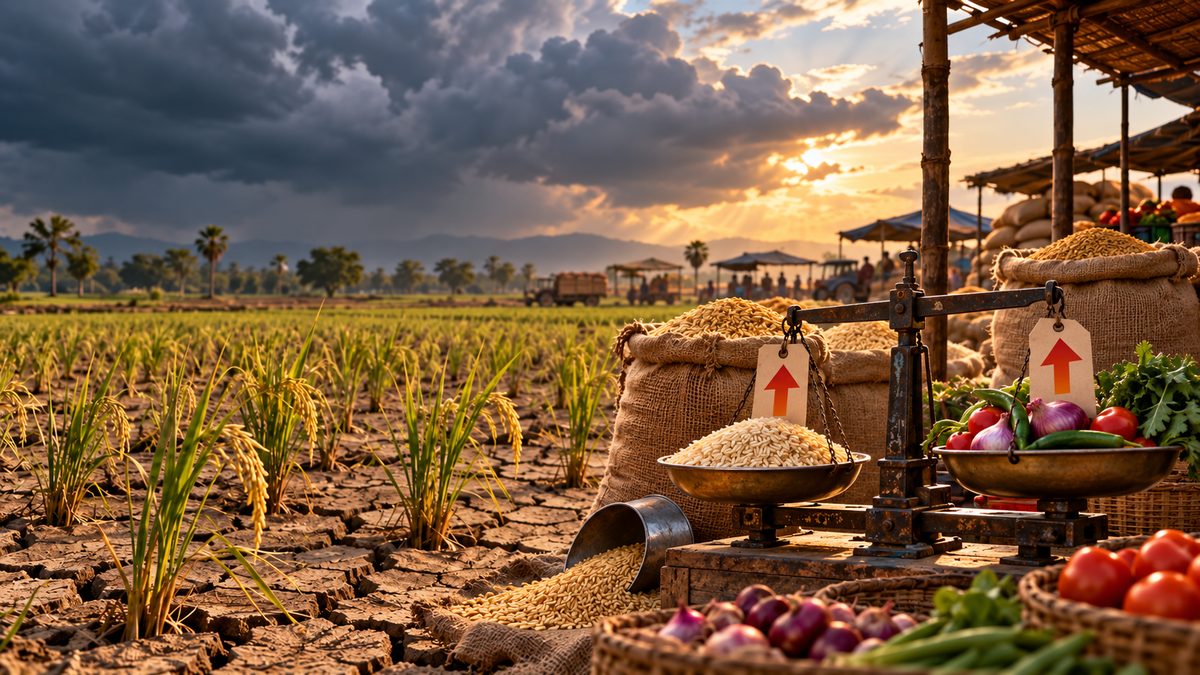
India’s Monsoon Ends Deficient, Raising Inflation and Rural Demand Risks
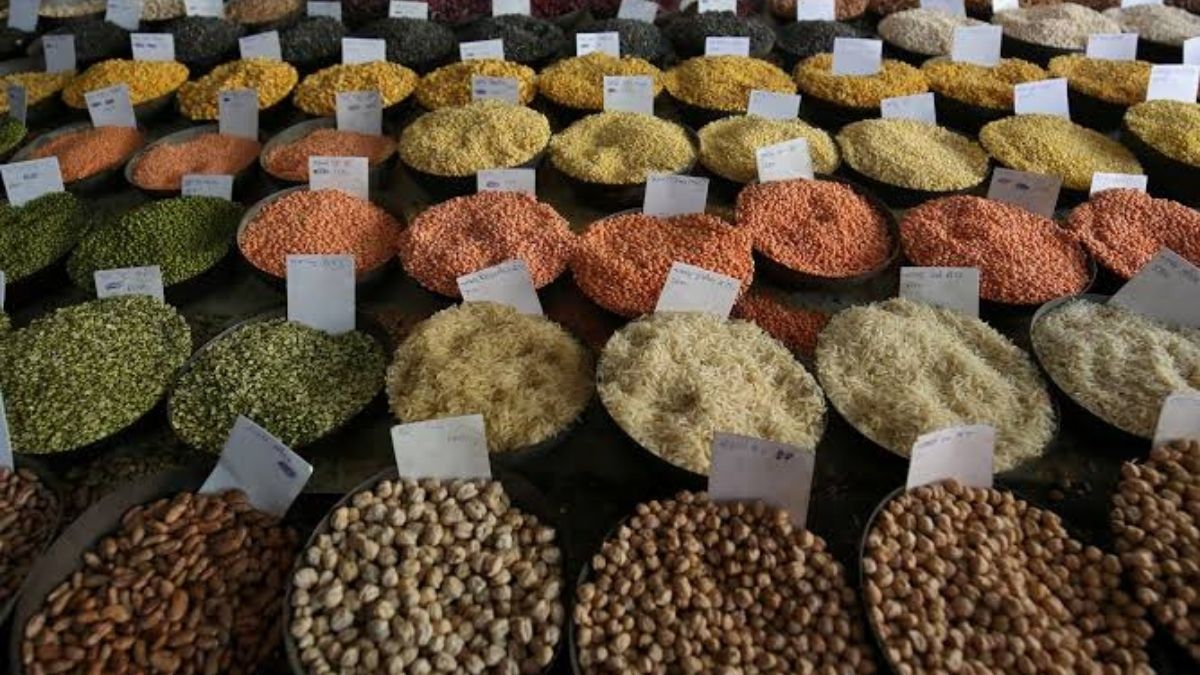
India Lowers 2026-27 Foodgrain Target Amid El Niño Concerns

CME Cattle Futures Fall as Beef Prices Weaken

Corn Near One-Week High as U.S. Crop Concerns Support Prices
Cattle Futures Rally as Beef Prices Rise, Technical Buying

Can One Pomegranate Really Boost Blood and Glowing Skin?
