1 hr ago
India Lowers 2026-27 Foodgrain Target Amid El Niño Concerns
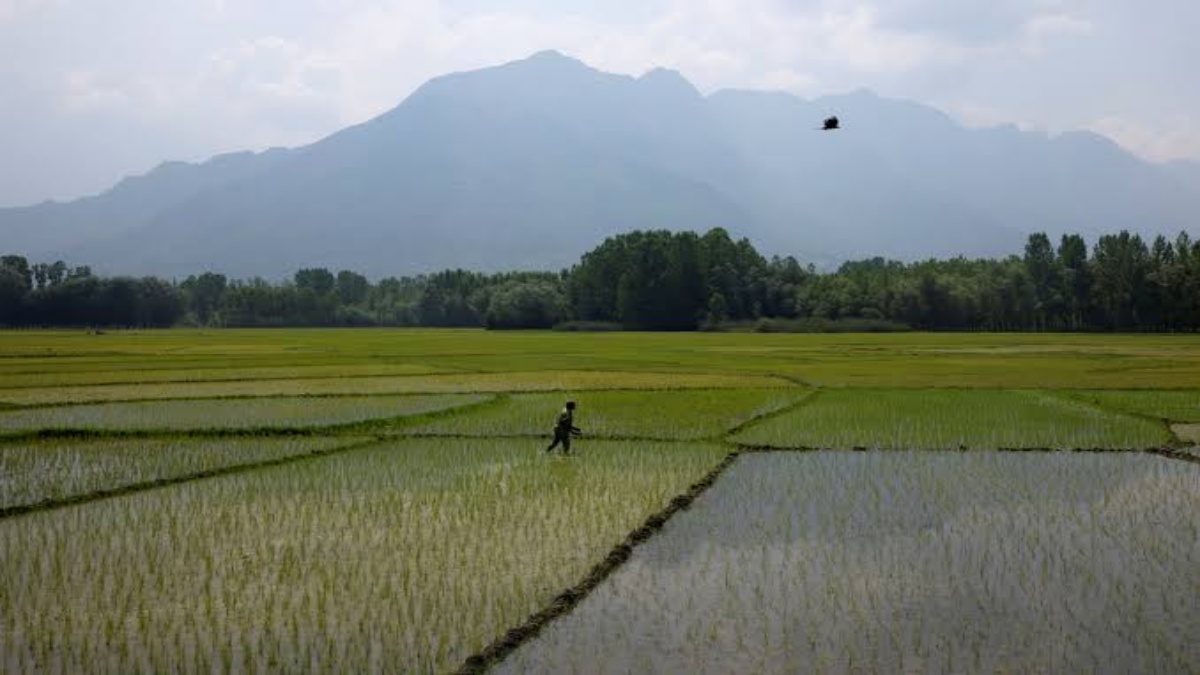
The Indian government expects to grow slightly less foodgrain next year than this year.
It set a target of 373.93 million tonnes for the 2026-27 farming year.
The government is worried that El Niño and weak rainfall could reduce water available for crops.
Rainfall is currently about 12 percent below the usual level.
Some areas have experienced drought, floods or heavy rain, especially in parts of several states.
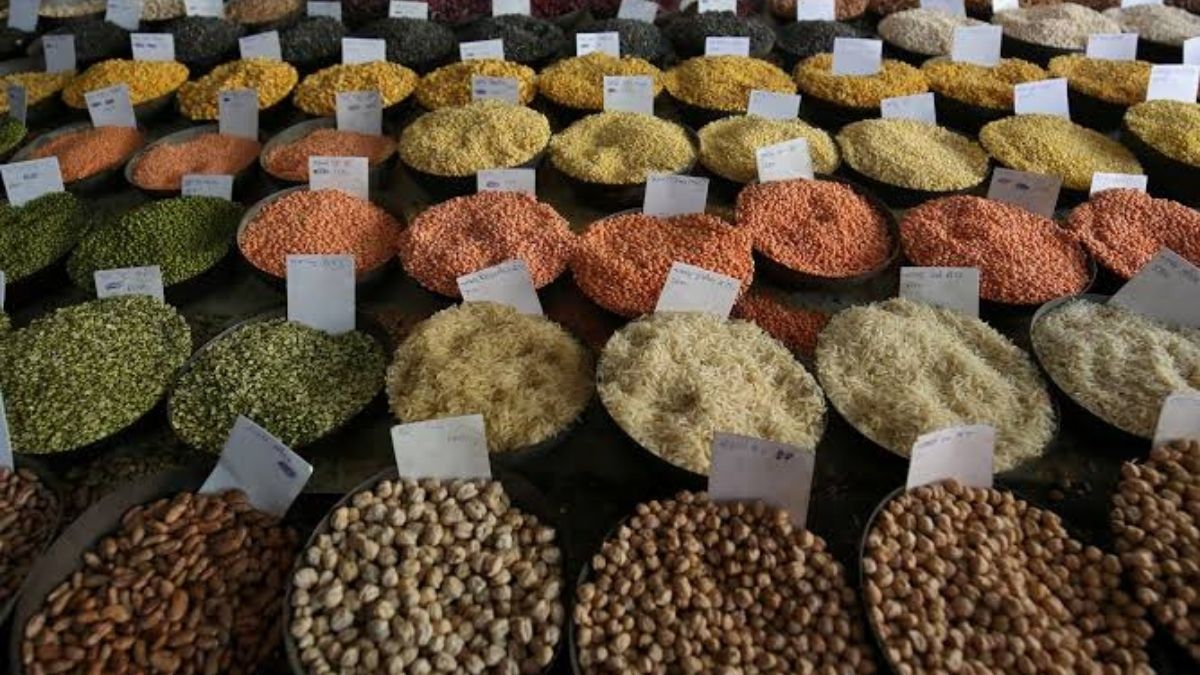
Officials want farmers in dry areas to grow more pulses and oilseeds instead of crops that need a lot of water.
The area planted with some crops, especially paddy, has gone down.
The government says fertiliser supplies should be enough for the winter growing season.
More assessments will be conducted to determine the exact damage to crops.

India set a 2026-27 foodgrain production target of 373.93 million tonnes, below the 376.56 million tonnes estimated for 2025-26.
The target includes 196.21 million tonnes for kharif crops and 177.72 million tonnes for rabi crops.
Agriculture Minister Shivraj Singh Chouhan said the plan reflects deficient rainfall, El Niño concerns, water availability and soil moisture.
Kharif acreage declined by about 1%, with the sharpest reduction reported in paddy, while pulses and some coarse cereals gained area.
Officials reported crop damage and drought concerns in several states, although the reported affected area differs between the articles: 0.61 million and 6.11 million hectares.
- Who
- The Indian government, led in this briefing by Agriculture Minister Shivraj Singh Chouhan, set the production target.
- What
- A 2026-27 foodgrain target of 373.93 million tonnes was announced, along with plans to adjust crop choices to weather and water conditions.
- Where
- The announcement was made in New Delhi, with weather and crop concerns reported in parts of Karnataka, Maharashtra, Andhra Pradesh, Telangana and Rajasthan.
- When
- The announcement was made on Tuesday during a national agriculture conference; the target covers the July-June 2026-27 crop year.
- Why
- The target was lowered from the previous year's output estimate because of deficient rainfall and concerns about El Niño, drought and floods.
Government Reassurance
Regional Weather Risks
National production outlook
Government Reassurance
The government says a roughly 12% rainfall deficit has not created a major national crisis and does not expect a significant fall in kharif production.
Regional Weather Risks
Deficient rainfall, El Niño concerns, drought and floods could still affect crops in specific regions, with final production estimates yet to be released.
Impact on farmers and crops
Government Reassurance
Officials are adjusting crop plans, promoting pulses and oilseeds, and identifying seeds that require less water or mature faster.
Regional Weather Risks
Reduced paddy acreage and reported crop damage indicate that some farmers and regions are already facing difficult growing conditions.
Fertiliser availability
Government Reassurance
The agriculture minister says supplies are sufficient for the rabi season despite global price pressures.
Regional Weather Risks
The articles note that fertiliser prices have fluctuated significantly and nearly doubled in some cases, even though supply is described as adequate.
Key facts
- 2026-27 foodgrain target
- 373.93 million tonnes
- 2025-26 output estimate
- 376.56 million tonnes
- 2026 kharif target
- 196.21 million tonnes
- 2026-27 rabi target
- 177.72 million tonnes
- Rainfall deficit
- About 12% below the benchmark during June-September
- Kharif acreage
- About 109.49 million hectares, down roughly 1%
- Fertiliser requirement
- About 38 million tonnes, also reported as 380 lakh tonnes
- Reported crop damage
- The articles give differing figures of 0.61 million hectares and 6.11 lakh hectares
Quotes

Shivraj Singh Chouhan
India’s Agriculture Minister
“Based on a scientific assessment of El Niño conditions, a total national foodgrain production target of 373.93 million tonnes has been set for 2026-27, which includes a target of 177.72 million tonnes for the rabi season.”
 CNBC TV 18
“We have set targets by taking into account factors such as water availability and soil moisture, and by holding state-wise consultations to adjust cropping patterns in the face of adverse conditions.”
 financialexpress.com
Sources
Related news

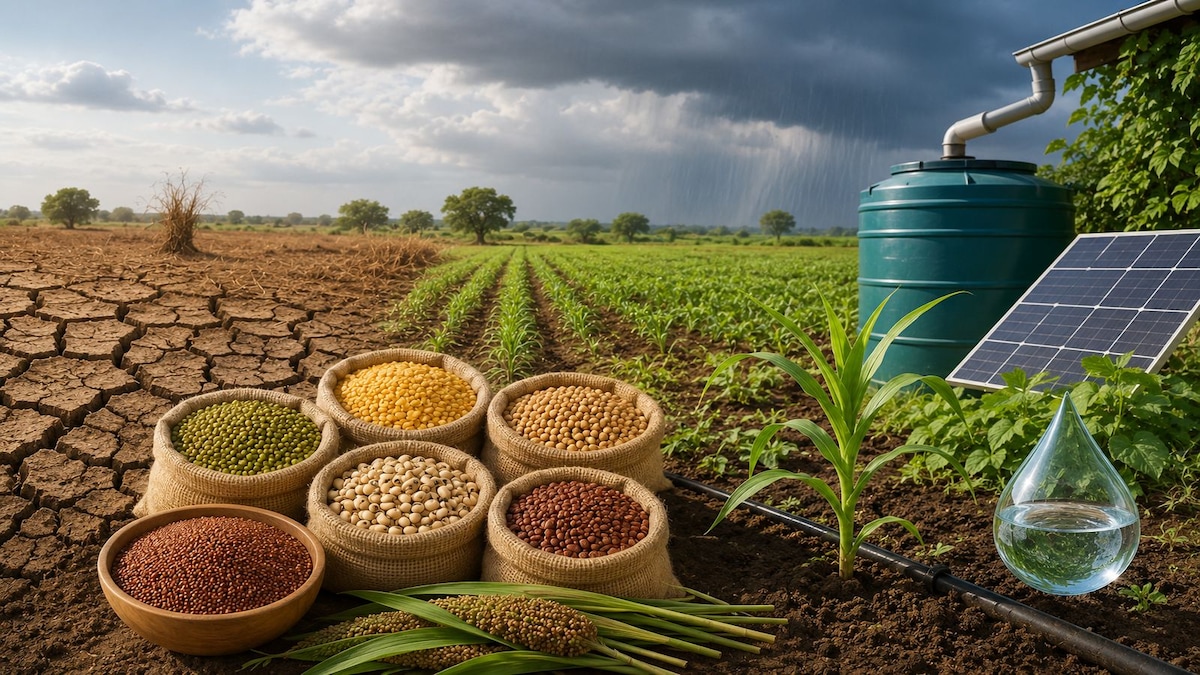
Chouhan Sees No Significant Kharif Output Drop Despite Weather Risks
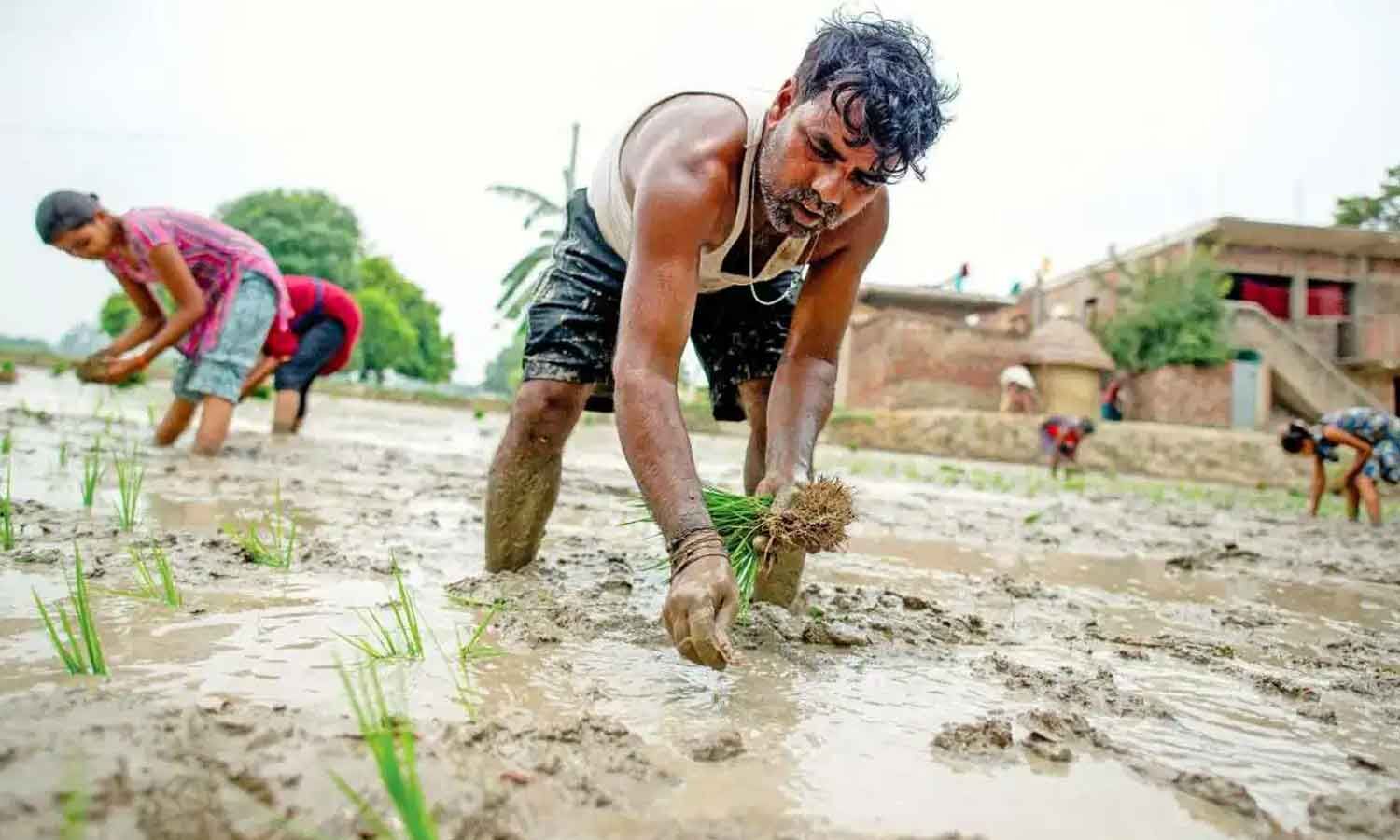
El Nino Threatens Rainfed Rabi Crops, Foodgrain Output Official Warning

India's Sugar Sector Faces a Testing 2026-27 Season
India Rice Production Faces Steepest Fall in Nearly Two Decades
India Sugar Output May Fall as El Niño Threatens Harvest

India Faces Driest Monsoon Since 2009, Raising Food-Price Fears
Central team to assess Karnataka drought-hit areas from October 3
Centre Sanctions Rs 1,200 Crore to Ten States Under PM-RKVY
Shivraj Singh Chouhan Urges Agriculture Officials to Take Notes