1 hr ago
Tier-2 and Tier-3 Consumers Propel New-Age Brand Premiumization
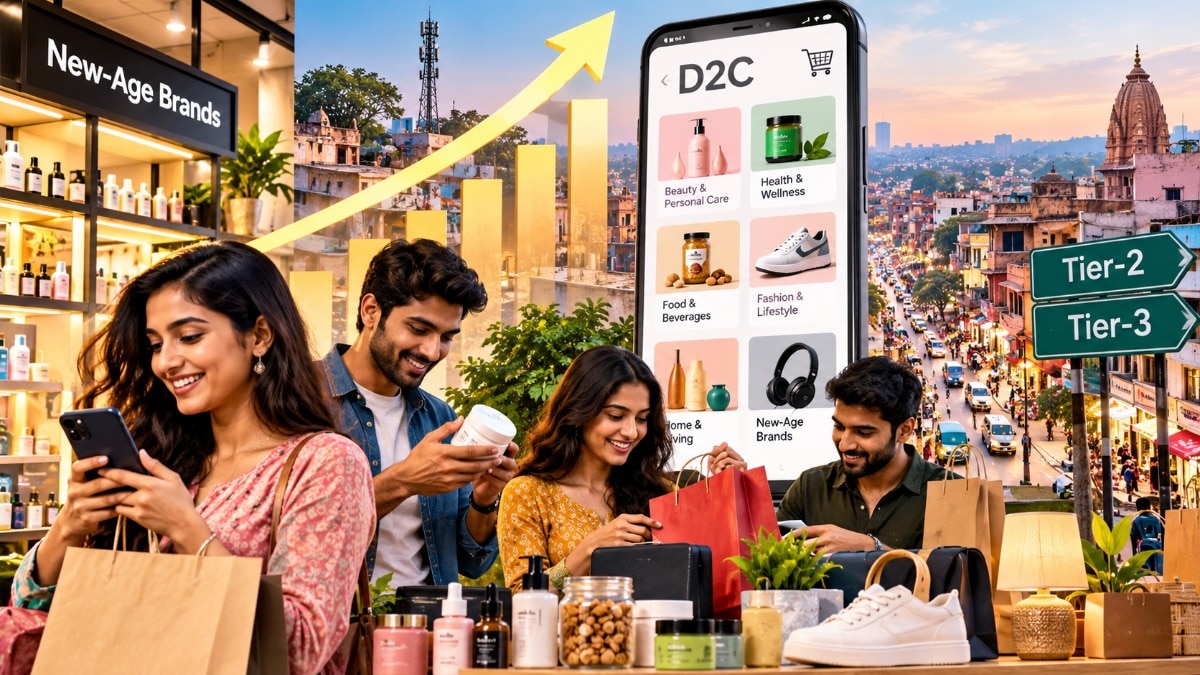
People in smaller cities are buying more products from newer brands.
They are not always choosing the cheapest option.
They may pay more when they understand why a product is better or different.
Open Secret says most of its sales now come from tier-2 and tier-3 cities.
Plum Goodness also gets more than two-thirds of its business from outside the top eight cities.
Kapiva saw strong growth from tier-3 cities after expanding on marketplaces.
Social networks and online information help shoppers learn about products.
E-commerce platforms also offer payment plans that can make expensive products easier to buy.
Brands use online shopping data to find out what people want and create new products.

Consumers in tier-2 and tier-3 markets are increasingly buying premium products when their value is clear.
Open Secret says 60% of its sales come from tier-2 and tier-3 markets.
More than two-thirds of Plum Goodness’s business comes from outside the top eight cities.
Kapiva says tier-3 cities began contributing two-thirds of its growth after its marketplace expansion.
E-commerce, consumer information, financing options and marketplace data are helping brands reach smaller-city shoppers and develop products.
- Who
- Consumers in tier-2 and tier-3 cities, digital-first brands, and e-commerce platforms such as Flipkart.
- What
- Demand for premium and differentiated new-age brands is expanding beyond major metropolitan markets.
- Where
- Tier-2 and tier-3 cities, as well as markets outside the top eight cities.
- When
- Why
- Consumers have greater access to product information, while e-commerce, financing options and marketplace data improve access and help brands identify demand.
Key facts
- Open Secret sales
- 60% come from tier-2 and tier-3 markets.
- Plum Goodness business
- More than two-thirds comes from outside the top eight cities.
- Kapiva growth
- Two-thirds of its growth began coming from tier-3 cities after marketplace expansion.
- Consumer behavior
- Shoppers are increasingly willing to pay a premium when product value is understandable.
- Payment options
- Flipkart offers pay later, credit-card EMIs and a pay-in-three option without additional charges, according to its executive.
- Product innovation
- Marketplace search and transaction data are helping brands identify unmet needs and develop products.
Quotes
Nishant Dalal
Vice President of Consumables, FMCG and Healthcare at Flipkart
“So we have concepts like pay later, credit card EMIs. Pay in three is a concept where you just pay one-third, and two-thirds will come later, and there is no additional charge.”
 businesstoday.in
“The Gen Z segment is someone who is very aware, is very well informed; they get a lot of information from their social network”
businesstoday.in
Sources
Related news
Amazon Bazaar sees eightfold growth beyond India’s major cities
Amazon Expands Bazaar as Affordable Shopping Platform Across India
Why India Has Become a Premium Market for Apple
India’s Midrange Smartphone Market Loses Its Brand Edge

Indian Pantry Staples Gain Premium Appeal Through Trust and Traceability
India’s Masstige Perfume Market Grows, But Scaling Remains Difficult

3one4 Capital Targets Diverse Startups With New IIDEA Fund

Kapiva Launches Rs. 50 Crore Innovation Fund

Kapiva Launches ₹50-Crore Innovation Fund

Malaika Arora's Entrepreneurial Journey and Investments