58 mins ago
India’s Midrange Smartphone Market Loses Its Brand Edge
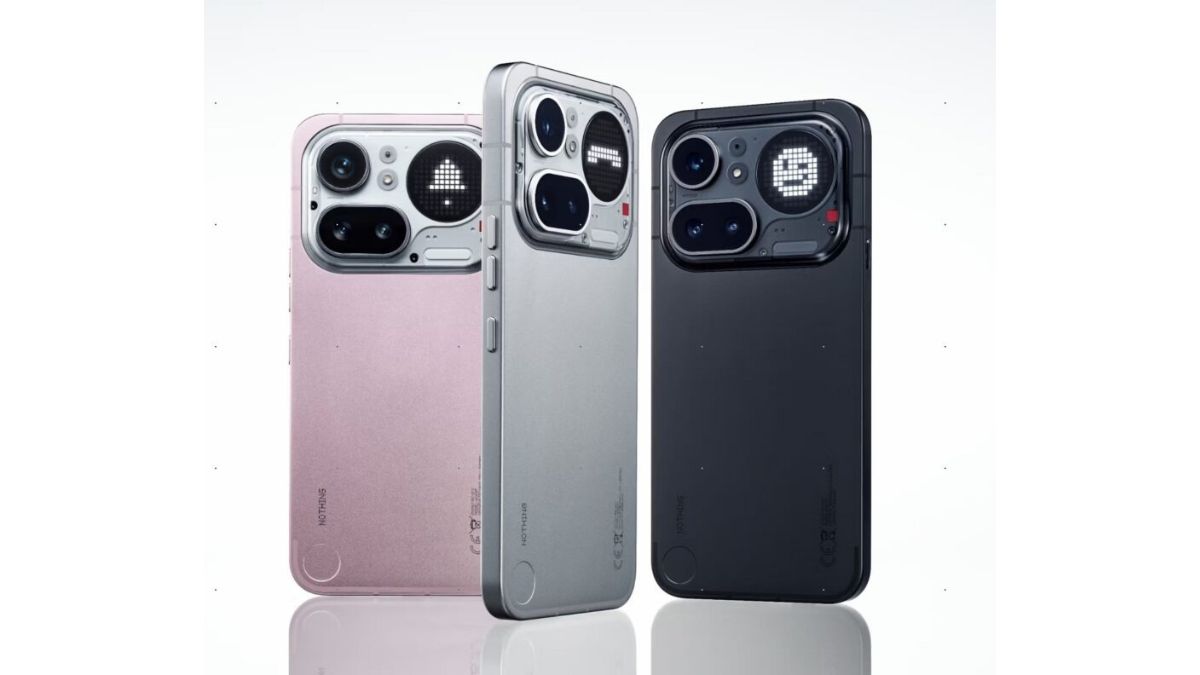
Many phones in India’s middle-price range now have very similar features.
Buyers are comparing the whole package instead of choosing only by the logo on the phone.
Batteries, memory, processors and cameras that once seemed special are becoming common.
Parts are also getting more expensive, making it harder for companies to add better hardware cheaply.
People are paying more attention to software, service, updates and how easy a phone is to buy.
Shopkeepers can influence decisions because customers want to see and hold phones before buying them.
Offers, trade-ins and monthly payment plans can help people choose a more expensive model.
Some analysts think brand reputation and connected product ecosystems may matter more as people keep phones for four or five years.

India’s Rs 15,000-30,000 smartphone segment is shifting from brand-led choices toward overall value.
Vivo led India’s smartphone market in Q2 CY2026 with an 18.4% share, ahead of Samsung at 16.4%.
Rising component costs and converging specifications are reducing the scope for hardware-based differentiation.
Software, cameras, design, after-sales service, security updates, financing and availability are becoming more important to buyers.
Offline retailers remain influential, while higher prices could increase the importance of brand value, resale value and ecosystems.
- Who
- Indian smartphone buyers, Android brands, retailers and analysts including IDC, Counterpoint and TechArc.
- What
- India’s Rs 15,000-30,000 smartphone market is becoming less differentiated by brand and hardware specifications.
- Where
- India.
- When
- The trends are described in the context of Q2 and the first half of CY2026, with comparisons to 2023.
- Why
- Specifications have converged and component costs have risen, prompting brands to compete through software, service, financing, ecosystems and the broader ownership experience.
Hardware and Brand Differentiation
Experience and Ecosystem Differentiation
What drives purchases
Hardware and Brand Differentiation
Brands have historically attracted buyers with bigger batteries, more RAM, faster processors and higher-resolution cameras.
Experience and Ecosystem Differentiation
Analysts and retailers say these specifications are increasingly standard, so software, service, design, cameras, security updates and the overall ownership experience matter more.
Role of brand loyalty
Hardware and Brand Differentiation
As phones become more expensive and are kept for four or five years, brand value, resale value and established ecosystems could become more important.
Experience and Ecosystem Differentiation
The compressed market shares and proliferation of Chinese brands show that consumers are willing to compare several competing devices and focus on value.
How brands can encourage upgrades
Hardware and Brand Differentiation
A stronger device and premium features can persuade buyers to move up the price ladder.
Experience and Ecosystem Differentiation
Exchange programs, low-cost EMIs, bank offers and longer repayment periods can make a better device affordable and help retailers influence purchases.
Key facts
- Market segment
- Smartphones priced between Rs 15,000 and Rs 30,000 in India
- Q2 CY2026 leader
- Vivo, with an 18.4% market share
- Q2 CY2026 ranking
- Samsung had 16.4%, Oppo 13.8%, Xiaomi 9.7% and Realme 9.3%
- Earlier market position
- Samsung was India’s No. 1 smartphone brand in 2023 with a 17% share
- New upgrade segment
- The Rs 20,000-30,000 range is described as the new segment attracting upgrades
- Purchase influences
- Software, camera experience, design, availability, after-sales support, financing and security updates
- Premium example
- Apple’s upcoming foldable iPhone is expected to cost Rs 2,99,900 in India
Quotes
Tarun Pathak
Research director at Counterpoint
“In the Rs 15,000-30,000 segment, specifications are increasingly becoming hygiene factors rather than the sole differentiator”
 financialexpress.com
“The middle of the market is unique because consumers are both value-conscious and aspirational”
financialexpress.com
Sources
Related news

India’s Smartphone Market Splits as Premium Phones Rise

India’s Refurbished Smartphone Market Grows as New Prices Rise
Why India Has Become a Premium Market for Apple
India's New Smartphone Scheme Faces Consumer Product Test
India’s Rs 62,500-Crore Mobile Scheme Targets Brands and Scale
Samsung May Raise India Smartphone Prices as Cost Pressures Grow
China's CXMT Reaches Advanced Memory Production Despite Export Controls
Redmi Note 17 Pro, Alexa+ Lead Busy Tech Launch Week
Best Smartphones Under ₹20,000 From Leading Brands

Top LED TVs in India for Every Screen Size