53 mins ago
India’s Masstige Perfume Market Grows, But Scaling Remains Difficult
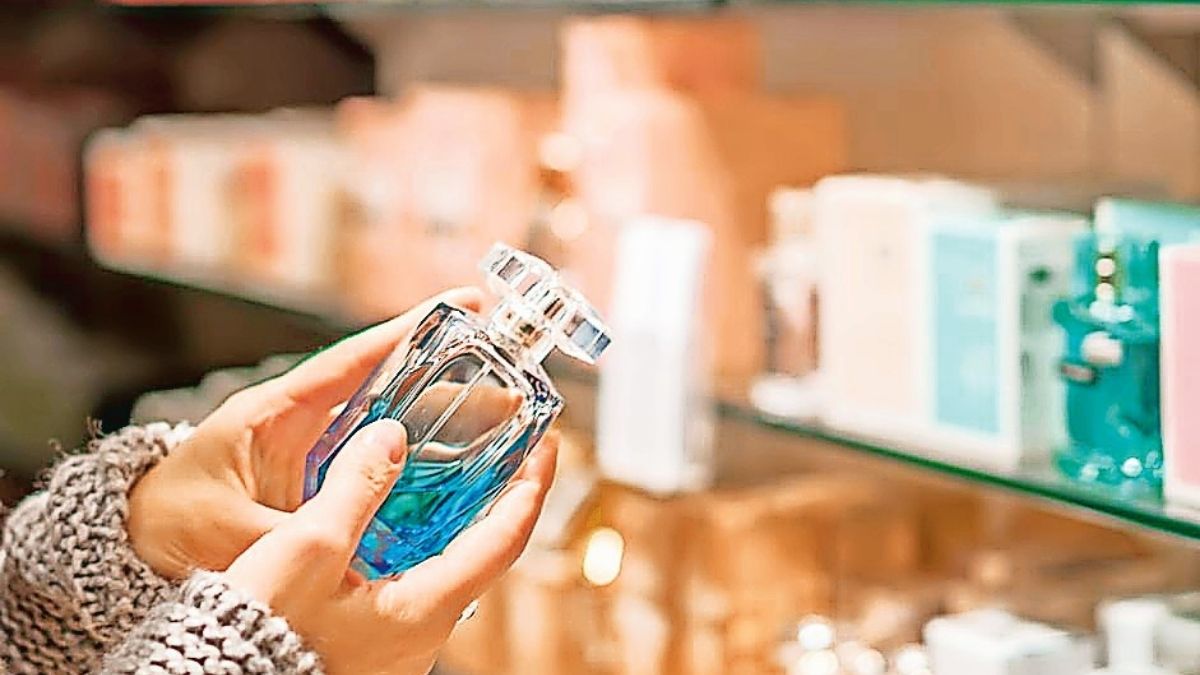
Many young shoppers bought perfumes and accessories online during the Rakhi shopping weekend.
Perfumes are becoming more popular in India, especially among Gen Z shoppers.
Some buyers want products that feel special but cost less than luxury perfumes.
This middle-priced group is called masstige.
Cheap perfumes sell the most widely, while luxury perfumes make up much of the organized market’s value.
New brands have trouble growing because people often keep using a favorite scent or quickly move to famous luxury brands.
Perfumes also need physical stores because people want to smell them before buying.
Experts believe the market can still grow as shoppers learn more about fragrances and ingredients.

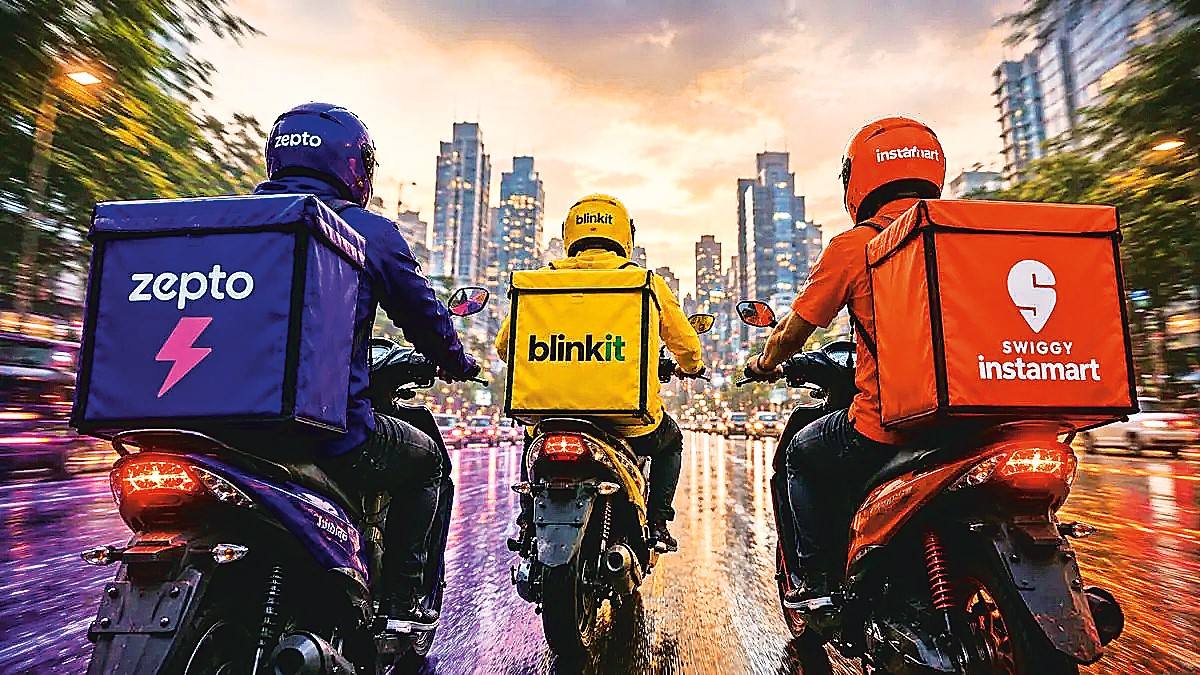
Young digital-first shoppers made up more than 40% of e-commerce activity during the Rakhi weekend, favoring perfumes and accessories over traditional gifts.
India’s ₹5,500 crore perfume market is being driven by Gen Z, social media, and global trends.
The masstige segment, generally around ₹1,500, is the fastest-growing by volume and helps consumers move up from ₹200 body sprays.
Premium perfumes priced above ₹15,000 account for 58% of the structured market, while ₹600–₹1,000 perfumes dominate overall volume and reach.
Experts say signature-scent loyalty, the need for offline retail, high customer churn, and costly product development make masstige brands difficult to scale.
- Who
- Young digital-first shoppers, especially Gen Z consumers, along with perfume brands and industry experts.
- What
- India’s perfume market is growing, but brands in the affordable-premium or masstige segment are struggling to scale.
- Where
- India’s e-commerce and perfume market.
- When
- During the Rakhi weekend and in the current period described by the article.
- Why
- Demand is rising because of social media, global trends, experimentation, lifestyle preferences, and consumers upgrading from low-cost body sprays; scaling remains difficult because of customer loyalty, churn, product-development costs, and the need for offline retail.
Growth Opportunity
Scaling Constraints
Masstige demand
Growth Opportunity
The masstige segment is the fastest-growing by volume and gives middle-class consumers an accessible path toward premium fragrances.
Scaling Constraints
Consumers moving up from value products may bypass masstige brands and jump directly to established premium labels.
Consumer behavior
Growth Opportunity
Gen Z shoppers are experimenting with fragrances because of social media, global trends, and growing awareness of ingredients and formulations.
Scaling Constraints
Customers often stick to a signature scent, while others quickly upgrade to luxury status products, creating high churn for mid-priced brands.
Brand expansion
Growth Opportunity
Established lifestyle brands and founders with perfumery backgrounds can use existing premium perceptions and retail networks to expand fragrances.
Scaling Constraints
First-generation brands face years of research, experimentation, proprietary-scent development, brand-building, and offline distribution before they can scale.
Key facts
- Overall market size
- India’s perfume market is valued at approximately ₹5,500 crore.
- Rakhi e-commerce share
- Young digital-first shoppers accounted for more than 40% of the e-commerce rush during the Rakhi weekend.
- Luxury segment
- Perfumes priced above ₹15,000 represent 58% of the structured market’s value.
- Basic perfume pricing
- Budget perfumes typically cost between ₹600 and ₹1,000.
- Masstige positioning
- The masstige segment serves consumers upgrading from ₹200 body sprays to brands priced around ₹1,500.
- Customer retention
- Only 12–15% of consumers reportedly remain with the same entry-level fragrance for three years.
- Retail requirement
- Experts say masstige perfumes need a strong offline presence because fragrance is a sensory product.
Quotes
Vidushi Vijayvergiya
CEO of Isak Fragrances
“Our surveys show only 12-15% of consumers stick with the same entry-level fragrance for three years. Consumers experiment continuously and upgrade to luxury status symbols straightaway”
 financialexpress.com
“Individual choice and individuality — where I want to wear a citrus fragrance while my mother wants to wear something like a Chanel No. 5 — will take some time to emerge.”
financialexpress.com