

2 weeks ago
Hegseth: US can sustain Iran naval blockade indefinitely amid standoff

The United States and Iran are having a big disagreement over a thin strip of water called the Strait of Hormuz.
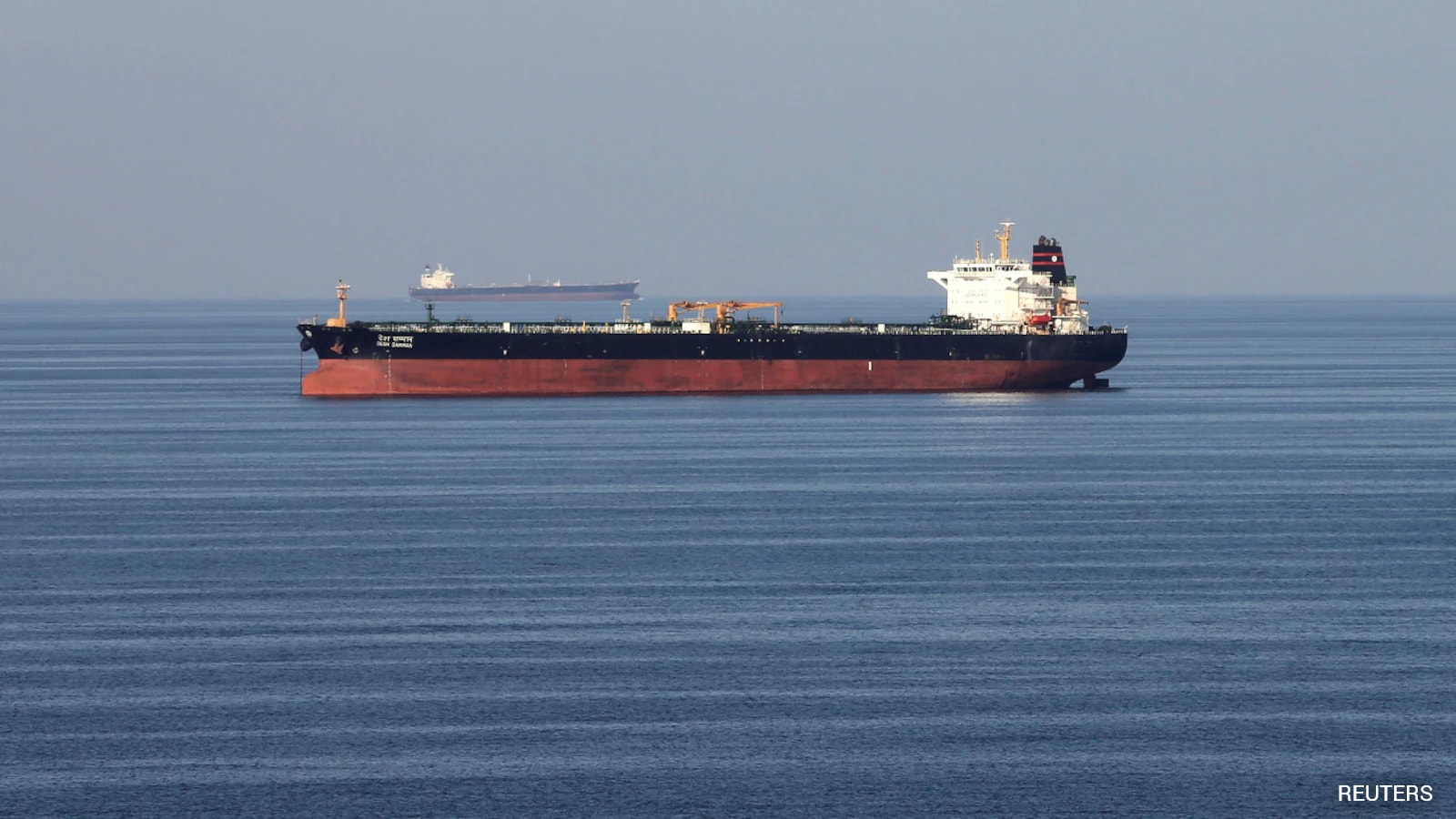
Many ships carrying oil sail through this waterway, and Iran closed it after a war started in February.
The US Navy put many warships there to stop ships from going through without permission, and it says it can keep them there for a very long time by sending new ships to take turns.
President Trump says the United States now has 'total control' of the waterway and calls the blockade 'A WALL OF STEEL.'
The US says it will make life even harder for Iran's economy with new penalties that leaders call unprecedented.
US forces have stopped more than 55 ships that tried to pass without permission, and they fired missiles at one ship that did not stop.
On Thursday, two ships belonging to a company in the United Arab Emirates were attacked while sailing through the waterway, and the UAE blamed Iran.
Experts say the world will have much less oil this year because of the conflict, and people worry this could keep fuel prices high.
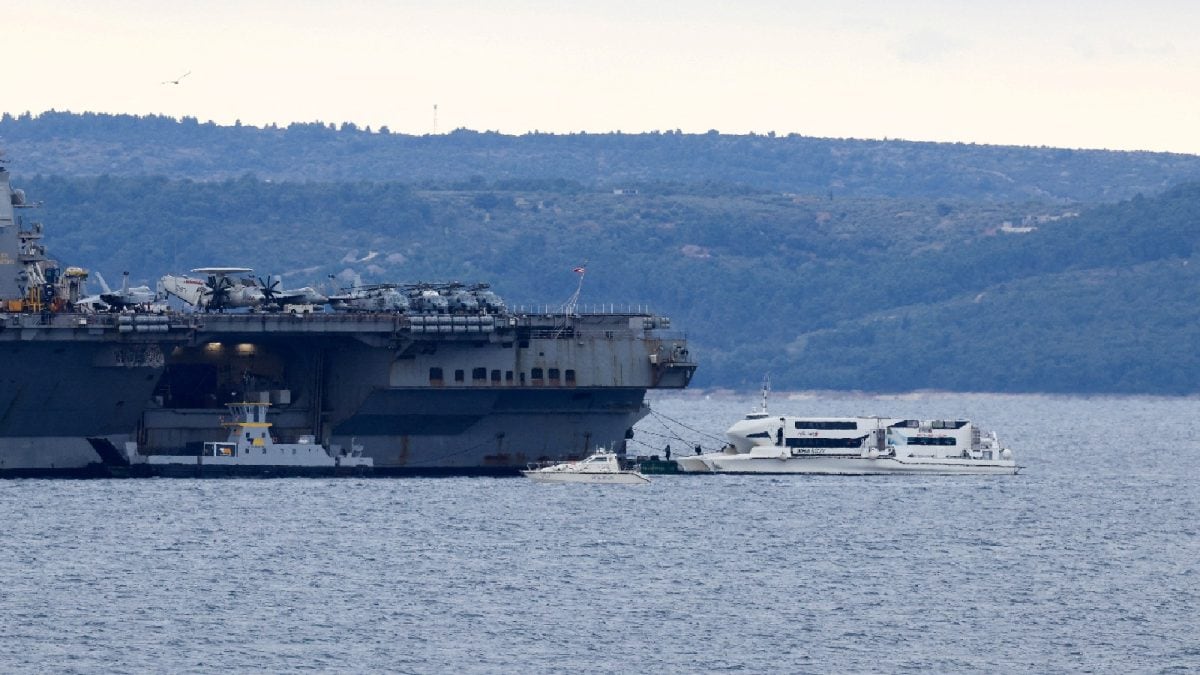
There are also concerns that US sailors on a big aircraft carrier are very tired and stressed after many months at sea, but the US says those worries are exaggerated.

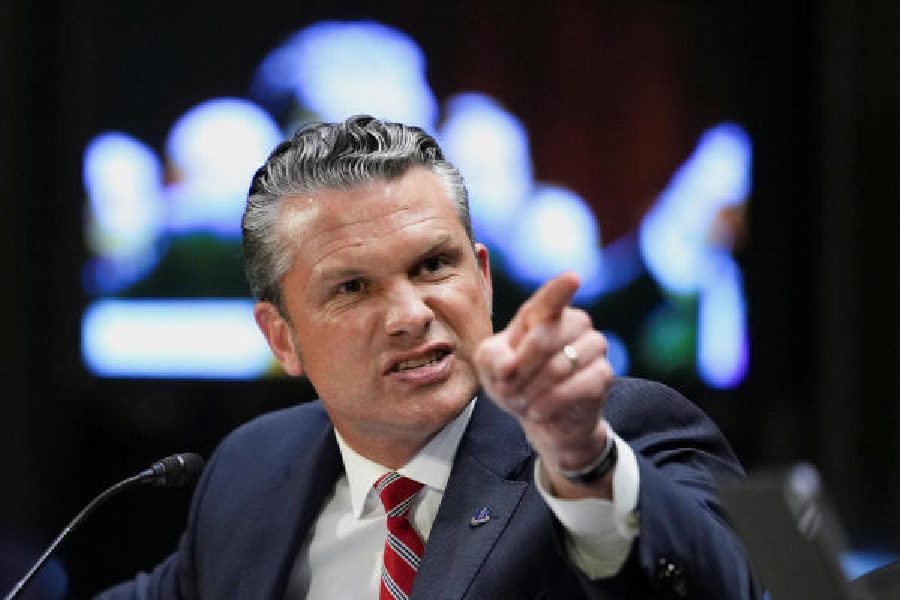
US Defense Secretary Pete Hegseth said the Navy can maintain the Iran naval blockade indefinitely by rotating ships in and out of the region.
President Donald Trump claimed 'total control' over the Strait of Hormuz, calling the blockade 'A WALL OF STEEL.'
Treasury Secretary Scott Bessent promised unprecedented economic isolation measures against Iran, with announcements coming next week.
US forces have redirected more than 55 commercial vessels attempting to run the blockade, disabling three ships and boarding two.
The United Arab Emirates condemned as an Iranian attack the strike on two Abu Dhabi National Oil Company vessels transiting the strait on Thursday.
- Who
- US Defense Secretary Pete Hegseth, President Donald Trump, Treasury Secretary Scott Bessent, and Iran
- What
- The US says it can maintain its naval blockade of Iran indefinitely as the standoff over the Strait of Hormuz deepens
- Where
- Strait of Hormuz and the Middle East; Hegseth spoke in Panama aboard the USS Gridley
- When
- Thursday, August 13 (statement); the war began with US-Israeli strikes on Iran on February 28
- Why
- To sustain economic pressure on Tehran as efforts to end the conflict remain stalled
Critics and internal reports
US administration
Conditions on the USS Abraham Lincoln
Critics and internal reports
Reports describe deteriorating conditions, declining morale, mental health strain and suicide attempts after the roughly 5,000-sailor carrier spent months at sea on heightened alert.
US administration
Hegseth calls the accounts 'completely misrepresented,' saying the Navy makes sure every ship, crew and captain has everything it can provide.
Effect of the blockade on shipping
Critics and internal reports
Iran says it will not reopen the strait until its conditions are met, including removing sanctions and releasing frozen assets; the blockade has redirected more than 55 vessels and drawn attacks on commercial ships.
US administration
Washington says the blockade targets Iranian shipping and ports while preserving freedom of navigation for vessels travelling to and from non-Iranian ports, and says the US can sustain it indefinitely.
How to end the war
Critics and internal reports
The administration faces domestic pressure to end a deeply unpopular war before November midterm elections, with high fuel prices dragging down Trump's approval ratings.
US administration
Trump threatens further escalation and claims 'total control,' while Hegseth and Bessent signal the US will keep up military and economic pressure indefinitely.
Key facts
- Defense Secretary statement
- US Navy can maintain Iran blockade 'indefinitely'
- Date of statement
- Thursday, August 13
- US forces deployed
- Tens of thousands of troops and more than 20 warships
- Commercial vessels redirected
- More than 55 (3 disabled, 2 boarded)
- Helicopter incident
- US Navy MH-60 fired two Hellfire missiles into a Panama-flagged ship's engine room
- USS Abraham Lincoln
- About 5,000 sailors; at sea since November 2025
- Strait of Hormuz traffic
- Eight vessels on Tuesday vs 130-140 before the war
- Oil supply forecast
- IEA sees global supply falling 4.3 million barrels per day (~4%) this year
Quotes
Treasury Secretary Scott Bessent
U.S. Treasury Secretary
“"The U.S.A. has total control over the Strait of Hormuz. I THINK WE WILL KEEP IT! Our Naval Blockade is being called, by everyone, “A WALL OF STEEL,” and there is nothing Iran can do about it."”
 CNBC TV 18
 telegraphindia.com
“"Watch this space for more announcements coming next week because we are going to apply measures like have never been seen in the history of economic isolation on a country"”
 theprint.in
Sources
US can keep naval blockade on Iranian ports "indefinitely," says Pentagon chief
Pentagon says US can sustain Iran naval blockade ‘indefinitely’ as pressure mounts - Telegraph India

Hegseth says US can maintain Iran blockade ‘indefinitely’ as Strait of Hormuz standoff deepens
US says it can keep naval blockade on Iran ‘indefinitely,’ vows more economic pressure
Related news
US threatens indefinite blockade of Iran as Hormuz talks stall
Hormuz traffic nears standstill as US vows indefinite Iran blockade
US Threatens Indefinite Iran Blockade Amid Hormuz Tanker Attacks

US, Iran Clash Over Control of Strait of Hormuz
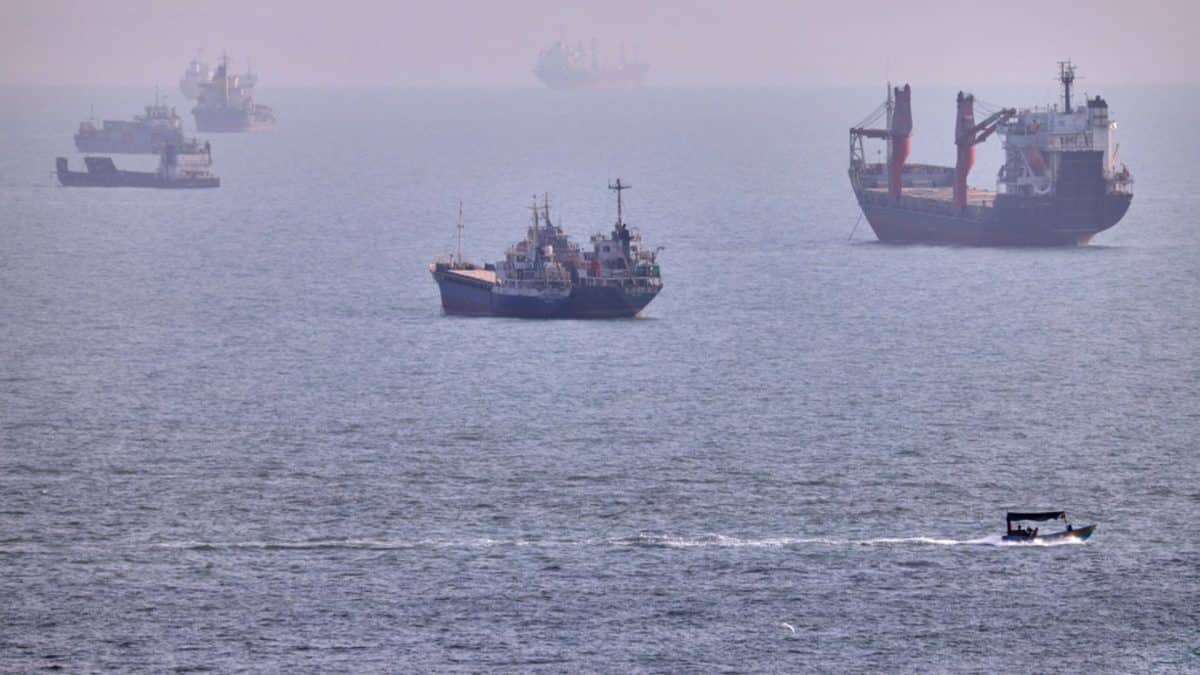
Trump Says US Has Total Control of Strait of Hormuz
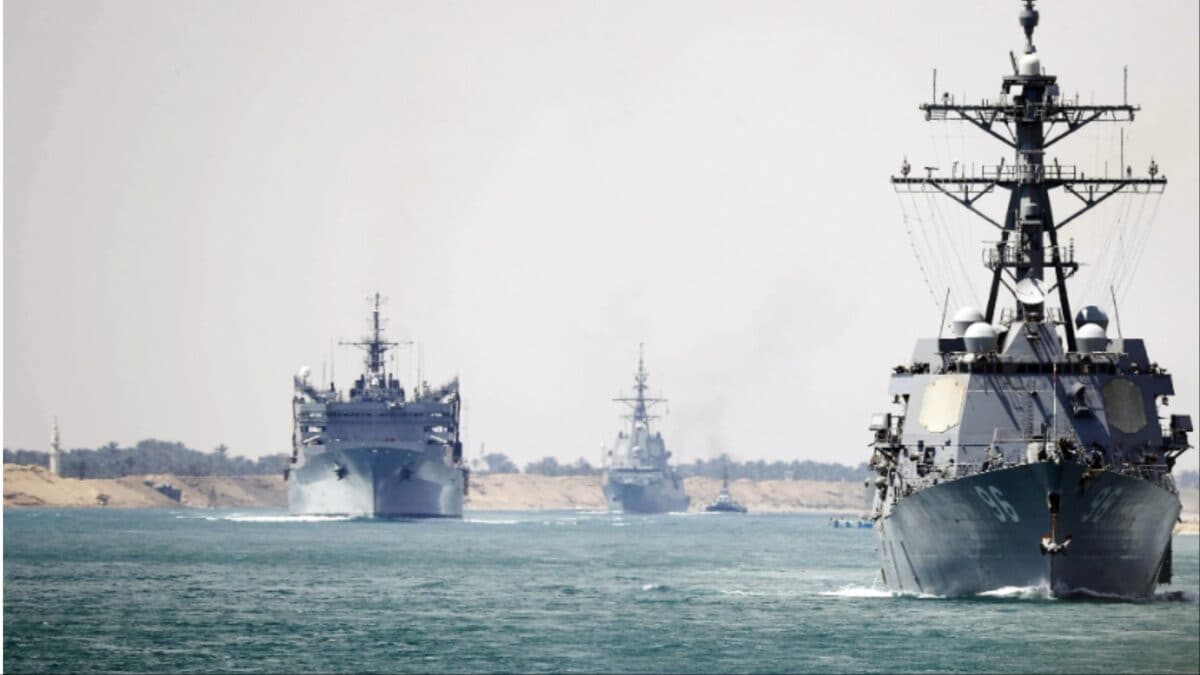
US enforces Iran blockade, redirects 55 vessels as tensions rise

Iran Seizes Fuel-Smuggling Vessel in Gulf, Arrests 11 Crew

Trump Floats Renaming Strait of Hormuz as “Trump Strait”

Chevron Plans $7 Billion Venezuela Expansion Amid U.S. Oil Push
Saudi Tanker Hit in Hormuz, Killing Two Filipino Sailors

Indian Stocks Extend Three-Day Losing Streak as Oil Rises