

2 weeks ago
Hormuz traffic nears standstill as US vows indefinite Iran blockade

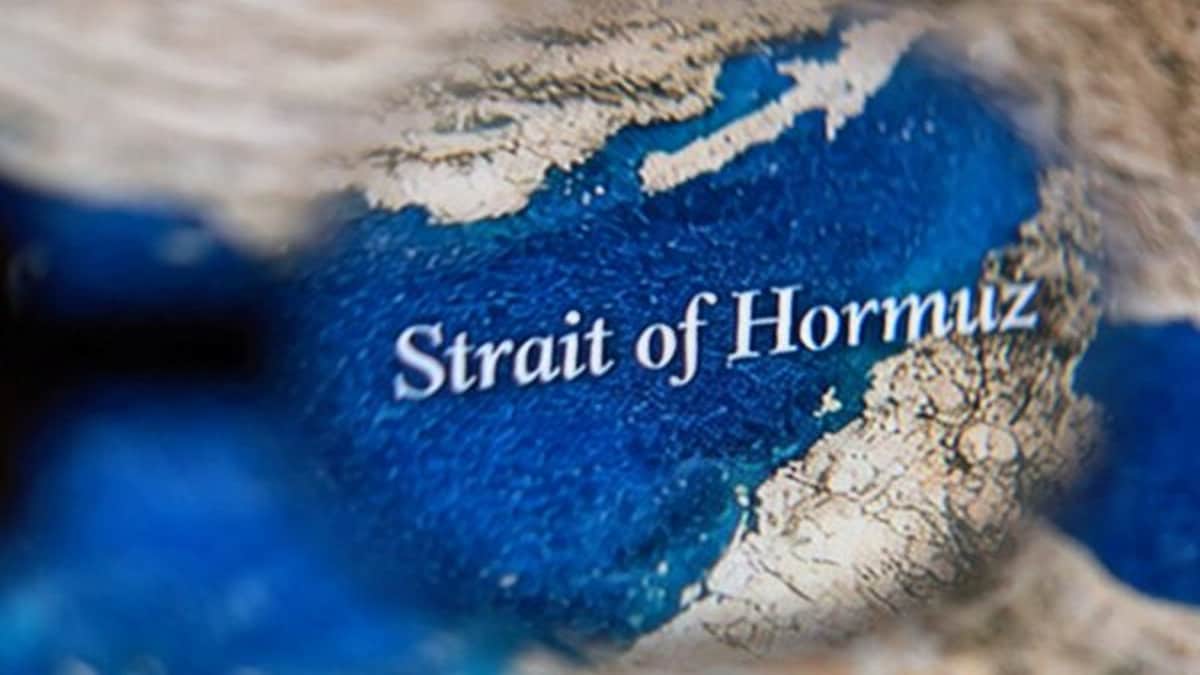
The Strait of Hormuz is a very important waterway in the Persian Gulf where big ships carry oil to the world.
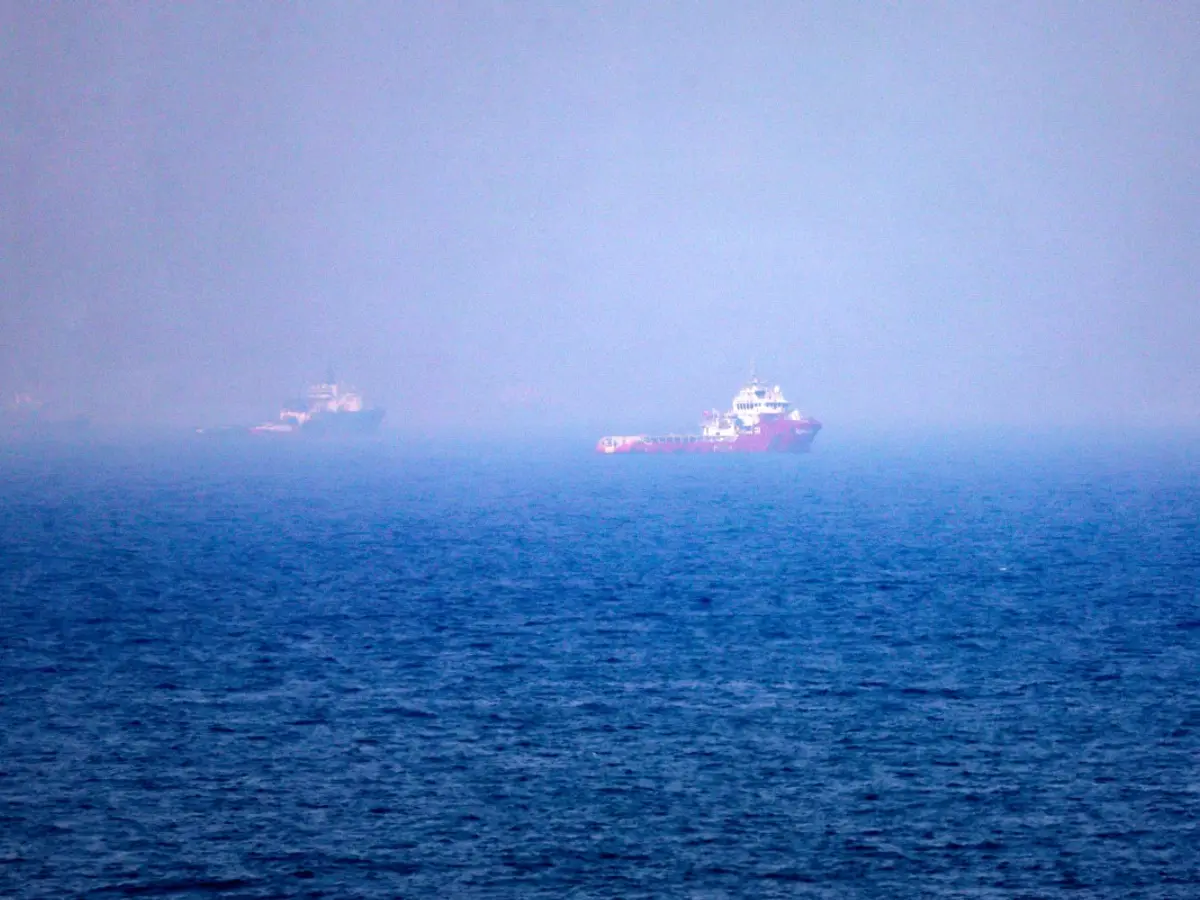
Lately, some ships passing through were attacked, and the United States placed a blockade that stops Iranian ships from trading.
Because of the danger, almost no ships are going through the strait now.
The United States says it can keep the blockade going forever by sending different Navy ships to take turns.
Iran says it will keep the waterway closed until the United States removes sanctions and gives back its money.
The United Arab Emirates says Iran attacked two of its oil company's ships, but Iran has not said anything about that.
Oil prices have gone up a little, with Brent crude at about $87 per barrel.
Iran and America have been talking, but the talks have not made any progress.
The country of Oman is also involved because the United States wants Iran and Oman to make a deal to reopen the strait.
Many experts worry that if ships keep staying away, it could hurt the world's economy.

Transit through the Strait of Hormuz neared a standstill Friday after two Abu Dhabi National Oil Company vessels were attacked, with the UAE blaming Iran.
U.S. Defense Secretary Pete Hegseth said the U.S. Navy can maintain its naval blockade of Iran indefinitely by rotating ships in and out.
Treasury Secretary Scott Bessent pledged economic isolation measures 'never seen in history,' with new announcements coming next week.
Kpler data showed nine vessels crossed the strait Thursday versus an August average of 12; no crude shipments were visible Friday, versus over 130 daily crossings before the war.
Iran said talks have made no progress and it will not reopen the strait until sanctions are removed and frozen assets released, with Brent crude at about $87 a barrel.
- Who
- The United States (President Donald Trump, Defense Secretary Pete Hegseth, Treasury Secretary Scott Bessent), Iran, and the United Arab Emirates.
- What
- Transit through the Strait of Hormuz neared a standstill after two more ships were attacked, as the U.S. vowed to maintain its naval blockade of Iran indefinitely.
- Where
- The Strait of Hormuz, the narrow waterway at the entrance to the Persian Gulf.
- When
- Friday, August 14, 2026, following attacks on Thursday evening.
- Why
- Iran resumed attacks on ships it accuses of transiting the strait without its permission after a ceasefire broke down, and the U.S. is enforcing a retaliatory blockade to pressure Tehran amid stalled talks.
U.S. and UAE Perspective
Iranian Perspective
Strait control
U.S. and UAE Perspective
The U.S. asserts it has 'total control' over the Strait of Hormuz and can maintain its naval blockade indefinitely by rotating ships in and out.
Iranian Perspective
Iran denies U.S. claims of control and an Iranian parliamentary committee approved a plan banning the transit of U.S., Israeli and other 'hostile' countries' assets and equipment.
Blame for ship attacks
U.S. and UAE Perspective
The UAE blamed Iran for attacks on two of its state-owned oil company's vessels; Washington frames the attacks as Iran's wartime leverage.
Iranian Perspective
Iran says it attacks ships trying to transit the strait without its permission and made no immediate comment on the Thursday incident.
Conditions to reopen the strait
U.S. and UAE Perspective
The U.S. says it will lift the blockade once Iran and Oman reach an agreement to restore commercial shipping, and plans more economic pressure.
Iranian Perspective
Iran says the waterway will not reopen until economic sanctions are removed and its frozen assets are released.
Key facts
- Brent crude price
- About $87 per barrel
- WTI crude price
- About $81 per barrel
- Vessels crossing Thursday
- 9, up from 5 on Wednesday
- August daily crossing average
- 12
- Pre-war daily crossings
- More than 130
- Friday traffic
- A grain ship and an empty dry bulk ship crossed; an empty LPG tanker sailed in; no crude shipments visible
- Ships attacked Thursday
- Two Abu Dhabi National Oil Company vessels; UAE blamed Iran
- Blockade status
- Lifted for a month in mid-June, since reimposed by the U.S.
Quotes

Scott Bessent
U.S. Treasury Secretary
“"Watch this space for more announcements coming next week because we are going to apply measures like have never been seen in the history of economic isolation on a country"”
 telegraphindia.com
 theprint.in
theprint.in
theprint.in
“"Indefinitely the United States Navy can maintain a blockade like that because we’ll rotate ships in and out, as we have, and we’ll continue to"”
telegraphindia.com
theprint.in
theprint.in
Torbjorn Solvedt
Principal Middle East analyst, Verisk Maplecroft
“Alongside the threat to energy infrastructure in the region, Iran’s ability to restrict shipping through the strait is its main source of leverage in negotiations.”
theprint.in
Sources
Related news
US threatens indefinite blockade of Iran as Hormuz talks stall
Hegseth: US can sustain Iran naval blockade indefinitely amid standoff
US Threatens Indefinite Iran Blockade Amid Hormuz Tanker Attacks
US enforces Iran blockade, redirects 55 vessels as tensions rise

Strait of Hormuz Stays Locked; Iran Refuses US Talks

US Escalates Iran Economic Pressure as Hormuz Crisis Deepens

Iran Seizes Fuel-Smuggling Vessel in Gulf, Arrests 11 Crew
Trump Floats Renaming Strait of Hormuz as “Trump Strait”

Chevron Plans $7 Billion Venezuela Expansion Amid U.S. Oil Push
Saudi Tanker Hit in Hormuz, Killing Two Filipino Sailors

Indian Stocks Extend Three-Day Losing Streak as Oil Rises