2 weeks ago
Oil Prices Rise as US Threatens Indefinite Blockade of Iran
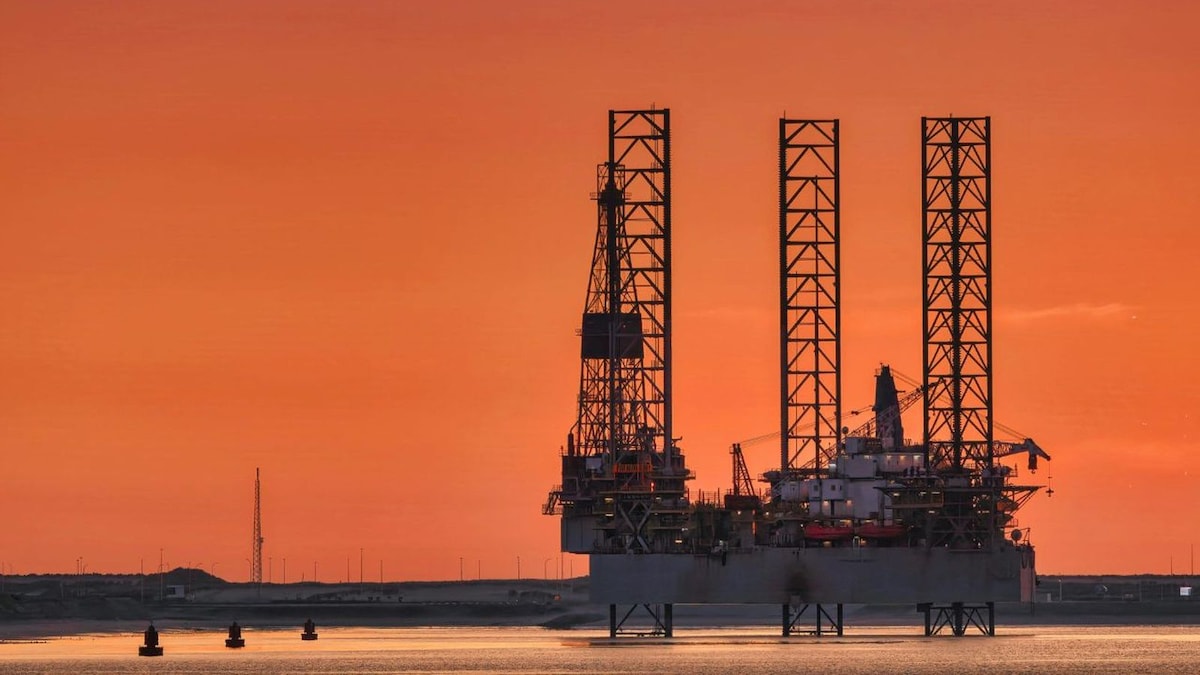
The United States said it might block ships going to Iran for a very long time to put pressure on the country.
It also said it would add more economic pressure on Tehran.
This made people worry that oil might run short, so prices went up on Friday.
The Strait of Hormuz is a very busy waterway that carries a lot of oil.
Ships moving through it slowed down because both the U.S. and Iran say they control it.
Two ships from the United Arab Emirates were attacked while traveling through the strait.
The UAE said Iran was behind the attacks.
Oil prices were set to rise about four percent for the week because of these worries.
But some experts say prices could fall, because oil storage has more crude than expected and demand is growing more slowly.
Extra stored oil can help make up for supply problems.

Oil prices rose on Friday, with Brent at $87.19 a barrel and U.S. WTI at $81.75 a barrel.
Brent and WTI were on track for weekly gains of about 4.3% and 4.6%, respectively.
The U.S. said Thursday it could maintain a naval blockade of Iran indefinitely as ceasefire talks have stalled.
Shipping traffic through the Strait of Hormuz fell below the month's average amid U.S. and Iranian claims over the channel's control.
Two Abu Dhabi National Oil Company vessels were attacked while transiting the strait, an incident the UAE condemned as an Iranian attack.
- Who
- U.S. Treasury Secretary Scott Bessent, the U.S. and Iran, along with oil analysts and companies such as Abu Dhabi National Oil Company.
- What
- The U.S. threatened an indefinite naval blockade of Iran, raising concerns about crude supply disruptions and pushing oil prices higher.
- Where
- The Middle East, particularly the Strait of Hormuz.
- When
- Friday, following the U.S. statement made on Thursday.
- Why
- Ceasefire talks have stalled and the U.S. intends to increase economic pressure on Tehran.
Supply Disruption Fears
Demand and Inventory Caution
Strait of Hormuz and Iran
Supply Disruption Fears
The U.S. says it could maintain a naval blockade of Iran indefinitely and apply unprecedented economic isolation after ceasefire talks stalled.
Demand and Inventory Caution
Iran claims control over the Strait of Hormuz, and the UAE condemned an attack on its ADNOC vessels as an Iranian attack.
Oil Price Direction
Supply Disruption Fears
Supply disruption concerns lifted Brent and WTI toward weekly gains of about 4.3% and 4.6%, with little hope of near-term resolution in the Middle East.
Demand and Inventory Caution
OPEC forecasts point to weaker demand growth and U.S. crude inventories posted their largest weekly increase in more than 3-1/2 years, which should pull oil prices lower.
Key facts
- Brent crude price
- $87.19 per barrel
- WTI crude price
- $81.75 per barrel
- Brent weekly gain
- About 4.3%
- WTI weekly gain
- About 4.6%
- Strait of Hormuz share of global daily oil and LNG supplies
- About one-fifth
- U.S. crude inventories
- Largest weekly increase in more than 3-1/2 years
- U.S. announcement
- Naval blockade of Iran could be maintained indefinitely; more economic measures expected next week
- ADNOC vessels attacked
- Two vessels attacked while transiting the Strait of Hormuz on Thursday
Quotes

Scott Bessent
U.S. Treasury Secretary
“"Watch this space for more announcements coming next week because we are going to apply measures like have never been seen in the history of economic isolation of a country."”
 CNBC TV 18
Bjarne Schieldrop
SEB Research analyst
“"A return to normal flows out of the Strait of Hormuz is now suddenly without any near‑term hopes."”
CNBC TV 18
Norbert Rucker
Head of economics and next generation research at Julius Baer
“"Storage is holding up much better than feared, which should pull oil prices lower."”
CNBC TV 18
Sources
Related news
Oil Prices Rise as New US Iran Measures Threaten Supplies

Oil Prices Surge Above $90 as US-Iran Tensions Escalate
Oil Prices Rise as US-Iran Strikes Threaten Hormuz Supplies

Oil Surges Above $90 as Hormuz Risks Intensify

Oil Prices Rise Fourth Day as Hormuz Fears Grow
Oil prices climb to $83 as Hormuz deal stalls

US-Iran Strikes Escalate as Tehran Warns of New Strategy
Trump Warns of Fresh Iran Strike After Heavy Attack

Trump Says US Could Attack Iran Again at Will

U.S. Treasury Yields Ease as Jobs Data Misses Expectations

Iran Seizes Fuel-Smuggling Vessel in Gulf, Arrests 11 Crew