2 weeks ago
Oil Rises as US Threatens Unprecedented Economic Pressure on Iran

Oil is a special liquid that many cars, planes, and factories need to run.
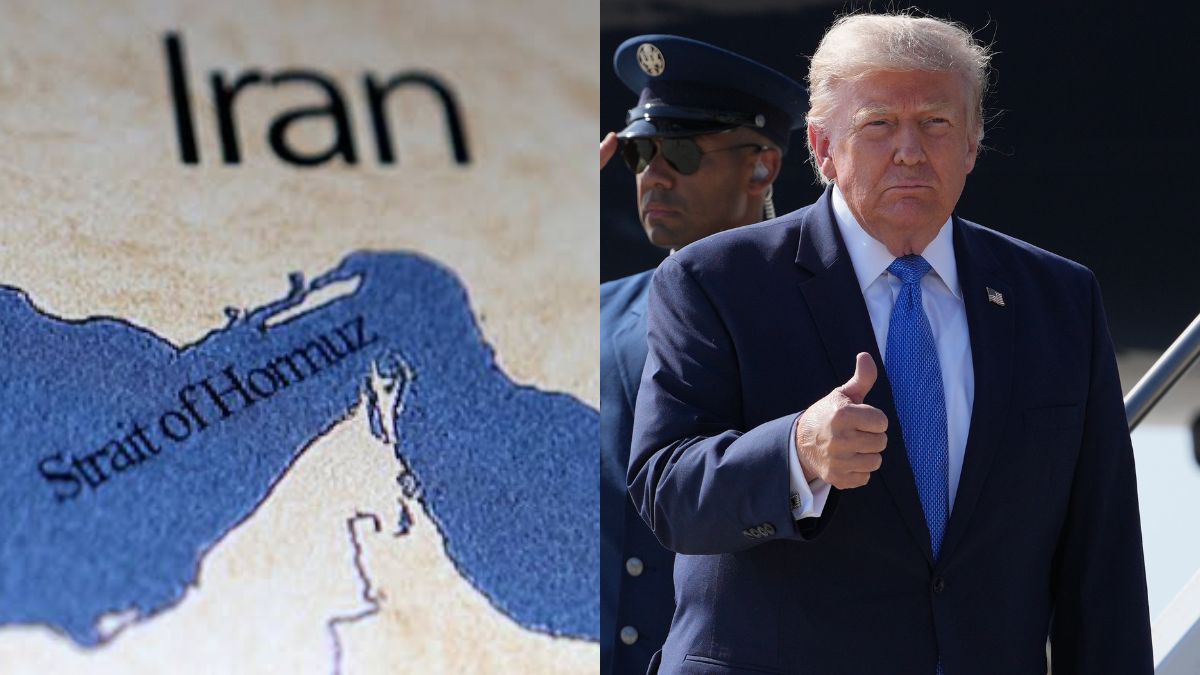
Most of the world gets oil by ship through a very important sea passage called the Strait of Hormuz.
For almost six months, there has been a war in that area, and it is harder to move oil safely.
Because oil is harder to get, its price has gone up a lot this year.
The United States told Iran, one of the countries near the sea passage, to open the waterway again.
America's money leader said the US will use very strong rules to make Iran agree.
Iran has been talking with Oman, another nearby country, about reopening the passage, but they have not reached a deal yet.
Some oil ships were even attacked, but the problem was quickly brought under control.
Experts think oil will stay expensive until a major change or deal happens.

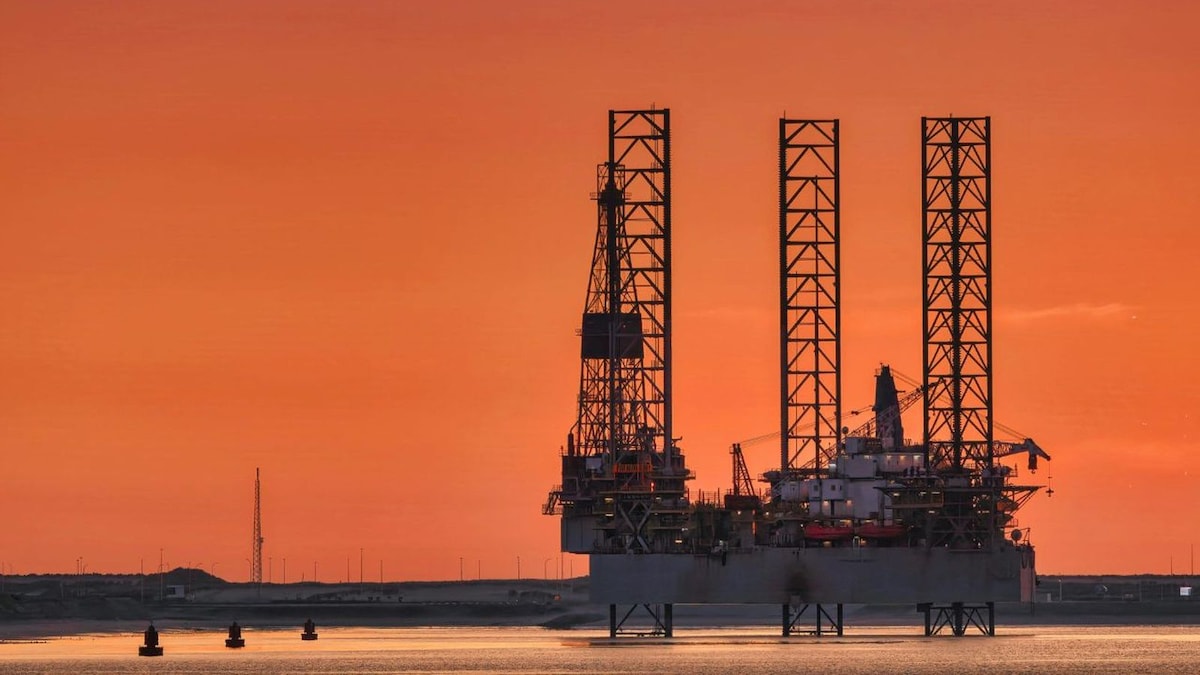
Brent crude settled above $88 a barrel, up roughly 6% for the week.
US Treasury Secretary Scott Bessent said Washington will apply economic pressure on Iran "like the world has never seen," with more measures to be announced next week.
The US will maintain its naval blockade of Iranian ports to push Tehran to reopen the Strait of Hormuz.
Iran has been in talks with Oman about reopening Hormuz, but no deal has been reached amid hardening positions in Tehran and Washington.
The International Energy Agency forecasts a deeper supply shortfall this quarter, with the 2026 global deficit set to be the widest in five years.
- Who
- US Treasury Secretary Scott Bessent, US President Donald Trump, US Energy Secretary Chris Wright, Iran, and Oman, with the International Energy Agency and energy analysts monitoring the situation.
- What
- The US threatened unprecedented economic pressure and a continued naval blockade of Iranian ports to push Iran to reopen the Strait of Hormuz, driving oil prices higher.
- Where
- The Strait of Hormuz, the Persian Gulf, Iran, Oman, and Washington, affecting global oil markets.
- When
- As of this week, during the sixth month of the war affecting the Strait of Hormuz.
- Why
- The war has disrupted oil output and exports from top Persian Gulf producers, stoking supply fears and prompting forecasts of a deep supply shortfall.
US government position
Analysts and Iran's track record
Effectiveness of economic pressure
US government position
Unprecedented US economic pressure will isolate Iran and force it to reopen the Strait of Hormuz.
Analysts and Iran's track record
Iran has weathered past waves of sanctions without bending, and it is unclear the pressure will force capitulation.
Oil market outlook
US government position
The IEA forecasts a deeper supply shortfall this quarter and the widest global deficit in five years for 2026.
Analysts and Iran's track record
Analysts say this week's gain reflects a risk premium rather than tighter fundamentals, with flows through Hormuz higher than expected.
Key facts
- Brent crude price
- Above $88 a barrel
- Weekly gain
- About 6%
- Oil futures rise in 2026
- More than 40% since the start of the year
- Conflict duration
- Sixth month
- US next step
- More economic measures to be announced next week
- Reopening talks
- Iran negotiating with Oman; no deal reached
- Attacked ships
- Two Abu Dhabi National Oil Co. ships attacked late Thursday, situation brought under control
- Price forecast
- $80-$90 per barrel range unless a major development emerges
Quotes

Scott Bessent
U.S. Treasury Secretary
“The US will also maintain its naval blockade of Iranian ports as Washington pushes Tehran to reopen the key energy chokepoint.”
 livemint.com
“The US will apply economic pressure on Iran “like the world has never seen,” with more to be announced next week.”
livemint.com
Sources
Related news
Oil Prices Rise as New US Iran Measures Threaten Supplies
Oil Prices Rise Fifth Session as Trump Tightens Iran Pressure
Oil Prices Near One-Month High as US Threatens Iran Sanctions

Oil Falls as Iran War Diplomacy Eases Hormuz Fears
Oil Prices Rise as US Threatens Indefinite Blockade of Iran
Oil Prices Fall as Iran-Oman Talks Ease Hormuz Fears
US-Iran Strikes Escalate as Tehran Warns of New Strategy
Trump Warns of Fresh Iran Strike After Heavy Attack

Trump Says US Could Attack Iran Again at Will

U.S. Treasury Yields Ease as Jobs Data Misses Expectations

Iran Seizes Fuel-Smuggling Vessel in Gulf, Arrests 11 Crew