1 week ago
Delhi Master Plan 2047 Proposes Redevelopment Rules for Old Flats
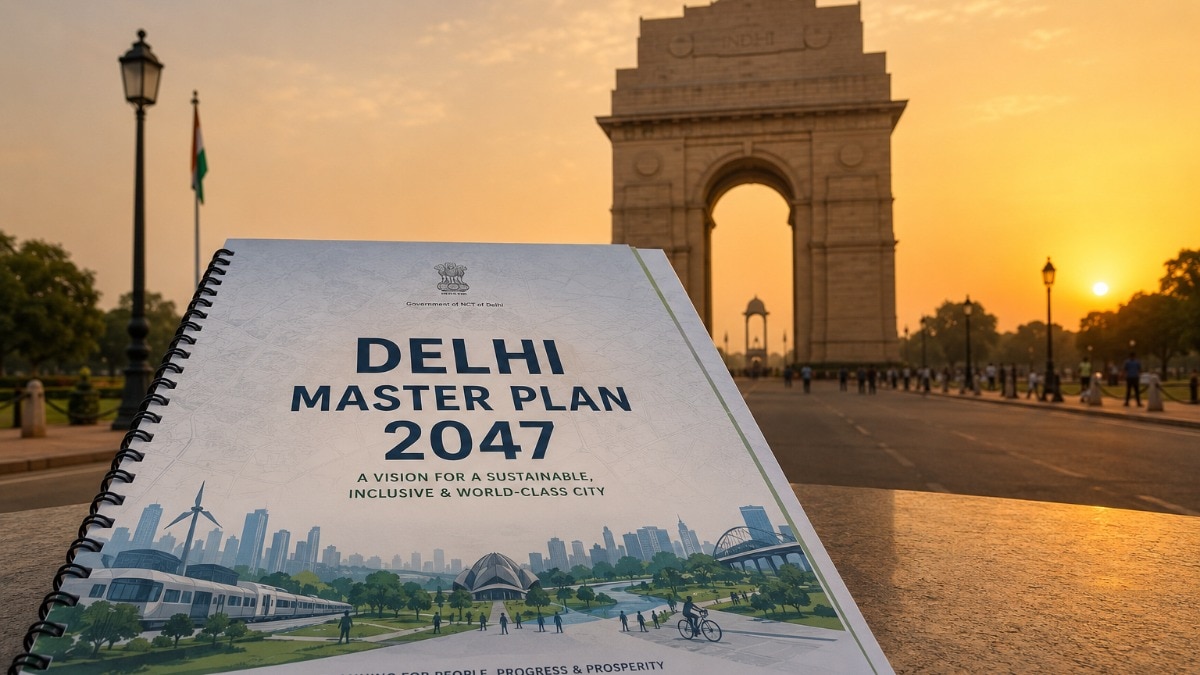
Delhi is planning new rules to improve some old housing colonies.
Builders may be allowed to construct more space on the same land.
This does not automatically mean every resident will receive a home 1.5 times larger.
The final home size would depend on the land, rules and agreements with residents.
Smaller housing societies may also be able to rebuild under the proposal.
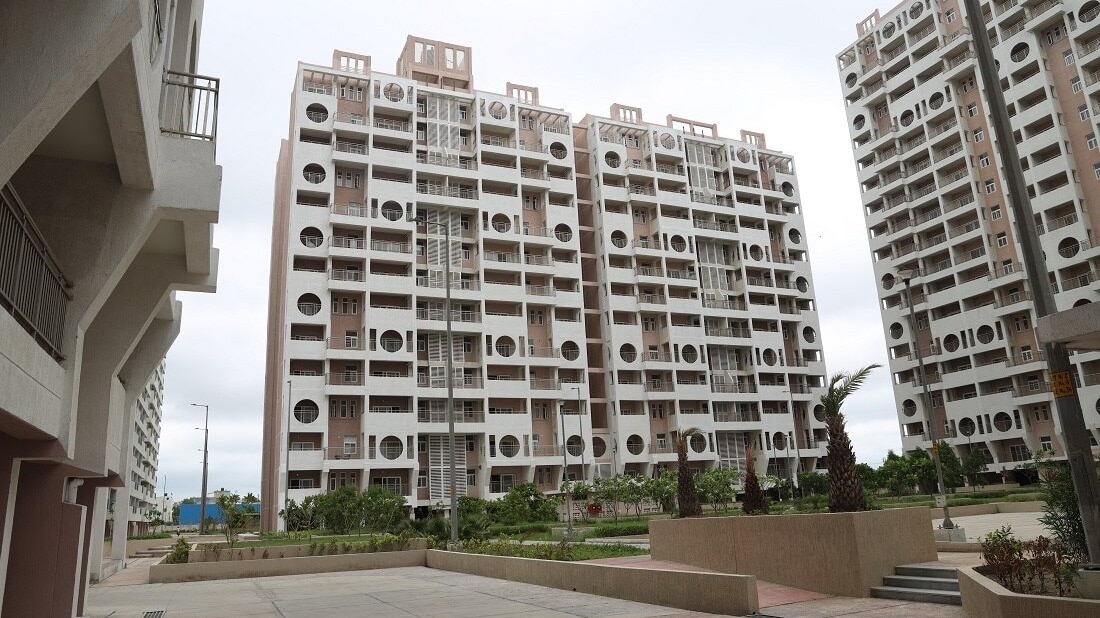
New buildings could have lifts, better parking, wider roads and improved water and sewer systems.
They would also need to include recycling, renewable energy, rainwater harvesting and green areas.
The plan could create about 7 lakh additional homes, but it would not cover unauthorised colonies, slum clusters, floodplains or certain bungalow zones.

The proposed framework could grant redevelopment projects additional Floor Area Ratio of up to 1.5 times the base FAR.
The minimum land requirement for group-housing redevelopment could fall from 40,000 square metres to 3,000 square metres.
Redevelopment is estimated to generate around 7 lakh additional homes and improve parking, roads, utilities and green spaces.
Projects would need wastewater treatment, waste recycling, renewable power, rainwater harvesting and extensive greenery.
The model targets old colonies, cooperative societies, DDA housing and government colonies, but excludes several restricted areas.
- Who
- The proposed framework would involve residents, RWAs or housing societies, developers and the Delhi Development Authority.
- What
- Delhi Master Plan 2047 proposes new rules for redeveloping old housing colonies and societies.
- Where
- The framework would apply mainly to old colonies, cooperative housing societies, DDA housing and government colonies in Delhi.
- When
- The proposals are part of Delhi Master Plan 2047; a specific implementation date is not stated.
- Why
- The plan aims to improve old housing, add facilities and help meet Delhi’s projected need for more than 40 lakh additional homes by 2047.
Key facts
- Additional FAR
- Up to 1.5 times the base FAR may be allowed for redevelopment projects.
- Minimum land requirement
- The proposed threshold for group-housing redevelopment would decrease from 40,000 square metres to 3,000 square metres.
- Estimated additional homes
- Around 7 lakh homes could be generated through redevelopment.
- Projected housing need
- Delhi is estimated to require more than 40 lakh additional homes by 2047.
- Green-space proposal
- At least 50% of society land would be maintained as parks or greenery.
- Renewable energy
- At least 5% of electricity requirements would be proposed to come from renewable sources.
- Excluded areas
- Unauthorised colonies, urban villages, slum clusters, the Yamuna floodplain and bungalow zones such as Lutyens’ Delhi and Civil Lines would be excluded.
Sources
Related news

Delhi’s MPD-2047 Offers Ageing Colonies Redevelopment With Higher FAR

Delhi Plan Proposes Redevelopment Of Unauthorised Colonies, JJ Housing
Delhi Master Plan 2047 Brings Bigger Homes, Denser Growth

Delhi Master Plan 2047 Targets 40 Lakh New Homes
DDA Approves Redevelopment Policy For Old Two-Storey Delhi Homes

Delhi’s Master Plan 2047 Plans 40 Lakh Homes, Transit

15-Year-Old Dies After 13-Year Wait for Heart Surgery

DDA Launches FAQs and Feedback Drive for Delhi Master Plan

NBEMS Announces October FMGE, Three Annual Exams From 2027
NBEMS Announces Third FMGE Attempt by October 2026

Flu Precautions: When Masks and N95s May Help