1 week ago
Delhi Master Plan 2047 Brings Bigger Homes, Denser Growth
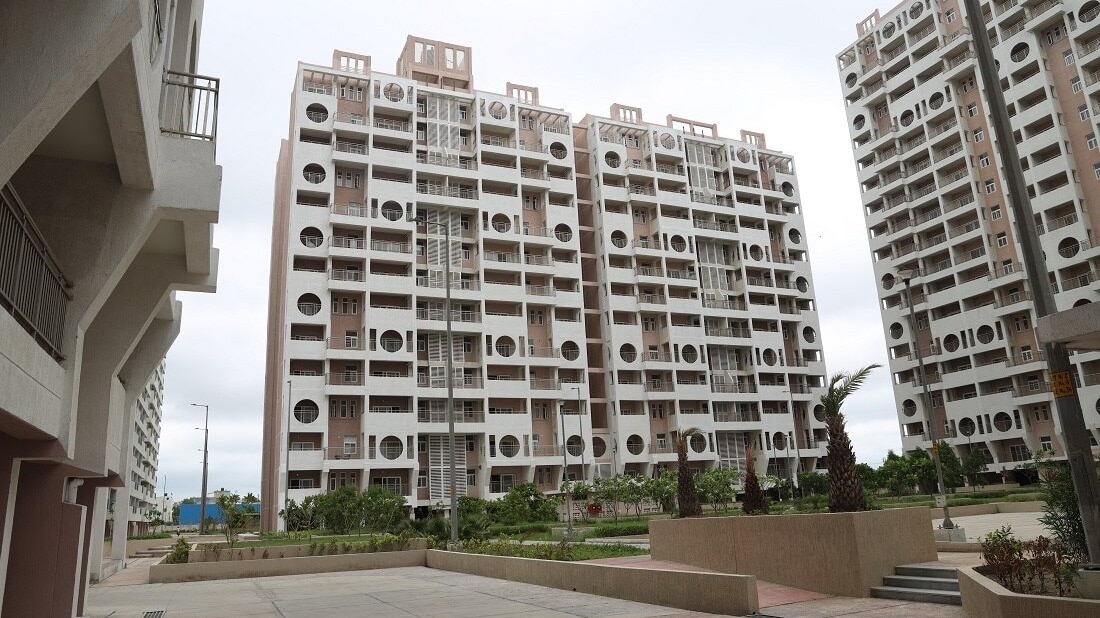
Delhi expects many more people to live in the city by 2047.
Because there is not much open land left, the city plans to build upward with taller buildings.
Seventy villages may be developed as new urban areas.
Older housing societies could be rebuilt with better lifts, parking and other facilities.
Some rebuilt societies may have 50% more construction space than before.
Money from selling additional flats could help pay for the rebuilding.
More smaller homes are planned near Metro and RRTS stations.
The plan also discusses roads, transport, water, air quality and other services.
Some leasehold properties could become freehold when plots are combined for redevelopment.

Delhi is expected to accommodate nearly 80 lakh additional people by 2047 through denser, largely vertical development.
Seventy villages have been opened for planned urban development, potentially creating new residential and commercial hubs.
Eligible old housing societies may be redeveloped with 1.5 times their existing FAR, allowing homes to become effectively 50% larger.
Leasehold plots combined for a single redevelopment project could automatically become freehold after outstanding dues are cleared.
Around transport hubs, 65% of newly developed residential space will be reserved for homes smaller than 60 square metres.
- Who
- Delhi residents, housing societies, developers and government planners are affected by the Delhi Master Plan 2047.
- What
- The plan proposes denser and more vertical construction, village development, housing-society redevelopment, property-rights changes and more affordable housing near transport hubs.
- Where
- Delhi, including 70 villages, older DDA and cooperative housing societies, areas near Metro and RRTS stations, and parts of the Yamuna floodplain.
- When
- The plan looks toward 2047, with nearly 80 lakh additional people expected by then.
- Why
- Delhi has limited land for horizontal expansion and must accommodate population growth while improving housing, transport, infrastructure, air quality, water and quality of life.
Key facts
- Expected population increase
- Nearly 80 lakh additional people by 2047
- Delhi’s area
- Around 1,483 square kilometres
- New development areas
- 70 villages opened for urban development
- Redevelopment construction allowance
- Eligible societies may receive 1.5 times their existing FAR, effectively allowing 50% more construction
- Minimum redevelopment plot size
- 3,000 square metres, although smaller plots may be combined
- Small-home allocation
- 65% of residential space near major public transport hubs reserved for homes under 60 square metres
- Resident approval
- Redevelopment requires consent from the Resident Welfare Association
Sources
Related news
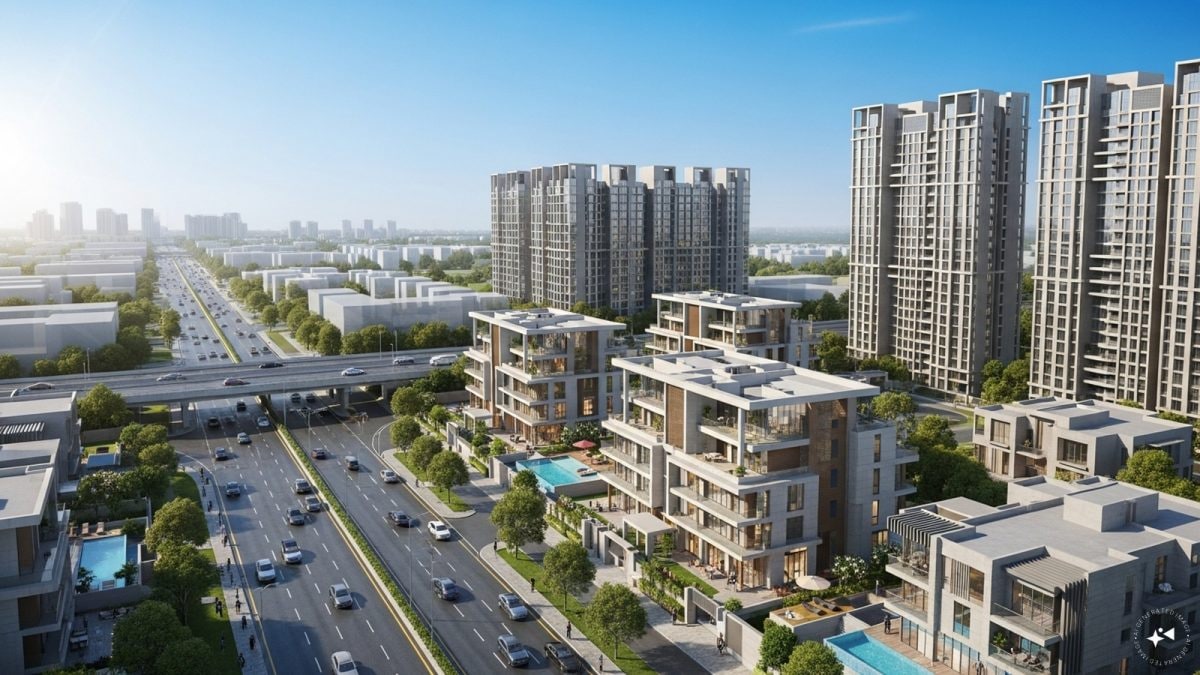
Delhi Master Plan 2047 Approves 40 Lakh Homes, Smoother Commute

Delhi’s Master Plan 2047 Plans 40 Lakh Homes, Transit

Delhi Master Plan 2047 Targets Housing, Transit and Development

Delhi Master Plan 2047 Targets 40 Lakh New Homes
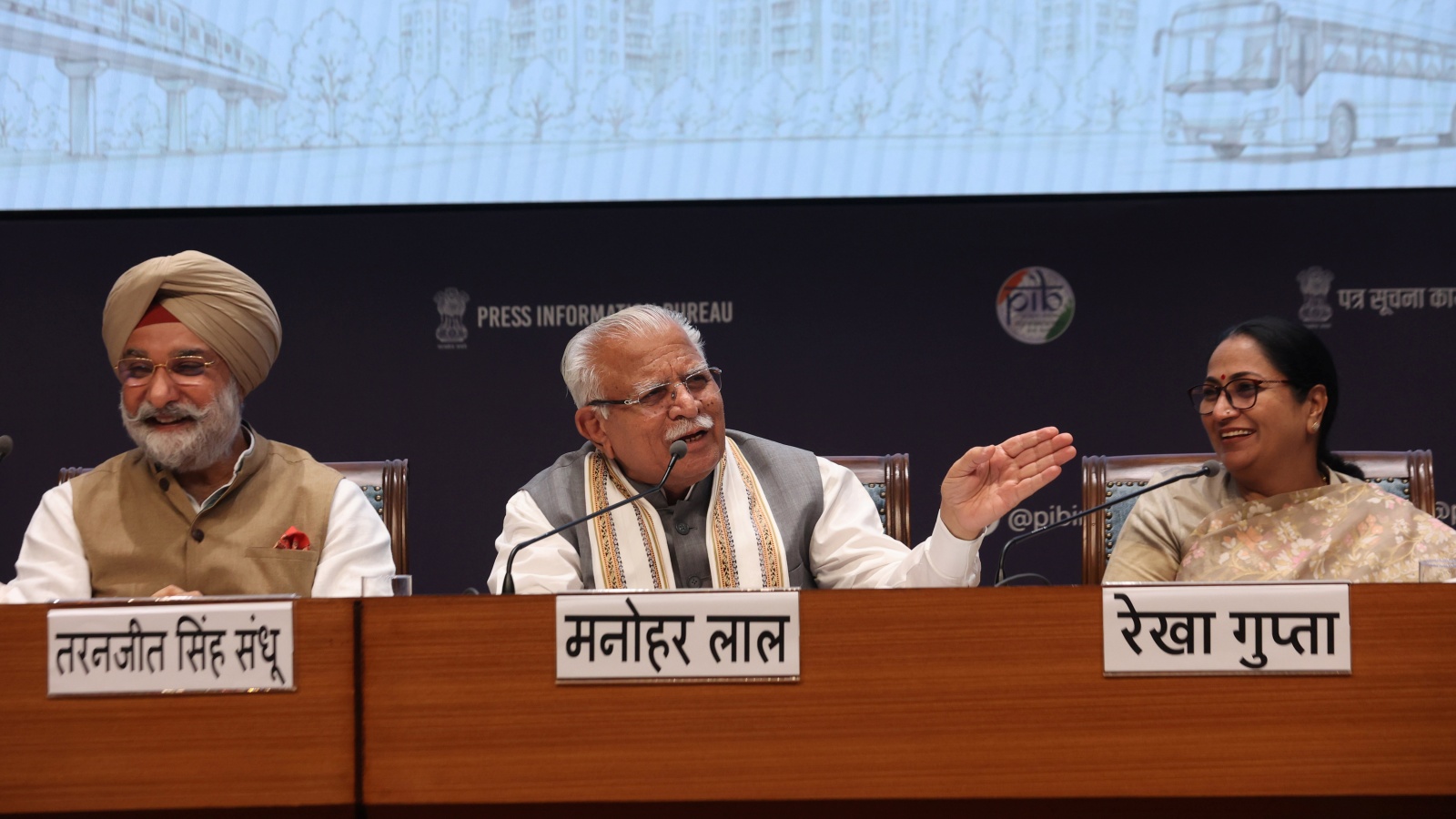
Delhi Notifies 2047 Master Plan Opening City to High-Rise Development

Delhi Master Plan 2047 Targets 40 Lakh New Homes

15-Year-Old Dies After 13-Year Wait for Heart Surgery
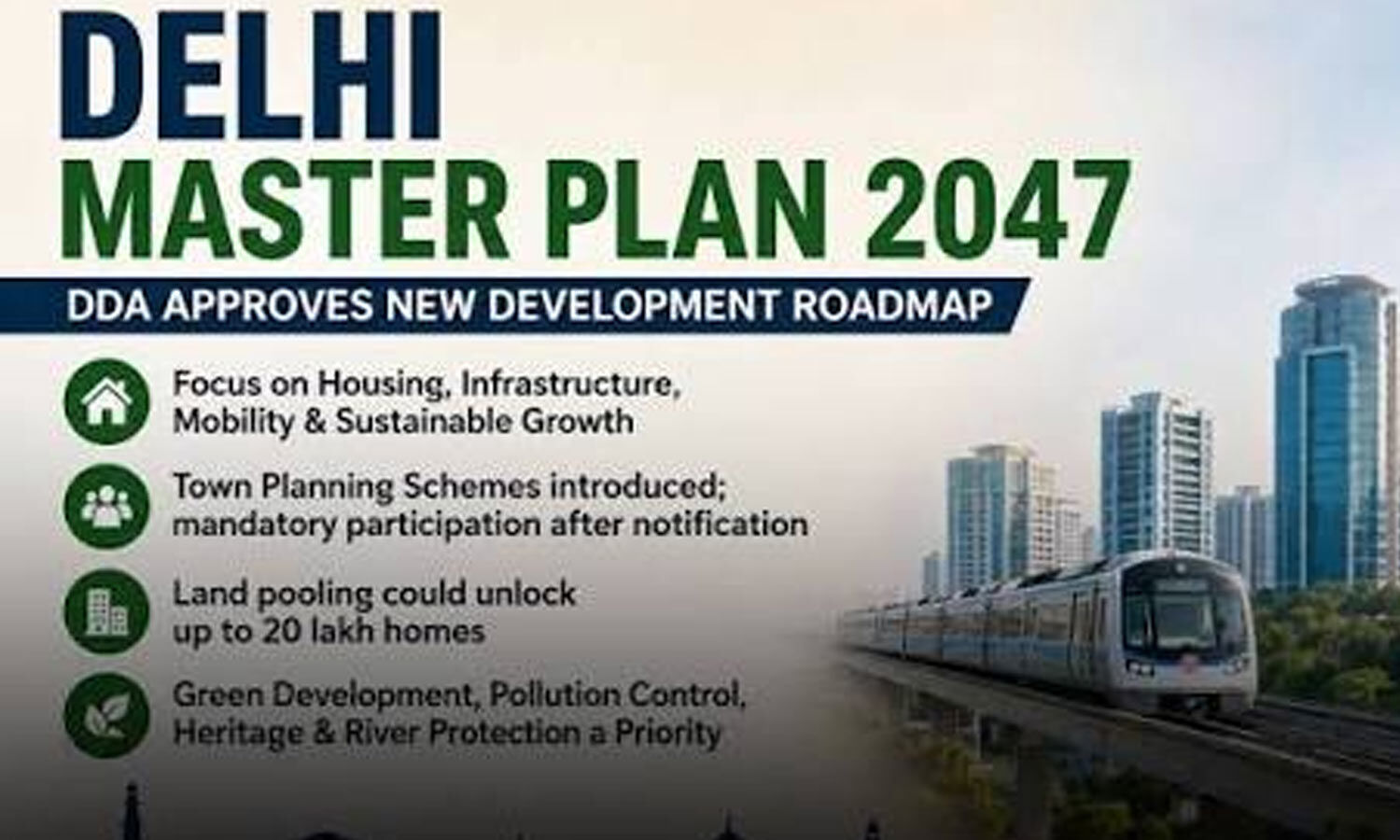
DDA Launches FAQs and Feedback Drive for Delhi Master Plan
NBEMS Announces October FMGE, Three Annual Exams From 2027
NBEMS Announces Third FMGE Attempt by October 2026

Flu Precautions: When Masks and N95s May Help