

4 hrs ago
Govt announces rabi MSP hikes to promote oilseed production
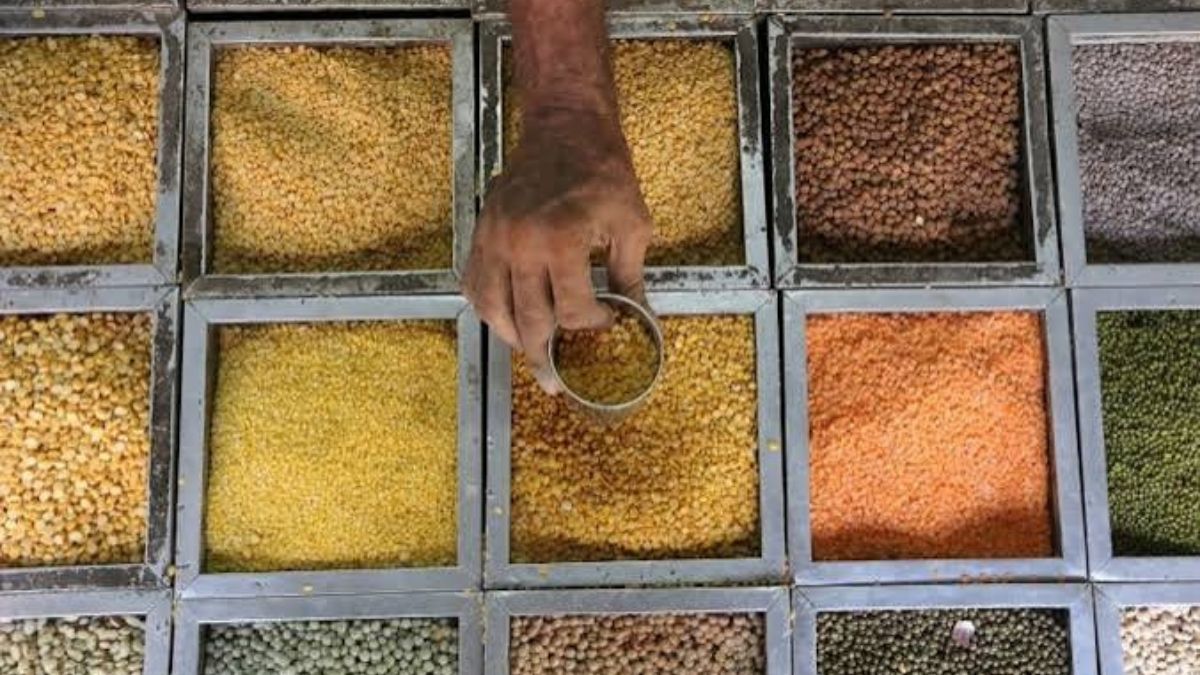
The government sets a minimum price that farmers can receive for some crops.
It has raised these prices for crops grown during the winter season.
Wheat received only a small increase because India already has a large supply in storage.
Safflower and mustard received bigger increases to encourage farmers to grow more oilseeds.
Oilseeds are used to make edible oils.
India imports a large amount of edible oil, and those imports have become expensive.
The government hopes that growing more oilseeds at home will reduce the need for imports.
It plans to buy millions of tonnes of rabi crops from farmers at the announced prices.

The government raised minimum support prices for 2027-28 rabi crops by 1% to 10.3%.
Wheat MSP increased nearly 1% to Rs 2,610 per quintal from Rs 2,585.
Safflower received the largest hike, rising 10.3% to Rs 7,215 per quintal.
Mustard MSP rose 6.6% to Rs 6,613 as the government seeks to reduce edible-oil import dependence.
The government plans to procure 32.4 million tonnes of rabi crops, paying farmers Rs 90,962 crore.
- Who
- The Government of India, with MSP recommendations from the Commission for Agricultural Costs and Prices, announced the changes; Information and Broadcasting Minister Ashwini Vaishnaw presented them.
- What
- Minimum support prices for 2027-28 rabi crops were increased by between 1% and 10.3%.
- Where
- The policy applies to India’s rabi-crop markets and farming regions.
- When
- The announcement was made on Wednesday for the 2027-28 marketing season, which runs from April to June.
- Why
- The government aims to support farmers, encourage crop diversification, increase oilseed and pulse production, and reduce edible-oil import dependence.
Government rationale
Market caution
Effect of higher oilseed MSPs
Government rationale
The government is using higher prices for safflower and mustard to encourage crop diversification, expand domestic oilseed production and reduce edible-oil imports.
Market caution
Harsha Rai of Mayur Global Corporation said mustard’s higher MSP could influence crop rotation and acreage, but market direction will depend more on crop size, procurement intensity and overall supply-demand conditions.
Wheat price increase
Government rationale
The government said wheat already has an MSP more than double its production cost, while officials linked the modest increase to surplus stocks and the need to promote oilseeds and pulses.
Market caution
The reported wheat increase is only about 1%, compared with a 6.6% increase the previous year, indicating a less aggressive price signal for wheat producers.
Key facts
- Wheat MSP
- Rs 2,610 per quintal, up from Rs 2,585.
- Safflower MSP
- Rs 7,215 per quintal, the largest increase at 10.3%.
- Mustard MSP
- Rs 6,613 per quintal, up Rs 413 or 6.6%.
- Gram MSP
- Rs 5,958 per quintal, up 1.4% from Rs 5,875.
- Planned procurement
- 32.4 million tonnes of wheat, mustard, gram and lentils.
- Planned farmer payments
- Rs 90,962 crore through MSP purchases.
- Wheat stocks
- The Food Corporation of India held 46.76 million tonnes against an October 1 buffer of 20.52 million tonnes.
Quotes

Ashwini Vaishnaw
India’s Information and Broadcasting Minister who discussed the wheat MSP decision.
“The higher mustard MSP could also influence crop rotation and acreage decisions in some rabi-growing regions. In china, however, the 1.4% MSP increase is modest, so market direction will depend more on crop size, procurement intensity and overall supply-demand balance”
 financialexpress.com
“The production cost of wheat is Rs 1,264/quintal, but MSP has been kept more than double at Rs 2,610/quintal for 2027-28”
financialexpress.com
Sources
Related news

Centre Raises Wheat MSP Above Double Production Cost for 2027-28

India Approves Rabi Crop MSP Hikes, Wheat Increase Remains Modest

Centre Raises Rabi Crop Support Prices for 2027-28 Season

Cabinet Approves Rabi MSP Hike for Six Crops

Cabinet May Raise Rabi Crop MSP, Extend Ujjwala Subsidy
India Cuts Edible Oil Duties Ahead of Festive Season
Delhi approves AI traffic grid with 2,500 cameras

Delhi Approves Rs 1,789 Crore AI Traffic System
