1 hr ago
Delhi approves AI traffic grid with 2,500 cameras
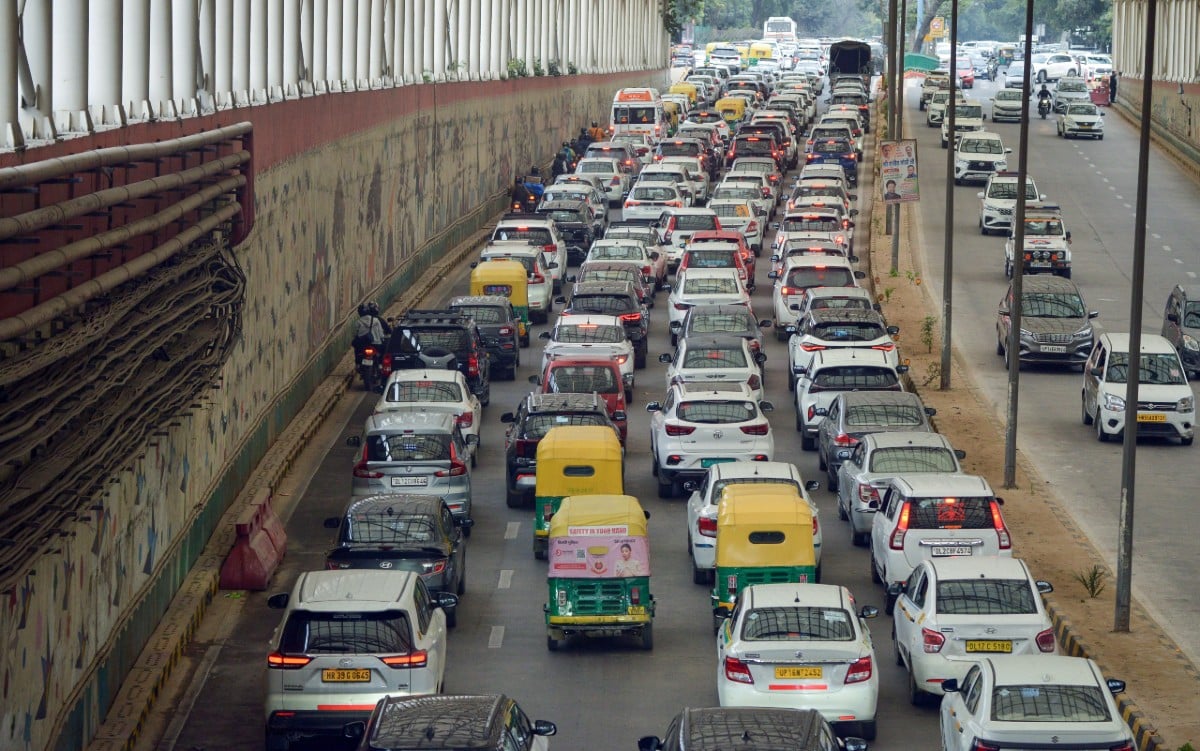
The government has approved a new computer system to help manage traffic in Delhi.
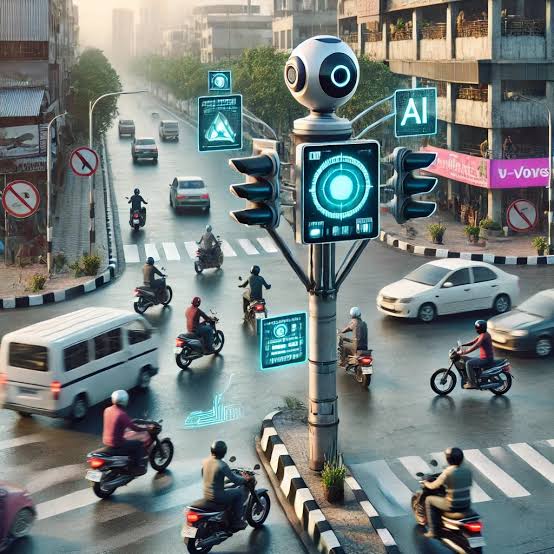
It will use about 2,500 cameras and artificial intelligence.
The cameras can look for traffic rule violations and vehicles connected to crimes.
They may also help police find stolen or wanted vehicles.
The system will change some traffic lights based on traffic conditions.
It will be built across 42 important roads in three stages.
Officials say the system could make roads safer and help reduce crime.
However, they have not explained how long camera data will be kept.
They also have not fully explained how information might be shared or protected.

The Union Cabinet approved Delhi Police’s Rs 1,789.52-crore Intelligent Traffic Management System after years of delays.
The system will expand AI-enabled traffic cameras from 209 to about 2,500 and connect existing cameras to AI tools.
AI analytics will identify stolen, blacklisted and wanted vehicles, repeat violators, and vehicles linked to hit-and-run cases.
Cameras will detect violations including speeding, red-light jumping, wrong-way driving, helmet and seat-belt violations, and phone use while driving.
The project will cover 42 corridors in three phases over 24 months, but officials have not detailed data retention, sharing, or privacy safeguards.
- Who
- The Union Cabinet, Delhi Police, the Ministry of Home Affairs, and technology partner C-DAC are involved.
- What
- Approval was given for a Rs 1,789.52-crore AI-based Intelligent Traffic Management System.
- Where
- The system will operate across Delhi, covering 42 corridors, 1,092 adaptive signal locations, and 1,029 enforcement locations.
- When
- The Union Cabinet approved the project on Wednesday; construction and deployment are planned over 24 months, followed by five years of operation and maintenance.
- Why
- The stated aims are to improve traffic flow, detect violations, identify wanted or stolen vehicles, and help trace crime-linked vehicles.
Security and traffic efficiency
Privacy and oversight concerns
Public safety
Security and traffic efficiency
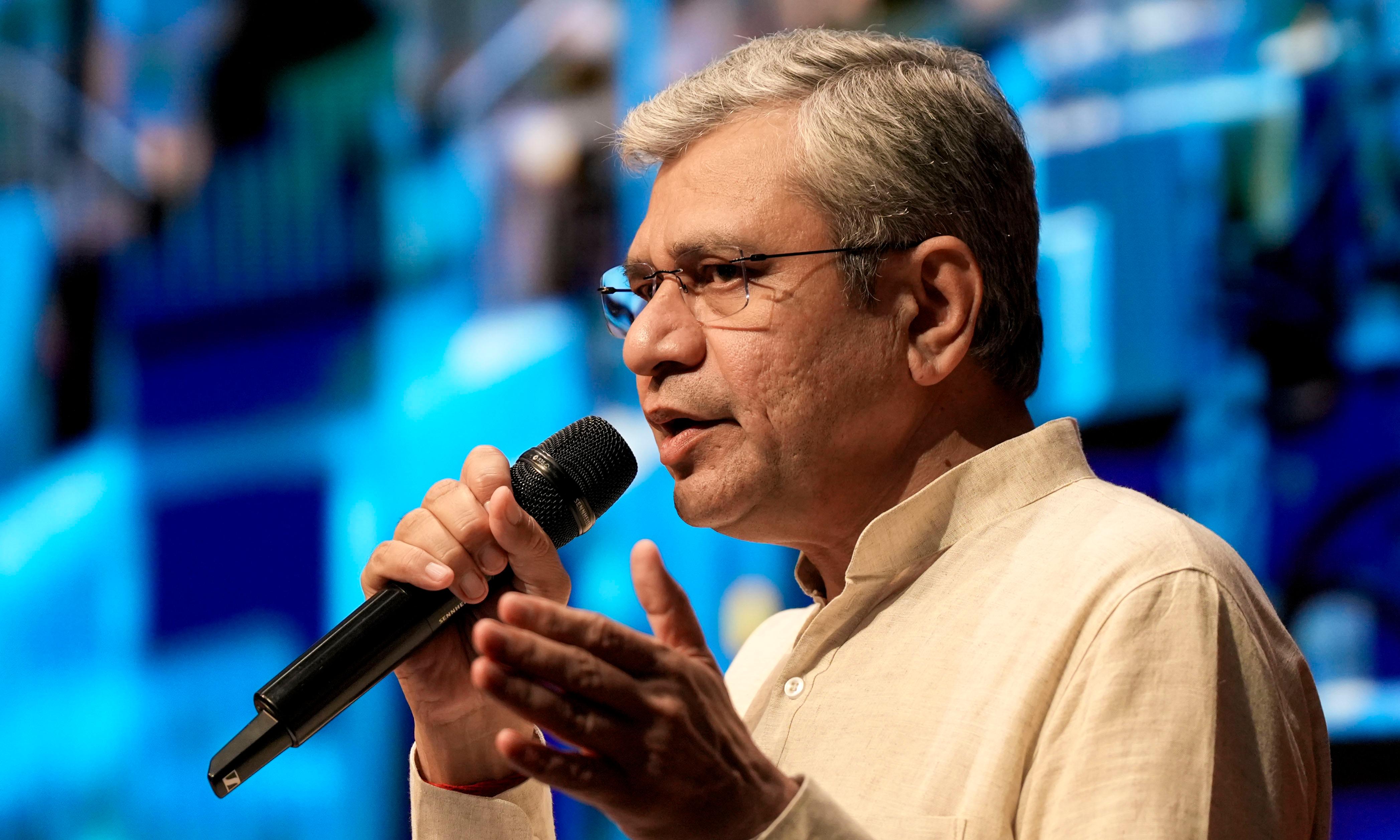
Government officials say AI cameras can quickly identify crime-linked vehicles, detect violations, and potentially reduce crime; Ashwini Vaishnaw cited a claimed 95 percent crime reduction at an earlier railway-station project.
Privacy and oversight concerns
Privacy advocates and critics may question expanded surveillance because the articles note that India has no law specifically governing facial recognition technology and cite the absence of a privacy impact assessment for the Safe City Project.
Data use and sharing
Security and traffic efficiency
The government says traffic information may be shared with navigation service providers and that the system will use open standards and APIs for future integration.
Privacy and oversight concerns
The government has not said how long data will be retained, on what terms it will be shared with private companies, or whether ITMS data will feed into existing facial-recognition and command-centre systems.
Implementation timeline
Security and traffic efficiency
The project is now approved with a defined three-phase, 24-month rollout and five years of operations and maintenance.
Privacy and oversight concerns
The system has faced repeated delays: it has been on the traffic police agenda since at least 2014, and earlier deadlines and cost projections were not met.
Key facts
- Project
- Intelligent Traffic Management System
- Approved cost
- Rs 1,789.52 crore
- AI-enabled cameras
- Expected to increase from 209 to approximately 2,500
- Coverage
- 42 corridors, 1,092 adaptive signal locations, and 1,029 enforcement locations
- Implementation
- Three phases over 24 months
- Maintenance
- Five years after implementation
- Technology partner
- Centre for Development of Advanced Computing (C-DAC)
- Unresolved safeguards
- Data retention, private-sector sharing, and the relationship with existing police systems were not specified
Quotes

Ashwini Vaishnaw
Union Minister who described the reported impact of an earlier AI-camera project.
“If we vary the duration of the traffic light, then the traffic flow can increase substantially”
 theprint.in
“Instead of changing the rules and regulations, this is more of a technological intervention”
theprint.in
Sources
Related news

Delhi Approves Rs 1,789 Crore AI Traffic System

Bengal Plans AI Surveillance to Enforce Parking Rules
Delhi Government Plans AI Traffic Audit Across South Delhi Roads

Why Highway Operators Are Turning to AI as Networks Expand
Nashik Plans AI Smart Signals Across 28 Junctions for Kumbh
Kalaburagi Police Prepare AI Cameras for Traffic E-Challans

India Approves ₹1.86 Lakh Crore Renewable Grid Push

Centre Raises Wheat MSP Above Double Production Cost for 2027-28

India Approves Rabi Crop MSP Hikes, Wheat Increase Remains Modest