

2 hrs ago
Delhi Approves Rs 1,789 Crore AI Traffic System

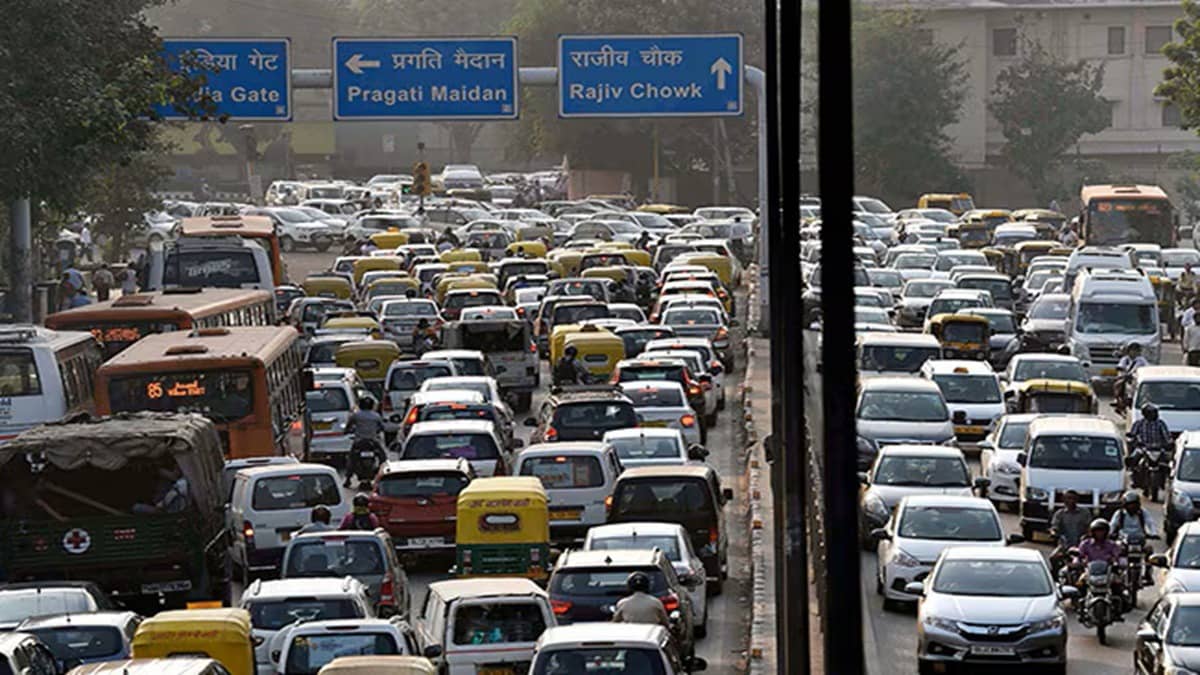
Delhi has approved a large computer-based system to help manage traffic.
It will cost about Rs 1,789.52 crore.
The system will watch traffic conditions in real time.
Signals could stay green longer where more vehicles are waiting and change more quickly where traffic is lighter.
It will also help manage traffic at busy roundabouts.
Police could detect crashes, jams and traffic violations more quickly.
Emergency vehicles may receive special green corridors to move faster.
Electronic signs and digital services could tell people about traffic, diversions and parking.
The project will be built in three phases over two years and maintained for five more years.

The Cabinet approved Delhi Police’s Intelligent Traffic Management System at an estimated cost of Rs 1,789.52 crore, including taxes.
The project will cover 42 traffic corridors and be implemented in three phases over 24 months, followed by five years of operation and maintenance.
Adaptive signals will use real-time traffic conditions to adjust timings and coordinate movement along major corridors.
The system will support emergency-vehicle green corridors, congestion detection, digital traffic information and quicker diversions.
AI-enabled enforcement will target violations including speeding, red-light jumping, wrong-way driving, illegal parking and mobile-phone use while driving.
- Who
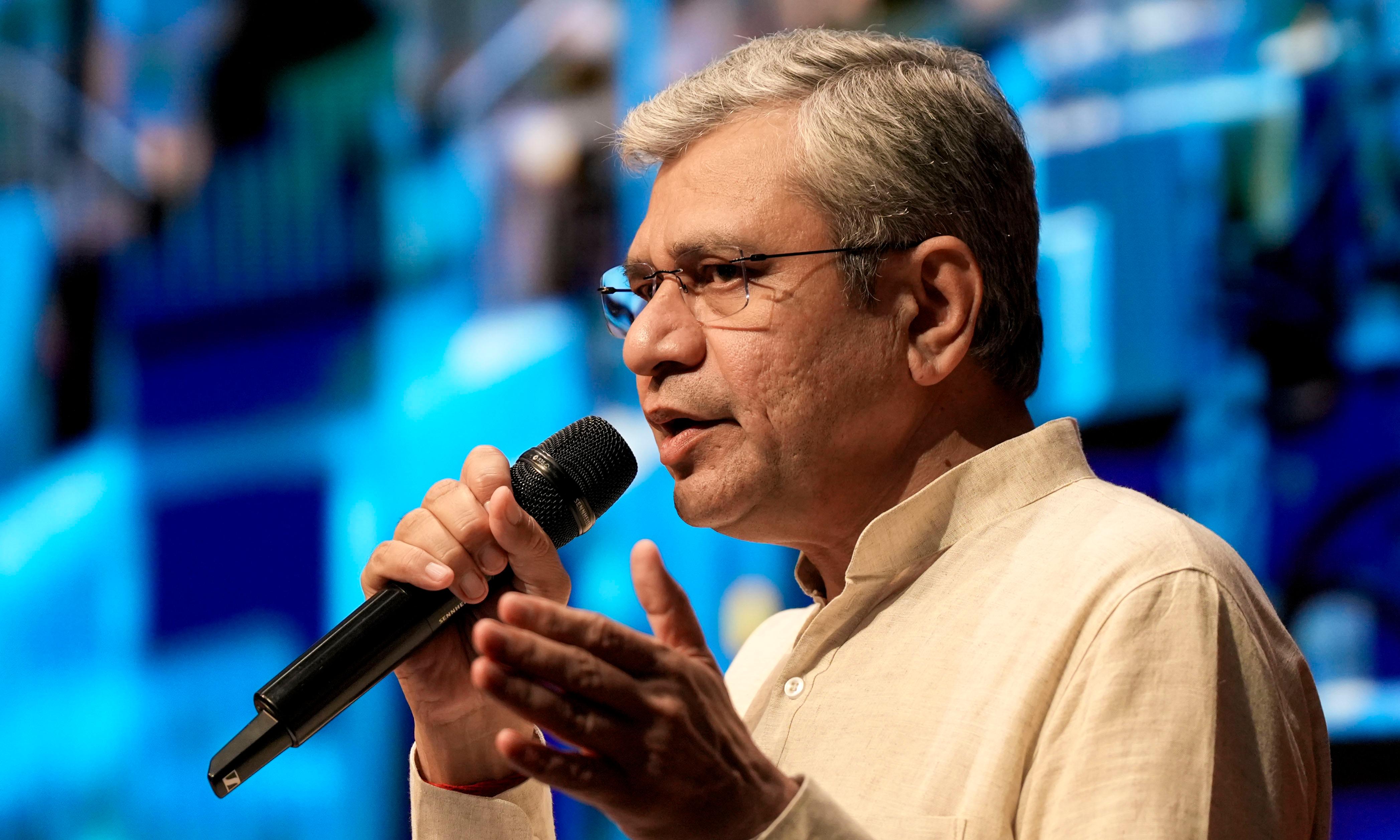
- The Cabinet Committee on Economic Affairs approved the project, which will be implemented by Delhi Police; Ashwini Vaishnaw described its proposed operation.
- What
- An AI-enabled Intelligent Traffic Management System using adaptive signals, real-time monitoring, automated enforcement and command-and-control centres.
- Where
- Across 42 identified traffic corridors in Delhi.
- When
- Implementation is planned in three phases over 24 months, followed by five years of operation and maintenance.
- Why
- To improve traffic flow and urban mobility, make better use of existing road capacity, reduce delays and strengthen traffic enforcement.
Key facts
- Approved cost
- Rs 1,789.52 crore, inclusive of taxes
- Coverage
- 42 identified traffic corridors in Delhi
- Implementation
- Three phases over 24 months
- Maintenance
- Five years after implementation
- Adaptive traffic systems
- 1,092 Adaptive Traffic Control Systems
- Enforcement locations
- 1,029 locations
- Existing signals
- Delhi currently has 1,529 traffic signals operating on fixed timers, according to the cabinet briefing
- Registered vehicles
- Around 71 lakh active registered vehicles in Delhi
Quotes

Ashwini Vaishnaw
Union Railways Minister speaking at a Union Cabinet briefing
“Currently, all 1,529 traffic signals operate on fixed timers. This means that if a signal is programmed for 30 or 35 seconds, even if there is heavy traffic coming from one direction and very little from another, the red light will still remain on for the full 30 seconds. Instead, if the system becomes adaptive, intelligent, and capable of dynamic changes, the direction with heavier traffic and build-up gets a shorter red light, while the side with less traffic gets a longer red light duration.”
 livemint.com
 republicworld.com
“At roundabouts (rotaries) in Delhi, logjams often occur. Practically everyone tries to enter from all directions, making it very difficult to exit the rotary. In such situations, can we have an intelligent system where no lights operate during low-traffic periods, but whenever traffic becomes intense, it can monitor and regulate the rotary in a circular sequence with 5-second intervals to hold traffic? All these solutions are possible through ITMS.”
livemint.com
republicworld.com
Sources
Related news
Nashik Plans AI Smart Signals Across 28 Junctions for Kumbh
Delhi Government Plans AI Traffic Audit Across South Delhi Roads

Why Highway Operators Are Turning to AI as Networks Expand
Delhi Deploys Drones to Monitor Traffic Ahead of BRICS Summit

Adhikari Launches Live Traffic Control Room Across West Bengal

India Approves ₹1.86 Lakh Crore Renewable Grid Push

Centre Raises Wheat MSP Above Double Production Cost for 2027-28

India Approves Rabi Crop MSP Hikes, Wheat Increase Remains Modest
Indian Cabinet Approves ₹1.86 Lakh Crore Green Energy Corridor-III Scheme
