2 hrs ago
India Cuts Edible Oil Import Duties Ahead of Festivals

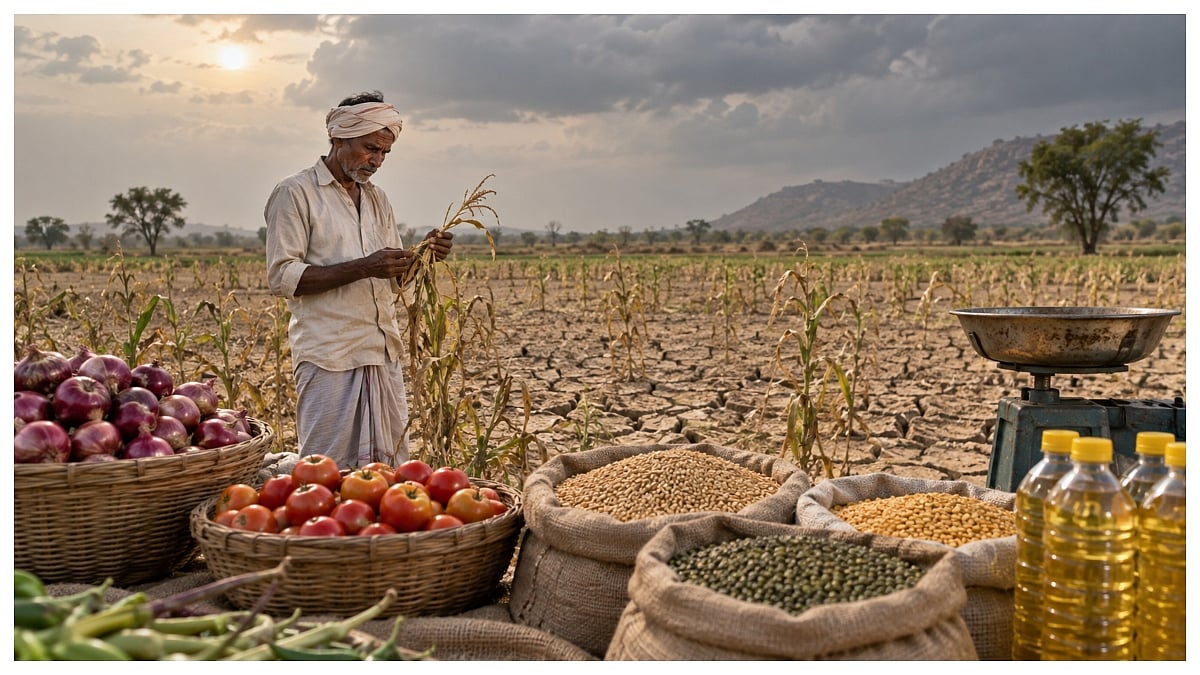
The Indian government has lowered taxes on several imported cooking oils.
The tax on crude soybean and palm oils is now 5% instead of 10%.
The tax on crude sunflower oil has been removed.
Taxes on refined soybean, palm and sunflower oils were also reduced.
The government hopes this will lower the cost of bringing oil into India.
Shops may charge less if the savings move through importers, sellers and other businesses.
India buys nearly 60% of the cooking oil it uses from other countries.
Cooking oil prices have risen because global prices, shipping costs and currency pressures increased.
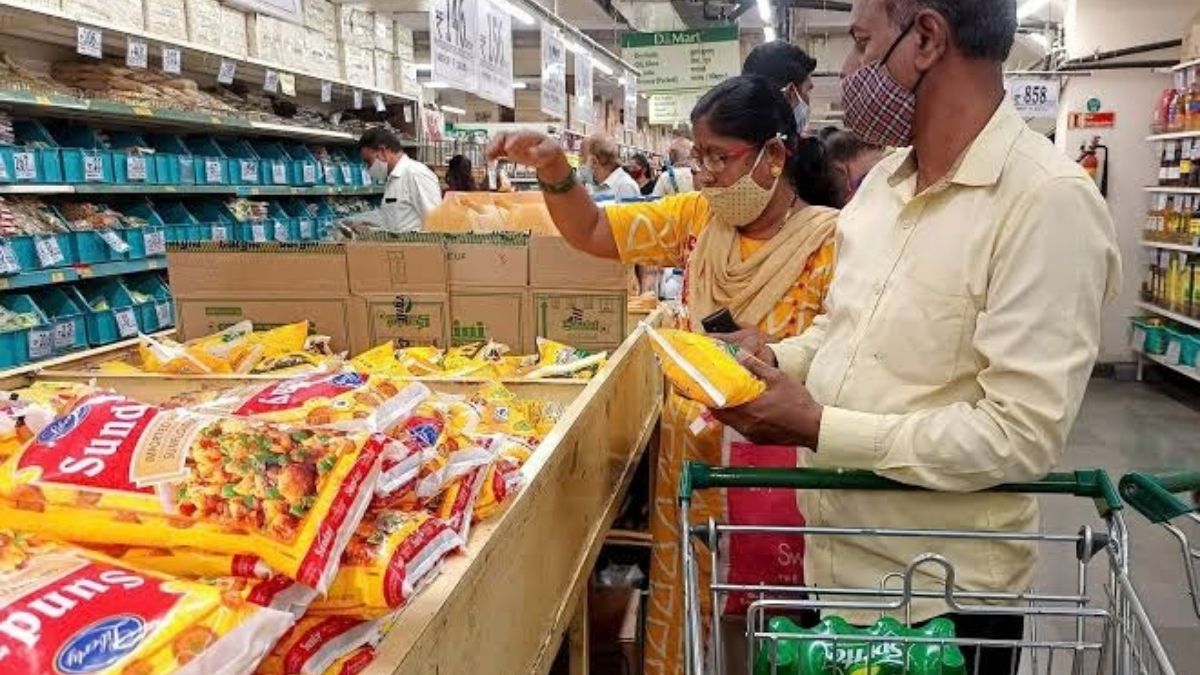
The changes come before festivals, when families and food businesses usually need more oil.

The government cut crude soybean and palm oil import duties to 5% from 10%.
The duty on crude sunflower oil was reduced to zero, while refined oil duties were also lowered.
The changes take effect Thursday and are intended to curb cooking oil prices before the festive season.
India imports nearly 60% of its edible oil consumption, with annual demand around 26 million tonnes.
Retail prices remain above year-ago levels, including soybean oil at ₹166.87 and palm oil at ₹153.89 per kg.
- Who
- The Government of India, through the finance ministry’s Department of Revenue, announced the duty reductions; the Indian Vegetable Oil Producers’ Association commented on their potential impact.
- What
- Basic customs duties on crude and refined soybean, palm and sunflower oils were reduced, including the removal of duty on crude sunflower oil.
- Where
- India, including imported oils arriving at Mumbai ports.
- When
- The notification was issued on Wednesday, with the changes taking effect Thursday; the report places the announcement ahead of the 2025 festive season.
- Why
- To reduce import costs and help curb rising edible oil prices before the festive season.
Expected Consumer Relief
Pass-Through Uncertainty
Effect of Lower Duties
Expected Consumer Relief
The Indian Vegetable Oil Producers’ Association said lower import duties should reduce the landed cost of imported oils and could provide some relief to consumers.
Pass-Through Uncertainty
The measure may not immediately lower retail prices because consumer relief depends on savings being passed through the supply chain.
Market Priority
Expected Consumer Relief
The government’s action targets rising prices ahead of festivals, when household and food-service demand is expected to increase.
Pass-Through Uncertainty
The sector also faces firm global prices, higher freight and insurance costs, rupee depreciation and increased biofuel use, which could limit the impact of duty cuts.
Key facts
- Crude soybean and palm duty
- Reduced to 5% from 10%
- Crude sunflower duty
- Reduced to nil from 10%
- Refined oil duties
- Soybean and palm reduced to 27.5% from 32.5%; sunflower reduced to 22.5% from 32.5%
- Import dependence
- India imports nearly 60% of its edible oil consumption, or more than 58% according to another cited estimate
- Annual demand
- About 26 million tonnes, with domestic production supplying up to 40%
- Retail prices
- On the cited Wednesday, mustard, soybean and palm oils averaged ₹202.87, ₹166.87 and ₹153.89 per kg, respectively
- Price increases
- Soybean, sunflower and palm oil prices were up 14%, 19.5% and 16.3% year-on-year, respectively, in the cited consumer affairs data
Quotes
Sudhakar Desai
President of the Indian Vegetable Oil Producers’ Association
“For the edible oil sector, the immediate priority is to ensure adequate availability across the country during the upcoming festival months, with higher household demand as well as increased requirements from the sweets, snacks, food service and HoReCa (hotel, restaurant and catering) segments.”
 livemint.com
Sources
Related news
India Cuts Customs Duties on Sunflower, Soybean and Palm Oils

India Considers Lower Vegetable Oil Import Taxes Amid Inflation

India’s Palm and Soyoil Imports Rise in August
India Sugar Imports Seen Reaching Half Of Duty-Free Quota
Crude Surge Threatens India’s Import Bill and Inflation
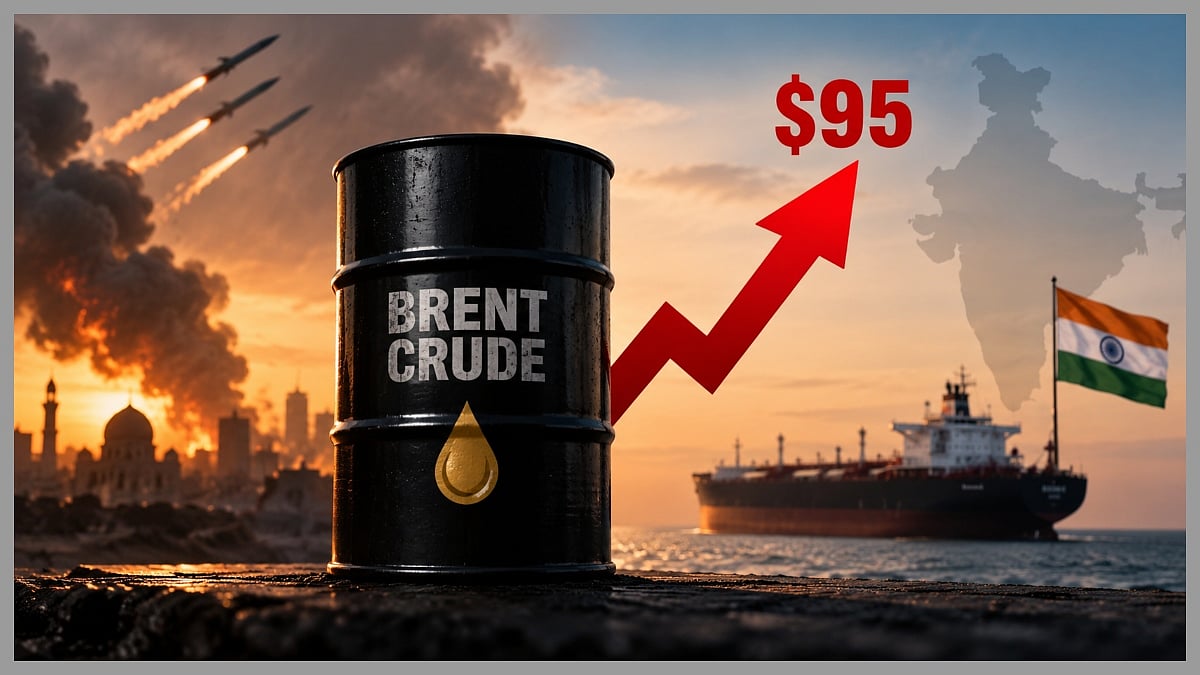
Brent Crude Tops $95, Raising India’s Oil Import Concerns

Heavy metals in Yamuna vegetables raise food safety concerns
UN names Trump nominee Lindberg as WFP chief

Trump Nominee Luke Lindberg Accepted to Lead World Food Programme
Indian Rice Exporters Pursue Turkey, Jordan Beyond Traditional Markets