

1 hr ago
Every Indian City Leaves a Downstream Health Footprint

Cities make wastewater when people use toilets, sinks and other services.
This water can carry chemicals and medicines that treatment plants may not remove.
If it is not treated properly, it can flow into rivers and other water sources.
People downstream may use those sources for farming, fishing or drinking-water systems.
This means a city can affect the health of people living far beyond its borders.
The article calls this effect a city’s “urban health footprint.”
India produces more than 72,000 million litres of sewage each day, but only about 28% is treated.
Government programs are building more treatment facilities, although many projects are still unfinished.
The authors say different agencies need to work together to manage these risks.

India’s cities generate more than 72,000 million litres of sewage daily, but only about 28% is treated before discharge.
Urban wastewater can contain antibiotics, hormones, industrial solvents, heavy metals and microplastics.
Untreated or insufficiently treated wastewater can enter rivers, groundwater, irrigation networks, fisheries and food systems.
The Municipal Performance Index 2020 gave urban health the lowest service score, at 26.72.
The Atal Mission for Rejuvenation and Urban Transformation added about 5,792 MLD of treatment capacity, but only 104 projects had been completed by mid-2026.
- Who
- Indian cities, municipal bodies, pollution-control authorities, public-health agencies and agricultural departments are involved.
- What
- The article argues that cities should measure and govern the downstream health effects of their wastewater and other urban waste.
- Where
- Across India, with effects reaching rivers, groundwater, irrigation networks, fisheries and food systems downstream of cities.
- When
- The article cites the Municipal Performance Index 2020 and reports project progress as of mid-2026.
- Why
- Only around 28% of urban sewage is treated before discharge, while responsibility for resulting health risks is divided among multiple agencies.
Key facts
- Daily urban sewage generation
- More than 72,000 million litres per day
- Share of sewage treated
- Around 28% before discharge into rivers and water bodies
- Health score in Municipal Performance Index 2020
- 26.72, the lowest score among the measured service parameters
- AMRUT treatment capacity added
- Approximately 5,792 million litres per day
- AMRUT projects completed by mid-2026
- 104 projects, or 18%
- AMRUT projects under implementation
- 398 projects
- Mission extension
- The government extended the mission until March 2027
Sources
Related news
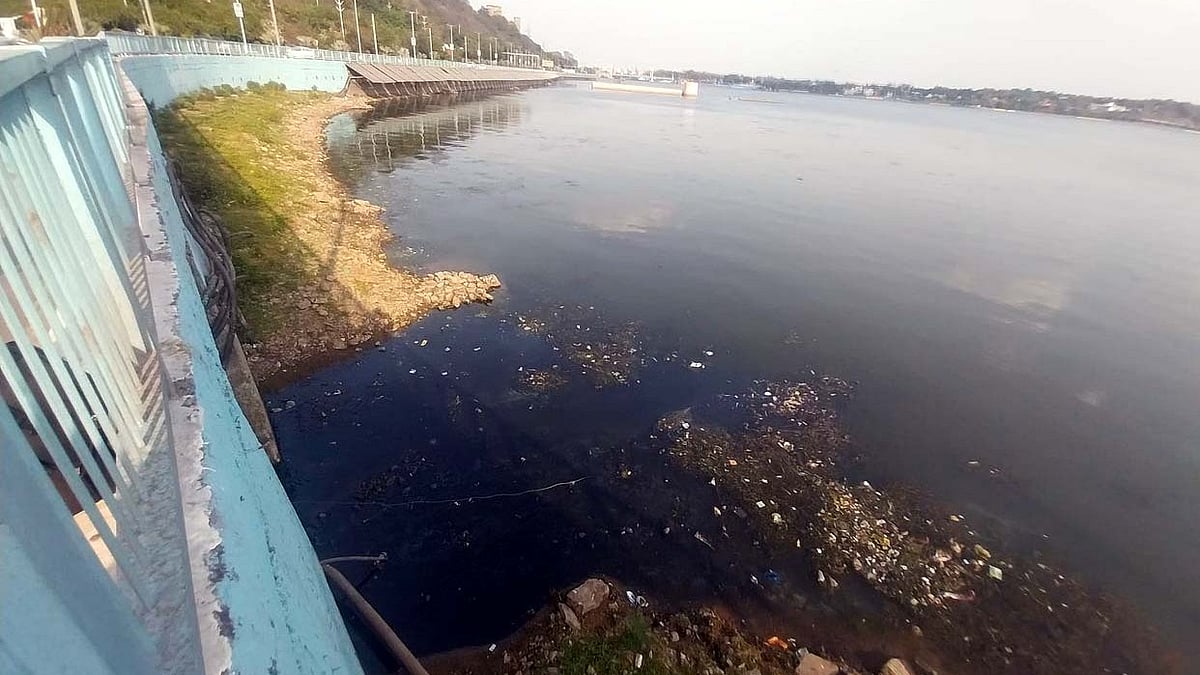
NGT Flags Sewage Gap as 18 Madhya Pradesh Rivers Fail BOD
NGT flags major waste management lapses in West Bengal

Eight Delhi Sewage Plants Fail Prescribed Discharge Standards in July

NGT Orders Kshipra Rejuvenation, Stops Untreated Sewage Discharge
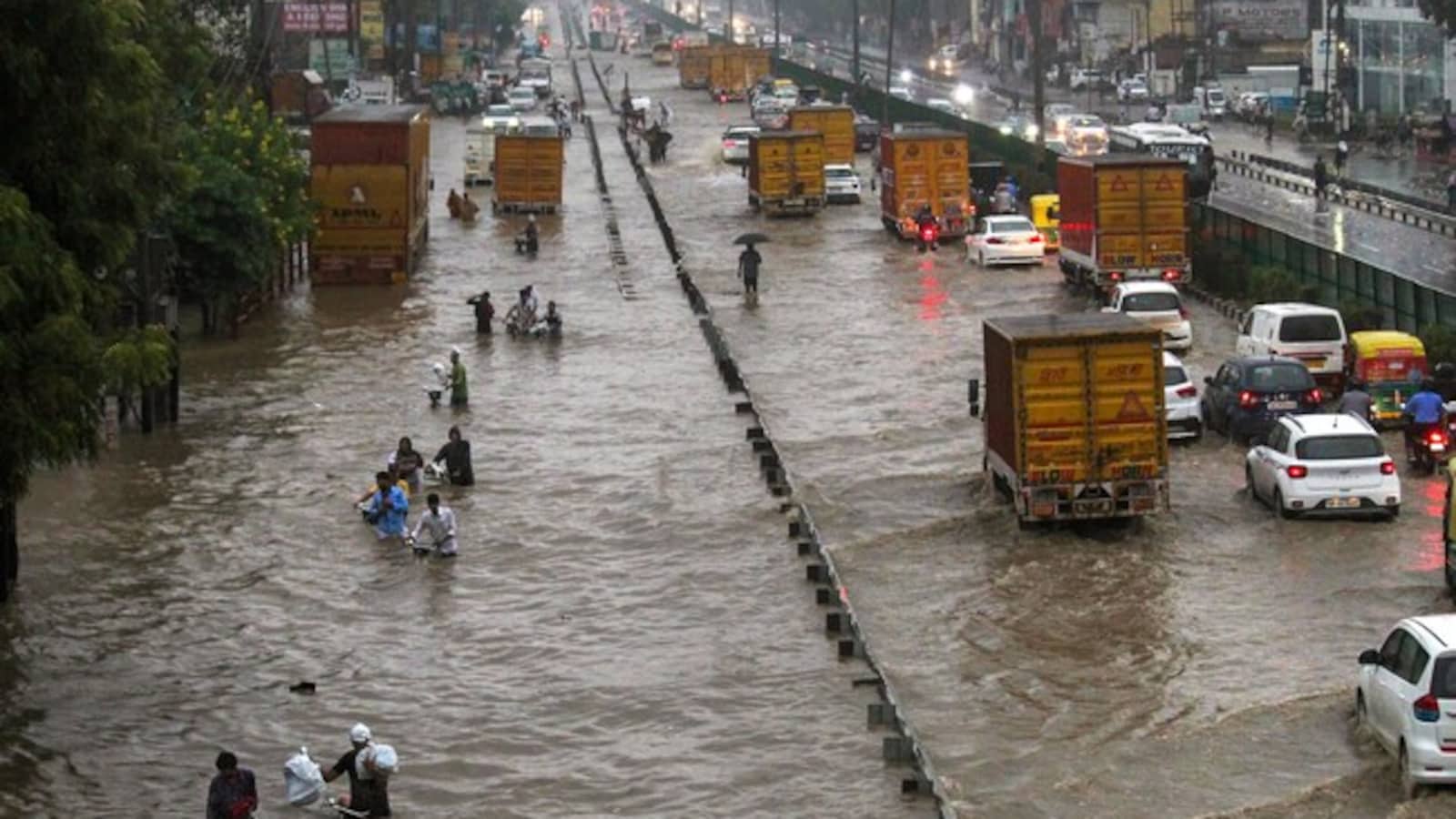
Centre Reviews Gurugram Metro and Sewerage Projects Amid Waterlogging
Delhi Endures Above-Normal Heat as Rain Expected Through September 4

Durgam Cheruvu Fish Deaths Linked to Severe Oxygen Depletion
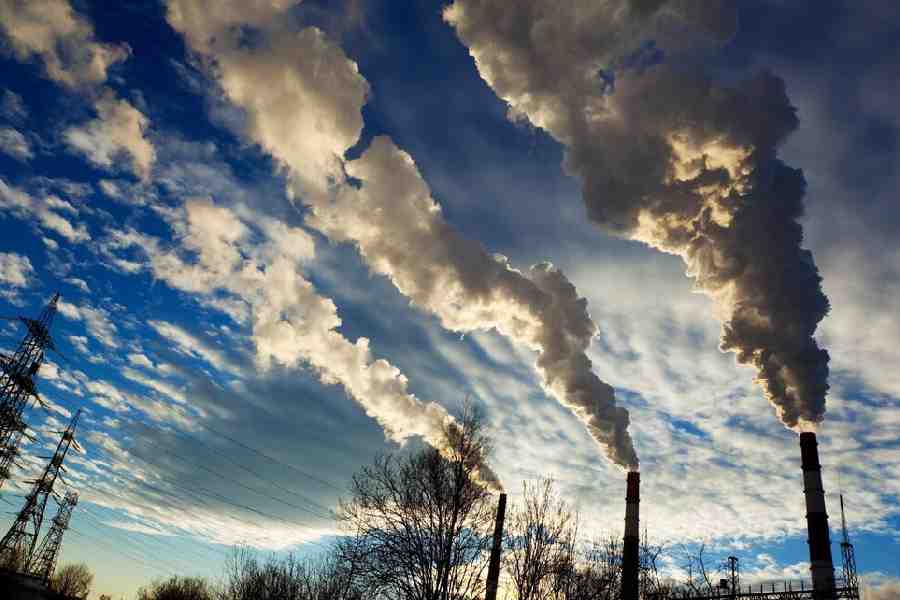
Delhi pollution board seeks ₹80 lakh to study ozone sources