2 days ago
Delhi pollution board seeks ₹80 lakh to study ozone sources
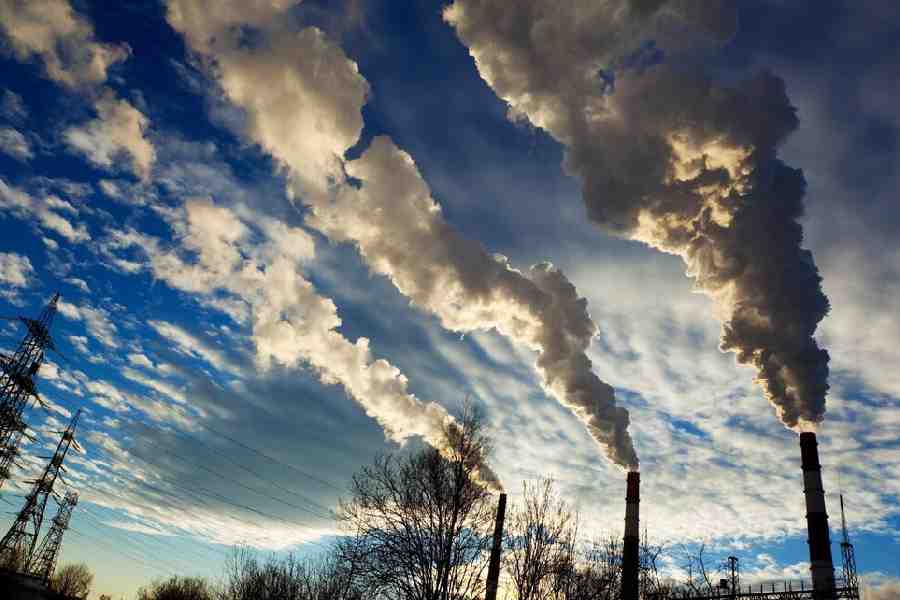
Delhi has unusually high levels of ozone near the ground.
The Central Pollution Control Board wants to find out where this ozone comes from.
It says the investigation could cost about ₹80 lakh and take one year.
The board does not currently have the money.
It has asked the National Green Tribunal to let it use money from an environmental compensation fund.
Scientists will check pollution from nearby and distant sources, including vehicles, factories and natural sources.
Ozone forms when certain gases react in sunlight.
High ozone can harm people’s lungs and affect plant growth.

The Central Pollution Control Board told the National Green Tribunal that an ozone source study would cost about ₹80 lakh.
The proposed study would examine local, regional, biogenic, soil and transboundary sources of Delhi’s elevated ozone.
It would use monitoring, precursor assessment, photochemical modelling and source apportionment over about one year.
The CPCB said it lacks funds and requested permission to use the NGT Environment Compensation Fund.
The tribunal will consider the request on November 3 in a suo motu case on Delhi’s ground-level ozone.
- Who
- The Central Pollution Control Board, an expert committee chaired by IIT Kanpur professor Mukesh Sharma, and the National Green Tribunal are involved.
- What
- The CPCB is seeking permission to fund a comprehensive study into the causes of elevated ground-level ozone in Delhi.
- Where
- Delhi; the matter is before the National Green Tribunal.
- When
- The expert committee was formed on April 17; its recommendations were discussed in June, and the NGT will consider the funding request on November 3.
- Why
- The study is intended to identify the sources and causes of elevated ozone so they can be better understood.
Key facts
- Estimated cost
- Around ₹80 lakh
- Estimated duration
- About one year
- Study focus
- Local, regional, biogenic, soil and transboundary ozone sources
- Methods
- Detailed monitoring, precursor assessment, photochemical modelling and source apportionment
- Funding request
- Permission to use the NGT Environment Compensation Fund
- Health effects
- Ozone can impair lung function and increase risks of respiratory illnesses, asthma, bronchitis, cardiovascular diseases and premature mortality
- Formation of ozone
- Ground-level ozone forms through reactions between nitrogen oxides and volatile organic compounds in sunlight
Quotes

Central Pollution Control Board
India’s central pollution-control authority addressing the National Green Tribunal
“In view of the aforesaid, it is respectfully submitted that this tribunal may kindly be pleased to permit utilisation of the funds available under the NGT Environment Compensation Fund for undertaking the proposed study.”
 telegraphindia.com
Sources
Related news

Pune Air Action Hub Proposes Data-Based Use Of ₹105 Crore
Delhi to Bar Petrol, Diesel, CNG Light Goods Vehicles

Unusually High Ozone over Bay of Bengal Explained by Scientists

NGT Demands Bhopal Air Data, Questions Environmental Fund Use

DPCC floats tender for 13 air quality monitoring stations
Study on cancer-causing chemicals in cars due by May 2027

Shakti Sharma Becomes First Woman Air Vice Marshal
Uttar Pradesh Appoints 40 Pollution Control Board Officers

Shakti Sharma Becomes First Woman Non-Medical Air Vice Marshal

Brain And Gut Signals May Predict Antidepressant Response Early
Free Public Coaching Could Make India’s Entrance Exams Fairer