

1 week ago
Iran Reportedly Invited to Join Saudi-Backed Makkah Defence Pact
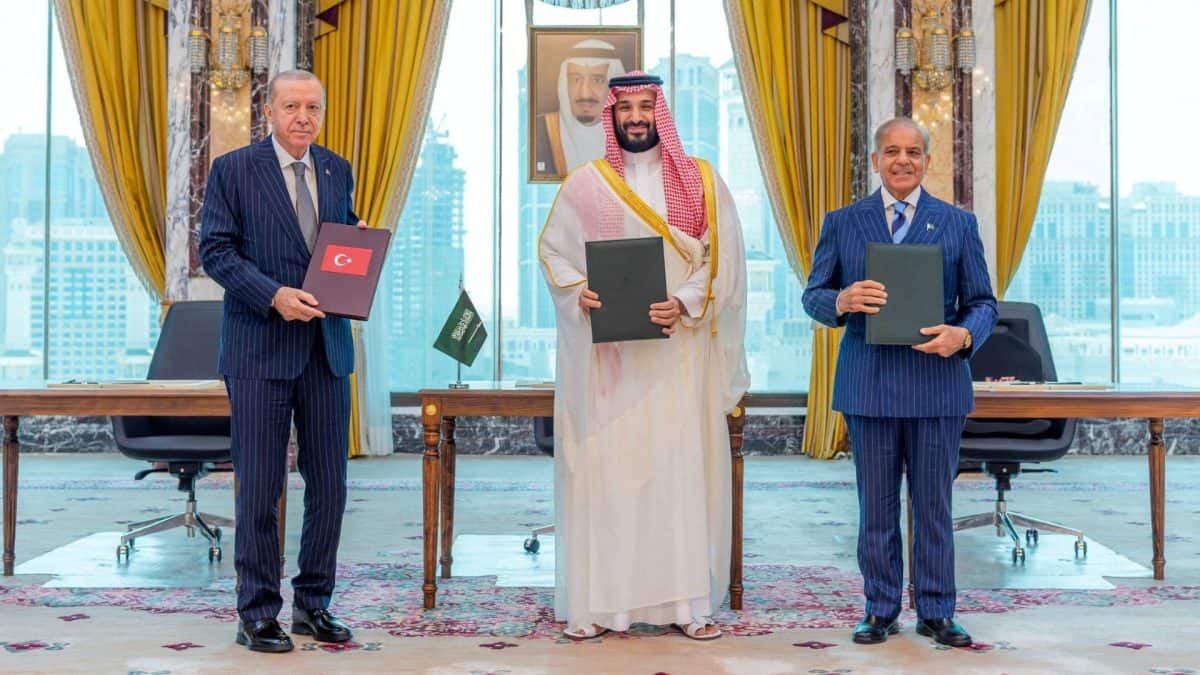
A senior Iranian official says Iran was invited to join a new defence group.
Saudi Arabia, Turkey and Pakistan created the group on August 7.
The agreement says an attack on one member would be treated as an attack on all members.
Iran’s Foreign Ministry has not confirmed that the invitation was received.
The three founding countries have also not confirmed it.
Iran is carefully reviewing the reported invitation.
The group could grow to include countries such as Egypt.
Joining could be difficult because Saudi Arabia and Iran disagree about Yemen and the Houthis.
Pakistan’s army chief is also due to visit Iran as part of regional peace and security efforts.

A senior Iranian official says Tehran received an invitation to join the Makkah Agreement for Mutual Defence.
The pact was signed on August 7 by Saudi Arabia, Turkey and Pakistan.
Iran’s Foreign Ministry and the founding members have not officially confirmed the invitation.
The agreement includes mutual defence and a NATO-style integrated military command, but few specific military commitments.
Iranian membership could require Saudi-Iranian compromises over Yemen and the Houthis.
- Who
- Iran, Saudi Arabia, Turkey and Pakistan are central; Mehdi Rahimi reported the invitation, while the Houthis are a key regional concern.
- What
- Iran has reportedly been invited to join the Makkah Agreement for Mutual Defence, and Tehran is reviewing the proposal.
- Where
- The agreement concerns security in West Asia, including Yemen and the Bab-el-Mandeb Strait.
- When
- The pact was signed on August 7; the reported invitation has no stated date. Asim Munir was scheduled to visit Tehran on Monday.
- Why
- The reported invitation reflects efforts to create a regional security framework and address regional tensions outside a solely United States-led arrangement.
Arguments for Regional Inclusion
Concerns and Obstacles
Regional security umbrella
Arguments for Regional Inclusion
Mehdi Rahimi said regional countries are moving toward a shared security umbrella, which he described as an objective Iran has long supported.
Concerns and Obstacles
Iran has responded cautiously, and the invitation, its source and the pact’s practical commitments remain officially unclear.
Strategic purpose
Arguments for Regional Inclusion
Regional analysts and Israeli security officials cited in one report view the pact as a possible deterrent against Israel and an alternative to a United States-centered regional arrangement.
Concerns and Obstacles
Turkey’s foreign minister said the agreement was not directed against Iran or any specific country, while the pact’s limited military detail leaves its role uncertain.
Yemen and the Houthis
Arguments for Regional Inclusion
Iranian participation could bring more regional countries into a framework dealing with security concerns near the Bab-el-Mandeb Strait.
Concerns and Obstacles
Saudi Arabia and Iran may need concrete compromises over Yemen and the Houthis, making Iranian inclusion politically and militarily difficult.
Key facts
- Pact name
- Makkah Agreement for Mutual Defence, also called the Mecca Agreement or Makkah Defence Pact
- Founding members
- Saudi Arabia, Turkey and Pakistan
- Signing date
- August 7
- Reported Iranian status
- Iran is reviewing the reported invitation
- Official confirmation
- Iran’s Foreign Ministry and the three founding members have not confirmed the invitation
- Defence provision
- An attack on one member would be considered an attack on all members
- Military structure
- The pact establishes a NATO-style integrated military command and contains few specific military commitments
- Possible expansion
- Turkey has publicly mentioned Egypt as a possible member, while Pakistan said the pact should not be an exclusive club
Quotes
Mehdi Rahimi
Head of the Iranian parliament's Khaneh Mellat
“Iran has received an invitation to join the Mecca Agreement, and the matter is under review.”
 firstpost.com
 wionews.com
“are moving toward seeking a regional security umbrella”
firstpost.com
Sources
Related news

Iran’s Possible Mecca Pact Membership Faces Major Uncertainty
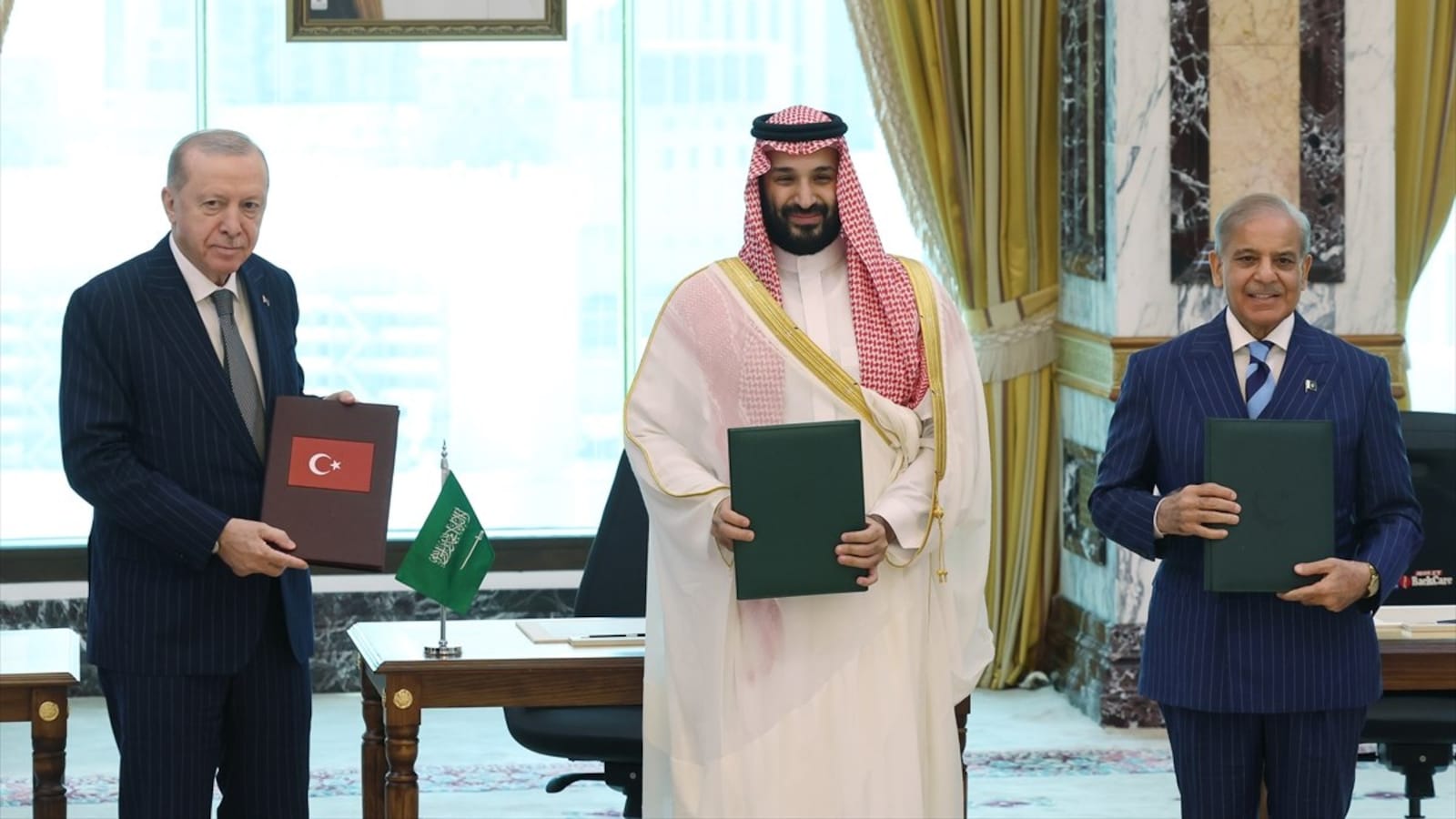
Turkey, Pakistan, Saudi Arabia defence pact mirrors NATO Article 5

Turkey, Saudi Arabia and Pakistan Begin Defence Pact Talks

Saudi Arabia, Turkey, Pakistan Sign Mecca Joint Defence Agreement
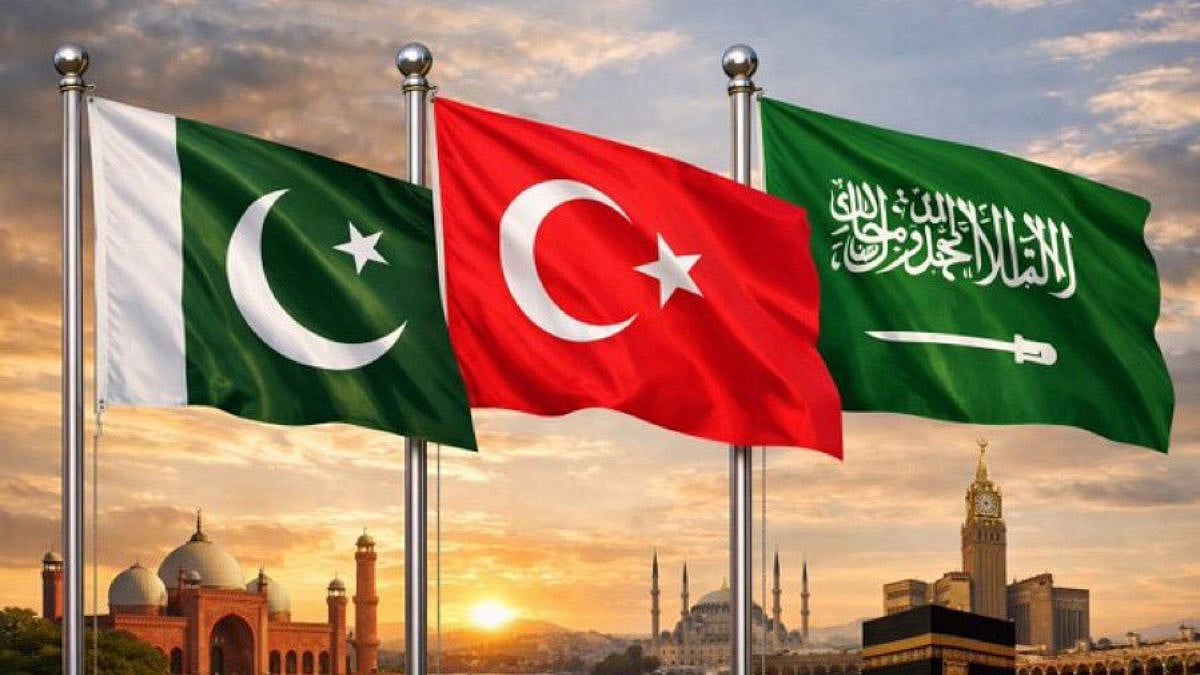
Pakistan Urges Muslim Nations to Join 'Islamic NATO' Defence Pact
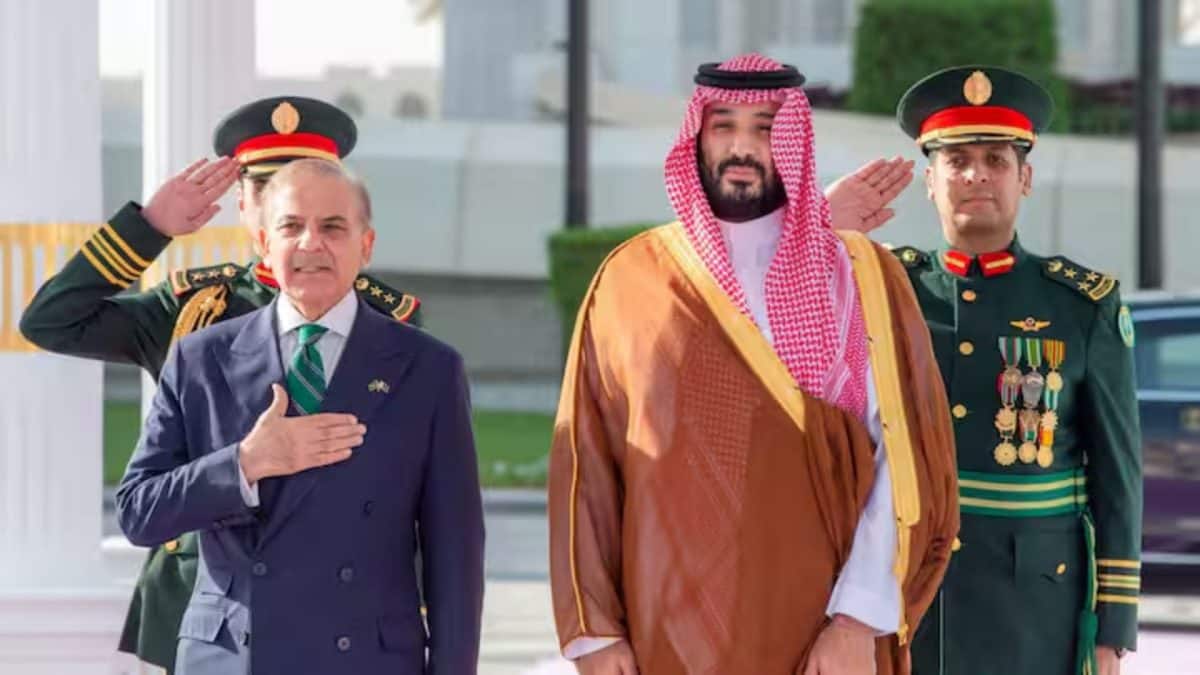
Pakistan calls Saudi-Turkey defence pact 'purely defensive', open to region

Pakistan Prime Minister’s SCO Photo Cropping Draws Attention
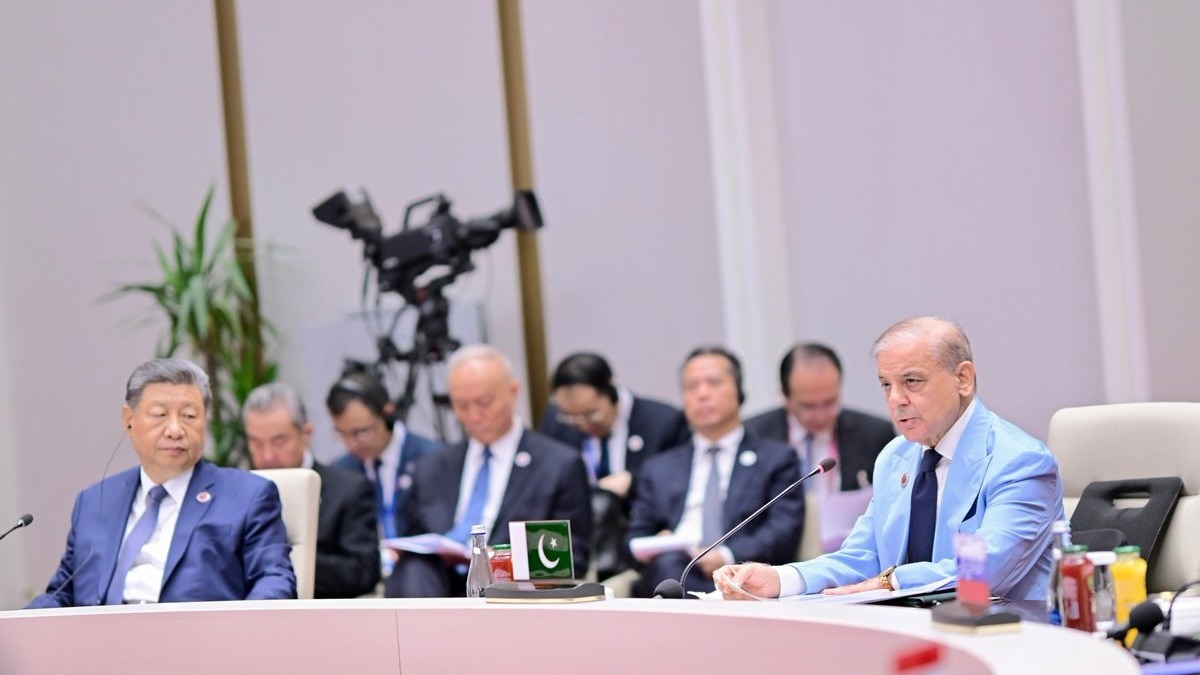
Pakistan Raises Indus Treaty Concerns as India Rejects Hague Ruling
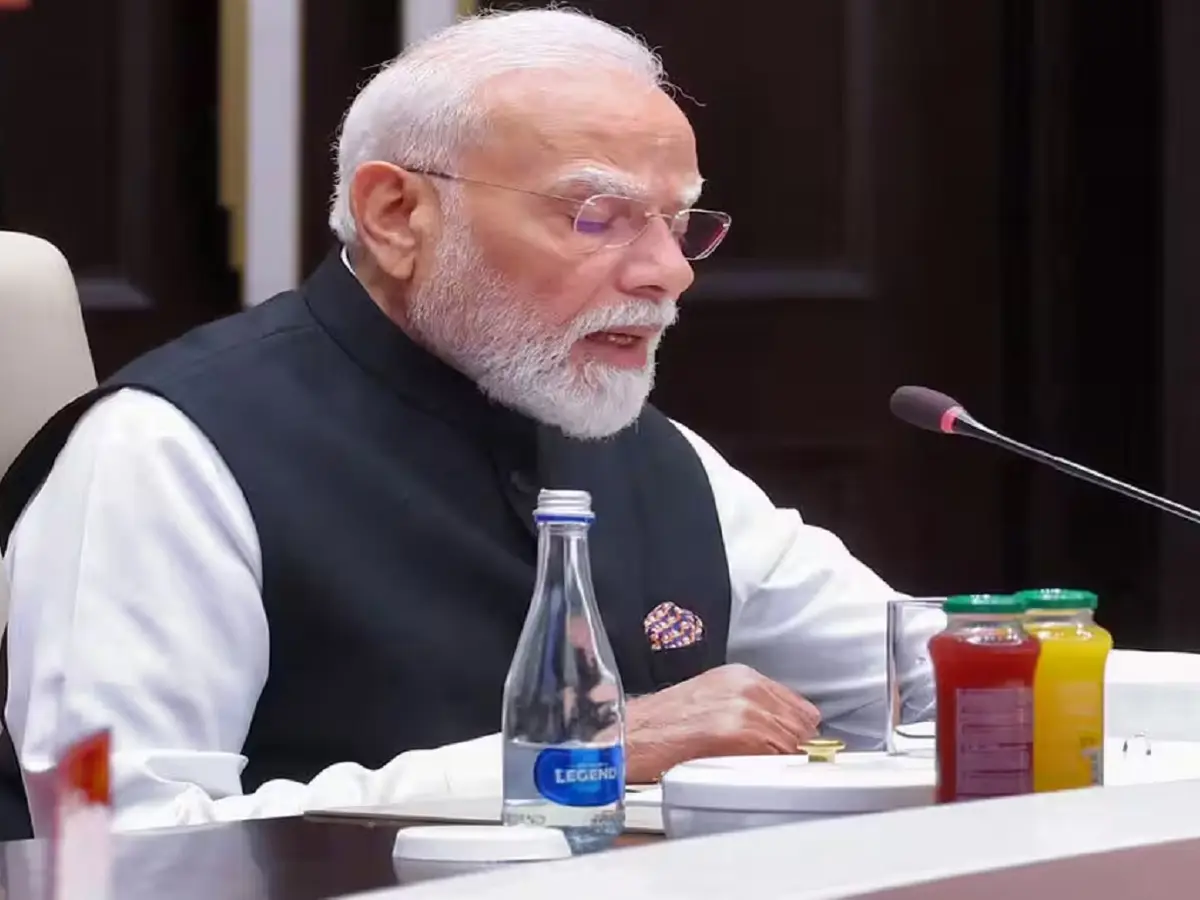
SCO Summit Highlights India’s Role in Global Peace Efforts
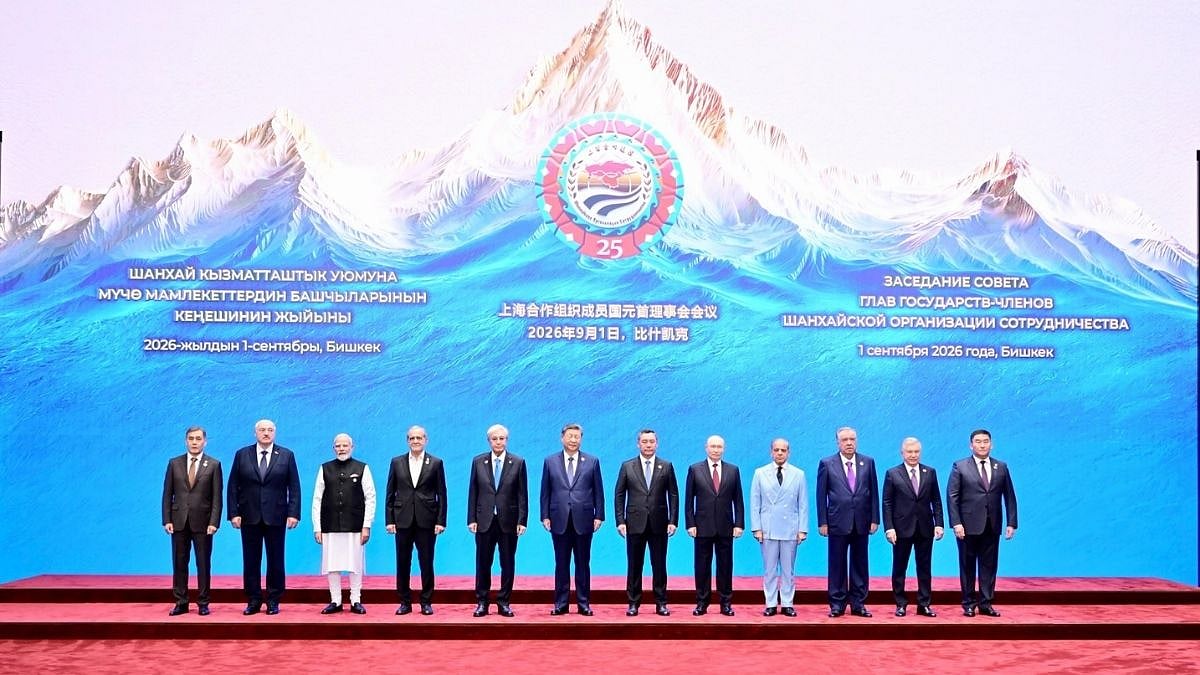
Sharif Cropped SCO Summit Photo, Prompting Modi’s Original
Sharif Urges Water Treaty Respect at SCO Summit
