1 week ago
Hiren Mukherjee’s Warning: Parliament Must Recover Its Democratic Purpose
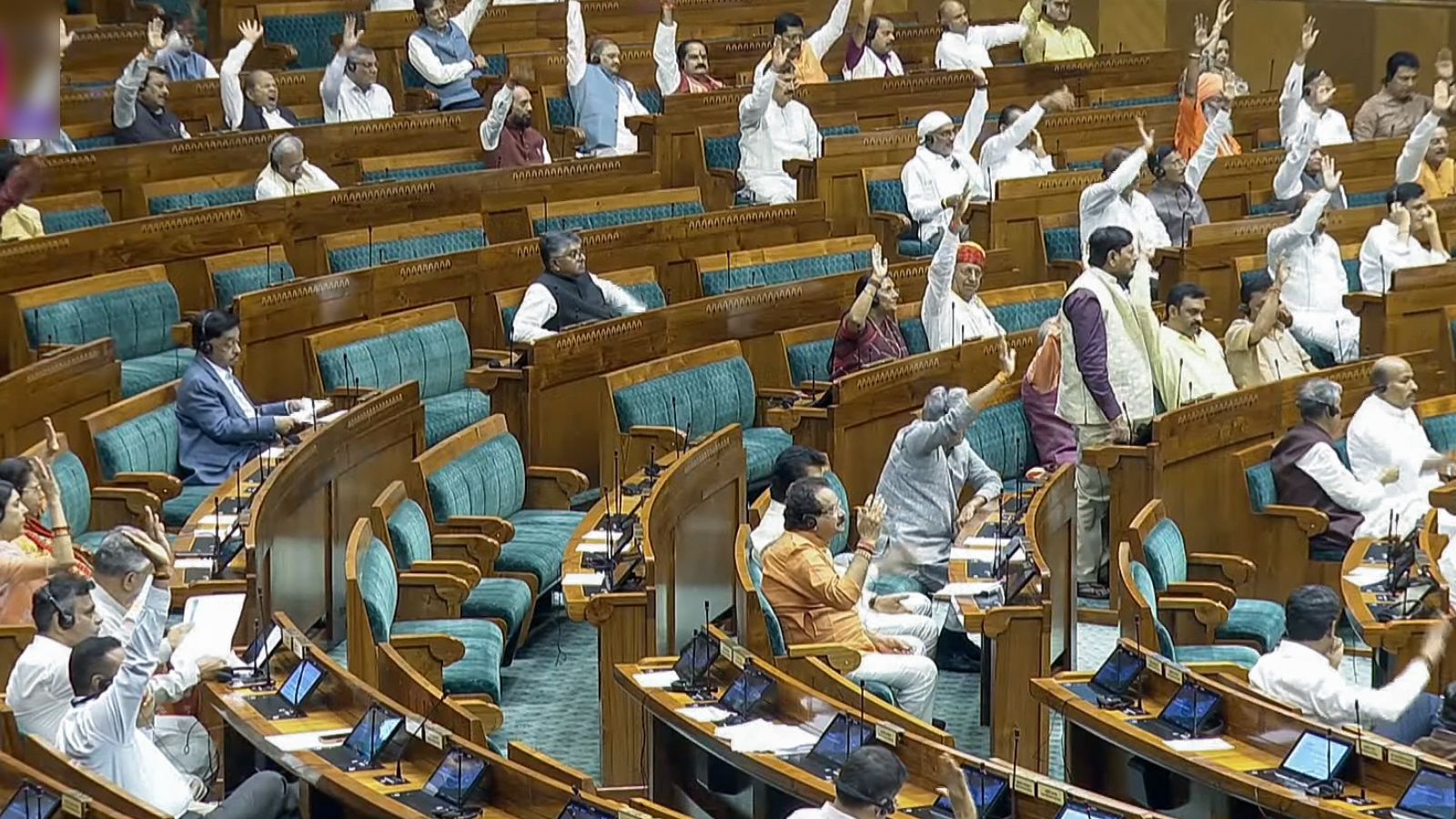
Hiren Mukherjee wrote about why Parliament is important for democracy.
He believed Parliament should be a place where the government explains and defends its decisions.
The article says the government is increasingly making decisions that Parliament is expected to approve.
It also says debates are becoming less thoughtful and more focused on attracting attention outside Parliament.
Old rules and traditions that encouraged restraint are weakening.
Parliamentary committees, which examine issues carefully, are also becoming less influential.
The writer says a strong democracy needs people to ask difficult questions and examine laws closely.
Protecting Parliament means protecting democratic accountability.

Hiren Mukherjee’s Portrait of Parliament warns that declining parliamentary functioning can endanger Parliament’s powers.
The article argues that executive power is increasingly dominating Parliament, reducing its accountability role.
It says debate has weakened as speeches prioritize public virality over persuasion and detailed discussion.
The article identifies weakened conventions, institutional memory, committees, and scrutiny as threats to democratic culture.
It argues that Parliament’s democratic value depends on questioning power, examining legislation, and protecting space for minorities.
- Who
- Hiren Mukherjee and the article’s writer, a Rajya Sabha Member of Parliament from the Rashtriya Janata Dal.
- What
- An argument that Parliament’s deliberative, scrutiny, and accountability functions are weakening and must be protected.
- Where
- Parliament, in the context of Indian democratic institutions.
- When
- The book discussed covers 1952–77; the article applies its warning to contemporary parliamentary politics.
- Why
- To argue that democracy requires Parliament to question executive power, examine legislation, and preserve space for dissent and minorities.
Key facts
- Book
- Portrait of Parliament: Reflections and Recollections (1952–77)
- Author discussed
- Hiren Mukherjee
- Main concern
- Deterioration in parliamentary functioning
- Executive-Parliament relationship
- The article says Parliament increasingly appears expected to ratify decisions made elsewhere.
- Debate
- Speeches are described as increasingly aimed at virality rather than illumination.
- Institutional safeguards
- Parliamentary committees and other scrutiny mechanisms are presented as weakened.
- Core democratic principle
- Parliament should hold power accountable rather than obstruct governance.
Sources
Related news
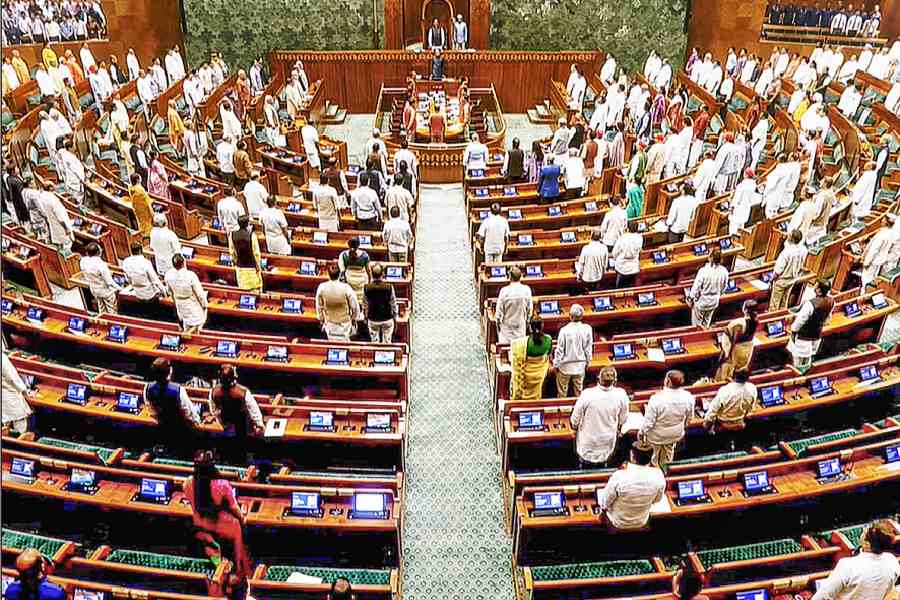
Inside India's Parliament, Disruptions Raise Questions About Democratic Accountability

Washout of monsoon session undermines India's parliamentary democracy
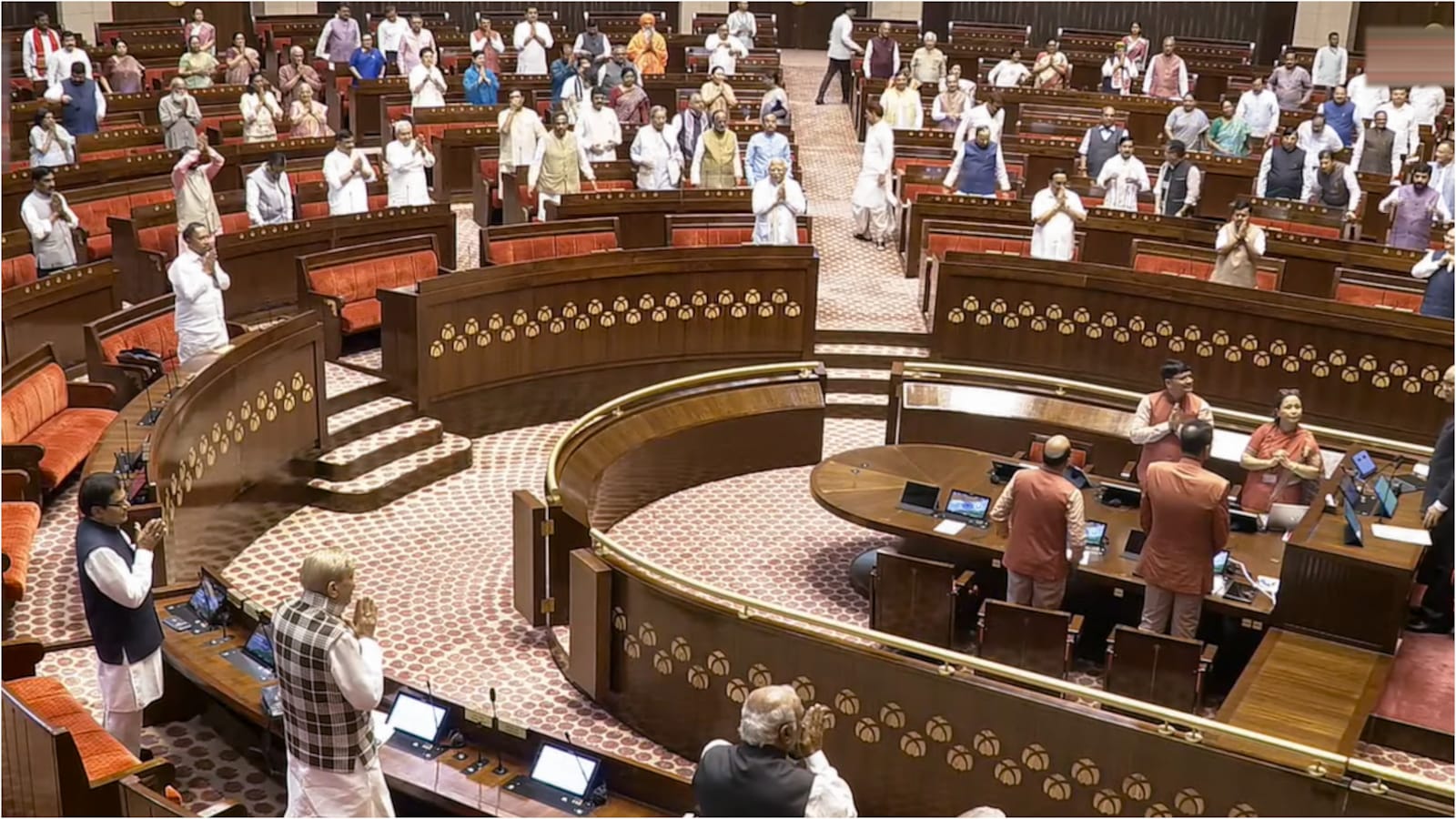
Indian Parliament's Monsoon Session Ends Amid Disruptions, Low Productivity

Parliament Must Be Place for Questions, Answers and Resolution: Rijiju
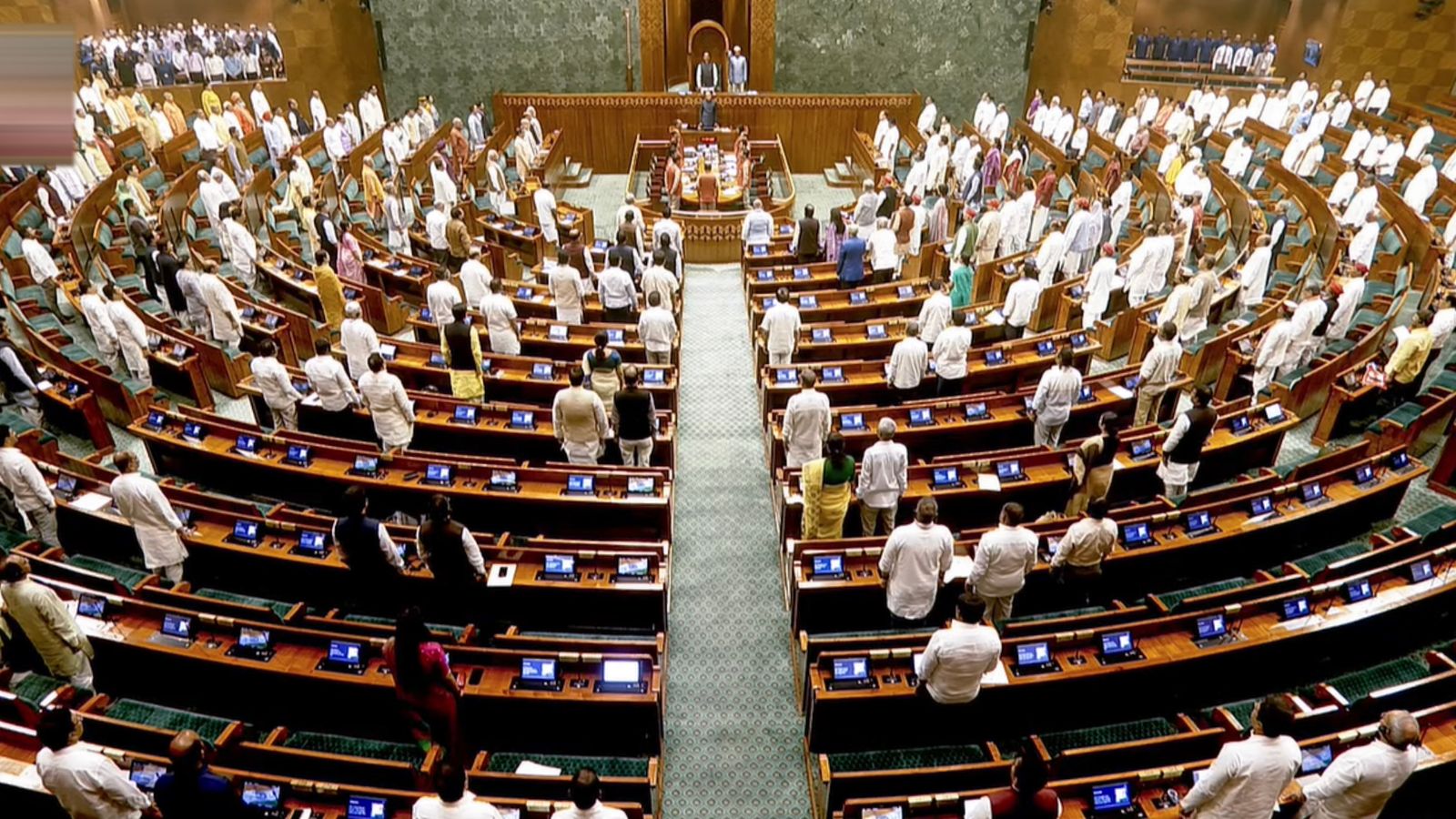
Government Accuses Opposition of Deliberately Disrupting India’s Parliament
Editorial Urges Government, Opposition to Let Parliament Function Amid Logjam
Bihar Orders Probe as Kishor Alleges Dustbin Procurement Scam
Jharkhand SIR Triggers Clash Over Alleged Targeted Voter Deletions

Nitish Kumar, Tejashwi Yadav Visit Patna Shrines on Eid-Milad-un-Nabi

Misa Bharti Attacks Bihar Government Over Student Protests

Tejashwi Yadav Visits Injured Protesters, Escalates Bihar Exam Protest Claims