0 months ago
How to spot convincing misinformation about health and wellness
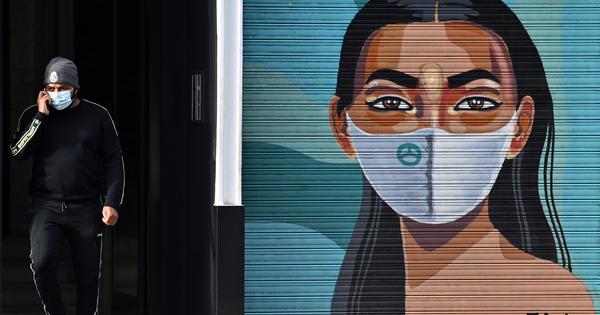
Some people on the internet pretend to be doctors, but they are made by computers, and they give health advice that may be wrong or dangerous.
Social media influencers can also share health tips that are not true, like a fake 'pink jelly' weight-loss treatment that reportedly fooled a celebrity.
We often trust people who seem friendly or look like experts, but looking like an expert does not mean the advice is correct.
A friend's story about getting better from a treatment is nice to hear, but it does not prove the treatment works for other people.
Strong feelings like fear or hope can also make us believe things more easily.
The article gives tips to help us check health claims, such as seeing if real experts like the NHS agree with the advice.
If someone says a treatment has no risks or works for everyone, that is a warning sign to be careful.
We should check important health advice with a real expert, like a pharmacist or GP, before making big decisions.

AI-generated 'doctor' accounts on social media have spread dubious health advice to millions of users, and a fake 'pink jelly' weight-loss treatment reportedly fooled at least one celebrity.
Influencers build one-sided parasocial relationships with followers, and a recent meta-analysis found these can influence health attitudes and behaviour.
Personal anecdotes are persuasive but cannot show that a treatment caused a recovery or that it is safe and effective for other people.
Warning signs of misinformation include sweeping promises, secrecy claims, advice to abandon prescribed care, and hidden commercial interests.
Researchers call for a systems approach combining clearer public information, responsible platform design, effective regulation and trustworthy clinical communication.
- Who
- Anna Stone, Senior Lecturer in Psychology at the University of East London, writing for The Conversation about social media influencers and AI-generated 'doctor' accounts.
- What
- An expert guide to why health and wellness misinformation can seem convincing and how to assess medical claims.
- Where
- Social media platforms; the article draws on UK institutions such as the NHS and the University of East London.
- When
- The article does not state a specific date but refers to recent reports of AI-generated doctors sharing dubious health advice.
- Why
- To help readers distinguish trustworthy health advice from persuasive false claims spread through trusted networks and emotional appeals.
Value of personal experience and support
Importance of verified evidence
Trust in healthcare institutions
Value of personal experience and support
Mistrust can be a rational response to dismissive treatment, discrimination, rushed appointments and poor explanations; telling patients to trust experts will not repair damaged relationships.
Importance of verified evidence
Trust in clinicians and scientific institutions is generally associated with lower susceptibility to false health claims, and independent expert guidance such as the NHS's should carry weight.
Personal anecdotes
Value of personal experience and support
Friends, family and personal testimony offer emotional support and can reveal experiences that medical research may miss.
Importance of verified evidence
Even a truthful anecdote cannot prove a treatment caused recovery or is safe for others, and can sway decisions despite stronger statistical evidence.
Responsibility for fighting misinformation
Value of personal experience and support
Individuals cannot bear the whole burden; platforms shape what is amplified and health services shape whether people feel heard, so system-level change is needed.
Importance of verified evidence
Individuals should actively assess claims by checking qualifications, looking for independent agreement and watching for commercial interests.
Key facts
- Author
- Anna Stone, Senior Lecturer in Psychology, University of East London
- Publication
- The Conversation
- Topic
- How to spot health and wellness misinformation
- Example cited
- Fake 'pink jelly' weight-loss treatment reportedly fooled at least one celebrity
- Warning signs
- Sweeping promises, secrecy claims, abandoning prescribed care, hidden commercial interests
- Key research finding
- Trust in clinicians and scientific institutions is associated with lower susceptibility to false health claims
- Recommended approach
- Systems approach: public information, platform design, regulation, trustworthy clinical communication
Quotes
Anna Stone
Senior Lecturer in Psychology, University of East London
“This article was first published on The Conversation.”
 scroll.in
Sources
Related news

AI in Healthcare May Weaken Trust in Doctors and Therapists

Top Doctors Warn Against Trusting Every Smartwatch Health Reading
Viral Mix-Ups Reveal Why Online Claims Spread So Easily

Consumers Distrust Generative AI Yet Rely On Its Advice
Cyberchondria: The Darker Side of Online Health Searches

Real Images Face Ferocious Battle Against AI-Generated Fakes
Bank of England Warns AI Boom Could Trigger Market Shock

India's Rising Caesarean Rates Raise Calls for Dignified Childbirth

Why Mountain Treks Can Leave Fit People Breathless
Ex-UK Doctor Praises India's Easy Late-Night Medicine Access

Thousands of UK Mothers May Have Undiagnosed Birth Trauma