

1 hr ago
Sitharaman Defends UPI MDR as Opposition Challenges Payment Decision
India is introducing a new fee on some larger UPI payments made to businesses.
The fee is called the Merchant Discount Rate, or MDR.
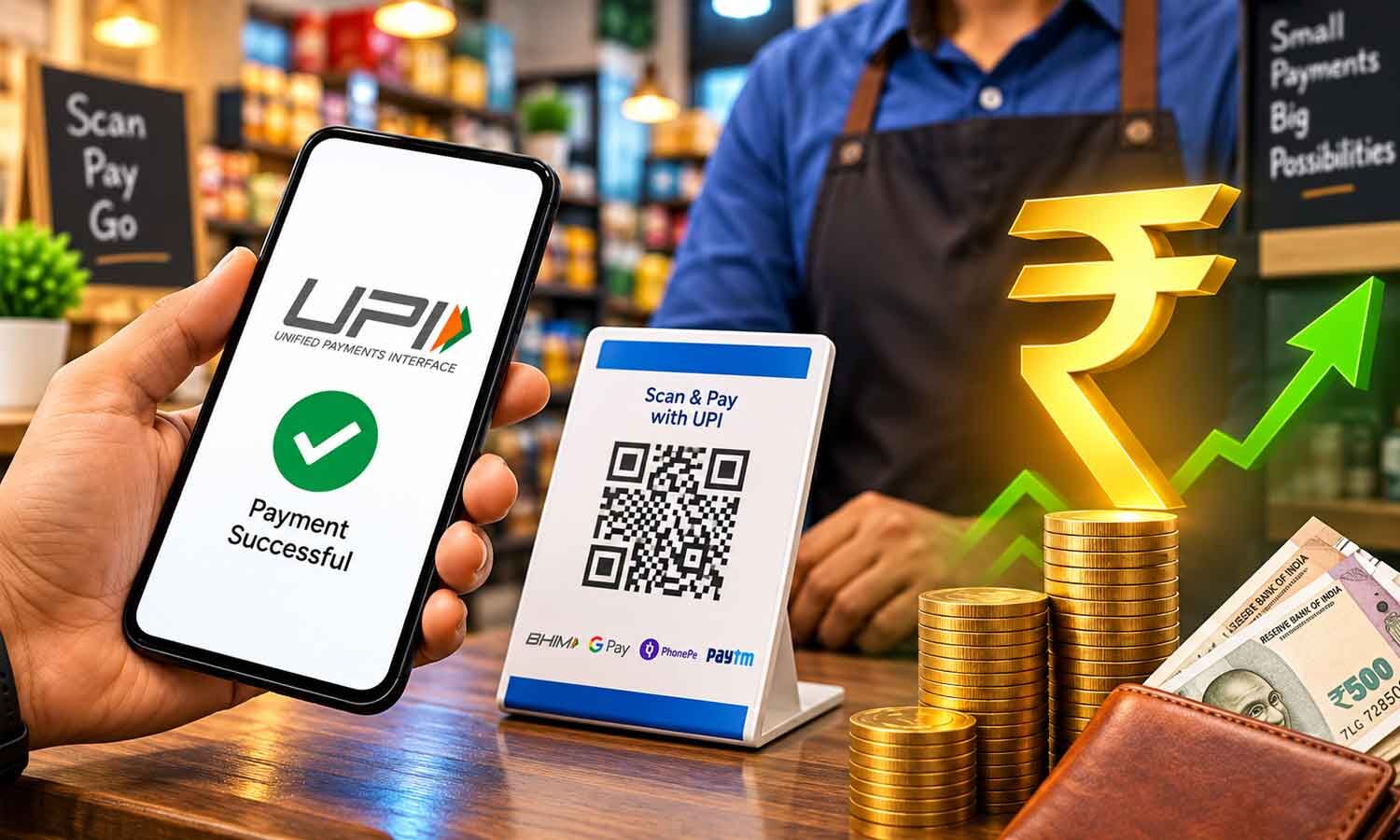
It will be 0.4% for certain merchant payments above Rs 2,000.
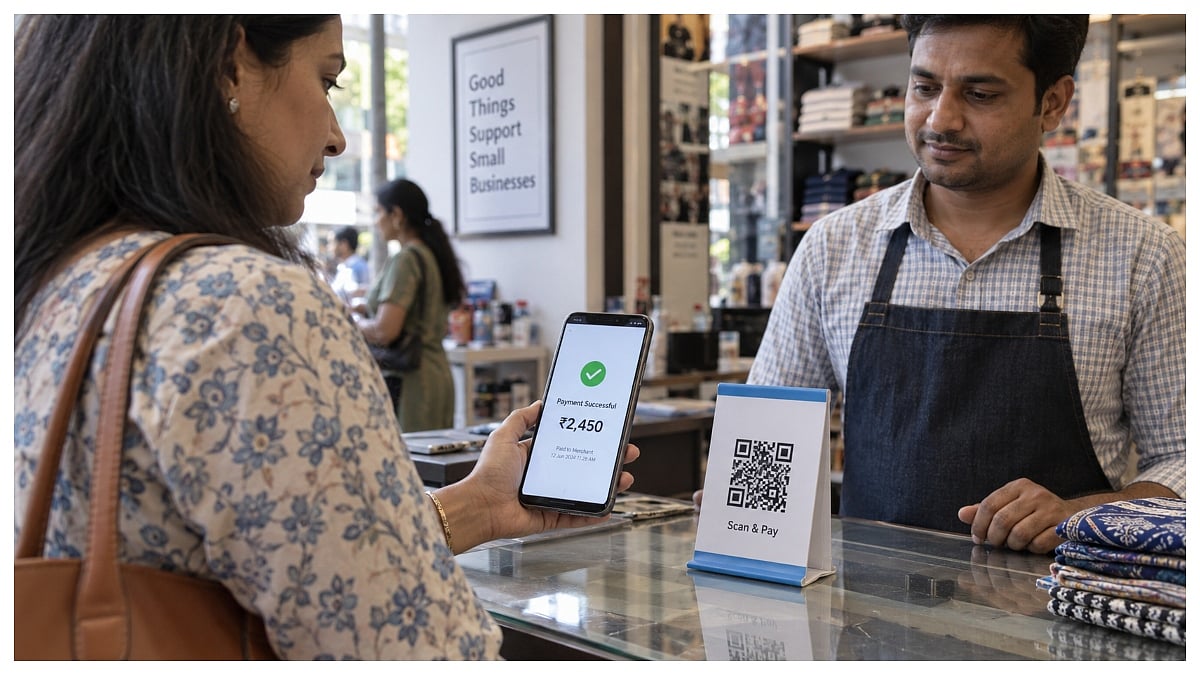
Businesses will pay the fee, not customers.
The government says it will not receive the money as a tax.
Instead, banks and other payment companies will share it.
Small merchants and payments between people will not face the new charge.
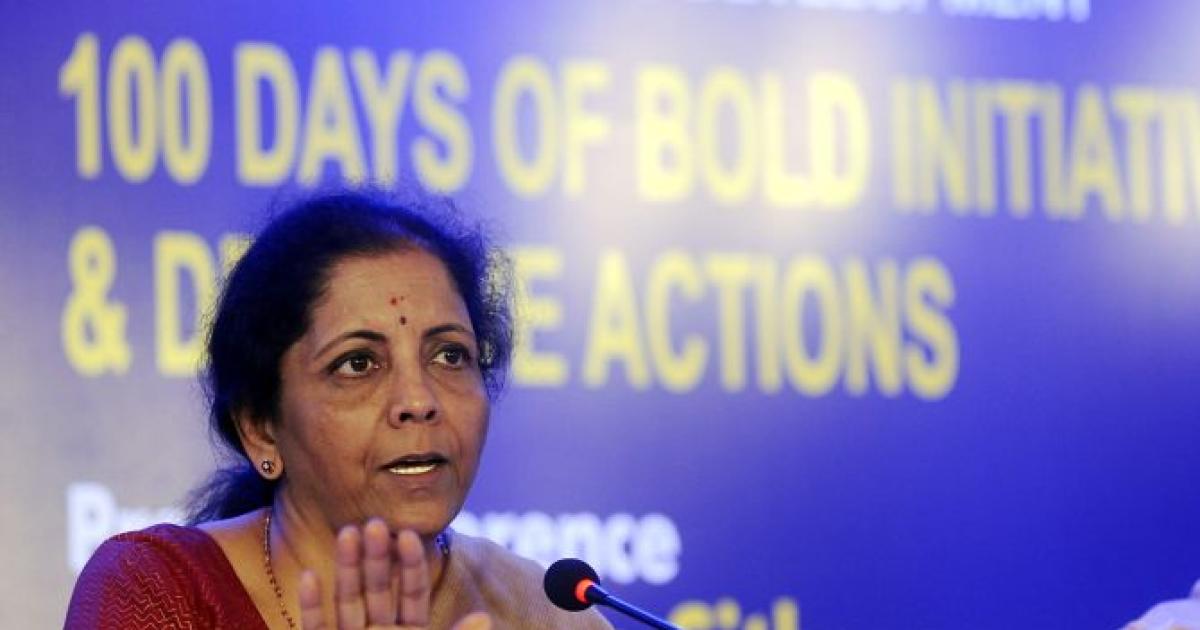
Finance Minister Nirmala Sitharaman says the decision was made by payment organizations to help keep digital payments sustainable.
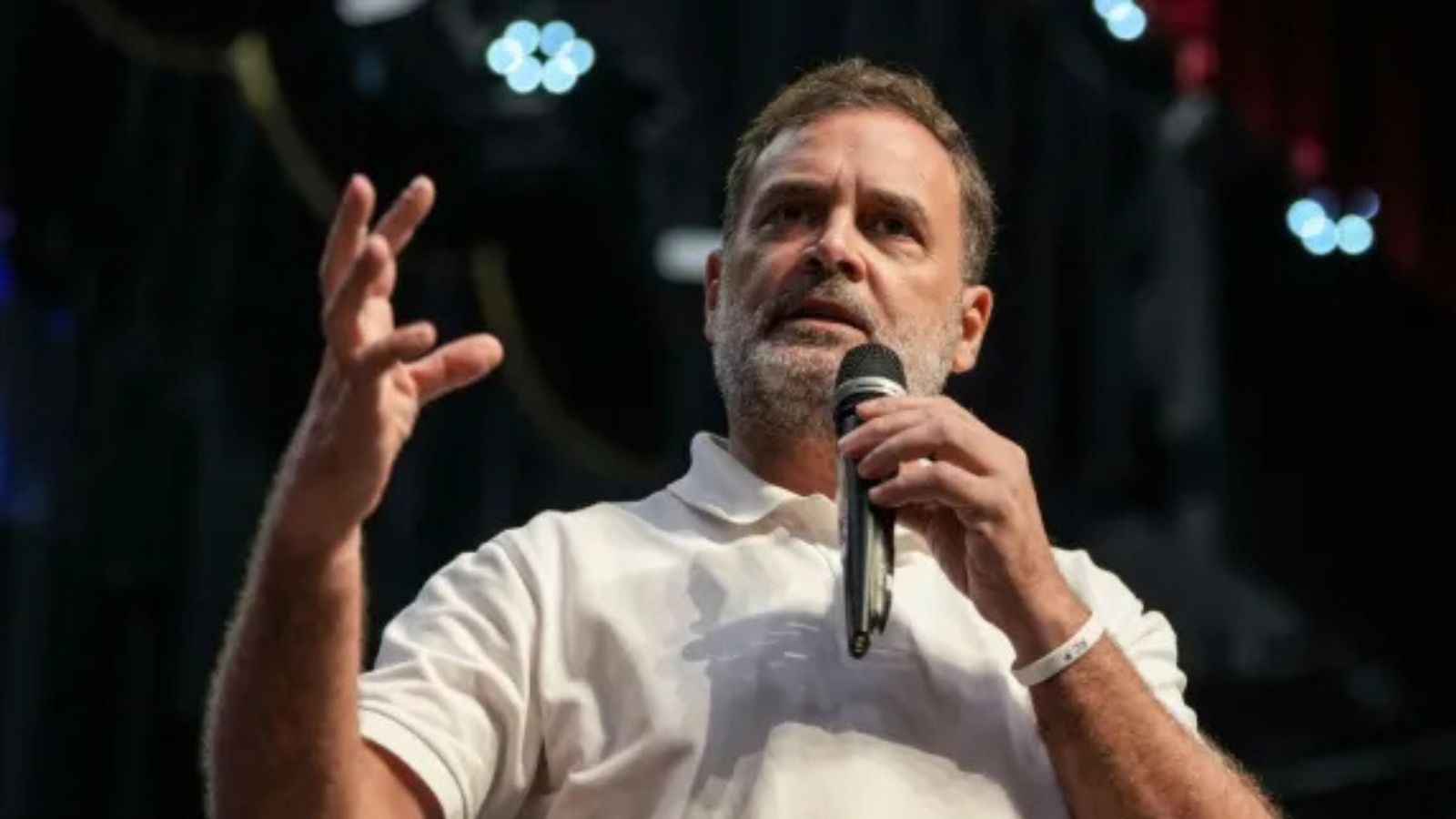
Opposition parties argue that the decision was influenced by outside pressure and criticize the new charge.

Finance Minister Nirmala Sitharaman rejected allegations that external pressure influenced the new UPI MDR decision.
A 0.4% MDR will apply from October 15 to specified person-to-merchant UPI payments above Rs 2,000.
Merchants, rather than consumers or the government, will pay the charge, which is capped at Rs 300 for transactions of Rs 75,000 or more.
Small merchants collecting up to Rs 1 lakh monthly through UPI QR codes and person-to-person payments remain exempt.
The MDR revenue will be distributed among banks and UPI entities to support a sustainable digital payments ecosystem.
- Who
- Finance Minister Nirmala Sitharaman, the National Payments Corporation of India, payment banks, merchant banks, and Opposition parties are central to the dispute.
- What
- A 0.4% Merchant Discount Rate will be introduced for specified UPI merchant transactions above Rs 2,000.
- Where
- The decision concerns India's Unified Payments Interface ecosystem.
- When
- The MDR is scheduled to apply from October 15; the National Payments Corporation of India issued its circular on September 15.
- Why
- The payment ecosystem says the MDR is intended to create a sustainable revenue framework for digital payments.
Opposition Criticism
Government and Payment Ecosystem Position
External pressure
Opposition Criticism
Opposition parties, including Congress, allege that the MDR decision resulted from external pressure, particularly from the United States.
Government and Payment Ecosystem Position
Nirmala Sitharaman called the allegation baseless and said the decision was made professionally by the payment ecosystem.
Nature of the charge
Opposition Criticism
Opposition parties criticize the MDR as a tax or charge affecting consumers.
Government and Payment Ecosystem Position
Sitharaman said it is neither a tax, cess, nor surcharge, will be paid by merchants, and will not go to the government's Consolidated Fund.
Purpose of the MDR
Opposition Criticism
Critics question the decision to impose a charge on selected UPI transactions.
Government and Payment Ecosystem Position
The National Payments Corporation of India and other payment entities say the revenue will help create a sustainable digital payments framework.
Key facts
- Standard MDR
- 0.4% on specified person-to-merchant UPI payments above Rs 2,000.
- Payment responsibility
- Merchants will pay the MDR, while consumers will not be charged.
- Maximum charge
- Rs 300 for transactions of Rs 75,000 or more.
- Small-merchant exemption
- Merchants collecting up to Rs 1 lakh monthly through UPI QR codes remain exempt.
- Revenue distribution
- Forty percent goes to customers' banks, 30% to payment gateways, 20% to the UPI app, and 10% to the sponsoring bank.
- Other rates
- Essential services face a flat Rs 5 fee above Rs 2,000, while capital-market transactions have a 0.02% rate capped at Rs 300.
- Small-merchant fund
- Five percent of total MDR collections will support a fund promoting UPI use by small merchants.
Quotes

Nirmala Sitharaman
India’s Finance Minister, responding to allegations that the UPI MDR decision resulted from external pressure.
“this is not a tax, this is not a cess, this is not even a surcharge. And the collection is not coming to the Consolidated Fund of India.”
 rediff.com
“Absolutely baseless. And I totally deny it”
rediff.com
Sources
Related news

Centre Rejects Foreign Pressure Claims Over New UPI Charges

UPI MDR Fee to Start October 15, Government Says
India Adds UPI Merchant Fees Above ₹2,000
UPI Merchant Fee Sparks Opposition Attack, Government Rejects Foreign Pressure

Government Defends UPI Merchant Fee, Says Consumers Won’t Pay
New UPI MDR Charge Sparks Debate Over Merchant Costs

Three-Day Bank Strike Threatens Cheque Clearing and Branch Services

UPI Payments Above Rs 2,000 Face New MDR Rules

UPI Expansion Raises Questions Over Global MDR Charges

India Bank Strike Set for September 28–30; Digital Services Continue
