1 week ago
Trump Sanctions Threaten India’s Basmati Rice Trade With Iran

The United States has announced tougher sanctions against Iran.
It also warned other countries that trading with Iran could bring penalties.
Iran is an important buyer of India’s basmati rice.
Much of this rice used to travel through Dubai.
The United Arab Emirates has stopped trade and financial dealings with Iran.
Because of this, some rice shipments are stuck at Indian ports.
Exporters may use longer and more expensive routes, such as Turkey.
If sales to Iran stop, Indian rice exporters could lose money, although more rice in India could lower local prices.

The Trump administration announced Operation Economic Outcast to intensify economic pressure on Iran.
Washington warned countries trading with Iran that they could face secondary sanctions.
Iran buys about 18–20% of India’s basmati rice exports and is the second-largest buyer.
Around 100,000 tonnes of basmati rice for Iran is reportedly stranded at Gujarat’s Kandla and Mundra ports.
Exporters are considering routes such as Turkey, but longer shipping times and higher freight costs could follow.
- Who
- The Trump administration, Indian basmati rice exporters, and Iran are central to the development; Treasury Secretary Scott Bessent announced the sanctions initiative.
- What
- The United States announced Operation Economic Outcast and warned of secondary sanctions, threatening India’s rice trade with Iran.
- Where
- The trade involves India and Iran, with shipments affected at Gujarat’s Kandla and Mundra ports and through Dubai routes.
- When
- The announcements and cited developments occurred in August 2026; India exported USD 383.11 million of rice to Iran during the first six months of 2026.
- Why
- The United States says the sanctions aim to cut revenue to the Iranian regime and prevent threats to international commerce, while exporters face disrupted trade routes and possible losses.
U.S. Sanctions Rationale
Indian Trade Concerns
Purpose of the restrictions
U.S. Sanctions Rationale
The United States says the measures are designed to cut revenue to Iran and prevent Iran from threatening international commerce.
Indian Trade Concerns
Indian exporters face disrupted shipments, higher freight costs, longer delivery times, and possible financial losses.
Whether trade should continue
U.S. Sanctions Rationale
Washington warned countries that continue trading with Iran could face secondary sanctions under its zero-leakage approach.
Indian Trade Concerns
Exporters and analysts are concerned that stopping trade could damage India’s basmati business, although unsold rice could increase domestic supply and reduce prices.
Effectiveness of the pressure
U.S. Sanctions Rationale
The sanctions’ success depends significantly on cooperation from China, which is described as Iran’s biggest oil buyer and a country that has repeatedly ignored U.S. restrictions.
Indian Trade Concerns
India may align with the U.S. position, as it stopped importing Iranian crude oil in 2019, but this could further endanger rice exports to Iran.
Key facts
- Sanctions initiative
- Operation Economic Outcast, announced by the Trump administration, is intended to weaken Iran’s economy.
- Bilateral trade at risk
- Nearly USD 1.63 billion in India-Iran bilateral trade could be affected.
- Iran’s rice market share
- Iran accounts for approximately 18–20% of India’s basmati rice exports and is its second-largest buyer.
- 2026 rice exports
- India exported rice worth USD 383.11 million to Iran during the first six months of 2026.
- Stranded shipments
- About 100,000 tonnes of basmati rice intended for Iran is reportedly stuck at Kandla and Mundra ports.
- Alternative route
- Exporters are considering Turkey as an alternative route after the Dubai route became unavailable.
- Potential domestic effect
- If exports stop, additional rice supplies in India could lower domestic prices, including for premium basmati.
Quotes

Scott Bessent
US Treasury Secretary discussing sanctions enforcement against Iran and countries facilitating its trade
“We are enforcing a zero leakage approach”
 freepressjournal.in
Sources
Related news
US Iran Sanctions Threaten India’s Rice Exports Through UAE
US Iran Sanctions Put India’s Rice, Pharma Exports at Risk
US Iran Sanctions Threaten India Trade and Chabahar Plans
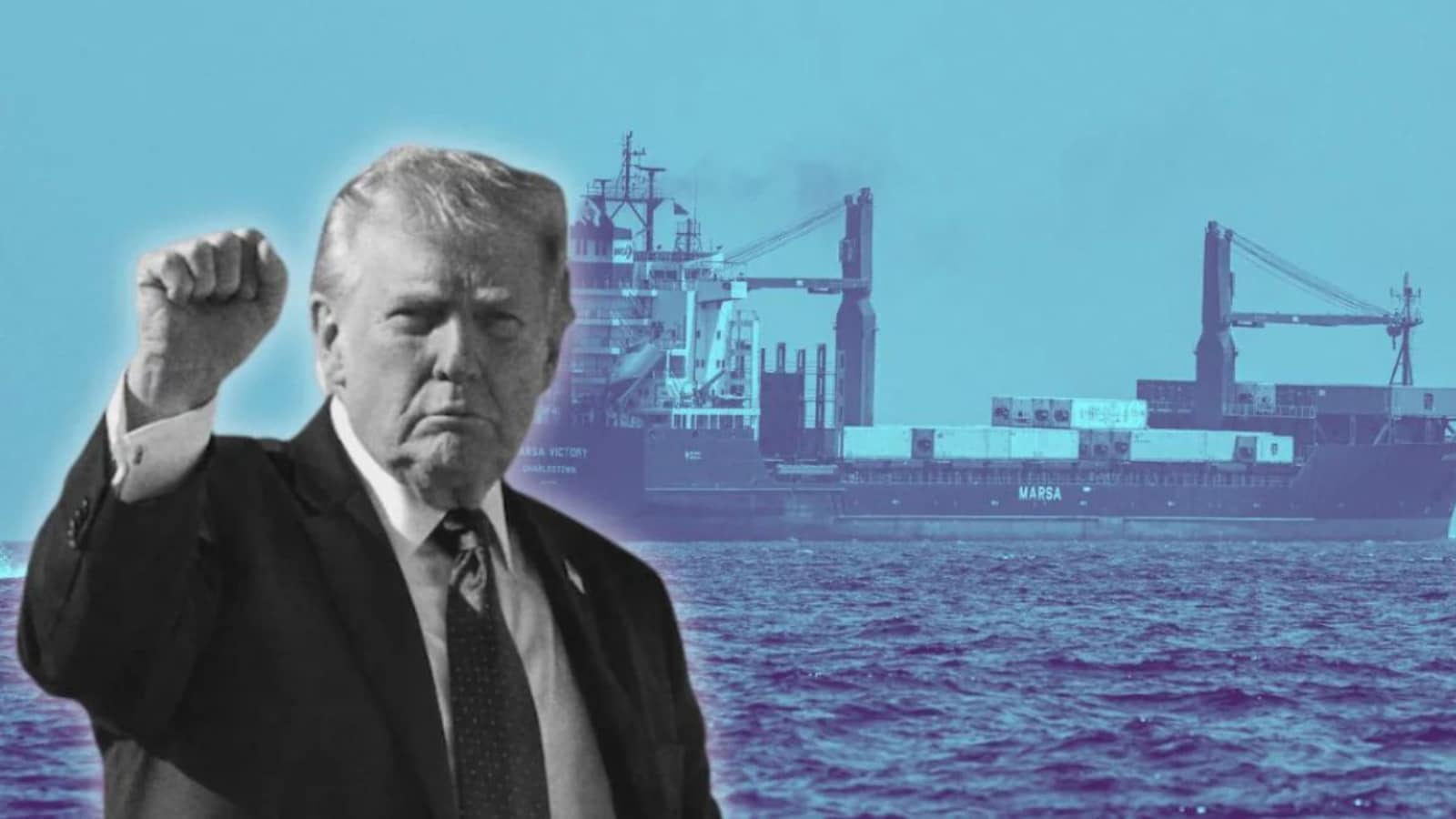
Trump's Iran Trade Warning Risks India Exports, Economy Weathers Impact
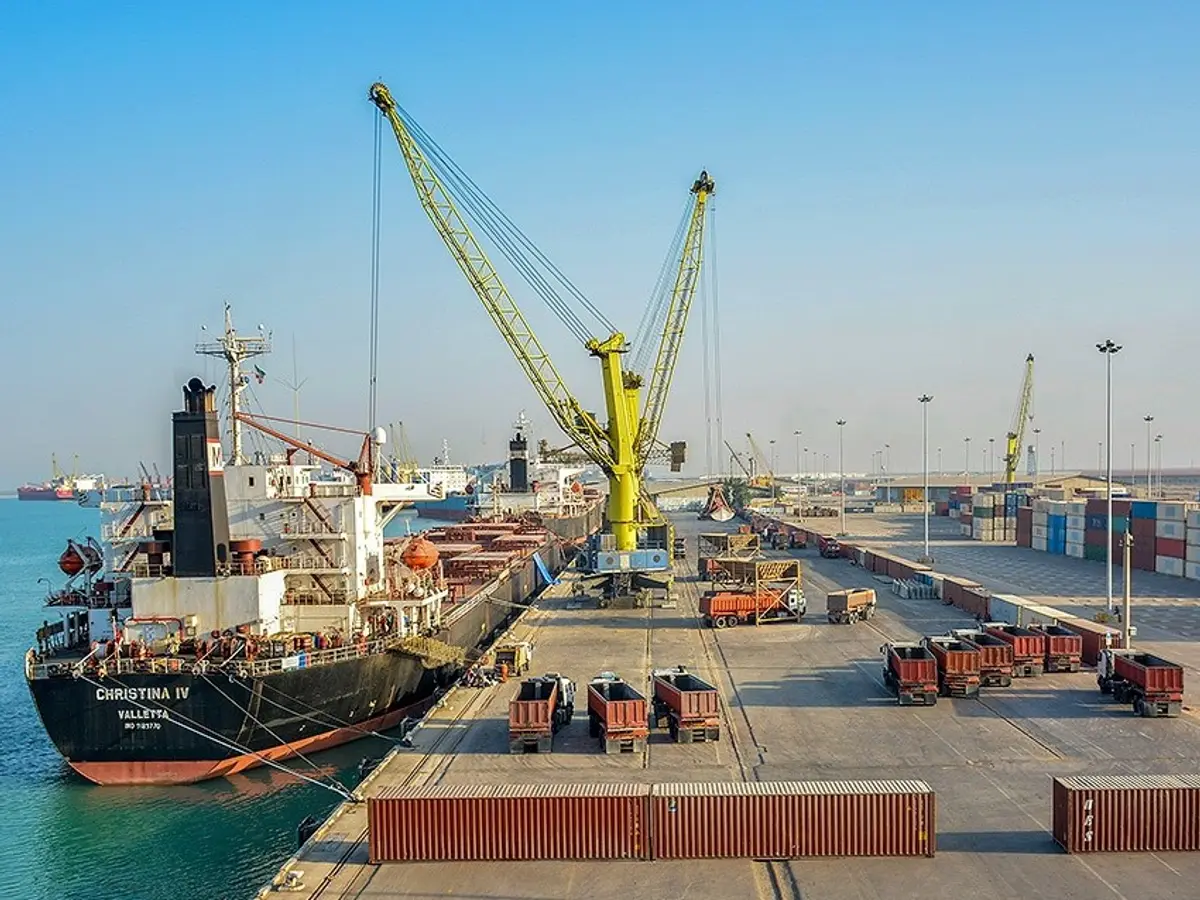
US Launches Operation Economic Outcast, Warning Iran Trade Partners

RBI Governor Meets US Fed Chief Kevin Warsh at G20
Indian Firms Invest $40 Billion in U.S., Supporting Jobs
Trump Aides Seek Quiet Iran War Before Midterm Elections
Global Bond Sell-Off Pushes Japan Yields To 30-Year High

US and China Hold Quiet Talks Over Iran Conflict