1 week ago
US Iran Sanctions Threaten India’s Rice Exports Through UAE
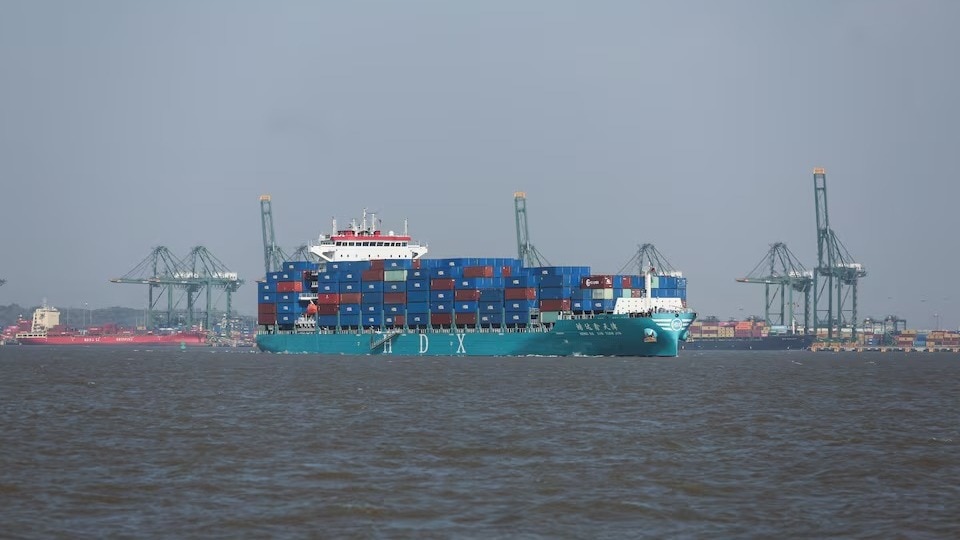
The United States has announced more economic punishments, called sanctions, against Iran.
It wants countries doing business with Iran to stop or risk punishment from Washington.
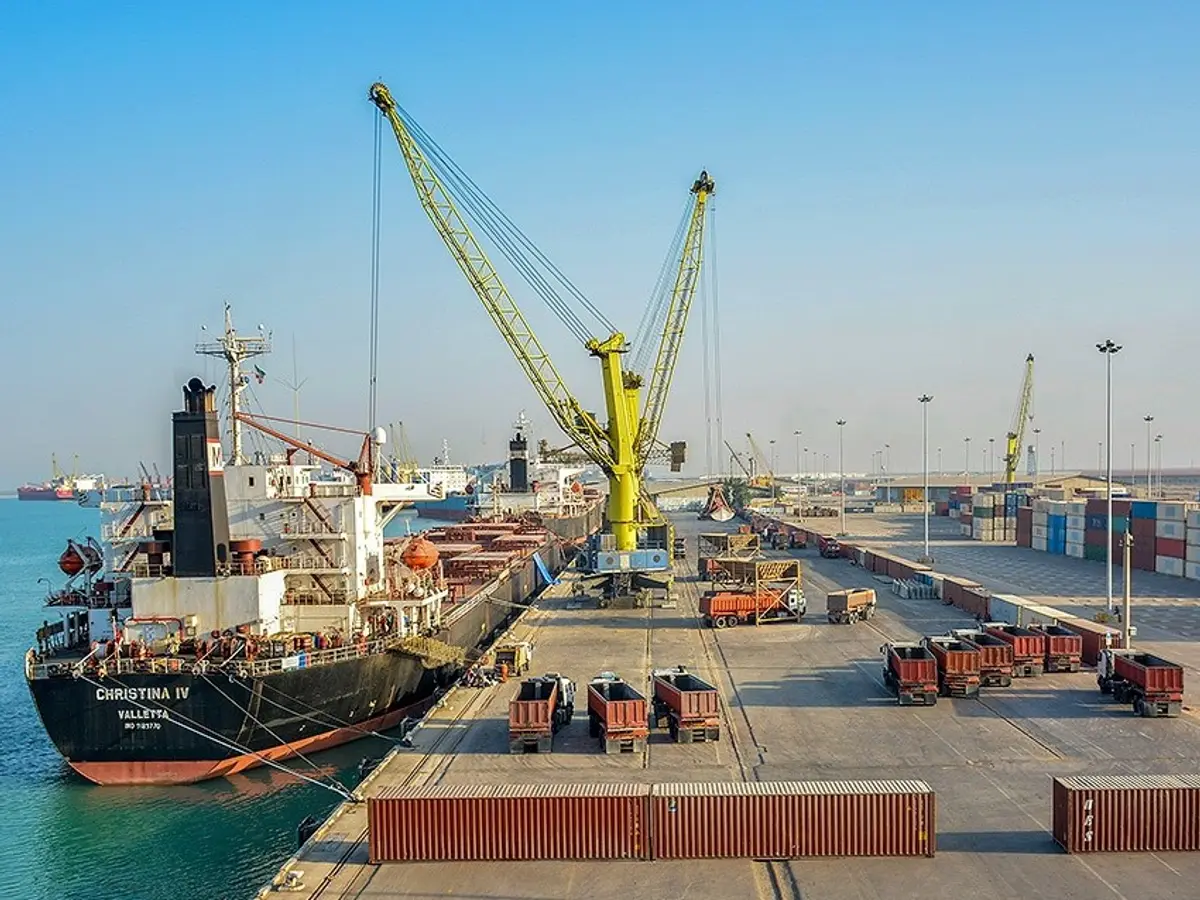
India sells a lot of rice to Iran, especially expensive basmati rice.
Much of this trade uses companies and banks in the United Arab Emirates.
The new sanctions may make it harder and more expensive to move money and goods.
Indian rice exporters are especially worried about the effect on businesses in northern India.
Tea sellers may also lose business because tea shipments use similar routes.
India’s trade with Iran has already fallen sharply since 2018-19.

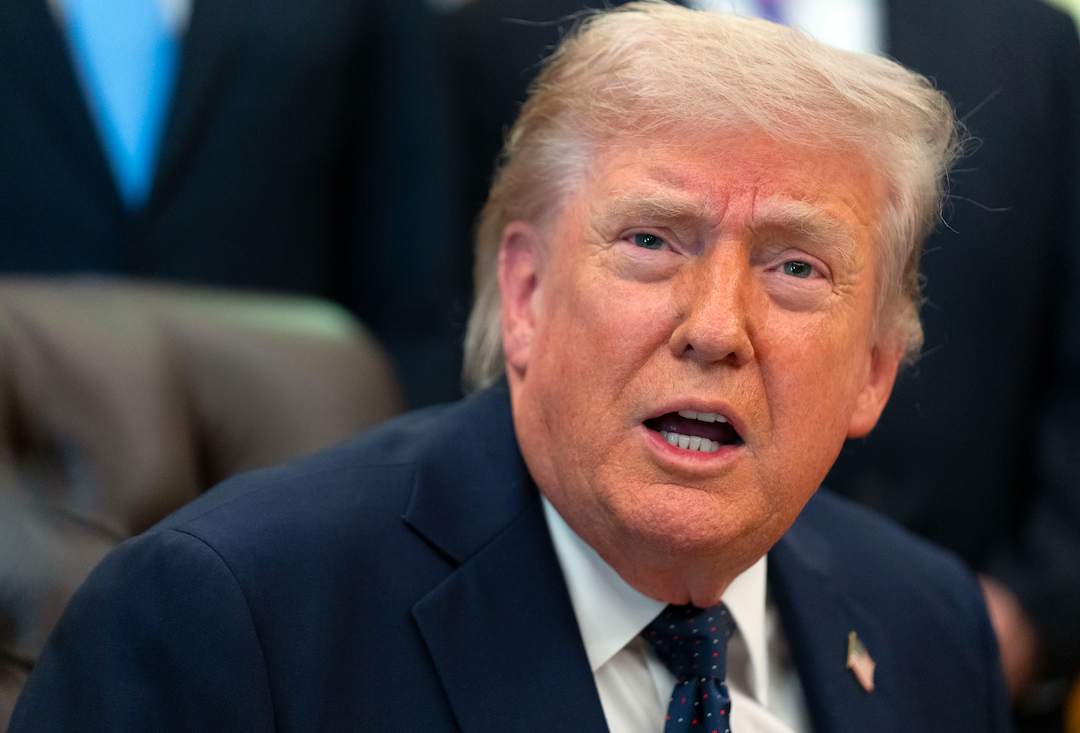
The United States announced new sanctions against Iran on Monday and warned countries trading with Tehran of retaliation.
India exported $383.11 million in rice to Iran during the first half of 2026, making Iran a major market for premium basmati rice.
Exporters warn that disruptions to the India-UAE-Iran trade corridor could particularly hurt northern Indian millers and basmati exporters.
Payments traditionally routed through UAE traders are under strain, with Turkey suggested as a possible alternative jurisdiction.
India’s tea exports to Iran, worth $14.34 million in the first half of 2026, could also be affected.
- Who
- The United States, Iran, Indian rice and tea exporters, and countries involved in the trade route, including the United Arab Emirates and Turkey.
- What
- The United States announced new sanctions on Iran that could disrupt India’s rice and tea exports to the Iranian market.
- Where
- The affected trade primarily involves India, Iran, and the United Arab Emirates, with Turkey mentioned as a possible alternative jurisdiction.
- When
- The sanctions were announced on Monday; the article discusses trade figures for the first half of 2026 and comments made on Tuesday.
- Why
- Washington says the sanctions are intended to further isolate Iran and pressure countries to end financial ties with Tehran.
US Sanctions Rationale
Indian Exporter Concerns
Purpose of the sanctions
US Sanctions Rationale
Washington says the measures are designed to further isolate Iran’s already weakened economy and pressure countries to sever financial ties with Tehran.
Indian Exporter Concerns
Indian exporters are concerned that complying with the sanctions could disrupt established trade and payment channels.
Effect on the rice industry
US Sanctions Rationale
The United States argues that pressure on Iran requires countries and businesses to stop supporting its trade relationships.
Indian Exporter Concerns
Industry representatives say a prolonged disruption to the India-UAE-Iran corridor could have a much larger effect on India’s basmati industry than on overall non-basmati rice trade.
Payment and shipping risks
US Sanctions Rationale
The US administration says its pressure campaign has already produced results among some countries and leaders.
Indian Exporter Concerns
Exporters report that payment mechanisms routed through the UAE are seeking alternative jurisdictions and warn that freight and other costs could rise.
Key facts
- Rice exports to Iran
- India exported $383.11 million worth of rice to Iran in the first half of 2026.
- Iran’s rice-market position
- Iran is the second-largest overseas market for India’s premium rice, including long-grained basmati.
- Tea exports to Iran
- India’s tea exports to Iran totaled $14.34 million in the first half of 2026.
- Payment route
- Indian exporters have typically received payments through Indian authorized-dealer banks from UAE traders’ accounts.
- Possible alternative
- Turkey was suggested as one possible alternative jurisdiction for transactions.
- Trade decline
- India’s bilateral trade with Iran has fallen more than 90% from its 2018-19 peak of $17 billion.
- Major Iranian trade partners
- China, Turkey, and the UAE are identified as Iran’s largest trade partners.
Quotes

Brahma Chellaney
Geostrategist commenting on India’s likely response to the sanctions
“By contrast, India is likely to fall in line with the latest US sanctions, as it has repeatedly done in the past. It halted all imports of Iranian crude in 2019 and sharply reduced purchases of Russian oil from last October until Trump’s launch of the war on Iran shut down the Strait of Hormuz.”
 businesstoday.in
“We are already seeing indications that transactions and payment mechanisms traditionally routed through the UAE are exploring alternative jurisdictions.”
businesstoday.in
Sources
Related news

Trump Sanctions Threaten India’s Basmati Rice Trade With Iran
US Iran Sanctions Put India’s Rice, Pharma Exports at Risk
US Iran Sanctions Threaten India Trade and Chabahar Plans
US Launches Operation Economic Outcast, Warning Iran Trade Partners

Trump's Iran Trade Warning Risks India Exports, Economy Weathers Impact

US-Iran Strikes Escalate as Tehran Warns of New Strategy
Trump Warns of Fresh Iran Strike After Heavy Attack

Trump Says US Could Attack Iran Again at Will

U.S. Treasury Yields Ease as Jobs Data Misses Expectations

Iran Seizes Fuel-Smuggling Vessel in Gulf, Arrests 11 Crew