

1 week ago
US Iran Sanctions Threaten India Trade and Chabahar Plans
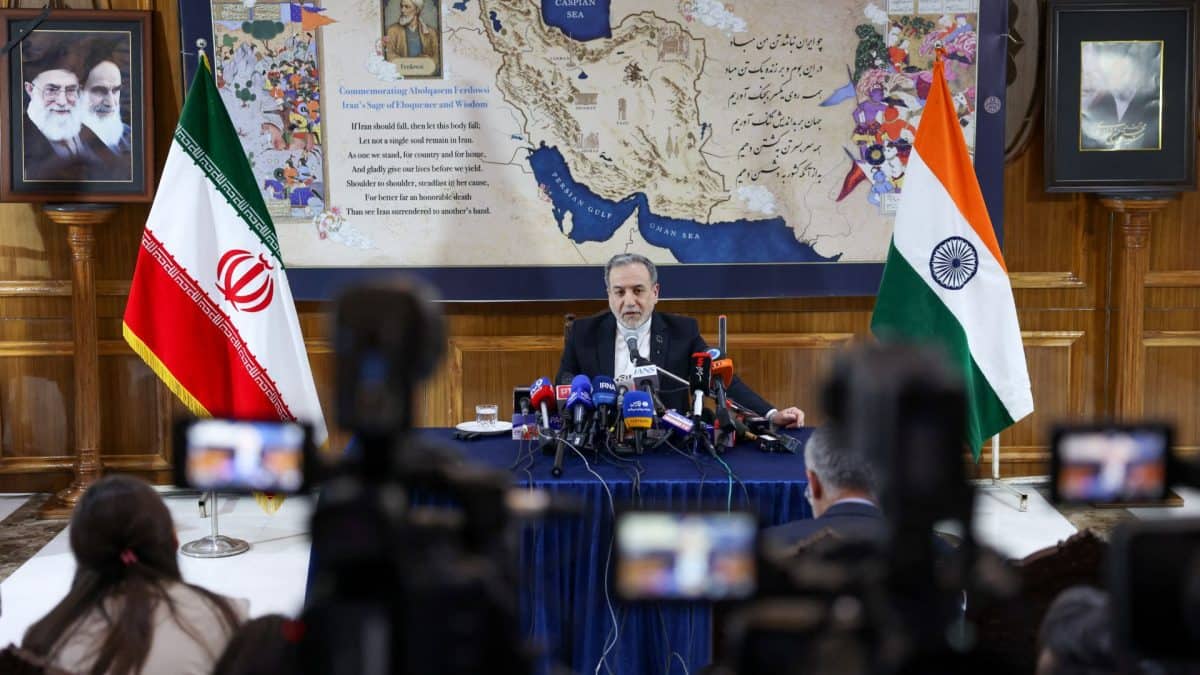
The United States has announced a large new set of sanctions against Iran.
Sanctions are rules that make it harder for companies and banks to do business with targeted people or organizations.
Four companies based in India and some Indian nationals were included because the US says they handled Iranian oil or petrochemicals.
This could make it harder for Indian businesses to sell rice, tea and medicine to Iran and receive payment.
Shipping companies and insurers may also avoid Iranian ports.
India does not currently buy much Iranian crude oil, but problems with global oil supplies could still make fuel more expensive.
The sanctions may also slow India’s plans to operate part of Chabahar Port in Iran.
India is expected to seek exemptions, safer payment systems and alternative markets for its exporters.

The United States sanctioned nearly 60 entities, individuals and vessels linked to Iran’s oil, shipping, finance and procurement networks.
Four India-based companies and Indian nationals were added to the US Specially Designated Nationals list over alleged Iranian petroleum dealings.
Indian exporters of basmati rice, tea and pharmaceuticals face payment, insurance and shipping disruptions despite humanitarian exemptions.
India’s direct dependence on Iranian crude is limited, but global oil-price increases could raise its import bill and inflation.
US sanctions could complicate India’s Chabahar Port operations and the International North-South Transport Corridor.
- Who
- The United States, Iran, four India-based companies, Indian exporters and India’s government are the main parties involved.
- What
- The United States launched Operation Economic Outcast and sanctioned nearly 60 entities, individuals and vessels connected to Iranian oil, shipping, financial and procurement networks.
- Where
- The sanctions affect networks spanning Iran, India, Singapore, the United Arab Emirates and Switzerland, with possible consequences for Chabahar Port and the Strait of Hormuz.
- When
- The campaign was announced on Monday; the article also cites August 24 and several 2026 trade and legislative dates.
- Why
- US authorities said the measures are intended to cut off financial lifelines to the Iranian government and Islamic Revolutionary Guard Corps.
US Enforcement Position
Indian and Commercial Concerns
Purpose of the sanctions
US Enforcement Position
US officials say the campaign is designed to deny the Iranian government and Islamic Revolutionary Guard Corps access to international capital and foreign currency.
Indian and Commercial Concerns
Indian commercial actors face restrictions even where their trade involves food, medicine or other activities formally covered by humanitarian exemptions.
India’s policy position
US Enforcement Position
The United States is warning international partners to shut down identified Iranian financial channels or face possible secondary sanctions.
Indian and Commercial Concerns
New Delhi has historically said it follows United Nations sanctions rather than unilateral secondary measures, although Indian businesses remain exposed to Western banks and financial systems.
Chabahar Port and regional connectivity
US Enforcement Position
The US sanctions framework increases scrutiny of transactions involving Iranian ports and state-linked entities.
Indian and Commercial Concerns
India views Chabahar and the International North-South Transport Corridor as important connectivity projects, but banks, equipment suppliers and shipping lines may avoid them because of enforcement risks.
Key facts
- US operation
- Operation Economic Outcast targets Iranian petroleum, petrochemicals, shipping, digital assets, gold trading and dual-use technology procurement.
- India-linked designations
- Four India-based companies and Indian nationals were named under Executive Order 13846, according to the article.
- Recent India-Iran trade
- For financial year 2025-26, Indian exports to Iran were about $1.2 billion and imports were below $375 million.
- Rice exports
- Indian exporters shipped $383.11 million in rice to Iranian buyers during the first six months of the year.
- Tea exports
- Indian tea exports to Iran reached $14.34 million in the first half of 2026.
- Chabahar agreement
- India signed a 10-year contract in May 2024 to equip and operate the Shahid Beheshti terminal through India Ports Global Limited.
- INSTC route
- The International North-South Transport Corridor is described as a 7,200-kilometre multimodal route connecting Mumbai to Saint Petersburg through Iran and the Caspian Sea.
Sources
Related news
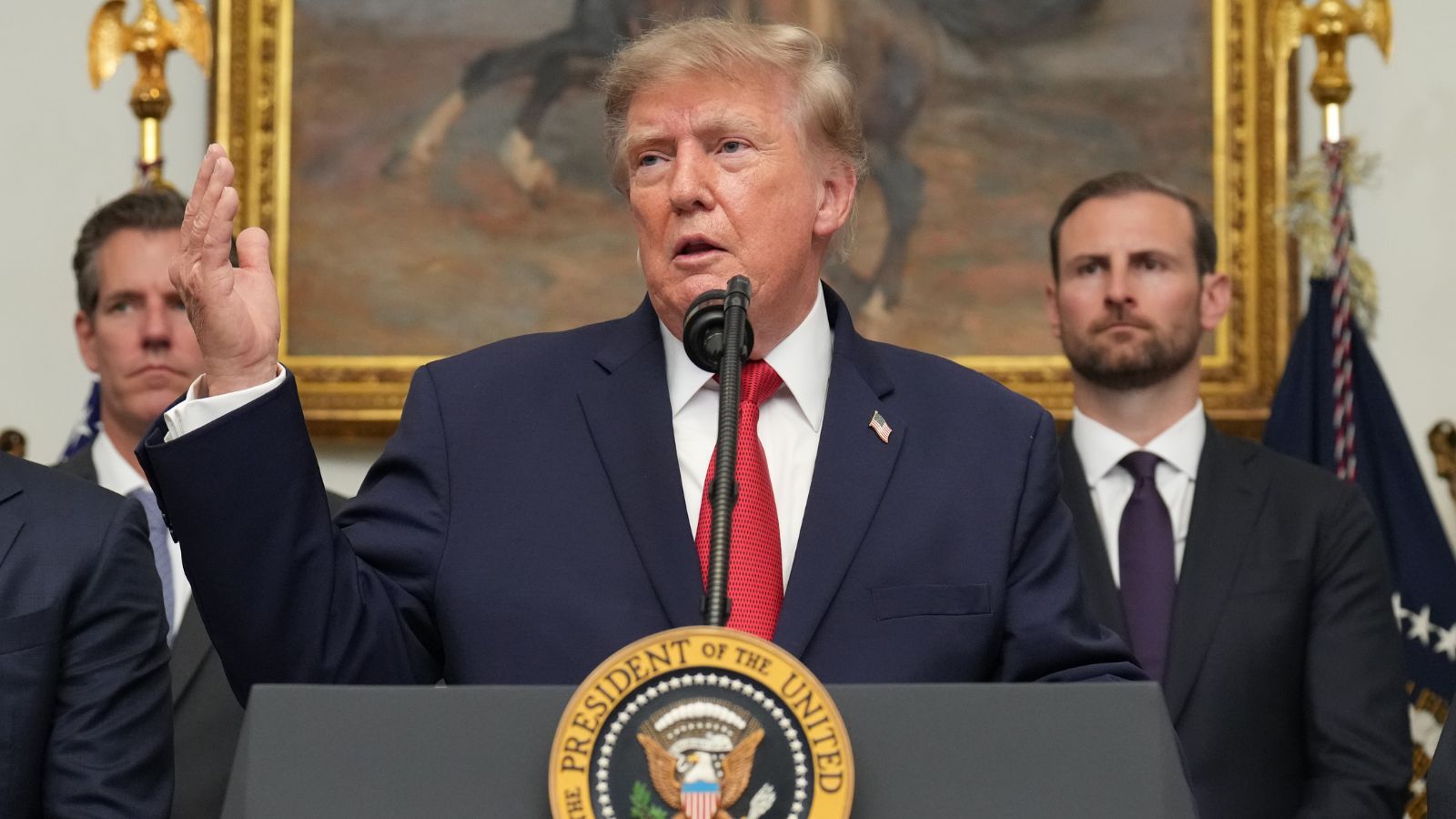
US Sanctions Four India-Based Firms Over Alleged Iran Trade
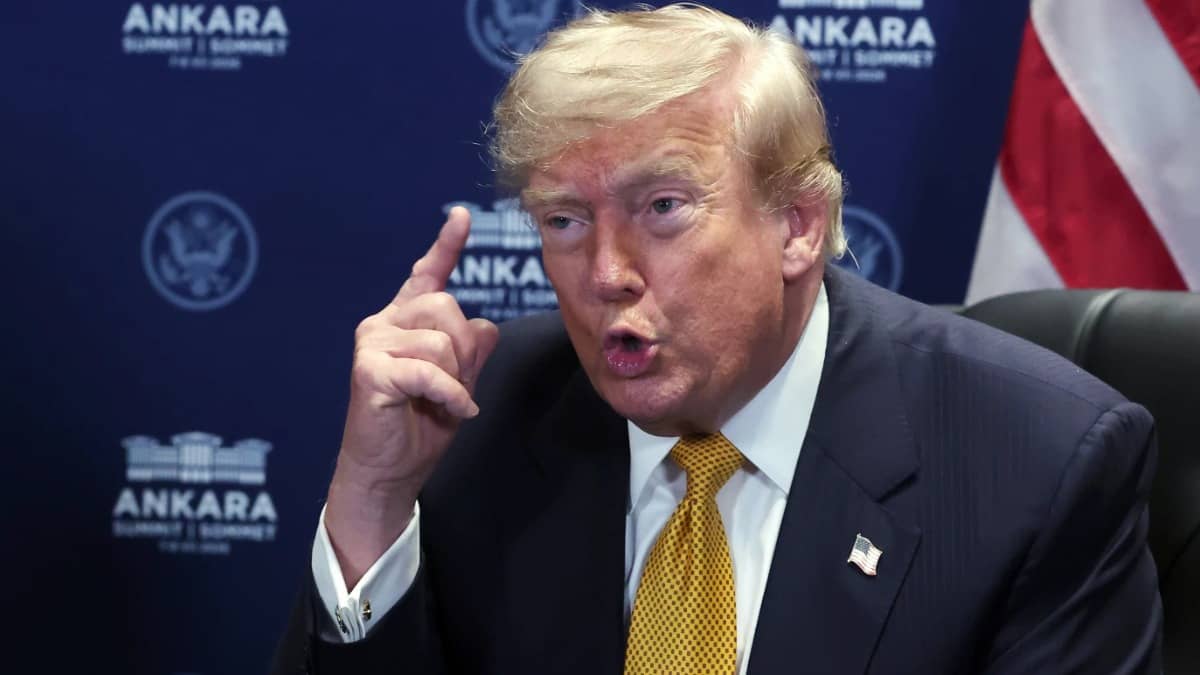
US Sanctions Indian Firms, Escalates Pressure on Iran’s Oil Network

Trump Sanctions Threaten India’s Basmati Rice Trade With Iran
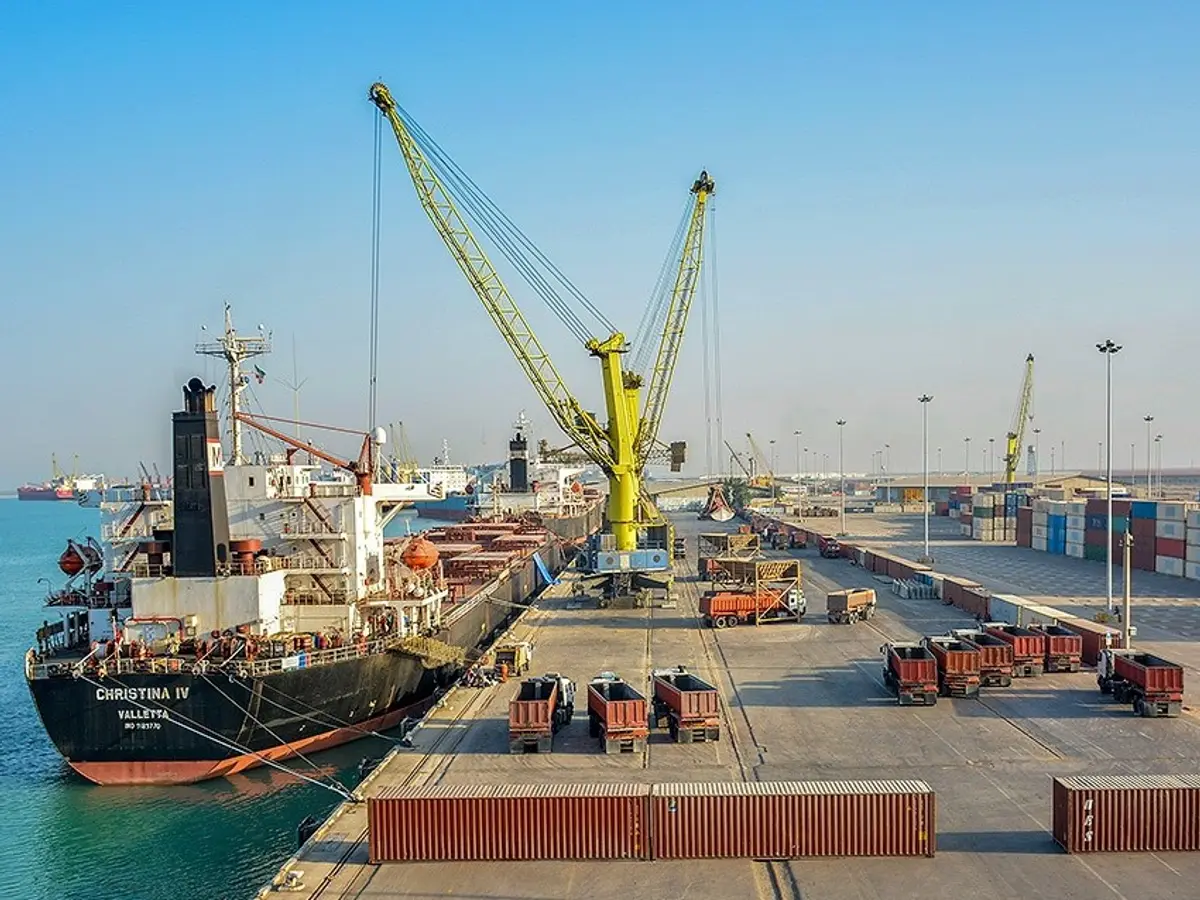
US Launches Operation Economic Outcast, Warning Iran Trade Partners
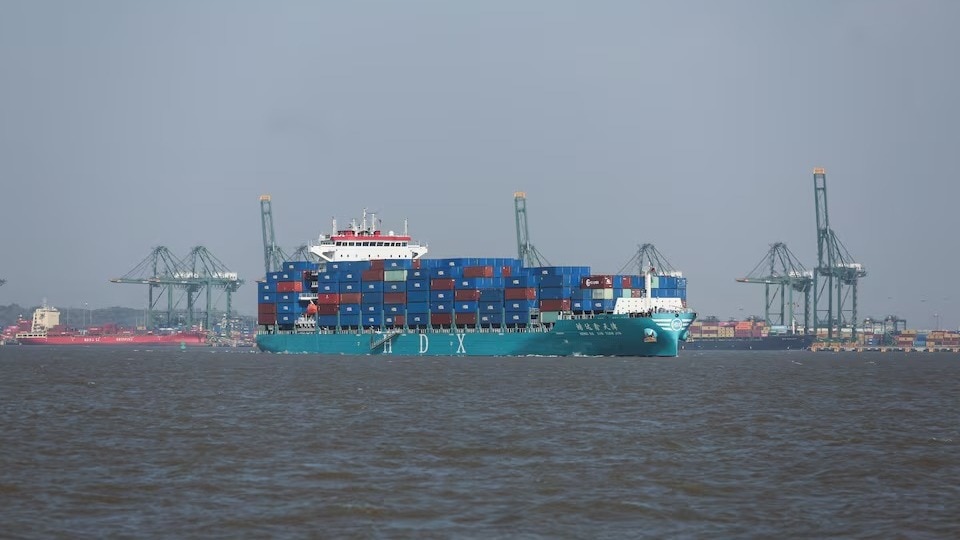
US Iran Sanctions Threaten India’s Rice Exports Through UAE
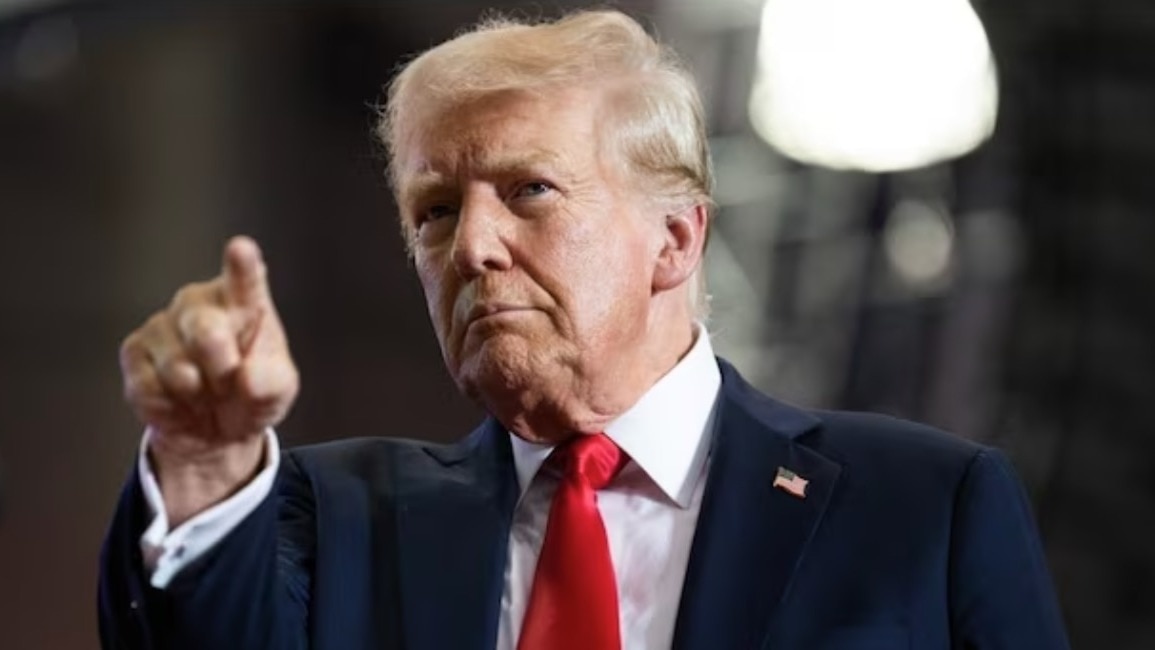
US Sanctions Four Indian Firms Over $119M Iranian Oil

Bessent Threatens Iran Supporters as US Intensifies Economic Pressure

Eric Trump Showcases New Patriot Passport Bearing Trump’s Image
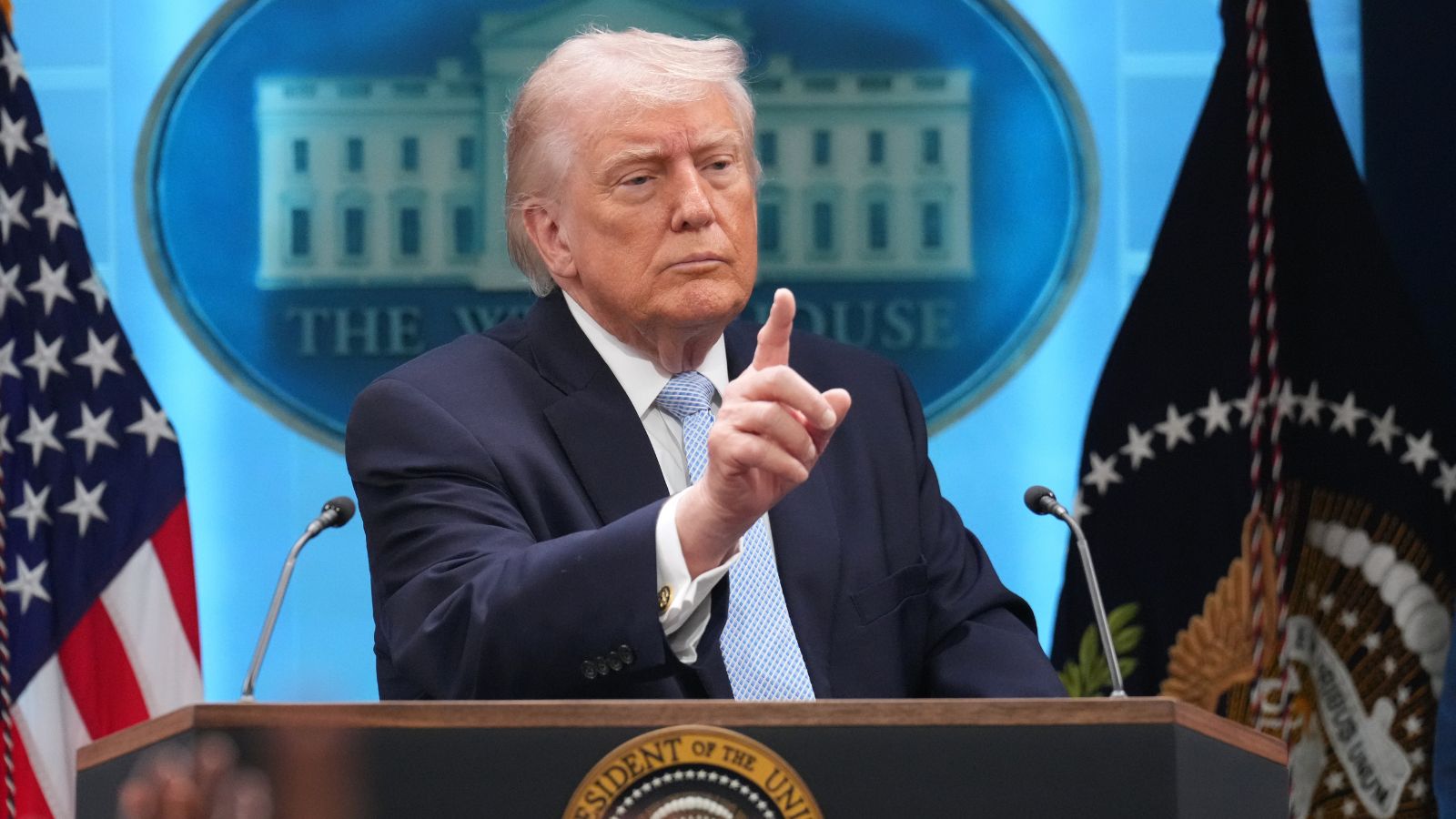
US Warns Middle East Travelers Amid Escalating Iran-Linked Tensions

Family Seeks US Intervention Over VanDyke Detention in Delhi

India and World Bank Discuss Deeper Capital Cooperation
